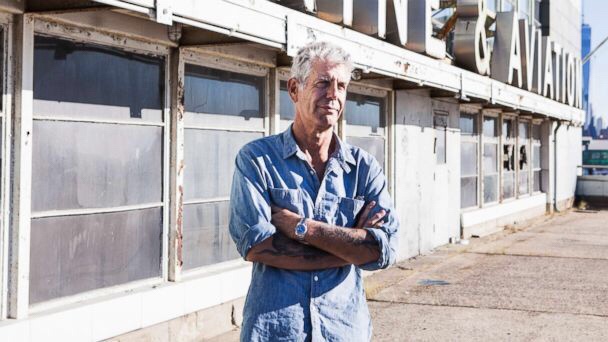
Anthony Bourdain dies at 61 in apparent suicide

I don’t know what to say, I’m stunned and devastated.

https://www.yahoo.com/gma/anthony-bourdain-dies-61-112903419–abc-news-topstories.html

Award-winning chef, writer and television personality Anthony Bourdain has died in an apparent suicide. He was 61.

Bourdain was found dead on Friday morning in his room at a luxury hotel in the tiny village of Kaysersberg in the Alsace region of northeast France. He appeared to have hanged himself, according to Christian de Rocquigny du Fayel, the prosecutor of Colmar in Alsace region, southeast of Kaysersberg.

The exact cause of death is under investigation. The hotel where Bourdain was staying declined to comment Friday.

Bourdain was the host of “Anthony Bourdain: Parts Unknown,” which has aired on CNN since its premiere in 2013. The travel and food series, which features cuisines and stories from around the world, has won several Emmy Awards as well as a 2013 Peabody Award, according to CNN.

He leaves behind an 11-year-old daughter, Ariane Bourdain.
‘One of the great storytellers of our time’

CNN confirmed Bourdain’s death in a statement Friday.

“It is with extraordinary sadness we can confirm the death of our friend and colleague, Anthony Bourdain,” the network said. “His love of great adventure, new friends, fine food and drink and the remarkable stories of the world made him a unique storyteller. His talents never ceased to amaze us and we will miss him very much. Our thoughts and prayers are with his daughter and family at this incredibly difficult time.”

CNN reported that Bourdain was in France working on an upcoming episode for his hit series when close friend and French chef Eric Ripert found him unresponsive in his hotel room Friday morning.

“Anthony was a dear friend,” Ripert told ABC News in a statement Friday. “He was an exceptional human being, so inspiring and generous. One of the great storytellers of our time who connected with so many. I wish him peace. My love and prayers are with his family, friends and loved ones.” From running restaurants to hosting a hit series

Born in New York City and raised in Leonia, New Jersey, Bourdain went on to graduate from the Culinary Institute of America in 1978 and pursue a career in cooking.

In an interview with ABC News’ Rebecca Jarvis last year, Bourdain said that, when he was younger, he had a kind of “live hard, die young” attitude.

“It came as sort of a rude surprise to me when I turned 30 and I was still alive,” he said. “I didn’t really have a plan after that.” Bourdain ran a number of restaurant kitchens in New York City. But he gained fame with his acclaimed nonfiction book in 2000, “Kitchen Confidential: Adventures in the Culinary Underbelly.”

“Mine was not a particularly distinguished cooking career,” Bourdain told ABC News in the interview last year. “When ‘Kitchen Confidential’ was published, [it] was to my great surprise a success … I was determined not to screw this up.”

Bourdain authored several other nonfiction books on the culinary industry as well as accounts of his world-travel and food adventures. In 2011, he founded his own publishing line, Anthony Bourdain Books, at Ecco Press, a New York-based publishing imprint of HarperCollins.

“I’ve known Tony as an author and friend for many years,” Ecco president and publisher Daniel Halpern said in a statement Friday. “He not only revolutionized the memoir genre with his groundbreaking and iconic work, ‘Kitchen Confidential,’ he supported emerging voices and chefs with his imprint, Anthony Bourdain Books. His death is a great personal tragedy. Our thoughts are with his daughter and family at this difficult time.”

On CNN’s “Parts Unknown,” Bourdain delved into different cultures across the globe by talking and sharing meals with locals. U.S. President Barack Obama famously appeared on an episode in Vietnam in 2016, during his final months in office. Obama and Bourdain discussed Vietnamese-American relations, among other things, while dining on grilled pork, noodles and beer at a small family-run restaurant in Hanoi.

Previously, Bourdain had hosted a TV show called “A Cook’s Tour” on Food Network and then “Anthony Bourdain: No Reservations” as well as “The Layover” on the Travel Channel.

<img alt=”PHOTO: Anthony Bourdain poses with Italian actor and director Asia Argento for the Women In The World Summit in New York, April 12, 2018. (Brendan McDermid/Reuters, FILE)” src=”https://s.yimg.com/ny/api/res/1.2/xQEuz5XU6AvjUzcJ9nmIsw–/YXBwaWQ9aGlnaGxhbmRlcjt3PTY0MDtoPTM2MA–/https://s.abcnews.com/images/Entertainment/anthony-bourdain-asia-argento7-gty-ml-180608_hpMain_16x9_608.jpg&#8221; class=”caas-img”>

PHOTO: Anthony Bourdain poses with Italian actor and director Asia Argento for the Women In The World Summit in New York, April 12, 2018. (Brendan McDermid/Reuters, FILE)

More

‘Anthony gave all of himself in everything that he did’

In recent months, Bourdain garnered attention as an outspoken advocate of the #MeToo movement, with his vocal support of dozens of women — including his own girlfriend, Italian actress and director Asia Argento — who accused disgraced movie mogul Harvey Weinstein of sexual assault or misconduct.

“I’ve been seeing up close — due to a personal relationship — the difficulty of speaking out about these things, and the kind of vilification and humiliation and risk and pain and terror that come with speaking out about this kind of thing,” Bourdain told Slate magazine last October. “That certainly brought it home in a personal way that, to my discredit, it might not have before.”

Argento posted a statement on her official Twitter account, saying she’s “beyond devastated” to lose her “love,” “rock” and “protector.”

“Anthony gave all of himself in everything that he did. His brilliant, fearless spirit touched and inspired so many, and his generosity knew no bounds,” she said in the statement Friday. “He was my love, my rock, my protector. I am beyond devastated. My thoughts are with his family. I would ask that you respect their privacy and mine.”

During a 2015 interview with Wine Spectator, Bourdain was asked how he would like to be remembered.

“Maybe that I grew up a little,” he told the magazine. “That I’m a dad, that I’m not a half-bad cook, that I can make a good coq au vin. That would be nice. And not such a bad bastard after all.”

In a now-eerie interview with People magazine that was published last month, Bourdain said he’d rather “die in the saddle” than retire.

“I gave up on that. I’ve tried. I just think I’m just too nervous, neurotic, driven,” he told the magazine. “I would have had a different answer a few years ago. I might have deluded myself into thinking that I’d be happy in a hammock or gardening. But no, I’m quite sure I can’t. I’m going to pretty much die in the saddle.”

ABC News’ Kate Hodgson, Aaron Katersky and Paul Pradier contributed to this report.

Anyone in crisis, or who knows someone in crisis, please call the National Suicide Prevention Lifeline at 1-800-273-TALK (8255) or contact the Crisis Text Line by texting TALK to 741-741.
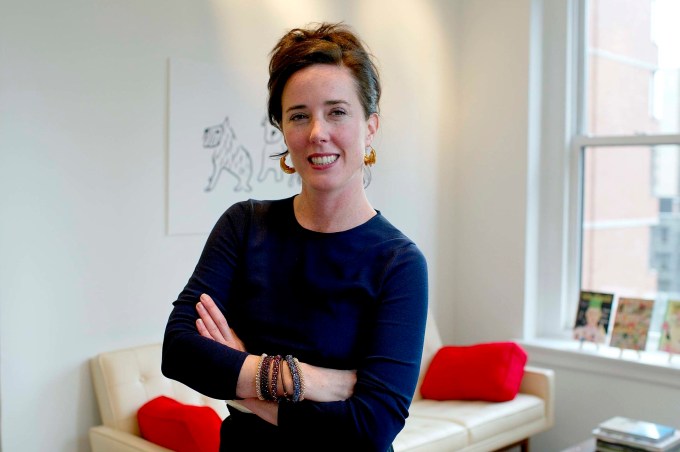
Kate Spade, American Designer, Is Dead at 55

Mental illness wins this one. Kate Spade, a super successful designer, billionaires, with a husband and young daughter. Oh god, how bad things must have been for her to take this action?

Mental illness, insidious, heinous, deadly, masked, terrifying.

https://www.google.com/amp/s/mobile.nytimes.com/2018/06/05/fashion/kate-spade-dead.amp.html

The American designer Kate Spade was found dead on Tuesday, according to police officials.

The police said that Ms. Spade, 55, was discovered unresponsive at a Park Avenue apartment, where she had hanged herself. She had left a note, but the official did not comment on what it said. She was pronounced dead at the scene at 10:26 a.m.

A housekeeper found Ms. Spade in her bedroom hanging from a red scarf tied to a doorknob, the police said. She was unconscious and the housekeeper called 911.

Ms. Spade’s husband was at the scene. A police spokesman did not know the whereabouts of Ms. Spade’s daughter.

Born Kate Brosnahan in Kansas City, Mo., in December 1962, Ms. Spade was one of the first of a powerful wave of female American contemporary designers in the 1990s.

She built a brand on the appeal of clothes and accessories that made women smile, her cheerful lack of restraint and bright prints striking a chord with consumers. She herself was the embodiment of her aesthetic, with her proto-1960s bouffant, nerd glasses and kooky grin, which masked a business mind that saw the opportunities in becoming a lifestyle brand, almost before the term officially existed.

Ms. Spade, who had been the accessories editor of Mademoiselle magazine, founded Kate Spade with her husband-to-be, Andy and a friend, Elyce Arons, in 1993. Frustrated with the handbags of the era, which she found to be over-accessorized, she had wanted “a functional bag that was sophisticated and had some style,” she told The New York Times in 1999.

She did not know what to call the company at first and decided to make it a combination of the names of the co-founders. After the first show, she realized that the bags needed a little something extra to catch people’s eyes. She took the label, which originally had been on the inside of the bag, and sewed it to the outside. With that gesture, she created a brand identity and her empire.

Within a few years, she had opened a SoHo shop and was collecting industry awards, her name a shorthand for the cute, clever bags that were an instant hit with career women and, later, young girls, status symbols of a more attainable, all-American sort than a Fendi clutch or Chanel bag. Ms. Spade became the very visible face of her brand.

In 1999, the Spades sold the business to Neiman Marcus Group, and the company changed hands several times after that — in 2006, Neiman Marcus Group sold it to Liz Claiborne, Inc., which eventually shed its other holdings to become the publicly-traded Kate Spade & Company, itself acquired in 2017 by Coach, Inc. (After the Kate Spade acquisition, Coach, Inc. became the holding company Tapestry, which also owns Coach and Stuart Weitzman.)

By then, the Spades had been gone a decade, having left in 2007 to devote themselves to other projects. Ms. Spade dedicated herself to her family and to philanthropy, and in 2016, together with her husband, Ms. Arons, and Paola Venturi, a Kate Spade alum, launched a new venture, an accessories label called Frances Valentine. Ms. Spade was so committed to the project that she told interviews she had changed her surname from Spade to Valentine.

If you are having thoughts of suicide, call the National Suicide Prevention Lifeline at 1-800-273-8255 (TALK) or go to SpeakingOfSuicide.com/resources for a list of additional resources.

HOW THE PLACEBO EFFECT REALLY WORKS

The placebo effect is real, sugar pills can have as much of an effect as medication. But how? This video attempts to explain how.  According to the video, it’s energetic. The answers are within us. Of course a wonderful thing to believe and attempt to do! Please comment on any experience you’ve had with the placebo effect or positive thinking. Thank you 😍😍😍

https://www.gaia.com/lp/content/how-the-placebo-effect-really-works/?utm_source=facebook%2Borganic&utm_medium=gaia&utm_term=lp&utm_campaign=evergreen&ch=st

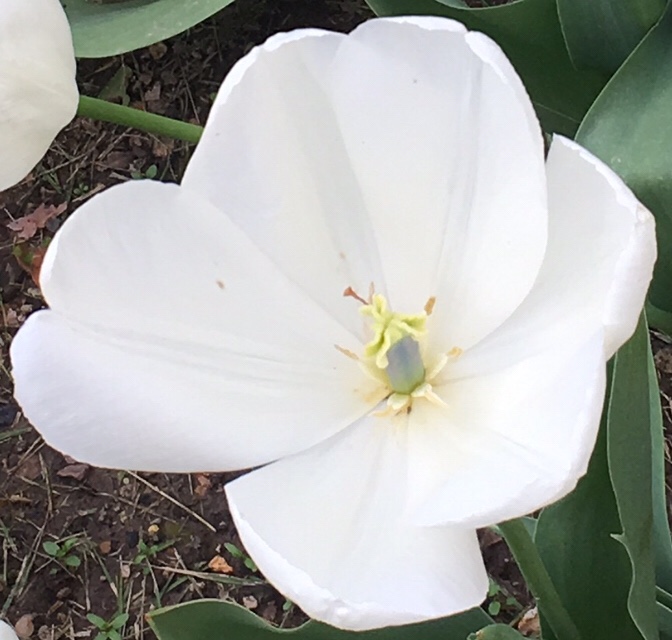
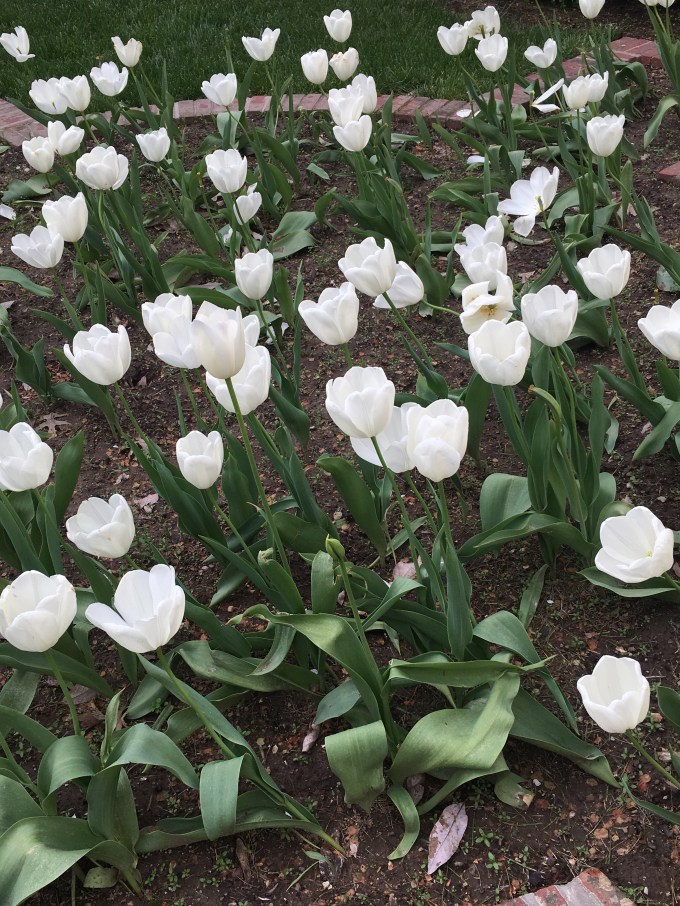
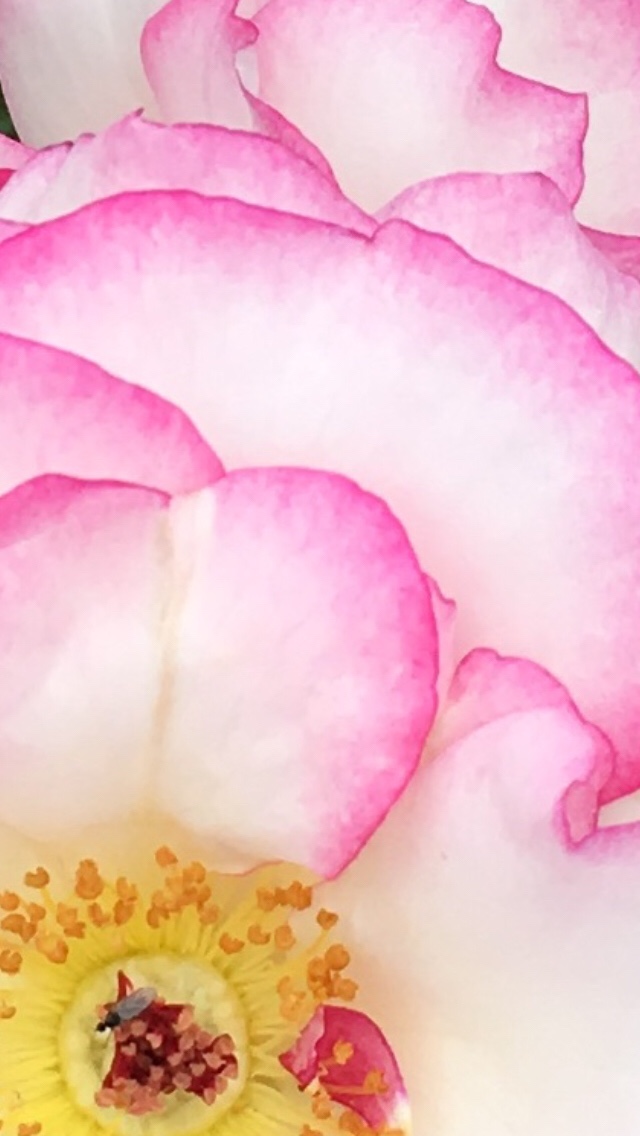
My homage to Georgia O Keeffe

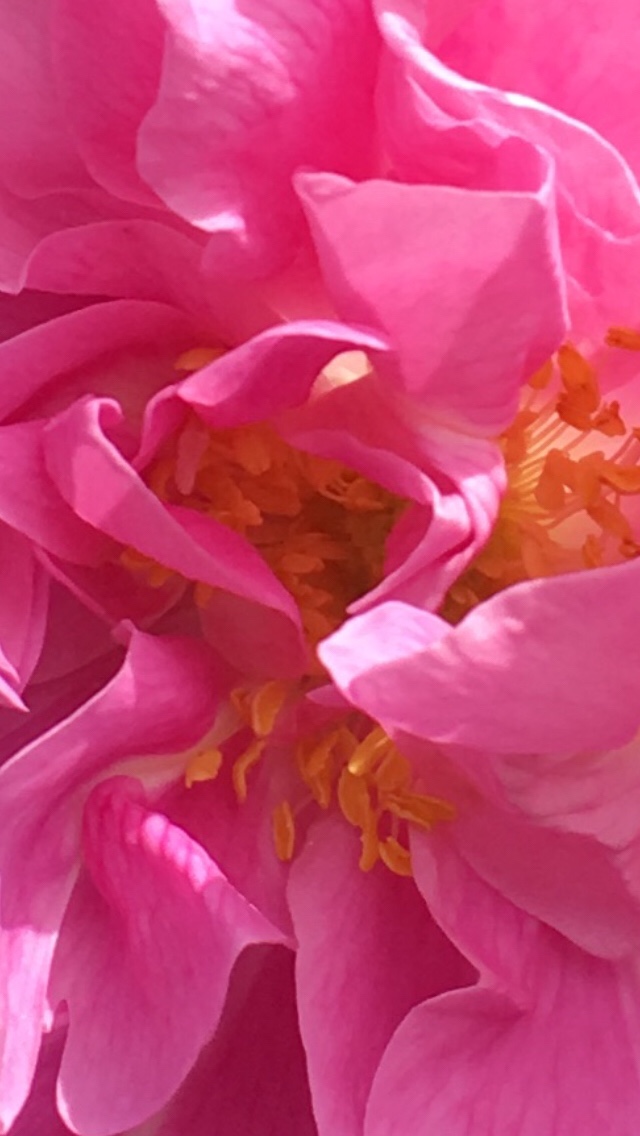
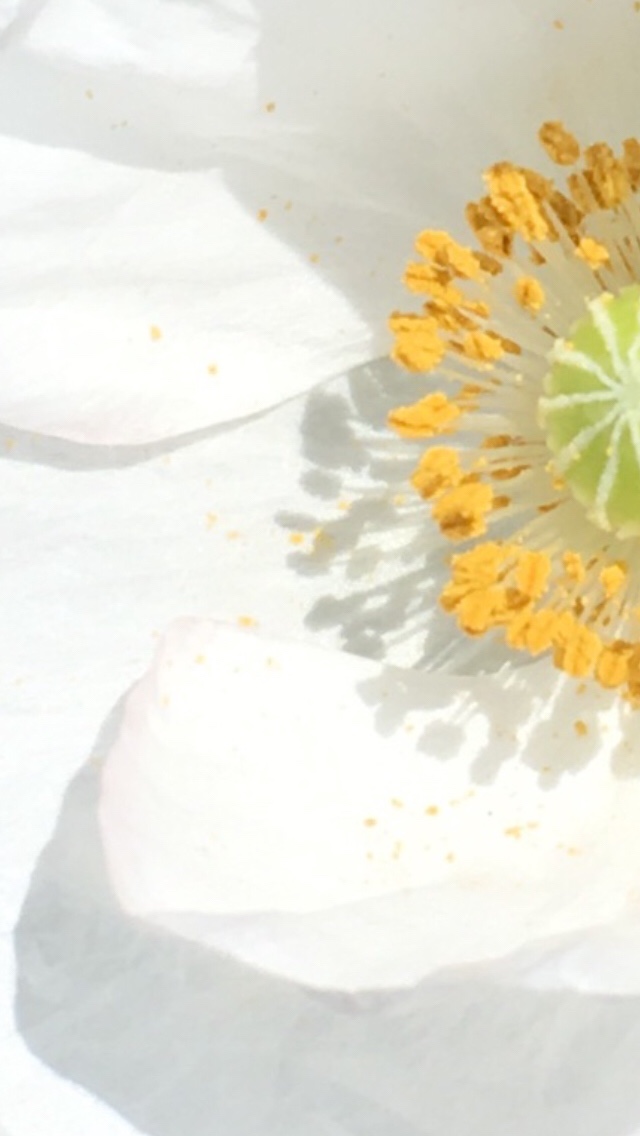
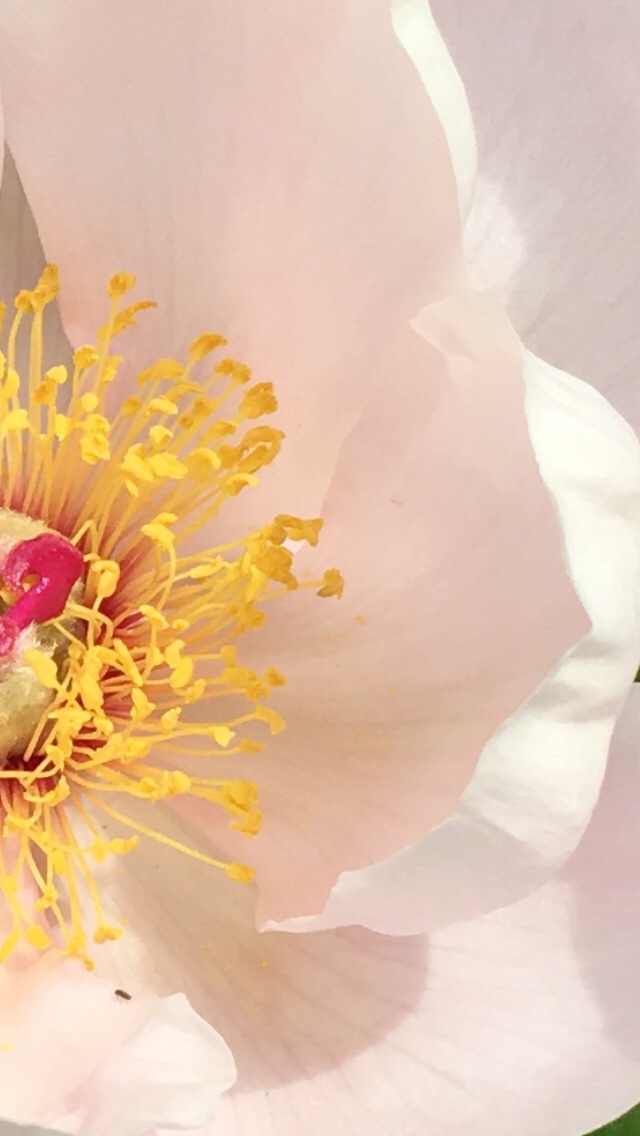
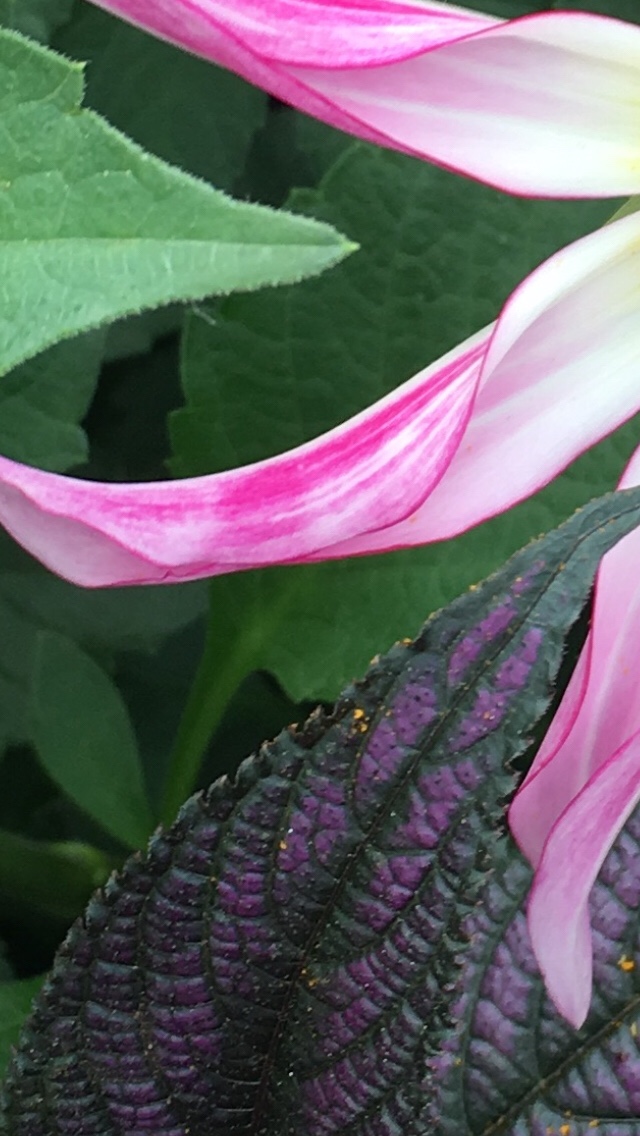
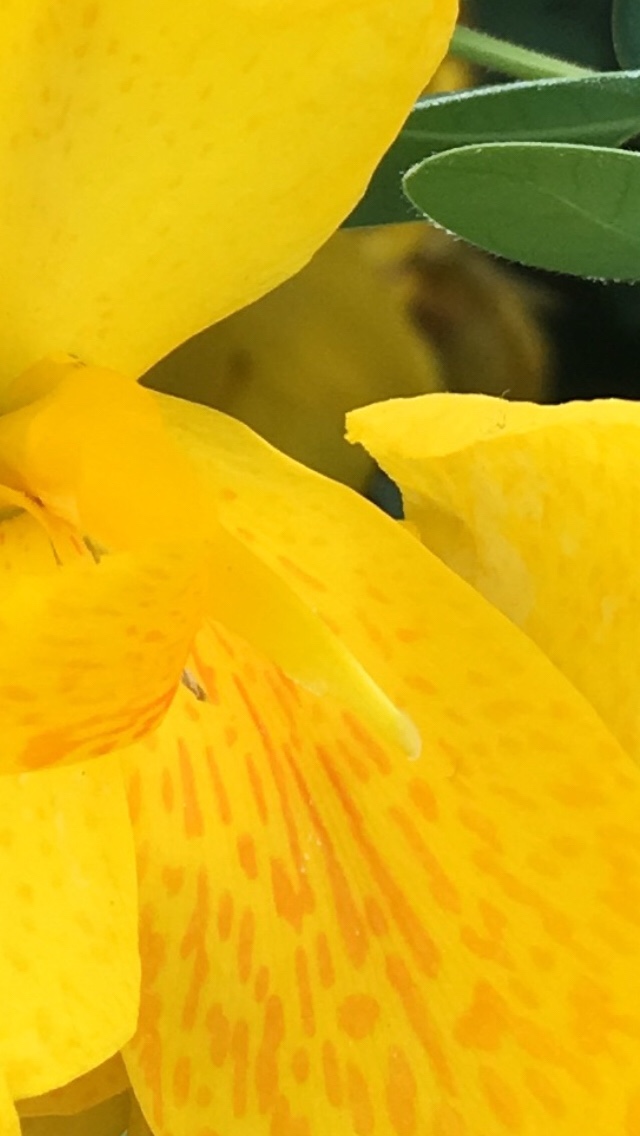
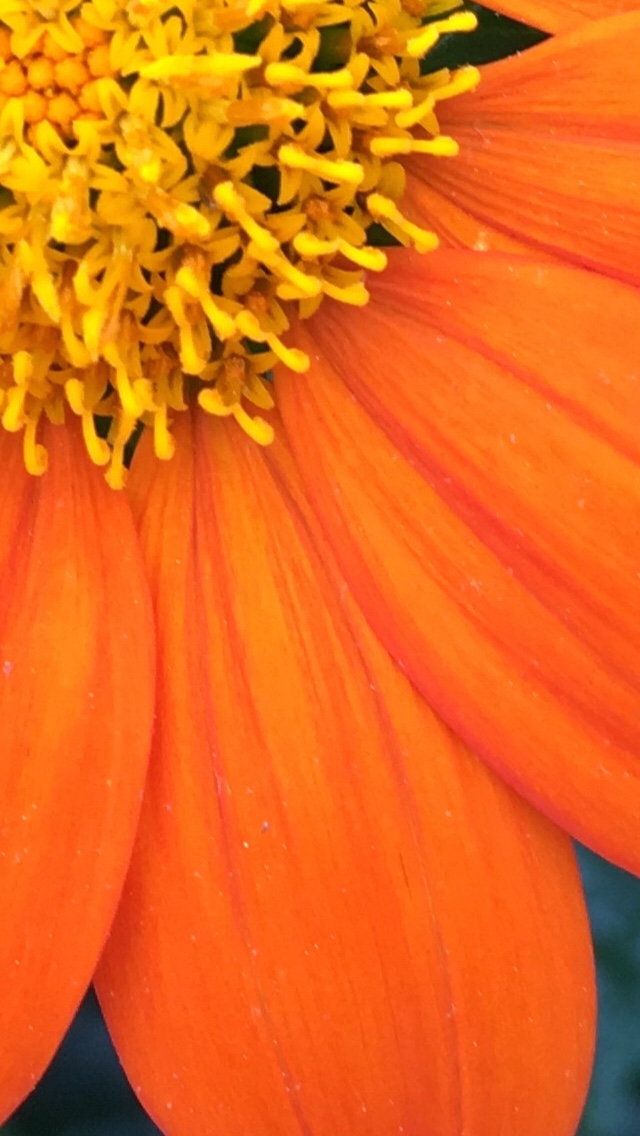
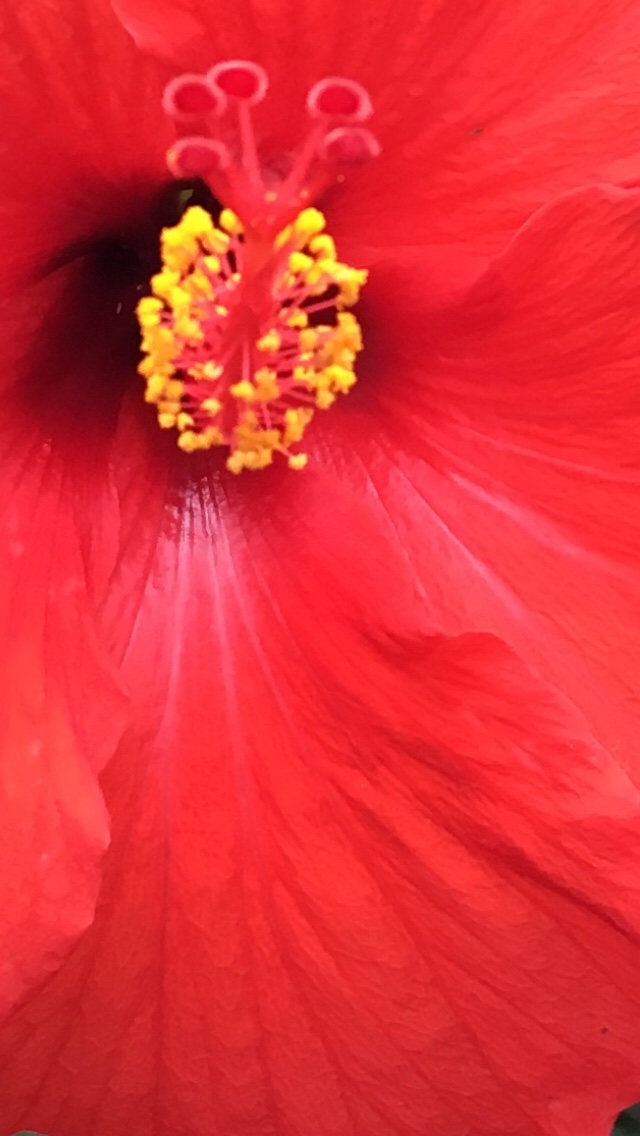
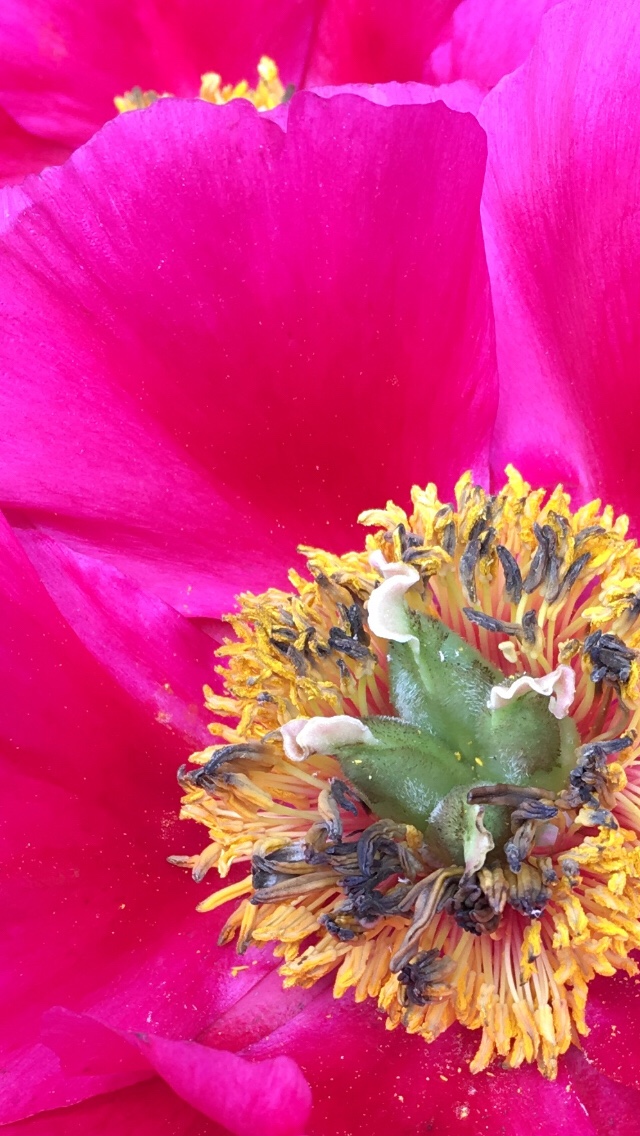
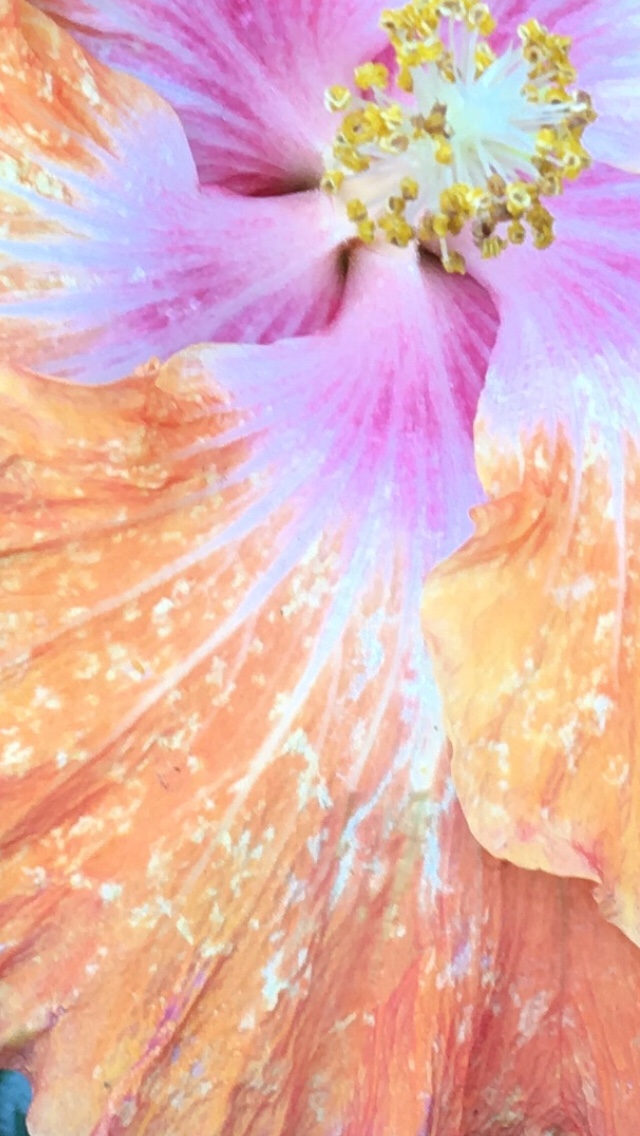
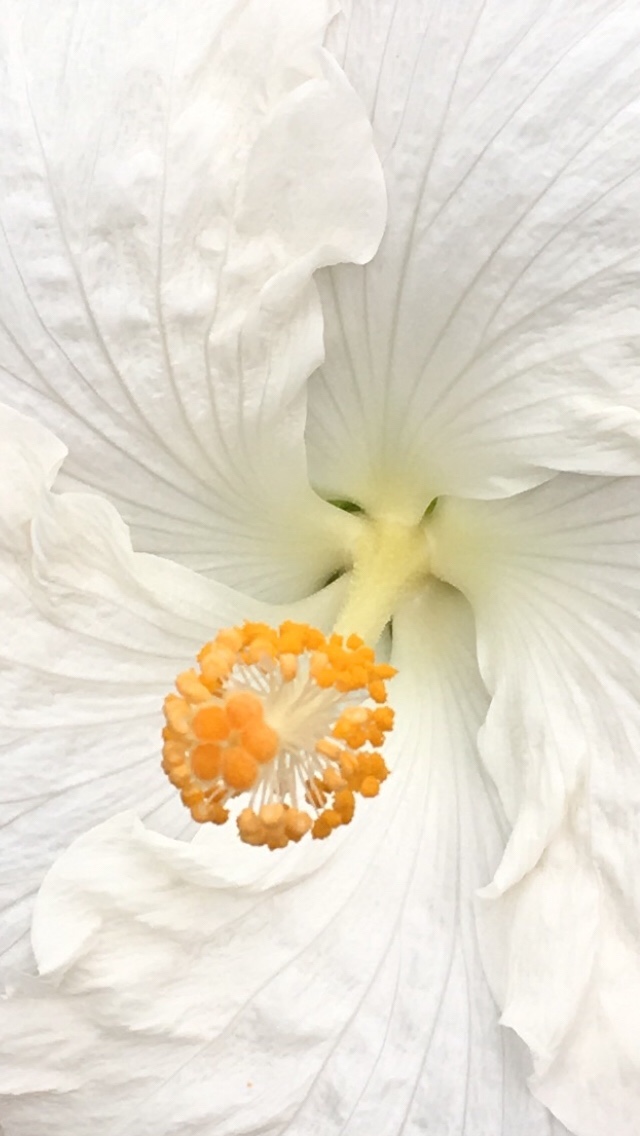
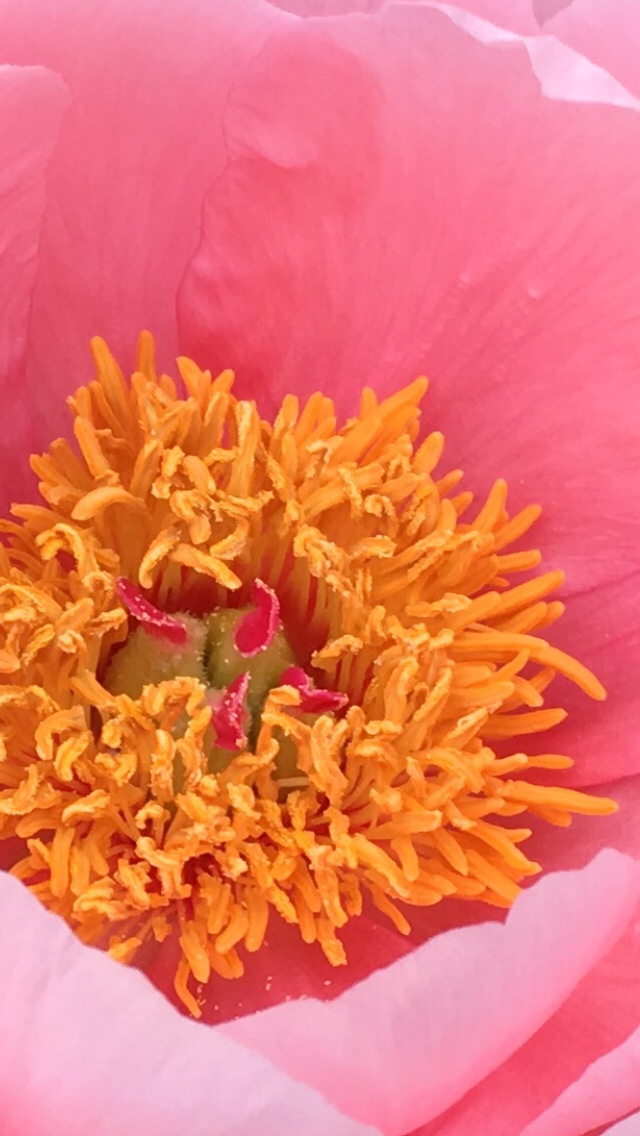
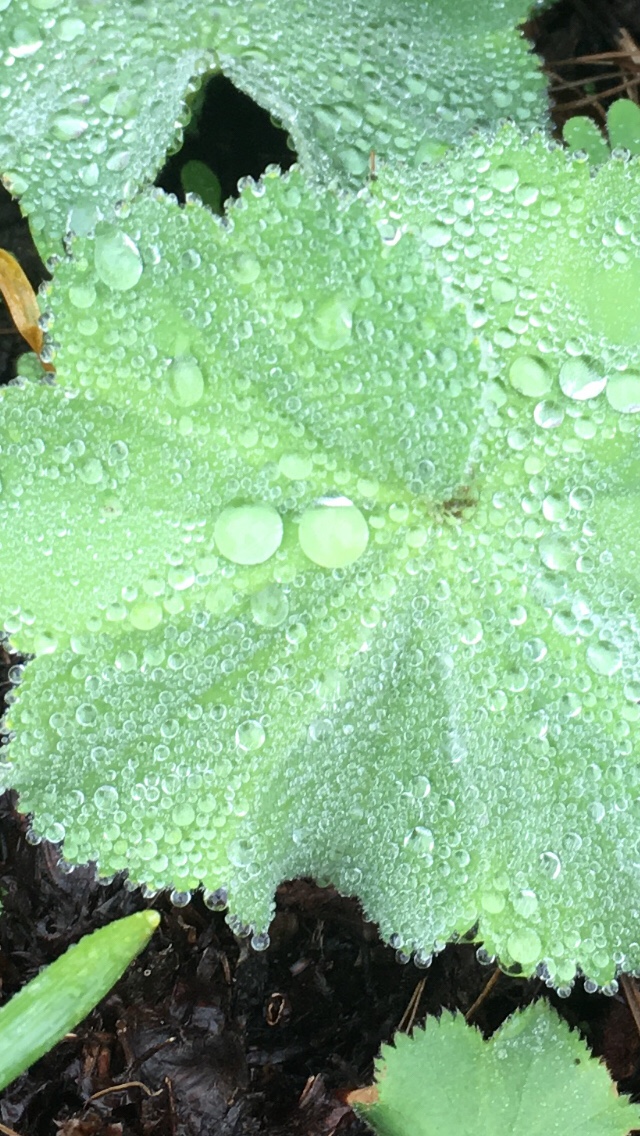
These are from my trip to New York City, we visited the New York Botanical Gardens, such gorgeous flowers! They currently have a Georgia O Keefe exhibition of her time in Hawaii. Here is my photographic homage to her!

Scientists Have Identified The Physical Source of Anxiety in The Brain

Scientists have discovered “anxiety neurons” in the hippocampus of mice. They fire when mice are in anxiety provoking environments. And they can be silenced with light, at which time mice don’t exhibit anxious behavior any longer, but explore environments that would normally have been very anxiety provoking. Also these same cells can be activated with another setting of light and when that happens the mice exhibit very anxious behavior even in safe environments. And as of mice, so of men! So, hopefully this will lead to better treatments for anxiety for us humans. I’d be totally willing to be their guinea pig for new therapies for anxiety! I’ve been dealing with sometimes debilitating anxiety for at least two years now. Waiting for new treatments, as are a lot of others, I’m sure. Godspeed researchers!

https://www.sciencealert.com/scientists-identified-control-switch-anxiety-brain-cells-neuron-disorder-anxiety

And they can control it with light.

PETER DOCKRILL

13 MAY 2018

We’re not wired to feel safe all the time, but maybe one day we could be.

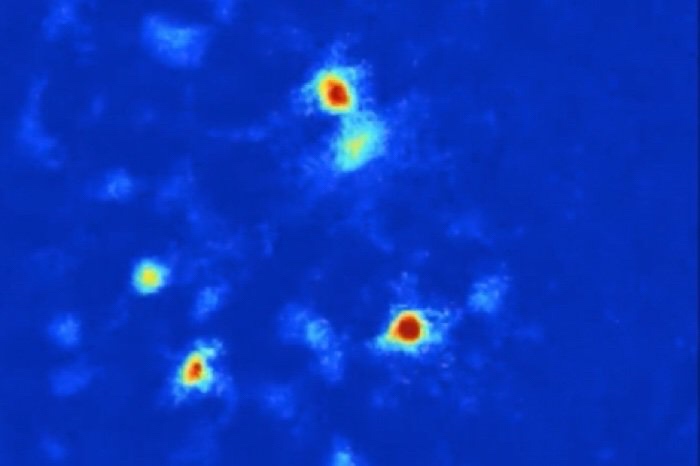
A recent study investigating the neurological basis of anxiety in the brain has identified ‘anxiety cells’ located in the hippocampus – which not only regulate anxious behaviour but can be controlled by a beam of light.

The findings, so far demonstrated in experiments with lab mice, could offer a ray of hope for the millions of people worldwide who experience anxiety disorders (including almost one in five adults in the US), by leading to new drugs that silence these anxiety-controlling neurons.

“We wanted to understand where the emotional information that goes into the feeling of anxiety is encoded within the brain,” says one of the researchers, neuroscientist Mazen Kheirbek from the University of California, San Francisco.

To find out, the team used a technique called calcium imaging, inserting miniature microscopes into the brains of lab mice to record the activity of cells in the hippocampus as the animals made their way around their enclosures.

Anxiety cells (Hen Lab/Columbia University)

These weren’t just any ordinary cages, either.

The team built special mazes where some paths led to open spaces and elevated platforms – exposed environments known to induce anxiety in mice, due to increased vulnerability to predators.

Away from the safety of walls, something went off in the mice’s heads – with the researchers observing cells in a part of the hippocampus called ventral CA1 (vCA1) firing up, and the more anxious the mice behaved, the greater the neuron activity became.

“We call these anxiety cells because they only fire when the animals are in places that are innately frightening to them,” explains senior researcher Rene Hen from Columbia University.

The output of these cells was traced to the hypothalamus, a region of the brain that – among other things – regulates the hormones that controls emotions.

Because this same regulation process operates in people, too – not just lab mice exposed to anxiety-inducing labyrinths – the researchers hypothesise that the anxiety neurons themselves could be a part of human biology, too.

“Now that we’ve found these cells in the hippocampus, it opens up new areas for exploring treatment ideas that we didn’t know existed before,” says one of the team, Jessica Jimenez from Columbia University’s Vagelos College of Physicians & Surgeons.

Even more exciting is that we’ve already figured out a way of controlling these anxiety cells – in mice at least – to the extent it actually changes the animals’ observable behaviour.

Using a technique called optogenetics to shine a beam of light onto the cells in the vCA1 region, the researchers were able to effectively silence the anxiety cells and prompt confident, anxiety-free activity in the mice.

“If we turn down this activity, will the animals become less anxious?” Kheirbek told NPR.

“What we found was that they did become less anxious. They actually tended to want to explore the open arms of the maze even more.”

This control switch didn’t just work one way.

By changing the light settings, the researchers were also able to enhance the activity of the anxiety cells, making the animals quiver even when safely ensconced in enclosed, walled surroundings – not that the team necessarily thinks vCA1 is the only brain region involved here.

“These cells are probably just one part of an extended circuit by which the animal learns about anxiety-related information,” Kheirbek told NPR, highlighting other neural cells justify additional study too.

In any case, the next steps will be to find out whether the same control switch is what regulates human anxiety – and based on what we know about the brain similarities with mice, it seems plausible.

If that pans out, these results could open a big new research lead into ways to treat various anxiety conditions.

And that’s something we should all be grateful for.

“We have a target,” Kheirbek explained to The Mercury News. “A very early way to think about new drugs.”

The findings were reported in Neuron.

https://www.sciencealert.com/scientists-identified-control-switch-anxiety-brain-cells-neuron-disorder-anxiety

It Can Be Done!

pansy

It Can Be Done!

What’s done is done.
What’s past is past.
Nothing to be done about it but learn from it.
And let it go.
Banish fear.
Live confidently, fearlessly, positively.
Be sure of your success in everything you do.
Live with positive thoughts and gratitude.
With confidence, make the present the best it can be.
Enjoy the moment and savor and relish it
Have confidence that you can do it.
Look to the future with hope.
With confidence that you will make it good.
And know you will handle what comes your way with love and grace.

With love and grace for my friends and family,

Samina.

Drinking baking soda could be an inexpensive, safe way to combat autoimmune disease

Very interesting, simply drinking baking soda (no dose was given) can decrease the inflammatory response and increase the anti inflammatory response in spleens of people and rats!

https://www.sciencedaily.com/releases/2018/04/180425093745.htm

Date:

April 25, 2018

Source:

Medical College of Georgia at Augusta University

Summary:

A daily dose of baking soda may help reduce the destructive inflammation of autoimmune diseases like rheumatoid arthritis, scientists say. They have some of the first evidence of how the cheap, over-the-counter antacid can encourage our spleen to promote instead an anti-inflammatory environment that could be therapeutic in the face of inflammatory disease, scientists report.

Share:

FULL STORY

Pictured is Dr. Paul O’Connor, renal physiologist in the lab at the Medical College of Georgia Department of Physiology at Augusta University.

Credit: Phil Jones, Senior Photographer, Augusta University

A daily dose of baking soda may help reduce the destructive inflammation of autoimmune diseases like rheumatoid arthritis, scientists say.

They have some of the first evidence of how the cheap, over-the-counter antacid can encourage our spleen to promote instead an anti-inflammatory environment that could be therapeutic in the face of inflammatory disease, Medical College of Georgia scientists report in the Journal of Immunology.

They have shown that when rats or healthy people drink a solution of baking soda, or sodium bicarbonate, it becomes a trigger for the stomach to make more acid to digest the next meal and for little-studied mesothelial cells sitting on the spleen to tell the fist-sized organ that there’s no need to mount a protective immune response.

“It’s most likely a hamburger not a bacterial infection,” is basically the message, says Dr. Paul O’Connor, renal physiologist in the MCG Department of Physiology at Augusta University and the study’s corresponding author.

Mesothelial cells line body cavities, like the one that contains our digestive tract, and they also cover the exterior of our organs to quite literally keep them from rubbing together. About a decade ago, it was found that these cells also provide another level of protection. They have little fingers, called microvilli, that sense the environment, and warn the organs they cover that there is an invader and an immune response is needed.

Drinking baking soda, the MCG scientists think, tells the spleen — which is part of the immune system, acts like a big blood filter and is where some white blood cells, like macrophages, are stored — to go easy on the immune response. “Certainly drinking bicarbonate affects the spleen and we think it’s through the mesothelial cells,” O’Connor says.

The conversation, which occurs with the help of the chemical messenger acetylcholine, appears to promote a landscape that shifts against inflammation, they report.

In the spleen, as well as the blood and kidneys, they found after drinking water with baking soda for two weeks, the population of immune cells called macrophages, shifted from primarily those that promote inflammation, called M1, to those that reduce it, called M2. Macrophages, perhaps best known for their ability to consume garbage in the body like debris from injured or dead cells, are early arrivers to a call for an immune response.

In the case of the lab animals, the problems were hypertension and chronic kidney disease, problems which got O’Connor’s lab thinking about baking soda.

One of the many functions of the kidneys is balancing important compounds like acid, potassium and sodium. With kidney disease, there is impaired kidney function and one of the resulting problems can be that the blood becomes too acidic, O’Connor says. Significant consequences can include increased risk of cardiovascular disease and osteoporosis.

“It sets the whole system up to fail basically,” O’Connor says. Clinical trials have shown that a daily dose of baking soda can not only reduce acidity but actually slow progression of the kidney disease, and it’s now a therapy offered to patients.

“We started thinking, how does baking soda slow progression of kidney disease?” O’Connor says.

That’s when the anti-inflammatory impact began to unfold as they saw reduced numbers of M1s and increased M2s in their kidney disease model after consuming the common compound.

When they looked at a rat model without actual kidney damage, they saw the same response. So the basic scientists worked with the investigators at MCG’s Georgia Prevention Institute to bring in healthy medical students who drank baking soda in a bottle of water and also had a similar response.

“The shift from inflammatory to an anti-inflammatory profile is happening everywhere,” O’Connor says. “We saw it in the kidneys, we saw it in the spleen, now we see it in the peripheral blood.”

The shifting landscape, he says, is likely due to increased conversion of some of the proinflammatory cells to anti-inflammatory ones coupled with actual production of more anti-inflammatory macrophages. The scientists also saw a shift in other immune cell types, like more regulatory T cells, which generally drive down the immune response and help keep the immune system from attacking our own tissues. That anti-inflammatory shift was sustained for at least four hours in humans and three days in rats.

The shift ties back to the mesothelial cells and their conversations with our spleen with the help of acetylcholine. Part of the new information about mesothelial cells is that they are neuron-like, but not neurons O’Connor is quick to clarify.

“We think the cholinergic (acetylcholine) signals that we know mediate this anti-inflammatory response aren’t coming directly from the vagal nerve innervating the spleen, but from the mesothelial cells that form these connections to the spleen,” O’Connor says.

In fact, when they cut the vagal nerve, a big cranial nerve that starts in the brain and reaches into the heart, lungs and gut to help control things like a constant heart rate and food digestion, it did not impact the mesothelial cells’ neuron-like behavior.

The affect, it appears, was more local because just touching the spleen did have an effect.

When they removed or even just moved the spleen, it broke the fragile mesothelial connections and the anti-inflammatory response was lost, O’Connor says. In fact, when they only slightly moved the spleen as might occur in surgery, the previously smooth covering of mesothelial cells became lumpier and changed colors.

“We think this helps explain the cholinergic (acetylcholine) anti-inflammatory response that people have been studying for a long time,” O’Connor says.

Studies are currently underway at other institutions that, much like vagal nerve stimulation for seizures, electrically stimulate the vagal nerve to tamp down the immune response in people with rheumatoid arthritis. While there is no known direct connection between the vagal nerve and the spleen — and O’Connor and his team looked again for one — the treatment also attenuates inflammation and disease severity in rheumatoid arthritis, researchers at the Feinstein Institute for Medical Research reported in 2016 in the journal Proceedings of the National Academy of Sciences.

O’Connor hopes drinking baking soda can one day produce similar results for people with autoimmune disease.

“You are not really turning anything off or on, you are just pushing it toward one side by giving an anti-inflammatory stimulus,” he says, in this case, away from harmful inflammation. “It’s potentially a really safe way to treat inflammatory disease.”

The spleen also got bigger with consuming baking soda, the scientists think because of the anti-inflammatory stimulus it produces. Infection also can increase spleen size and physicians often palpate the spleen when concerned about a big infection.

Other cells besides neurons are known to use the chemical communicator acetylcholine. Baking soda also interact with acidic ingredients like buttermilk and cocoa in cakes and other baked goods to help the batter expand and, along with heat from the oven, to rise. It can also help raise the pH in pools, is found in antacids and can help clean your teeth and tub.

The research was funded by the National Institutes of Health.

Scientists have developed a ‘mutant’ enzyme that eats plastic (!!!)

This is the best news I’ve heard as far as the environment goes, for a very long time! Maybe our oceans and Mother Earth have a chance after all!