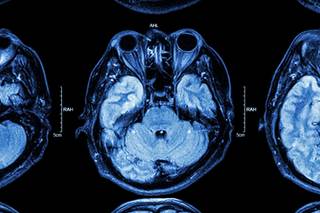
World Mental Health Day

October 10,2017

Today is World Mental Health Day, which means it’s a good day to talk about mental health, to learn about mental illnesses such as bipolar disorder (https://g.co/kgs/ZCbo9W), schizophrenia (https://g.co/kgs/ZVd3Zs), PTSD (https://g.co/kgs/WhJ24T), anxiety (https://g.co/kgs/4WtCKX), depression (https://g.co/kgs/Q7zdpZ), substance abuse (https://g.co/kgs/XSzrk1) and many others. It’s a good time to offer support and help to someone who is having a rough time. The change of seasons is a particularly difficult time for people with mental health issues. Of course psychiatrists and medication as well as therapy are key to getting the help people with mental illness need.

Just in case anyone needs help today or any other day, please go to the suicide prevention lifeline. Link below: https://suicidepreventionlifeline.org

Or call:

National Suicide Prevention Lifeline

1-800-273-8255

Just Flowers.

A dear friend said she loved my flowers, so I decided to do a post with just my flower pictures. I love flowers, they are so beautiful, delicate, ephemeral. The colors are gorgeous, some have a beautiful fragrance.

So, here are a few of my flower pictures. Hope you like them.

The Anatomy of a Neuron

A little video of what is a neuron, the predominant cell of the brain. Its anatomy, the structures that are present in it. This is where all the activity in the brain takes place, in s neuron and in between neurons through nerve impulses that go down axons or even dendrites. Also the spaces between neurons, known as synaptonemal junctions, is where neurotransmitter activity happens and neurotransmitters are secreted by one neuron and picked up by others.

Pretty important cell for neural activity in healthy as well as brains with mental illness. Thought you might like to meet a neuron.

https://www.technologynetworks.com/tn/videos/the-anatomy-of-a-neuron-291651

Birth of a New Brain!

So proud of my friend Dyane Haywood (https://proudlybipolar.wordpress.com) for writing her book called “Birth of a New Brain”. All the ordering information is below. This is an amazing memoir of developing bipolar disorder after the birth of her daughter, Dyane is helping bring into mainstream consciousness that such a thing as peripartum/postpartum bipolar disorder exists. I will be getting my book on October 10. I am so excited, can’t wait to read it!

Massive Congratulations, Dyane! With love and hugs.

https://www.amazon.com/Birth-New-Brain-Postpartum-Disorder/dp/1618688014/ref=sr_1_1?s=books&ie=UTF8&qid=1497046625&sr=1-1&keywords=Dyane+Harwood

Description

Product description

When a new mother becomes manic overnight from a rare form of bipolar disorder, she stops at nothing to find the mental stability she needs to stay alive.

After the birth of her baby triggers a manic maelstrom, Dyane Harwood struggles to survive the bewildering highs and crippling lows of her brain’s turmoil. Birth of a New Brain vividly depicts her postpartum bipolar disorder, an unusual type of bipolar disorder and postpartum mood and anxiety disorder.

During her childhood, Harwood grew up close to her father, a brilliant violinist in the Los Angeles Philharmonic who had bipolar disorder. She learned how bipolar disorder could ravage a family, but she never suspected that she’d become mentally ill—until her baby was born.

Harwood wondered if mental health would always be out of her reach. From medications to electroconvulsive therapy, from “redwood forest baths” to bibliotherapy, she explored both traditional and unconventional methods of recovery—in-between harrowing psychiatric hospitalizations.

Harwood reveals how she ultimately achieved a stable mood. She discovered that despite having a chronic mood disorder, a new, richer life is possible. Birth of a New Brain is the chronicle of one mother’s perseverance, offering hope and grounded advice for those battling mental illness.

Review

“Dyane Harwood’s  Birth of a New Brain is a gripping account of the awful juxtaposition of childbirth and the onset of bipolar illness. Her book is an informative and important contribution to our understanding of this triggering of mental illness that happens more often than is generally recognized.” (Kay Redfield Jamison, author of “An Unquiet Mind” and “Robert Lowell, Setting the River on Fire”)

“With candid, explicit depictions of her compelling journey through postpartum bipolar disorder, Dyane skillfully brings the painful honesty necessary for growth in our field, as well as hope to those suffering.  Birth of a New Brain is a rare resource that will benefit practitioners, their patients, and the public at large.” (Shoshana S. Bennett Ph.D. Author, “Beyond the Blues: Understanding and Treating Prenatal and Postpartum Depression” & “Anxiety, Postpartum for Dummies, Clinical Psychologist for Perinatal Disorders”)

“Dyane Harwood’s new book  Birth of a New Brain is a phenomenal gift to the mental illness community, especially for postpartum sufferers. Dyane’s clever weave of gut-wrenching honesty entwined with intricate storytelling illuminates an under-profiled mental illness.  Birth of a New Brain is an important addition to the world’s mood disorder literature, and it will help those with perinatal and bipolar disorders of all kinds. Delve into Dyane’s incredible story, one that untangles the baffling and under-reported illness of postpartum bipolar-disorder. Prepare to be moved. You won’t regret it.” (Wendy K. Williamson, Author, “I’m Not Crazy Just Bipolar” and “Two Bipolar Chicks Guide to Survival: Tips for Living with Bipolar Disorder”)

“Bipolar illness is serious and widely misunderstood. When it emerges in the postpartum period, women and medical professionals are often blindsided due to the current lack of awareness.  Birth of a New Brain is a brave and deeply personal account of how bipolar illness can impact a new mother. Her honest reveal of startling references such as mania, ECT, hospital wards, suicide and “tsunami obsessions” creates heartfelt transparency and highlights its stigma-busting potential. Postpartum women in distress will relate to Dyane Harwood’s genuineness and be greateful for this book.” (Karen Kleiman, MSW, LCSW, Author, “The Art of Holding: An Essential Intervention for Postpartum Depression and Anxiety,” Founder, The Postpartum Stress Center)

“This is a story of when love alone can and cannot heal in bipolar disorder. It is a story of mental illness seen through the eyes of a daughter, a wife, and a mother.  Birth of a New Brain was a privilege to read.” (Dr. Greg de Moore, Author of Finding Sanity: John Cade, Lithium, and the Taming of Bipolar Disorder, Associate Professor of Psychiatry, Westmead Hospital, Australia)

“With artful prose and brutal honesty, Dyane Harwood depicts her struggle to have a stable, peaceful life as a wife and mother amidst the turmoil brought on by postpartum bipolar disorder in  Birth of a New Brain. Despite many false starts, missteps, and even cruel and indifferent treatment at the hands of certain medical professionals she encountered, Harwood soldiered on and finally arrived at her own truth. The answers, for the most part, were inside her all along, and consisted of self-care habits, including healthy eating, sufficient sleep, and consistent exercise. Thoroughly researched with a wealth of resources for mothers and families,  Birth of a New Brain is an invaluable resource and reference point for mothers grappling with shifts in mood after the birth of their children.” (Matt Samet, Author, Death Grip: A Climber’s Escape from Benzo Madness, Editor, Climbing Magazine)

“Dyane Harwood’s book  Birth of a New Brain is very timely. As the different lines of evidence are converging on a balanced and holistic approach in treating mood disorders, Dyane successfully weaves the latest research with personal insight to produce a very impactful roadmap for others towards recovery.” (Mohammad Alsuwaidan, MD, MPH, FRCPC, Dip ABPN Assistant Professor of Psychiatry, Kuwait University & University of Toronto, Head of Mental Health Unit, Mubarak Al-Kabeer Hospital, Board of Councilors, International Society for Bipolar Disorders)

Birth of a New Brain is a candid portrayal of Dyane Harwood’s lived experience of pospatrum bipolar disorder. In my 25 years of practice as a perinatal psychiatrist, I have not come across a book that left me so informed, moved and inspired. The mental health field owes her a debt of gratitude for all she has done to highlight the triggering role of childbirth in bipolar disorder. This is a must-read for mental health practitioners as well as sufferers of bipolar disorder.” (Dr. Verinder Sharma, Professor of Psychiatry and Obstetrics & Gynecology, Western University, London, Ontario, Canada)

Birth of a New Brain is essential reading not only for mental health care professionals, but for anyone who is suffering or knows someone who has been affected by bipolar disorder or a perinatal mood disorder. I admire Dyane for not only sharing her courageous journey, but also educating us about a subject that is not nearly discussed enough.” (Lindsay Gerszt, Executive Producer of “When the Bough Breaks”)

“With  Birth of a New Brain, Dyane Harwood adds to the body of work on perinatal mood disorders by providing a thorough, moving account of her journey toward mental wellness after postpartum bipolar mania. Like many other women, because Harwood had no prior diagnosis of bipolar disorder and nobody caught the red flags in her mental history, she was unaware she risked a mental health crisis postpartum.

We often associate bipolar disorder (pre-existing or postpartum onset/diagnosis) with postpartum psychosis may have an underlying bipolar disorder, not all of those with bipolar have psychosis, and not all those with psychosis have bipolar.” (Teresa Twomey, JD, Author of Understanding Postpartum Psychosis: A Temporary Madness, Postpartum Support International State Coordinator, CT, and TEDxBushnell Park Presenter “What is Postpartum Psychosis?”)

Birth of New Brain is a beautiful portrayal of Dyane Harwood’s excruciating journey with bipolar disorder. Her honesty and courage in sharing her experience is impressive and commendable. Our field needs this book. It is edifying and inspiring. Birth of a New Brain is a must-read for psychiatric providers and individuals suffering with mood disorders. Dyane’s account of her illness is a brave step toward our society embracing that individuals with psychiatric illness deserve and should receive casseroles, cards, and flowers, similar to patients with any other medical illness.” (Dr. Nancy Byatt, D.O., M.S., M.B.A., F.A.P.M. Medical Director, MCPAP for Moms, Associate Professor of Psychiatry and Obstetrics & Gynecology UMass Memorial Medical Center/UMass Medical School)

Birth of a New Brian by Dyane Harwood is a trailblazing story of hope and recovery. Dyane’s depiction of postpartum bipolar disorder and treatment-resistant bipolar depression will encourage readers who have any form of bipolar disorder to persevere to find effective treatment.” (Susan Berger, Chairwoman, International Bipolar Foundation)

“Dyane Harwood’s writing eloquently brings to life the complex interaction between the person, her world and the changes in how she perceives it wrought by the onset of mania following childbirth. She unpicks the conflict faced by all of us who experience chronic mood problems—between the pressure to follow sometimes uncertain ‘medical advice’ uncritically and the need to retain some sense of self-agency, because with that comes hope of being able to lead the kind of lives we want to live. She rightly challenges the doctors who project their own failings onto the ‘problem patient.’ Indeed, she highlights the importance for all of us of finding a doctor in whose expertise one can invest respect and trust. We are all so much more than our ‘illness’ but can find that goal hard to achieve. Dyane Harwood’s extraordinary book shows us how to do it.” (Dr. Linda Gask, Author, The Other Side of Silence: A Psychiatrist’s Memoir of Depression, Emerita Professor of Primary Care Psychiatry at the University of Manchester)

“Dyane’s journey through mental illness has taken an astonishing amount of twists and turns, and in  Birth of a New Brain, she generously and courageously shares her experience so that others may learn from it.  Birth of a New Brain is an invaluable and hopeful guide for anyone confronting mental illness so they can get the help they need and deserve, from professionals and family, without shame.” (Mark Lukach, Author, My Lovely Wife in the Psych Ward)

“There is a distinct need for Dyane Harwood’s book  Birth of a New Brain. Although Dyane had a specific trigger for her bipolar disorder, peripartum onset after the birth of her second daughter, her story applies to anyone who has been affected by depression, mania and anxiety, either first hand or through caring about someone who lives with a mood disorder. Dyane’s perseverance in finding treatments and strategies to regain stability will offer hope to those on the same journey, whether they’re at the very beginning or somewhere along the way.”  (Joanne M. Doan, Publisher of bp Magazine | hope and harmony for people with bipolar)

“In  Birth of a New Brian, Dyane Harwood gives voice to countless women who’ve suffered postpartum bipolar disorder. As a therapist specializing in bipolar disorder, I’ve seen how this condition can be misdiagnosed and mistreated, especially in the prenatal and postpartum phases. Dyane’s passionate story of missed opportunities to correctly identify and treat her mood swings shows us how new mothers can fall through the cracks of a sometimes chaotic mental health system. But her relentless pursuit of the truth behind her anguish gives us hope. Through all the confusion, doubt and despair, she never gives up. Postpartum bipolar disorder is real! And Dyane is an inspiring example of how to thrive far beyond it.” (Michael G. Pipich, M.S., LMFT, Therapist, Author, National Speaker on Bipolar Disorder)

Birth of a New Brain is an important contribution to our understanding of postpartum bipolar disorder. New moms are often unaware that this condition manifests in the complicated ways Dyane Harwood brings to life with her vivid, compelling prose, and even seasoned clinicians can miss the signs of postpartum hypomania or mania. Dyane brings wit and wisdom to what I think will be very helpful to her peers who experience postpartum bipolar disorder, their loved ones and new families, and the doctors who treat them. In fact, what Dyane so generously shares within  Birth of a New Brain may well prevent some of the pain and danger that she unfortunately had to experience.” (Allen Doederlein, President, Depression and Bipolar Support Alliance (DBSA))

“Dyane Harwood gives voice to the enormours pain and suffering associated with severe postpartum mental illness. In sharing her story of postpartum mania, she poignantly describes the association between bipolar disorder and the exacerbation of symptoms triggered by childbirth.  Birth of a New Brain is an important book that should be required reading by all who provide care to perinatal women.” (Dr. Samantha Meltzer-Brody, MPH, Director, Perinatal Psychiatry Program Director, University of North Carolina Center for Women’s Mood Disorders)

“Dyane Harwood has changed the landscape in our ability to reach out to families and prevent crises related to perinatal bipolar disorder. In  Birth of a New Brain, Dyane movingly illustrates that the experience of living through the extreme symptoms of bipolar disorders without help is lonely and frightening. Dyane has accomplished a wonderful goal; she not only provides solid information about bipolar mood disorder symptoms, risks, and distress, but also uses her authentic voice to illustrate hope, healing, and stability. Women and families who read this book will come away feeling like they just made a trustworthy friend, one they can rely on for honesty, wisdom, up-to-date facts, and a model of recovery. The book will make a world of difference in the provider’s ability to understand risk factors, assess, and support women living with perinatal bipolar mood disorder symptoms, and it will also empower parents to ask the right questions and improve their ability to take healthy steps on the road to recovery.” (Wendy N. Davis, PhD, Executive Director, Postpartum Support International)

“In Birth of a New Brain, author and advocate Dyane Harwood provides the reader with an intimate look at her journey with postpartum bipolar disorder. This book will be a blessing for anyone who has received a diagnosis of bipolar disorder and wishes they had a best friend to “show them the ropes.” Dyane bares her soul and spares no details whether it’s describing the effects of the myriad of medications she was prescribed or the moment she found herself pleading for electroconvulsive therapy (ECT) due to suicidal thoughts. Ultimately, this is a book about hope, courage, and perseverance. I have long admired Dyane as a fellow advocate; after reading this book, I have enormous respect for her as a warrior in the fight against stigma.”  (Caroline Whiddon, Co-Founder & Executive Director, Me2/Orchestra, Inc., Music for Mental Health)

About the Author

Dyane Harwood holds a B.A. in English and American Literature from the University of California at Santa Cruz. A freelance writer for two decades, she has interviewed bestselling authors including Dr. Kay Redfield Jamison, Anthony Bourdain, and SARK. In 2007, Harwood was diagnosed with postpartum bipolar disorder (bipolar, peripartum onset).

Harwood has been profiled in The Huffington Post about her postpartum mental health advocacy. PsychCentral honored Harwood as a Mental Health Hero, and the International Bipolar Foundation featured her as a “Story of Hope and Recovery.” Harwood has written about postpartum bipolar disorder for The Mighty, Anchor Magazine, Postpartum Support International, Postpartum Progress, and the Stigma Fighters Anthology. She founded a chapter of the Depression and Bipolar Support Alliance (DBSA) and facilitated free support groups for women for nine years. Harwood lives in Ben Lomond, California, with her two daughters, husband, and Scotch collie.

Dr. Carol Henshaw was a Senior Lecturer in Psychiatry at the University of Keele, UK, a consultant psychiatrist at the Cheshire and Wirral Partnership NHS Trust and Liverpool Women’s NHS Foundation Trust, and an Honorary Senior Lecturer at the University of Liverpool. She has served on the Executive Committee of the Royal College of Psychiatrists’ Perinatal Section. Dr. Henshaw is a former president of the International Marcé Society for Perinatal Mental Health, a scientific society devoted to mental illness related to childbearing. She has published numerous articles on perinatal depression. Dr. Henshaw is the co-author of The Modern Management of Perinatal Psychiatry, Perinatal Mental Health: The Edinburgh Postnatal Depression Scale (EPDS) Manual, and Screening for Perinatal Depression.

Bad/Good

Feeling terrible. Woke up with a cortisol hangover. My son is moving into fear again, some crazy story about a woman being hogtied behind his building that a neighbor told him of course has his fight or flight activated. So that’s where my anxiety is coming from 😥

Also I’m wondering if my mood State is fluctuating, or acting up, it always happens during the change of seasons. Mania or mixed phase in the fall, depression in the spring. Tired. Very tired.

Just got a phone call as I was typing this, and I had a very pleasant conversation with a lady from United Airlines about a pretty big refund that seemed to have disappeared. We figured it out, it left me feeling airier and better! Interactions with people can have you feeling bad but then interactions with people can leave you feeling good as well.

Worries… Wish me luck my friends.

Having trouble, friends! My sweet, fallen brother’s birthday, the mass shooting, and the very worst for me: awful worries about my son, perhaps not warranted but still in my solar plexus and in my heart. Full of worries about my son. He was attacked by a gang a few months ago. Even though he is as strong as an ox and healthy, thank goodness and all that is good and hopeful on this earth and in this universe, he is still living with the after effects of the attack 😥 Will he be alright? Will his life be good? Will he be loved and healthy and happy? Yes, yes, and yes I insistently tell myself!

And then I read this is not the worst mass shooting in modern history, that was in Black Wall Street, where 100’s of African Americans were killed for being too prosperous. The Native Americans were given blankets with smallpox. No gun control, can’t even talk about it, not even on the day of the Las Vegas shooting! I’m so tired of all this. I can not deal with it. Too much violence. Too much inequality, injustice, just plain disgustedness. I am sad and disappointed and heart broken because of these and so many other things. Please, I’m drowning!

I don’t know what to do to stop all this awful stuff from happening.

It’s just too much for me. I feel like I’m drowning in the negativity of these heinous events. That there’s no hope for humankind. How can we do all these terrible things, treat our fellow human beings in terrible ways? Is there any hope? The racist, white supremacist, anti feminist ultra conservative path that the US and much of the world are taking is pretty unintelligible and abhorrent to a person like me who is a humanist, a feminist, and someone who believes, truly believes that love is the answer.

But it seems like either no one is asking any questions or they are asking the wrong questions, because no one is getting LOVE as the answer. They are getting hate, and divisiveness, and fear, and anger. And all these negative emotions are making me feel very afraid. I don’t like this world we live in. I don’t like our gun toting, bigoted, racist, classist, anti feminist society. And the more I read and see the more hopeless and afraid I become.

Maybe I just need to unplug from media, social and otherwise. I think I will only read scientific articles from now on or articles about meditation, yoga, good positive things. No more politics, no more mass killings, absolutely no more 45. That’s it I’m done. I don’t want to live in fear anymore. The world will just have to go on without me, it will anyway. I will try to make my immediate surroundings full of love and acceptance, in fact I won’t just try, I will do it! I will give love and acceptance to all my loved ones. I will be the change I want to see in the world. Then I will have peace and give peace and love to one and all I encounter.

So Namaste friends and may Peace and Love be with you. And wish me luck in my absolutely heartfelt quest to live a loving, peaceful and positive life.

Shamanism

Interesting! Helping spirits, light, Source, sounds lovely! Nature based, intuition, and again, Love! Sounds like a fairytale to me though, love the positive thinking and actions.

Depression is a physical illness which could be treated with anti-inflammatory drugs, scientists suggest

Now this is huge! It’s also my pet theory that mental illness is caused by the immune system! Depression, a physical illness, caused by a faulty immune system, treatable by anti inflammatory drugs! Scientists think that an overactive immune system increasing inflammation could actually cause depression! There lots of evidence that increasing inflammation can bring on depressive symptoms and using anti inflammatory medication can reduce symptoms of depression. Depression is common in people who have Rheumatoid arthritis, which is an autoimmune disease.

“One promising treatment for depression on the horizon is the use of electrical stimulation to change the signals between the brain and the immune system.”

Please read on, this is incredible.

http://www.telegraph.co.uk/science/2017/09/08/depression-physical-illness-could-treated-anti-inflammatory/

Telegraph Science

Depression is a physical illness which could be treated with anti-inflammatory drugs, scientists suggest

A new study suggests depression is the immune system failing to switch off  CREDIT:  INCAMERASTOCK / ALAMY STOCK PHOTO

Sarah Knapton, science editor

8 SEPTEMBER 2017 • 10:00PM

Depression could be treated using anti-inflammatory drugs, scientists now believe, after determining that it is a physical illness caused by a faulty immune system.

Around one in 13 people in Britain suffers from anxiety or depression and last year the NHS issued 64.7 million prescriptions for antidepressants, double the amount given out a decade ago.

Current treatment is largely centred around restoring mood-boosting chemicals in the brain, such as serotonin, but experts now think an overactive immune system triggers inflammation throughout the entire body, sparking feelings of hopelessness, unhappiness and fatigue.

It may be a symptom of the immune system failing to switch off after a trauma or illness, and is a similar to the low mood people often experience when they are fighting a virus, like flu.

A raft of recent papers, and unexpected results from clinical trials, have shown that treating inflammation seems to alleviate depression.

Likewise when doctors give drugs to boost the immune system to fight illness it is often accompanied by depressive mood – in the same way as how many people feel down after a vaccination.

Professor Ed Bullmore, Head of the Department of Psychiatry at the University of Cambridge, believes a new field of ‘immuno-neurology’ is on the horizon.

“It’s pretty clear that inflammation can cause depression,” he told a briefing in London to coincide with this week’s Academy of Medical Sciences FORUM annual lecture which has brought together government the NHS and academics to discuss the issue.

“In relation to mood, beyond reasonable doubt, there is a very robust association between inflammation and depressive symptoms.  We give people a vaccination and they will become depressed. Vaccine clinics could always predict it, but they could never explain it.

“The question is does the inflammation drive the depression or vice versa or is it just a coincidence?

“In experimental medicine studies if you treat a healthy individual with an inflammatory drug, like interferon, a substantial percentage of those people will become depressed. So we think there is good enough evidence for a causal effect.”

Advice | Natural ways to reduce inflammation

Dr Kelly Brogan, author of A Mind of Your Own points to lifestyle changes with a natural anti-inflammatory effect that can help improve your mood:

Exercise — Depression can result from chronic ongoing stress and exercise acts like a biological insurance plan against the bodily effects of stress. 20 minutes, three times a week or more of anything that gets you sweaty is all that’s needed.

Diet — Eliminate processed foods, especially sugar and refined carbohydrates which may increase inflammation in the body. Eat plenty of natural foods including fruits and vegetables, pastured animal products and eggs and wild fish.

Meditate — Meditation stimulates the expression of genes that are powerfully anti-inflammatory. Just ten minutes a day of mindfulness, deep breathing or gratitude journaling can help mood.

Show more

Scientists at Cambridge and the Wellcome Trust are hoping to begin trials next year to test whether anti-inflammatory drugs could switch off depression.

“There is evidence to suggest it should work,” added Prof Bullmore.

The immune system triggers an inflammatory response when it feels it is under threat, sparking wide-ranging changes in the body such as increasing red blood cells, in anticipation that it may need to heal a wound soon.

Scientists believe that associated depression may have brought an evolutionary benefit to our ancestors. If an ill or wounded tribal member became depressed and withdrawn it would prevent a disease being passed on.

However a link has taken so long to establish because until recently scientists believed the brain was entirely cut off from the immune system, trapped behind a ‘Berlin Wall’ known as the blood brain barrier.

But recent studies have shown that nerve cells in the brain are linked to immune function and one can have an impact on the other. Around 60 per cent of people referred to cardiologists with chest pain do not have a heart problem but are suffering from anxiety.

Figures also show that around 30 per cent of people suffering from inflammatory diseases such as rheumatoid arthritis are depressed – more than four times higher than the normal population.

Likewise people who are depressed after a heart attack are much more likely to suffer a second one, while the lifespan for people with cancer is hugely reduced for people with mental illness.

“You can’t separate the mind from the body,” said Prof Sir Robert Lechler, President of the Academy of Medical Sciences.

“The immune system does produce behaviour. You’re not just a little bit miserable if you’ve got a long term condition, there is a real mechanistic connection between the mind, the nervous system and the immune system.

“Our model of healthcare is outdated. We have a separation. Mental healthcare is delivered by mental health professionals, psychiatrists, mental health nurses and so on, often in separate premises from where physical health care is delivered and that is simply wrong and we need to find ways to ever more closely integrate and train amphibious healthcare professionals who can straddle this divide.”

Research has also shown that people who have suffered severe emotional trauma in their past have inflammatory markers in their body, suggesting their immune system is constantly firing, as if always on guard against abuse.

Dr Alan Carson, Reader in Neuropsychiatry, at the University of Edinburgh, said: “All psychiatric and neurological disorders are based in brain and brain is not static but structurally and functionally responsive to a range of biological, psychological and social issues.

“Yet institutionally we use an outmoded code which separates brain disorders into psychiatric ‘f’ codes and neurological ‘g’ codes which holds back both scientific and clinical progress.”

Stephen Buckley, Head of Information at mental health charity Mind, said more research was vital to pick apart the various causes of depression and find new treatments.

“We must acknowledge a wide range of potential causes and treatments,”  he said. “For many people, long term physical illness can cause mental health problems, such as depression. This could be because of the impact of living with the illness, the pain and discomfort or side effects of medication, among many other reasons.

“We also need to look at people’s broader experiences, their lives and other challenges they face – such as a lack of access to services, experience of abuse or trauma, poor housing and exclusion, to ensure everyone with a mental health problem gets the support they need.”

One promising treatment for depression on the horizon is the use of electrical stimulation to change the signals between the brain and the immune system.

Prof Kevin Tracey, President and CEO, of the US Feinstein Institute for Medical Research, discovered that the brain controls production of a deadly inflammatory chemical called TNF, which if released in high doses can be fatal, causing people to, literally, die of shock.

He has recently developed a electrical device which reproduces the connection and switches off the chemical. Three quarters of patients with rheumatoid arthritis recovered following trials.

“This is the tip of the iceberg of a new field called bio-electric medicine,” he said.

“This is a new way of thinking about medicine. We’re using electrons to replace drugs. This will not replace all drugs. But there will be many drugs that are either too expensive, too toxic which may be replaced by these devices.”

Top 55 Ways to Increase Myelin Naturally (and surprising facts)

In my last post about child abuse (https://bipolar1blog.com/2017/09/26/child-abuse-can-impair-brain-wiring/) I reported that there was decreased myelination in parts of the brain and I wondered if you could do something to increase it. Well there ways to increase myelination of your neurons. Below the link to the articles is an excerpt from the article which lists some of those ways. Very excited that one of them is Lithium!

https://selfhacked.com/blog/myelin/

Oligodendrocytes vs Schwann Cells

Oligodendrocytes and Schwann cells are types of cells that produce myelin.

Schwann cells produce myelin in the body (outside the brain), while oligodendrocytes are found solely in the brain.

Oligodendrocytes are responsible for the formation of new myelin in both the injured and normal adult brains.

Lifestyle to Increase Myelin

1) Sleep (brain)

Sleep increases the amount of oligodendrocyte precursor cells (OPCs) in the body, which in turn increase myelin formation.

Sleep is associated with higher expression of genes coding for myelination (R).

Researchers found that the production rate of the myelin making cells (oligodendrocytes), doubled as mice slept (R).

The increase was most marked during the type of sleep that is associated with dreaming (REM sleep) (R).

In contrast, the genes involved in cell death and stress responses were turned on when the mice were forced to stay awake (R).

2) Ketosis (brain)

Ketones (3-hydroxybutyrate) may help support myelin growth by being a source of energy and also a fuel for lipids (R).

The ketogenic diet can improve myelination by compensating for a deficiency in a certain enzyme (AGC1, which helps make N-acetylaspartate  in oligodendrocyte).  This was tested an individual deficient in this enzyme (R).

Ketones work as precursors for fat synthesis in a developing brain, especially phosphatidylcholine and cholesterol in neurons and myelin cells (oligodendrocytes)  (R).

There is a preferential utilization of ketones for the synthesis of myelin cholesterol (R).

High cholesterol in the brain is essential for myelin membrane growth (R).

Oligodendrocytes also use lactate in part to produce membrane lipids presumably for myelin (RR).

3) Exercise (brain)

Exercise can increase myelin after an injury (R) and also increase it in a mouse model of Alzheimer’s (R).

Exercise can also increase mitochondrial function, which increases myelin when consuming a high-fat diet (R).

4) Socializing and New Experiences (brain)

Stress during late pregnancy causes increased myelination in the offspring of rats (R).

The number of myelin-forming oligodendrocytes increases 27–33% in the visual cortex of rats raised in environments that are enriched by additional play objects and social interaction (R).

Enriched environments increase the number of myelinated axons in the corpus callosum of monkeys and rats (R).

Early experience increases white matter structure in human infants (internal capsule and frontal lobes) in parallel with improved performance in behavioral tests (R).

Children suffering severe childhood neglect have a 17% reduction in the corpus callosum area (R).

5) Learning an Instrument and Complex Skills

Learning complex skills, such as playing the piano, are accompanied by increased white matter in brain areas involved in musical performance (R).

White matter increased proportionately to the number of hours each subject had practiced the instrument, indicating white matter increases when acquiring certain skills (R).

Nutrition to Increase Myelin

1) Fish/DHA (brain)

DHA is deposited within the cerebral cortex at an accelerated rate during the last trimester of pregnancy and during the first two years after birth (R).

This early accelerated rate of DHA deposition coincides with the onset of myelination, a process that is sensitive to DHA accumulation and stores  (RR).

A reduction of DHA in the diet negatively affects DHA concentrations within the brain (RRR). Animal models provide solid evidence that the consequences of dietary DHA deficiency are a high

Animal models provide solid evidence that the consequences of dietary DHA deficiency are a high omega-6 to omega-3 ratio in brain fatty acid composition and deficiencies in learning and memory (RR)

This is possibly due, in part, to negative impacts on neurite outgrowth and myelination (R).

2) Vitamin D (brain, body)

Studies show that vitamin D3 induced a functional recovery and increased myelination in a rat model of facial nerve injury (R).

The vitamin D receptor can increase the production of oligodendrocytes (R).

3) Vitamin C (body)

Vitamin C helps with myelin formation (R).

Vitamin C, also known as ascorbate, is important as a co-factor in several enzyme reactions. Ascorbate-dependent collagen synthesis helps with myelination. Ascorbate added to rat Schwann cells and neurons promoted myelin formation (R).

4) Iodine

Iodine is essential for many bodily functions. Iodine deficiency can impair myelination. Supplementation with iodine can help improve myelin formation in nerve cells (R).

5) Zinc

Zinc is needed for myelin proteins to function correctly. Zinc deficiency can cause problems with myelin formation and can cause defective sheaths to form (R).

6) Choline and Lecithin (brain)

In animal models of multiple sclerosis, the choline pathway can help with remyelination of myelin sheaths. It enhances myelin repair (R).

CDP-choline has beneficial effects on myelin in animal models of multiple sclerosis (R).

After drug-induced demyelination, CDP-choline effectively enhanced myelin regeneration and reversed motor coordination deficits (R).

The increased remyelination arose from an increase in the numbers of proliferating oligodendrocytes and oligodendrocyte precursor cells (R).

Lecithin is a component of myelin (R).

7) Vitamin B12

Vitamin B12 deficiency can cause demyelination and problems with early brain development. Therefore Vitamin B12 supplementation may help with sheath formation (R).

8) Cholesterol

Cholesterol is an essential constituent of myelin. The dry mass of myelin is about 70–85% lipids.

Cholesterol is needed for myelin membrane growth. Its presence is needed in the membranes in order for the sheath to function normally (R).

9) Iron (brain)

Iron plays a key role in normal cell functions. Normal iron levels are needed for myelin formation. Iron deficiency will lead to less myelination. Therefore, iron increases myelination in the body (oligodendrocytes) (R).

10) Lithium

Owing to its GSK3b inhibitory effect, Lithium can help increase myelin (R).

Treatment of adult mice with Lithium after facial nerve crush injury stimulated the expression of myelin genes, restored the myelin structure, and accelerated the recovery of whisker movements (R).

Lithium treatment also promoted remyelination of the sciatic nerve after crush (R).

11) Vitamin K2 (brain)

Myelin membranes are particularly enriched with glycolipids, including galactosylceramide (GalCer) and its sulfated form, sulfatide (R).

Concentrations of sulfatides increase during brain development, parallel to an increase in brain myelination (R).

Decreases in myelin sulfatides content and/or changes in their molecule structure have been implicated as important factors in the disruption of myelin structure, with a subsequent attenuation of myelin efficiency as an axonal insulator (R).

Decreases in the content of myelin sulfatides with age has been implicated as a significant risk factor for behavioral deficits observed in normal aging, and age-associated neurological disorders (R).

Vitamin K has been implicated in increasing sulfatides and there is a positive correlation between sulfatides and vitamin K, which is present almost exclusively in the form of Vitamin K2 or menaquinone-4 (MK-4) in the brain (R).

12) Biotin (brain, body)

Biotin activates enzymes involved in energy production and myelin synthesis (R).

91.3% of people with multiple sclerosis (MS) improved clinically with high doses of biotin (R).

In all cases, improvement was delayed from 2 to 8 months following treatment׳s onset (R).

Two multi-centric double-blind placebo-controlled trials are currently underway (R).

13) Folate/Vitamin B9 (brain)

A folate deficiency during pregnancy can also cause lower myelination in rat offspring (R, R).

14) Pantothenic Acid/Vitamin B5

Pantothenic acid indirectly helps with myelin formation by helping fatty acid synthesis (myelin is rich in lipids) (R).

Chickens deficient in pantothenic acid developed skin irritation, feather abnormalities, and spinal nerve damage associated with the degeneration of the myelin sheath (R).

15) Copper (brain)

Copper is important for myelination (oligodendrocytes).  When animals are given a drug that binds to copper, demyelination results (R).

16) Phosphatidylserine

A large body of scientific evidence describes the interactions among Phosphatidylserine, cognitive activity, cognitive aging, and retention of cognitive functioning ability (R).

Phosphatidylserine is required for healthy nerve cell membranes and myelin (R).

Aging of the human brain is associated with biochemical alterations and structural deterioration that impair neurotransmission (R).

Supplemental Phosphatidylserine (300-800 mg/d) is absorbed efficiently in humans, crosses the blood-brain barrier, and safely slows, halts, or reverses biochemical alterations and structural deterioration in nerve cells (R).

It supports human cognitive functions, including the formation of short-term memory, the consolidation of long-term memory, the ability to create new memories, the ability to retrieve memories, the ability to learn and recall information, the ability to focus attention and concentrate, the ability to reason and solve problems, language skills, and the ability to communicate. It also supports rapid reactions and reflexes (R).

Hormones to Increase Myelin

1) Pregnenolone (body)

The nervous system can synthesize steroids that are known as neurosteroids. They regulate the synthesis of myelin proteins and also help with its repair.

Pregnenolone is a precursor of other steroid hormones that can regulate myelin formation. An increase of pregnenolone can cause an increase of myelin formation (Schwann cells) (R).

2) Melatonin (brain)

In rats that had a stroke, melatonin helps promote myelination. It decreased white matter inflammation and increased myelination in nerve cells (R).

3) Progesterone (brain)

Progesterone can promote the formation, repair and regeneration of myelin sheaths (in animal models) (R, R, R).

The delivery of progesterone, however, represents a challenge because of its metabolism in digestive tract and liver (R).

Recently, the intranasal route of progesterone administration has received attention for easy and efficient targeting of the brain (R).

Progesterone in the brain is derived from glands or from local synthesis by neural cells. Stimulating the natural formation of progesterone is currently explored as an alternative strategy for neuroprotection, axonal regeneration, and myelin repair (R).

4) IGF-1 (brain, body)

Insulin-like growth factor-1 (IGF-1) has been identified as a growth factor that promotes myelination by stimulating the early events of myelination in Schwann Cells and oligodendrocytes (R).  IGF-1 stimulates two key fatty acid synthesizing enzymes via the PI3K/Akt signaling pathway (R, R).

5) Thyroid Hormones (brain)

Triiodothyronin (T3) stimulated many myelin protein genes (R) and enhances remyelination in the adult brain by making myelin cells (oligodendrocytes) mature faster (R).

6) Testosterone (brain)

Males are less likely to develop multiple sclerosis than females (R).

Testosterone treatment efficiently stimulates the formation of new myelin and reverses myelin damage in chronic demyelinated brain lesions (oligodendrocytes, working via the androgen receptor) (R).

Clinical trials (phase II) have found treatment with testosterone can increase gray matter in males with multiple sclerosis (R).

The researchers concluded:

These observations support the potential of testosterone treatment to stall (and perhaps even reverse) neurodegeneration associated with MS….This is the first report of gray matter increase as the result of treatment in MS…. (R)

7) Prolactin (brain)

Prolactin during pregnancy is necessary for the increase of myelin cells (R).

8) VIP

VIP (and PACAP) contribute to the myelinating process, including myelin maturation and synthesis, and help regulate the expression of myelin proteins (R).

9) Erythropoietin (EPO) (brain)

Erythropoietin (EPO) induces the expression of myelin genes in oligodendrocytes. They promote neuron repair by inducing remyelination after myelin damage. However, this only happens in erythropoietic EPO receptor (EPOR)-expressing CG4 cells (R).

Supplements to Increase Myelin

1) Gotu Kola

Gotu kola helps rats make a more rapid functional recovery and a greater numbers of myelinated axons following nerve damage (R).

2) Uridine

Uridine can help treat myelin sheath lesions (R).

3) Ashwagandha

Ashwagandha has an active component called withanoside IV. In mice, withanoside IV treatment increased myelin levels (R).

4) SAMe and Methylation

S-adenosylmethionine (SAMe) helps regulate DNA methylation. DNA methylation plays a key role in myelin development. Hence, SAMe increases myelination in neurons (R).

A folate and B12 deficiency during pregnancy can also cause lower myelination in rat offspring (R, R).

5) Myoinositol

Chronic low blood sodium levels can cause the destruction of myelin. Myoinositol can normalize blood sodium levels, which can help keep myelin normal (R).

6) Ozone Treatment (body)

Ozone treatment can improve nerve health and result in thicker myelin sheaths (outside brain) (R).

7) Grape Seed Extract (body)

In diabetic rats, grape seed extract protects against demyelination (Schwann cells) (R).

8) Lion’s Mane

The mushroom Lion’s Mane (Hericium Erinaceus extract) quickens the process of myelination. It promoted normal development of myelin sheaths (R).

9) Forskolin/Cyclic AMP (body)

Cyclic AMP helps increase myelin, especially in the presence of NRG1 (Schwann cells) (R).

10) PQQ (body)

PQQ increases myelin in the body (Schwann cells) (R).

11) Ginkgo (body)

After an injury, Ginkgo increased myelination in animals (Schwann cells) (R)

12) Quercetin (brain)

After an injury, quercetin increased myelin producing cells (oligodendrocytes) (R).

13-14) Flavonoids: Luteolin and Fisetin

The flavonoids luteolin, quercetin and fisetin most significantly decreased the amount of myelin that were consumed (phagocytosis) by a macrophage (R).

The mechanism is through their antioxidant effects, free radicals are required for the phagocytosis of myelin by macrophages. The flavonoid structure appeared to be essential for these effects (R).

The study concludes:

Our results implicate that flavonoids may be able to limit the demyelination process during multiple sclerosis (R).

Pathways to Increase Myelin

1) Acetylcholine and Acetylcholinesterase Inhibitors (brain)

Cholinergic treatments, such as acetylcholinesterase inhibitors (AChEIs), may have beneficial effects on myelination, myelin repair, and myelin integrity (R).

Increasing cholinergic stimulation helps the myelination process (R).

Cholinergic treatments, such as Nicotine, Huperzine A and Galantamine could help promote myelination during development and myelin repair in older age (R).

The acetylcholine muscarinic receptors can increase the survival of precursor cells that increase myelin (R).

2)  Brain-Derived Neurotrophic Factor (BDNF) (brain)

The neurotrophin brain-derived neurotrophic factor (BDNF) helps regulate myelin formation in the nervous system. An increase of BFNF levels causes an increase in the rate of myelination. This causes an increase in myelin content and thickness (R).

3) Nerve growth factor (NGF) (brain)

Nerve growth factor (NGF) can help repair myelin damage. It also induces the production of another substance that can help increase myelination (R).

NGF promotes axonal regeneration, survival, protection and production of oligodendrocytes and facilitates their migration to the sites of myelin damage (R).

4) CB1 Cannabinoid Receptor (brain)

The CB1cannabinoid receptor, which is activated by cannabis, can increase myelin formation in oligodendrocytes (via mTOR and AKT) (R).

5) GSK3b Inhibitors (brain)

GSK3b inhibits myelin-dependent axon outgrowth and inhibition of GSK3b helps increase myelin (R).

GSK3β inhibition stimulates the regeneration of myelin-forming cells and remyelination following chemically induced demyelination (oligodendrocytes) (R).

6) N-acetylaspartate (NAA) (brain)

N-acetylaspartate (NAA) supplies acetyl groups for myelin synthesis. It is essential for the formation and maintenance of myelin.

7) RXRgamma (brain)

A protein called retinoid X receptor gamma (RXRgamma) is known to promote oligodendrocyte precursor cells (R).

RXRgamma must combine with the Vitamin D Receptor to induce gene expression and create these myelin producing cells (R).

8-9) PPAR delta and PPAR gamma (brain)

PPAR delta is a protein that causes energy expenditure and weight loss and also causes myelin cells to multiply (R).

PPAR gamma is a protein that causes a host of anti-inflammatory effects.  It promotes myelin formation and growth (oligodendrocyte) (R).

These are proteins that can cause big effects on gene expression, and a variety of supplements increase/decrease their function.

10) Neuregulin 1 (body)

NRG1 is a protein that helps increase Schwann Cells (R).

Neuregulin 1 is important for synaptic plasticity, inhibiting the amygdala (to shut down anxiety), myelination (Schwann cell maturation, survival, and motility), heart function (cardiac growth factor) and tumor suppression.

11) GDNF (brain)

Glial cell line-derived neurotrophic factor (GDNF) is capable of increasing axonal regeneration myelin (R).

Others

Epidermal Growth Factor Receptor (EGFR) and ErbB3 receptor tyrosine kinase:

Epidermal growth factor receptor plays and important role in myelination and remyelination. EGFR signaling increases myelin repair and myelination (R).

ErbB3 receptor tyrosine kinase is a receptor located on Schwann cells. An inhibition of its expression will result in reduced myelination (R).