Voilà! After 17 months of blogging, I have reached the 20,000 views milestone! Pretty excited about it 🙂 First there was no blog, then I started bipolar1blog, and now? Now it’s been viewed over 20,000 times. Pretty amazing! Onwards and upwards!
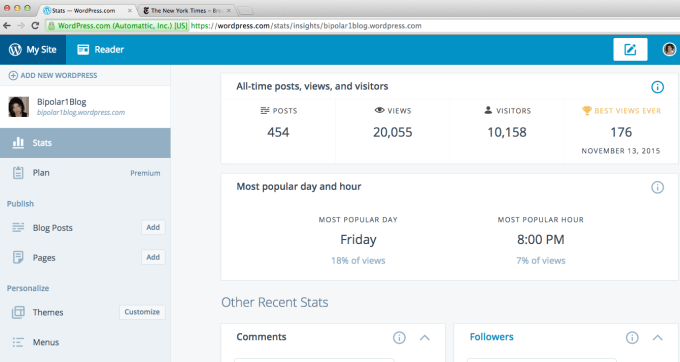
Voilà! After 17 months of blogging, I have reached the 20,000 views milestone! Pretty excited about it 🙂 First there was no blog, then I started bipolar1blog, and now? Now it’s been viewed over 20,000 times. Pretty amazing! Onwards and upwards!
Wow! December and January, one on the 7th and one a few days ago, have been bad luck for me. In December, I fell and sustained a concussion. In January, I was hit while driving and just today found out that my car has been totaled 😥
Really upset. Really, really loved my car. It was a Honda Accord V 6 200 horse power. Beautiful car, drove beautifully. Damn, I’m going to miss my car.

Stem cells! This is truly amazing! Injection of stem cells from the person’s own bone marrow along with a cocktail of growth factors helps treat symptoms of ALS! The potential for this is endless! Could mental illnesses be treated this way too? Stem cells from our own bone marrow, injecting into our own CNS, and could symptoms of bipolar d/o get better or disappear? Who knows! But I certainly hope someone looks into it.
http://abc7chicago.com/1156176/

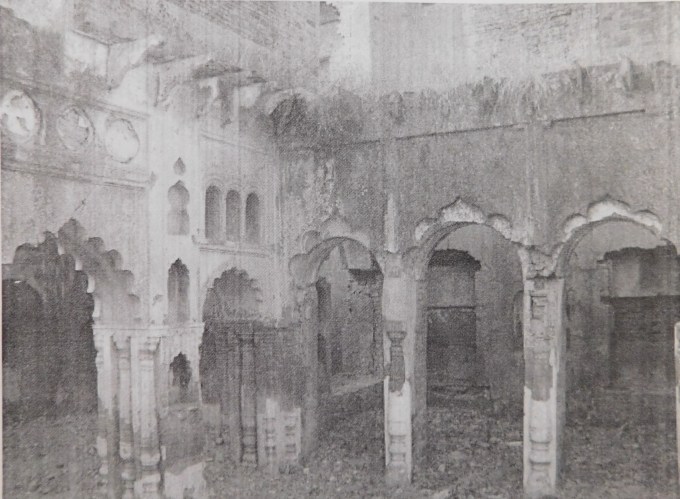
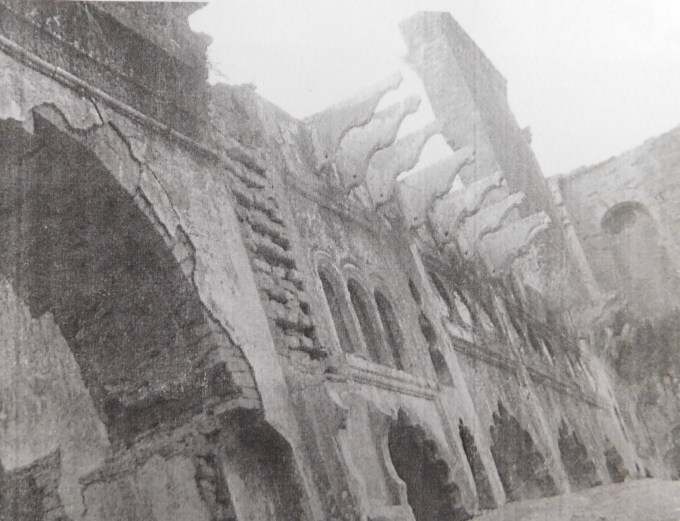
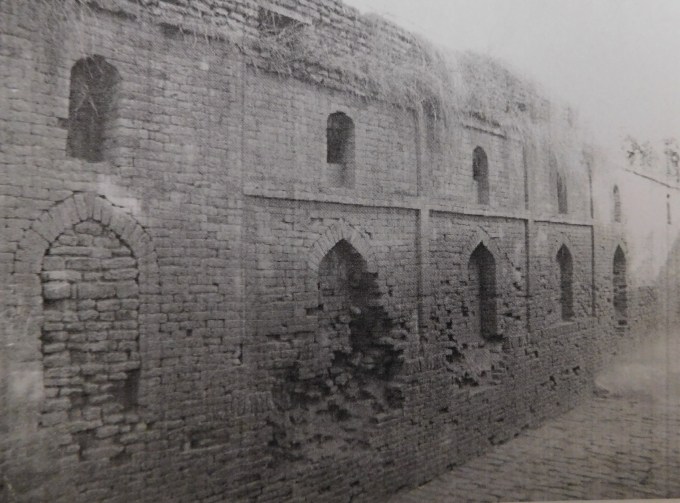
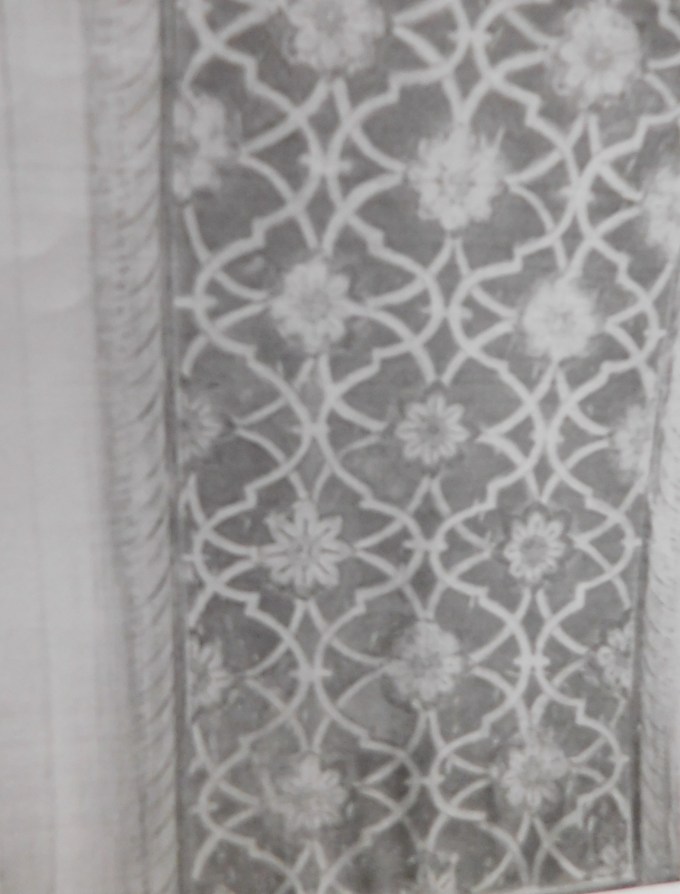
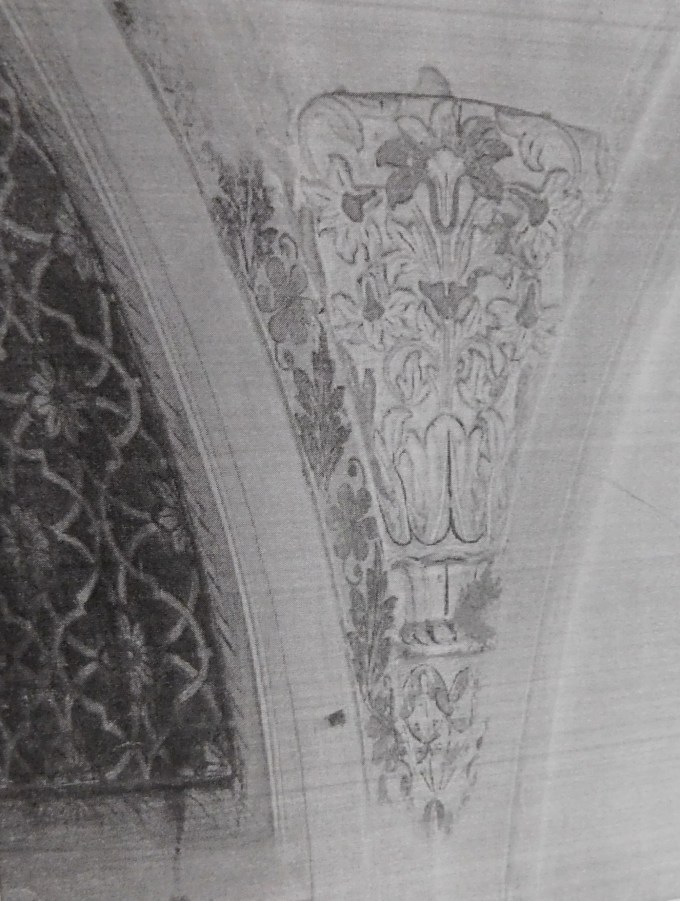
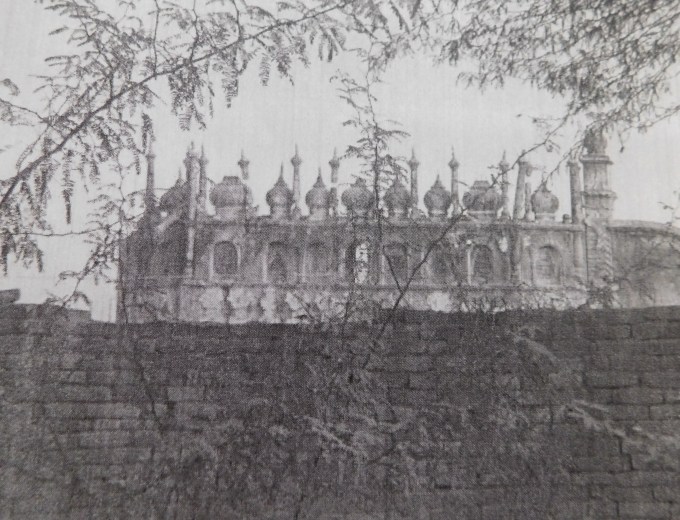
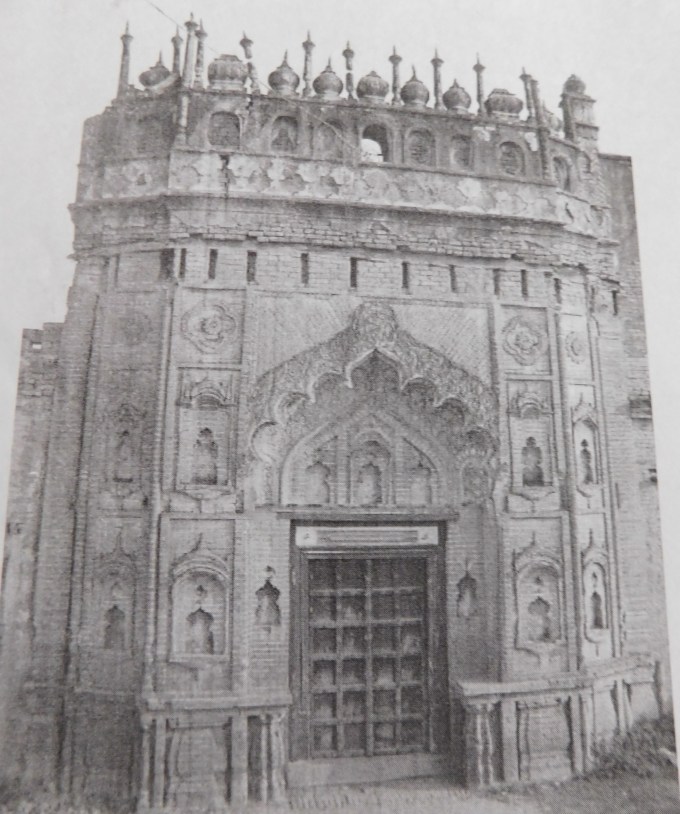
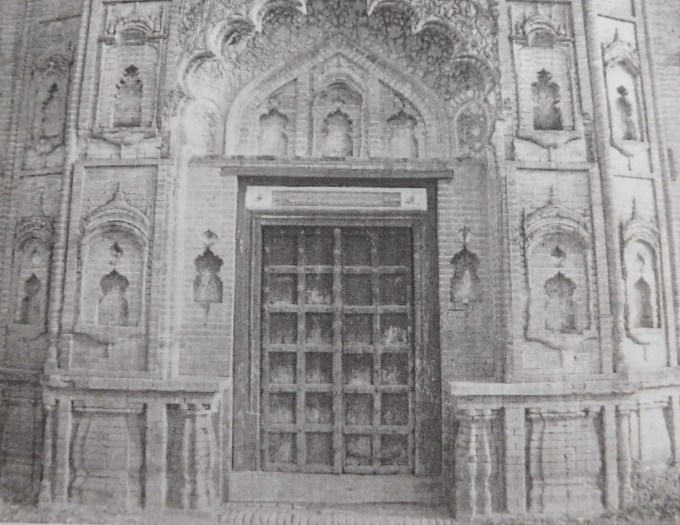
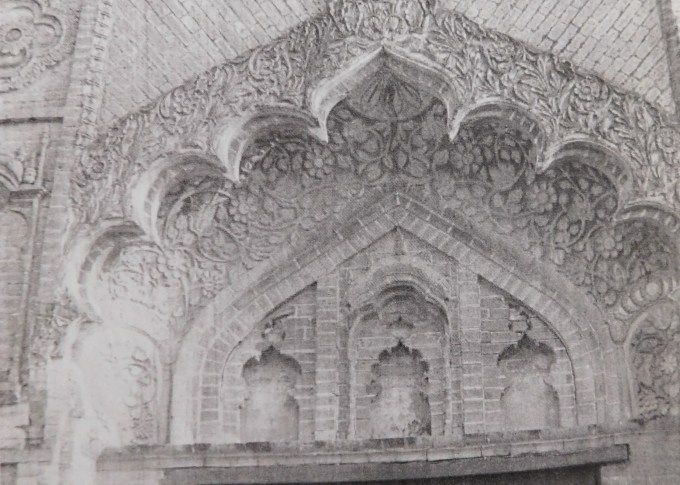
This is my mother’s family’s mansion, crumbling as it is in parts. It’s in Sheikhupur, India, a town that belonged to my mother’s family. My mother’s cousins, elderly, unmarried females, live there even now. They are protected by Samoyed dogs! I just found all this out when I was in Pakistan a couple of weeks ago. I wonder if the love of Samoyeds is inherited!
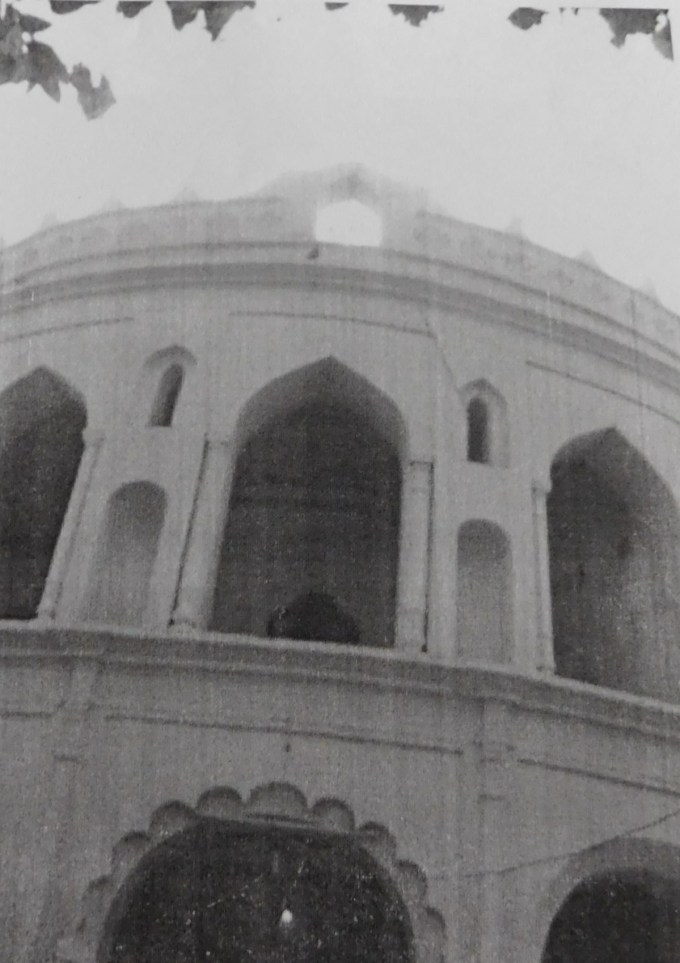
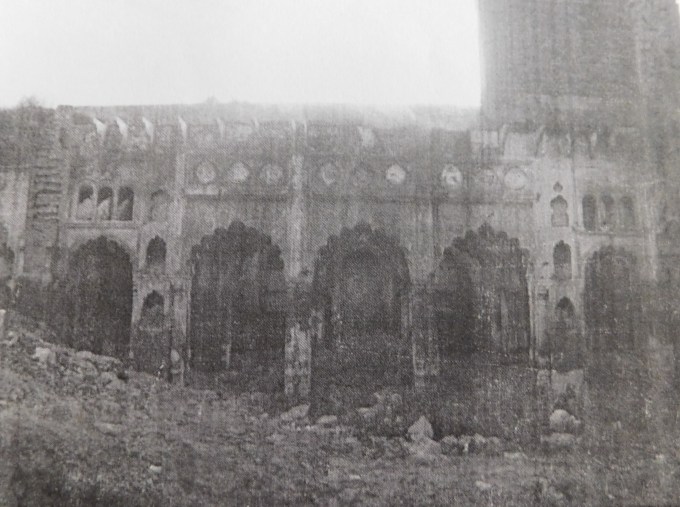
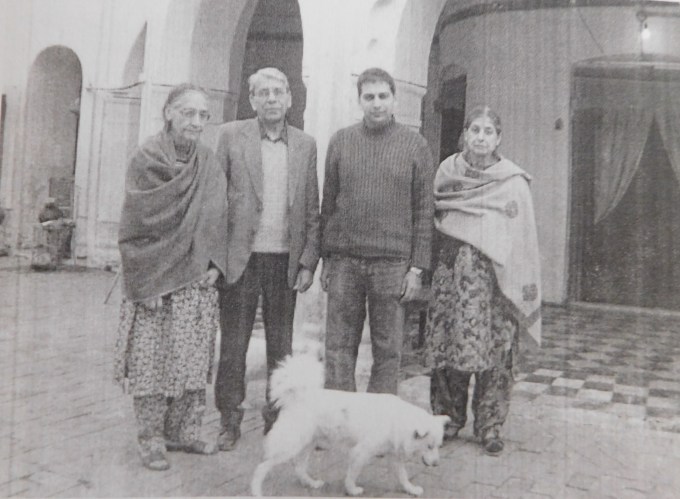
The two ladies are my mother’s cousins and live in this crumbling mansion, protected by Samoyeds!
Hmmm six hospitalized, one of them brain dead, in a phase one trial, this is just a test of the drug’s safety, not efficacy, and comes after drug testing in animals has proven it to be safe and effective. So how did this drug, which is so far unnamed, get through?
LONDON — Six patients were hospitalized — one of them brain-dead — after a drug trial in northwestern France, the country’s health minister said on Friday.
Marisol Touraine, the minister for social affairs, health and women’s rights, said in a statement that her office was informed on Thursday evening about a “serious accident” that resulted in the hospitalization of six patients at the Centre Hospitalier Universitaire de Rennes, in eastern Brittany.
The drug was being tested on healthy volunteers in a licensed private institution specializing in clinical trials, Ms. Touraine said in the statement. It had been administered orally as part of a Phase 1 clinical trial, according to the statement, which did not provide any further details about the drug or its manufacturer.
Biotrial, a drug-evaluation company based in Rennes, said in a statementthat the “serious adverse effects” had occurred during one of its trials, but it did not identify the maker of the pharmaceutical.
“The trial has been conducted in full compliance with the international regulations, and Biotrial’s procedures were followed at every stage throughout the trial, in particular the emergency procedures for the transfer of subjects to the hospital,” the company said in a statement. “We are in close and regular contact with the health authorities and ministry in France. The priority at Biotrial remains the safety of our subjects.”
The company informed the French Agency for the Safety of Health Products, the country’s drug regulator, that the trial was halted, according to the Health Ministry. The agency will inspect the drug-testing site, and Ms. Touraine also directed the General Inspectorate of Social Affairs to conduct an inquiry. The health branch of the Paris prosecutor’s office has opened an investigation as well.
“Marisol Touraine wishes to share with the families of the patients her solidarity and her deep determination to shed light on this tragic accident and establish who was responsible,” the statement said.
Ms. Touraine was traveling to Rennes and planned to speak at a news conference in the afternoon.
Deaths or serious adverse reactions during Phase 1 clinical trials — which focus primarily on a drug’s safety and side effects, rather than on its effectiveness — are rare.
In March 2006, six previously healthy young men fell ill and spent weeks in intensive care, with severe damage to their immune systems, at Northwick Park Hospital in London after being injected with an immune-system stimulant, known as TGN1412, during a Phase 1 trial.
Despite its potency, the drug, which was held up as a potential treatment for multiple sclerosis, leukemia and rheumatoid arthritis, was tested under much the same standards as those governing ordinary pharmaceuticals. British regulators approved the trial in just 17 days, and the testing company, based in Massachusetts, did not have an adequate response plan in the event of a disastrous adverse reaction, British investigators concluded.
at the altar of the gods of good feelings. Burning incense, bringing myrrh, hoping Apollo, the charioteer smiles at me not Neptune, the stormy one. Hope my brain starts working asap. Can’t stand this feeling bad, this blankness, I don’t know why it happens to me. I do know I’m sick to death of it. Brain, behave yourself! I’ll take responsibility for my emotions, I’m trying! Ugh, I should just shut up till I feel better!

 Not feeling very well. Happens to me after EVERY trip. I don’t know why. Time zone changes, sleep changes, no idea why, but invariably I feel hellish when I get home again. I had such a lovely time in Pakustan, such a pity to feel so awful afterwards. Working on feeling better. Hope it’s soon.
“Siblings who did not exhibit the disorder were the resilient ones that exhibited similar abnormalities in connectivity of brain networks related to emotional processing. They also showed more changes in neuroplasticity to prevent the development of the disorder.”
By changing the wiring in the brain, it is possible to prevent bipolar disorder in patients, according to scientists at the Icahn School of Medicine at Mount Sinai.
Bipolar disorder is an issue in the brain that leads to mood and energy fluctuations, activity levels and the ability to carry out everyday tasks. It is also “highly heritable”, according to researchers.
The Depression and Bipolar Support Alliance states that bipolar disorder affects close to 5.5 Americans who are above 18 years, or 2.6 percent of adults.
Scientists employed functional magnetic resonance imaging (MRI) in order to map connectivity patterns in brains of individuals who showed symptoms of bipolar disorder. They also examined their siblings without the illness and finally “unrelated healthy individuals”.
“The ability of the siblings to rewire their brain networks means they have adaptive neuroplasticity that may help them avoid the disease even though they still carry the genetic scar of bipolar disorder when they process emotional information,” said lead study author Sophia Frangou, MD, PhD, Professor of Psychiatry at the Icahn School of Medicine at Mount Sinai, in a news release.
Siblings who did not exhibit the disorder were the resilient ones that exhibited similar abnormalities in connectivity of brain networks related to emotional processing. They also showed more changes in neuroplasticity to prevent the development of the disorder.
“A family history remains the greatest risk factor for developing bipolar disorder and while we often focus on risk, we may forget that the majority of those who fall into this category remain well,” added Frangou.
“Looking for biological mechanisms that can protect against illness opens up a completely new direction for developing new treatments. Our research should give people hope that even though mental illness runs in families, it is possible to beat the odds at the genetic lottery.”
The study was published in the journal Translational Psychiatry.
mood and energy fluctuations, activity levels and the ability to carry out everyday tasks. It is also “highly heritable”, according to researchers.
The Depression and Bipolar Support Alliance states that bipolar disorder affects close to 5.5 Americans who are above 18 years, or 2.6 percent of adults.
Scientists employed functional magnetic resonance imaging (MRI) in order to map connectivity patterns in brains of individuals who showed symptoms of bipolar disorder. They also examined their siblings without the illness and finally “unrelated healthy individuals”.
“The ability of the siblings to rewire their brain networks means they have adaptive neuroplasticity that may help them avoid the disease even though they still carry the genetic scar of bipolar disorder when they process emotional information,” said lead study author Sophia Frangou, MD, PhD, Professor of Psychiatry at the Icahn School of Medicine at Mount Sinai, in a news release.
Siblings who did not exhibit the disorder were the resilient ones that exhibited similar abnormalities in connectivity of brain networks related to emotional processing. They also showed more changes in neuroplasticity to prevent the development of the disorder.
“A family history remains the greatest risk factor for developing bipolar disorder and while we often focus on risk, we may forget that the majority of those who fall into this category remain well,” added Frangou.
“Looking for biological mechanisms that can protect against illness opens up a completely new direction for developing new treatments. Our research should give people hope that even though mental illness runs in families, it is possible to beat the odds at the genetic lottery.”
The study was published in the journal Translational Psychiatry.
mood and energy fluctuations, activity levels and the ability to carry out everyday tasks. It is also “highly heritable”, according to researchers.
The Depression and Bipolar Support Alliance states that bipolar disorder affects close to 5.5 Americans who are above 18 years, or 2.6 percent of adults.
Scientists employed functional magnetic resonance imaging (MRI) in order to map connectivity patterns in brains of individuals who showed symptoms of bipolar disorder. They also examined their siblings without the illness and finally “unrelated healthy individuals”.
“The ability of the siblings to rewire their brain networks means they have adaptive neuroplasticity that may help them avoid the disease even though they still carry the genetic scar of bipolar disorder when they process emotional information,” said lead study author Sophia Frangou, MD, PhD, Professor of Psychiatry at the Icahn School of Medicine at Mount Sinai, in a news release.
Siblings who did not exhibit the disorder were the resilient ones that exhibited similar abnormalities in connectivity of brain networks related to emotional processing. They also showed more changes in neuroplasticity to prevent the development of the disorder.
“A family history remains the greatest risk factor for developing bipolar disorder and while we often focus on risk, we may forget that the majority of those who fall into this category remain well,” added Frangou.
“Looking for biological mechanisms that can protect against illness opens up a completely new direction for developing new treatments. Our research should give people hope that even though mental illness runs in families, it is possible to beat the odds at the genetic lottery.”
The study was published in the journal Translational Psychiatry.
In Islamabad, we spent time with my older aunt and uncle (89 this year!) and my cousins. We went to the folk museum, called Lok Virsa (http://www.lokvirsa.org.pk/museum.php) The museum shops were full of amazing antiques and beautiful handcrafted wood, slate, and clothes.
Went to our favorite Chinese restaurant called the Golden Dragon and celebrated the day of my uncle’s birth a bit early as we were leaving before his actual birthday.

At an antique shop outside the Folk Museum

Lapis lazuli items at an antique shop outside the Folk Museum

At an antique shop outside the Folk Museum

At an antique shop outside the Folk Museum

Hand decorated slate tiles, etc.

Hand carved wood

Beautiful handcrafted wooden door

At the outdoor restaurant at the Folk Museum with my beautiful aunt


Lok Virsa (Folk Museum)

More guavas

My uncle showing my nephew how to use his type writer


At Daman e Koh, in “the lap of the mountain” in the Margalla hills.

Monkeys in droves, live in the Margalla hills.

Golden Dragon

Outside “The Hotspot” a very popular retro themed ice cream place.


Flower market


An early birthday party for my uncle, the day we were leaving.

Here are a few of my pictures from Karachi. I had such a lovely time there! Miss everyone, of course. The good thing, one of many actually, that came out of this trip is the reconnection with all my cousins and our resolution to stay much more closely in touch.
The caption for each picture is below it.
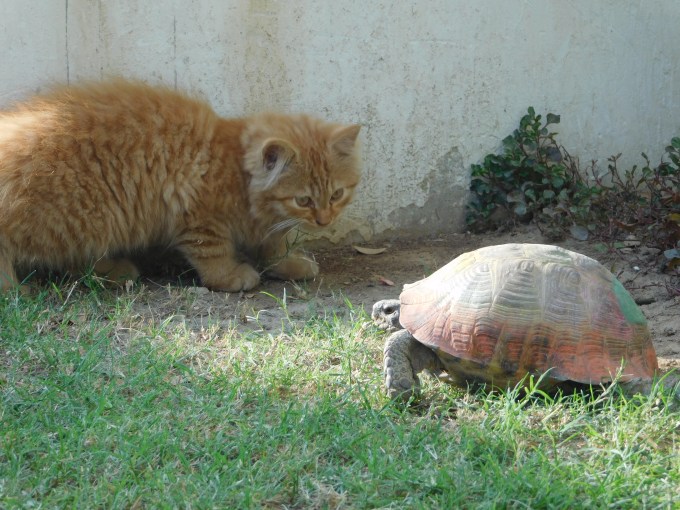
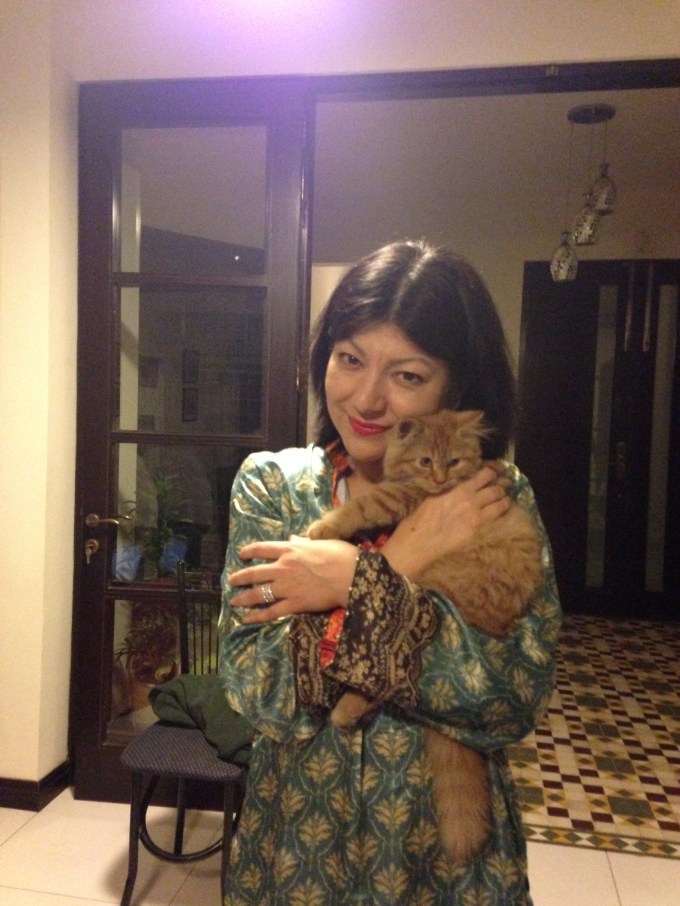
My cousin’s daughter’s kitten, so adorable, he played all day long. Didn’t quite know what this strange, slow moving thing was 🙂

Frangipani, growing in my cousin’s back garden.
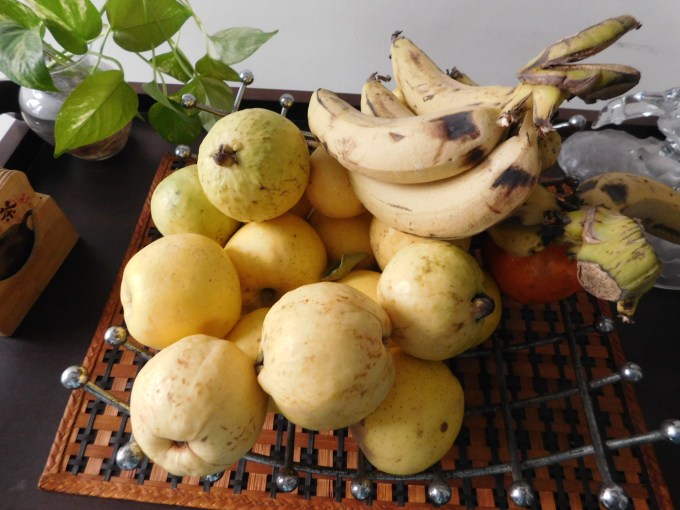
Guavas, yummm, one of my favorite fruits.
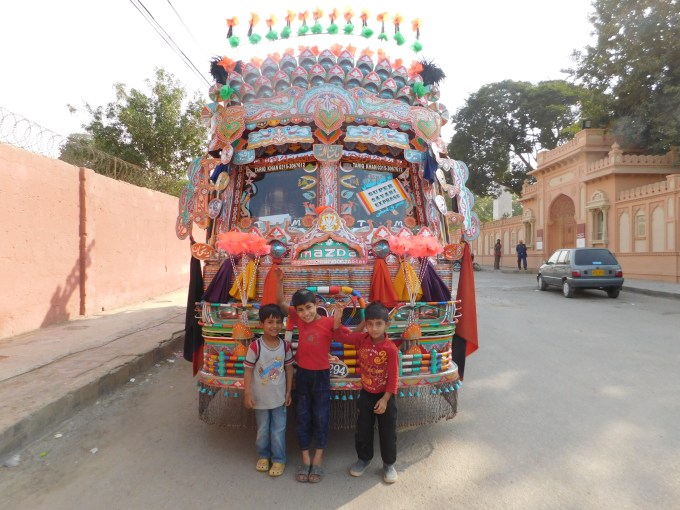
So cute, they wanted me to take their picture, then were very happy when I showed them the pic on my camera. I gave each of them some gum and blew them a kiss as I was leaving and they were all shy and happy, I guess women don’t blow even little boys kisses in Pakistan… Love the decorated buses!
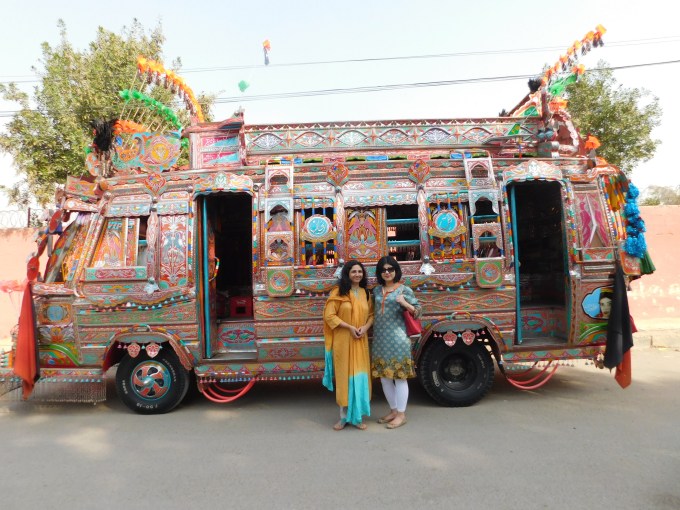
The bus in itself is a work of art.

Bougainvillea
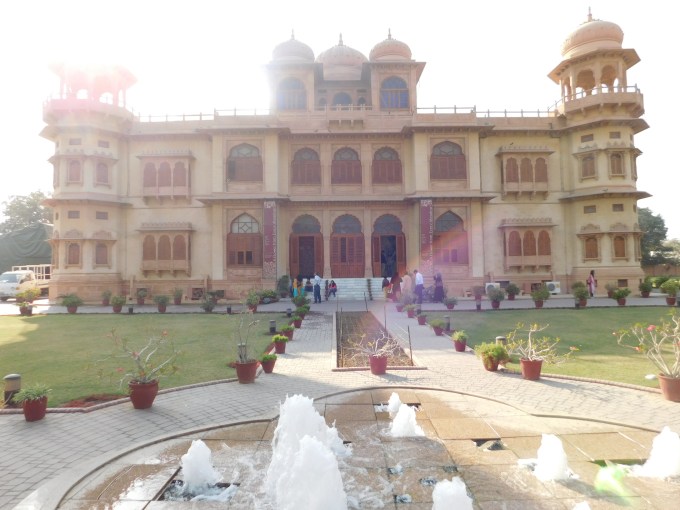
Muhatta Palace, built in the 1800’s by a Hindu Raja, it is now an Art museum. Gorgeous exhibitions, one of clothing and textiles, but they don’t let you take any pictures inside.

Outside Muhatta Palace, an obelisk with life imitating art!
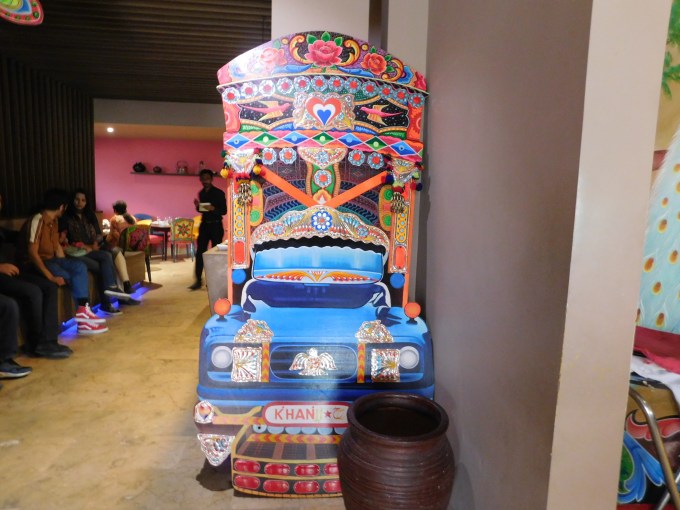
A restaurant where we had one of the most delicious meals this trip!
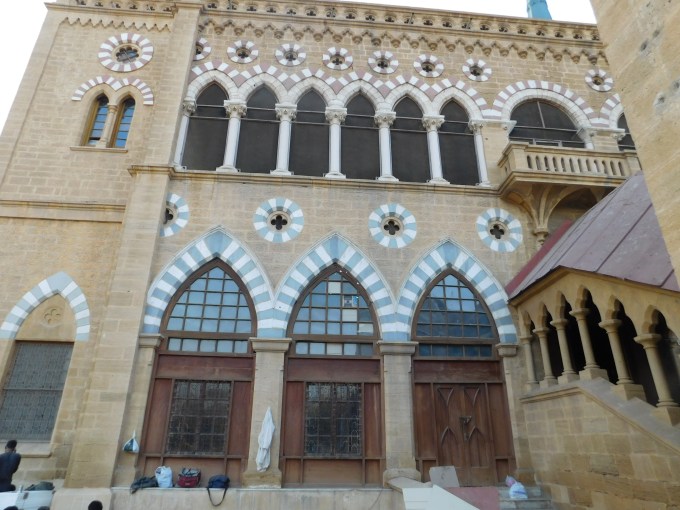
Frere Hall, an art gallery.
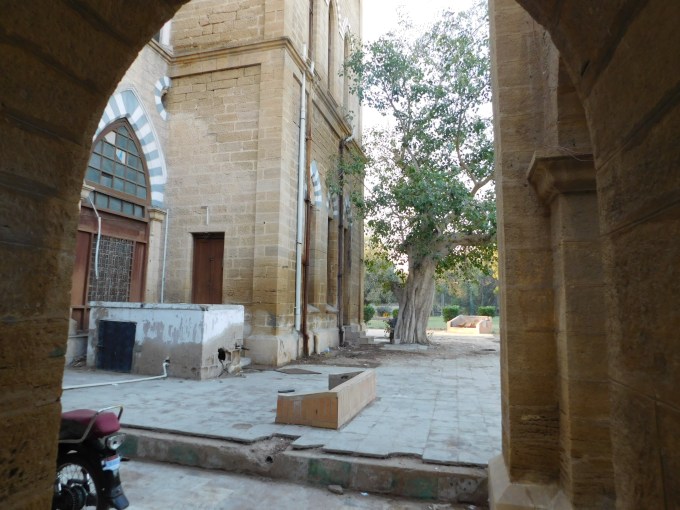


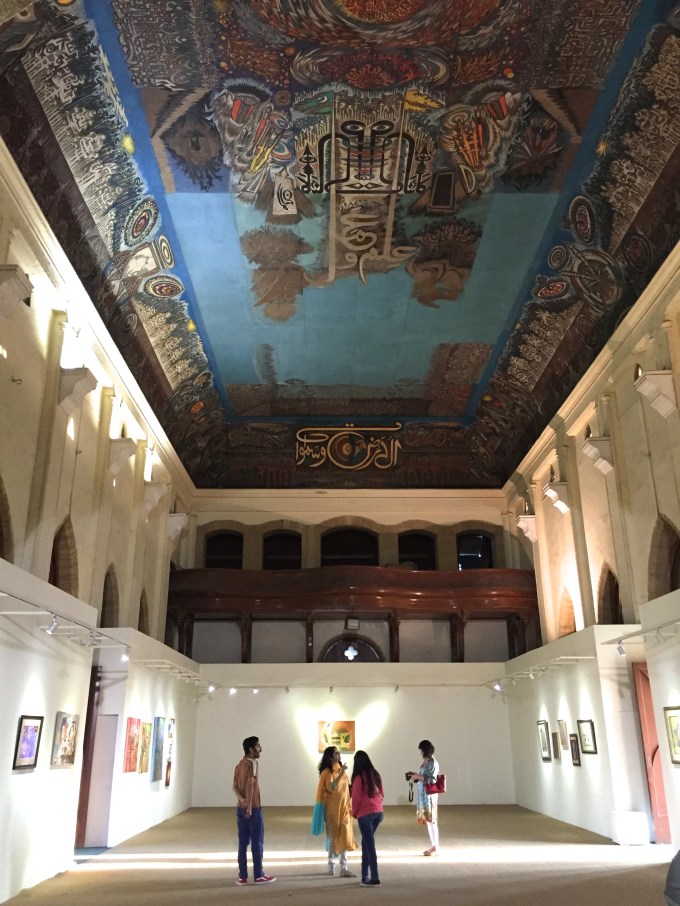
Frere Hall, the masterpiece is the ceiling painted by Sadequain, Pakistan’s greatest surreal, modern, and calligraphic artist (https://en.wikipedia.org/wiki/Sadequain)

Dolemen Mall, loved it there!
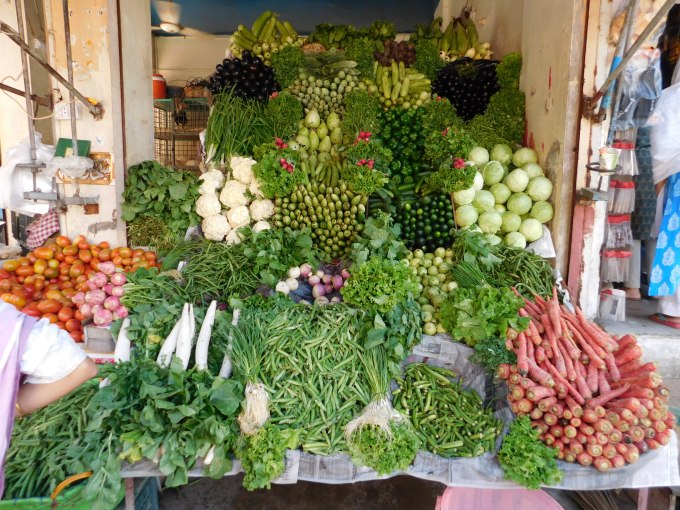
A very artistic vegetable vendor!
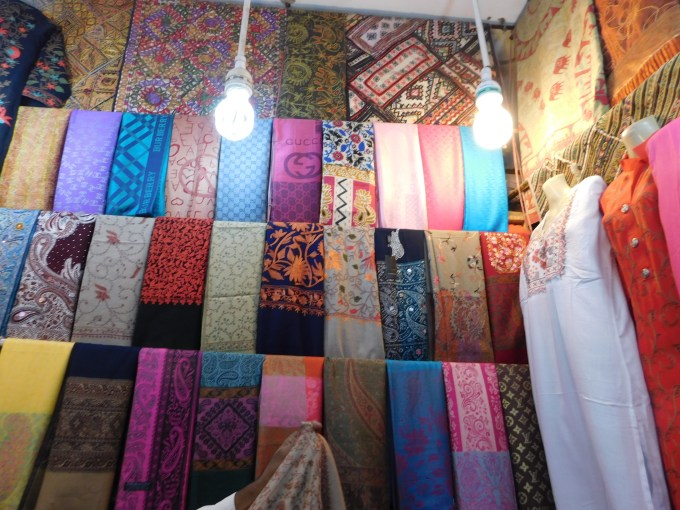
Zainab Market (above and 7 below) A riot of color, beautifully hand crafted items. As soon as the salesman tells you the price of an item, you immediately, without skipping a beat and with a lot of indignation, say “Oh no, no, no, that is much too much!” and counter with an offer of half his price. This goes on for a bit, until you settle on somewhere near 60 -70 % of his first price. Really funny, I’m not too good at bargaining, but my cousin and her oldest daughter were masters! They got us some amazing deals!
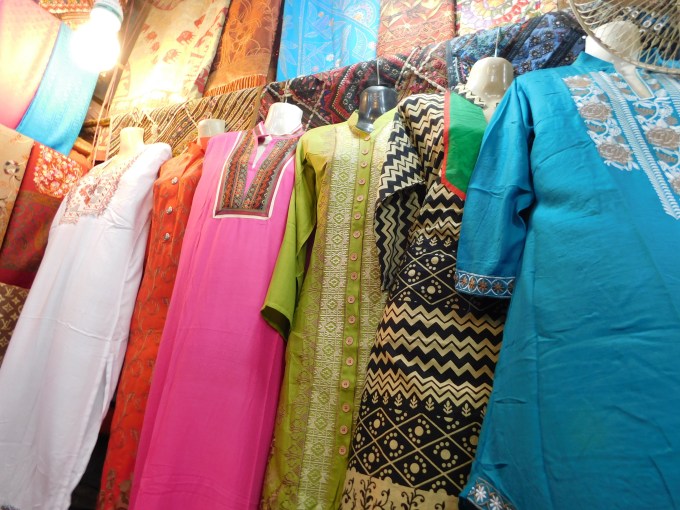
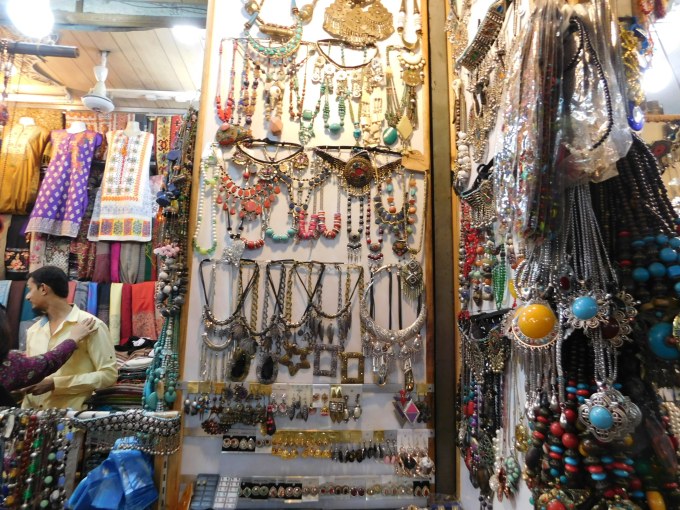
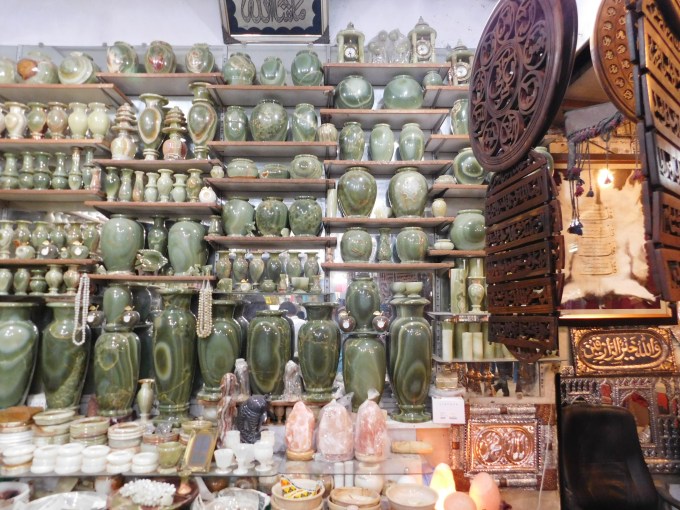
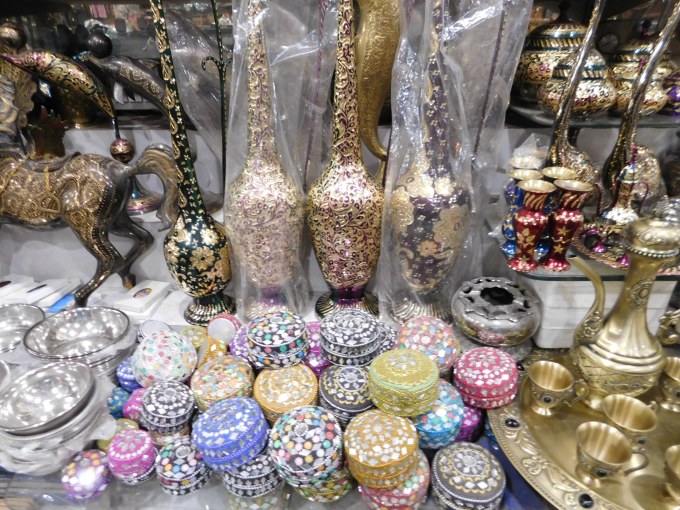
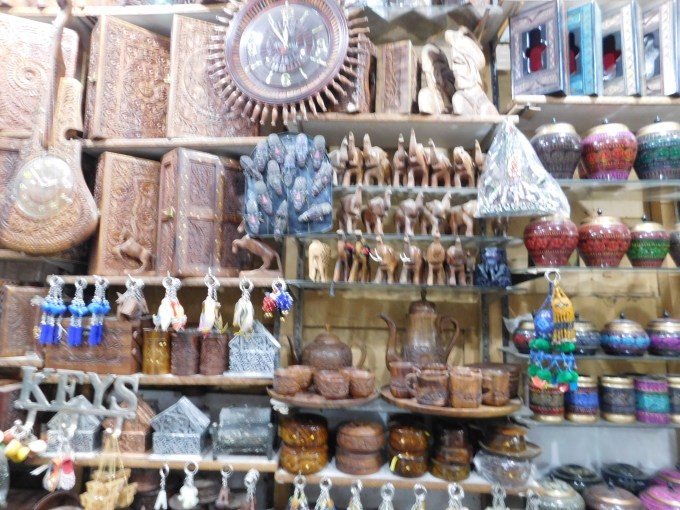
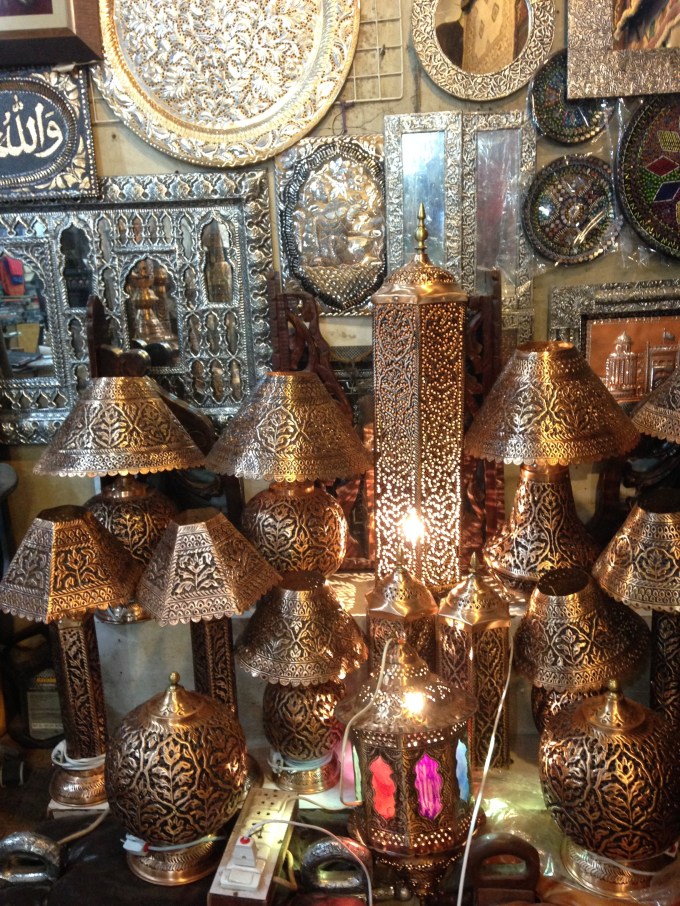
Dolmen Mall
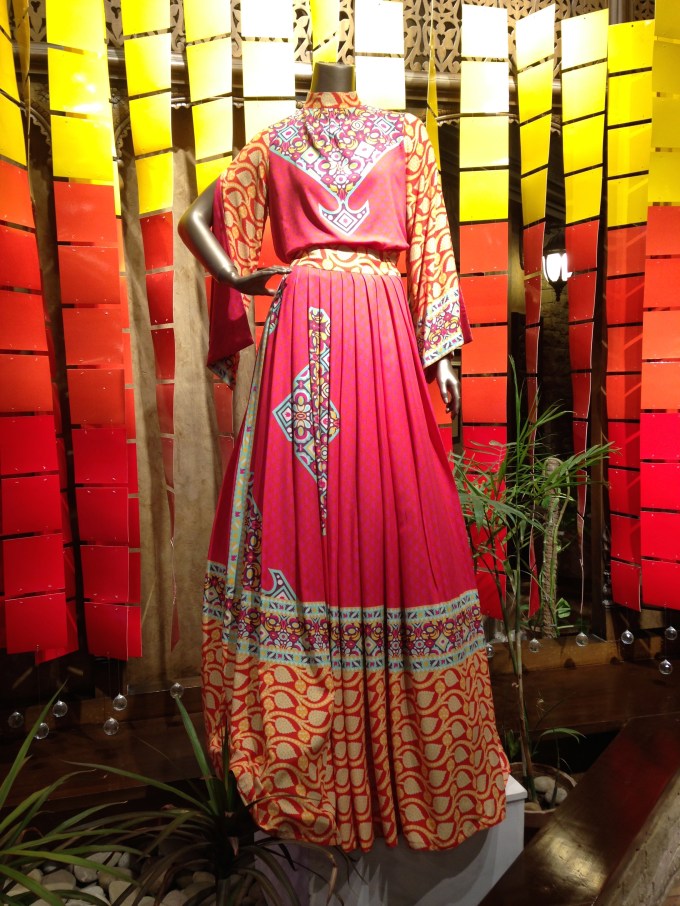
Dolmen Mall, oh the gorgeousness of their clothes!

Our New Year’s Eve celebration
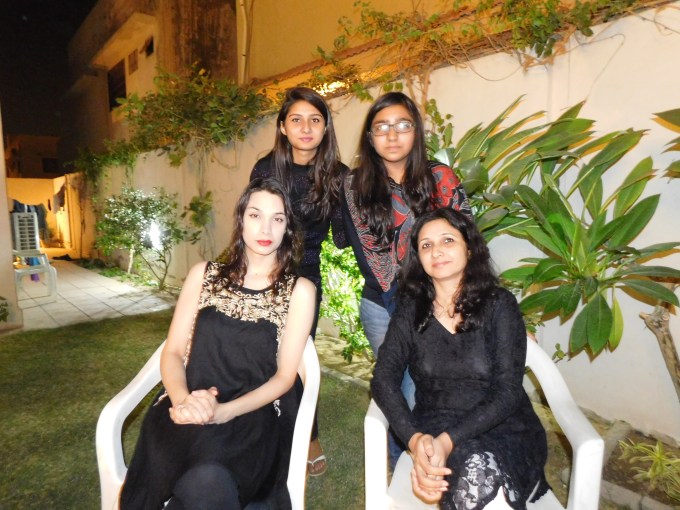
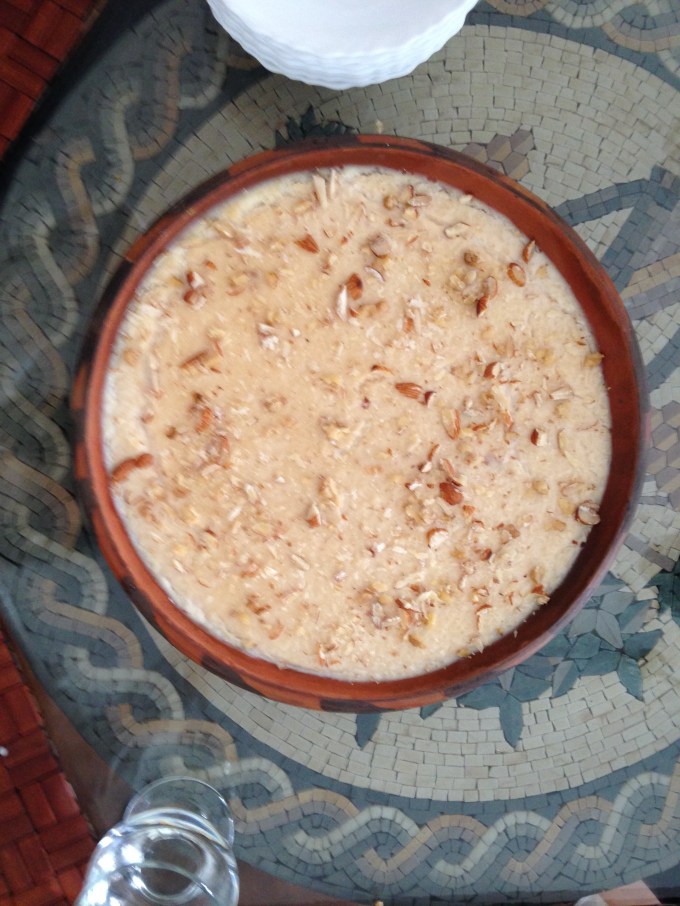
At my cousin Lubna Apa’s. The best rice pudding ever!
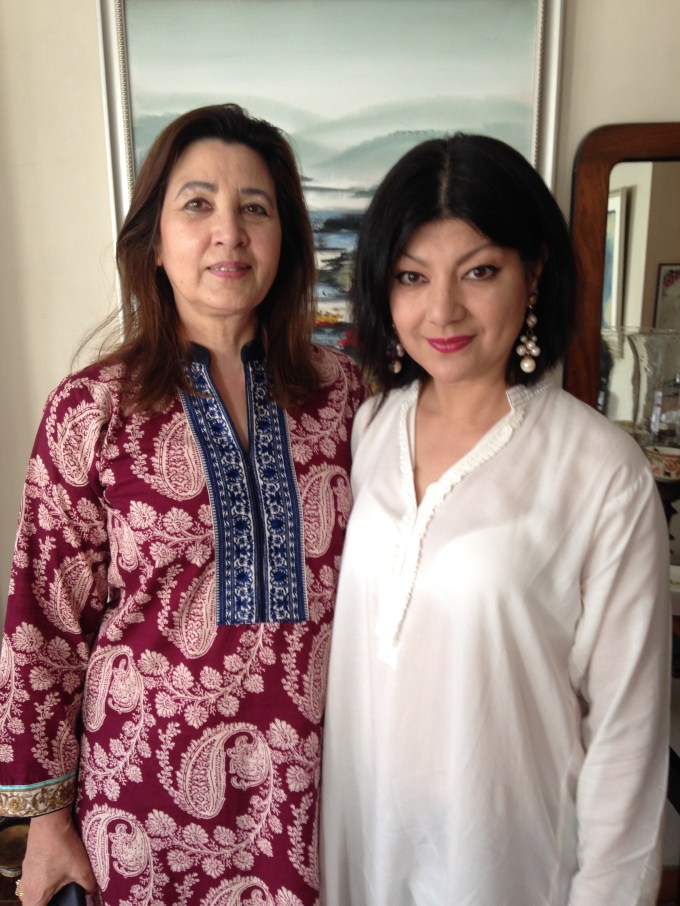
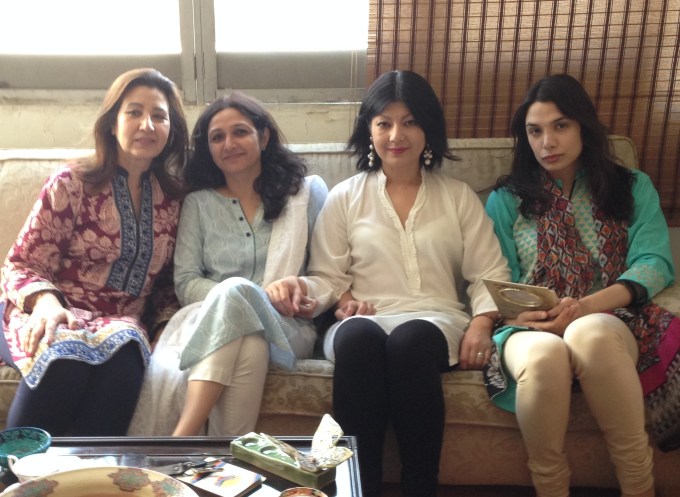

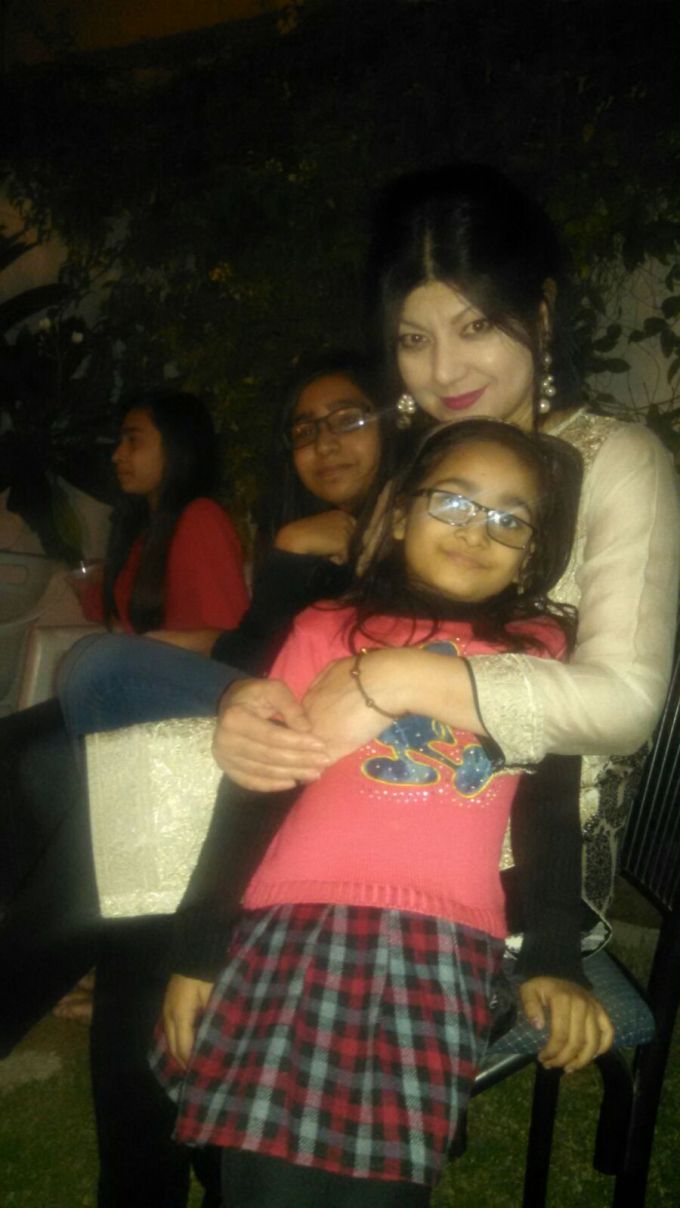
New Year’s Eve in Karachi
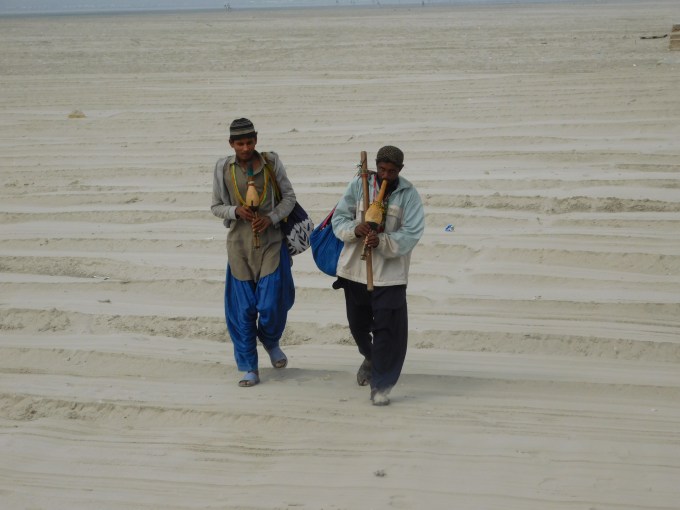
At the beach, snake charmers, kept asking to take out the Cobra, I actually paid them not to take it out and go away!
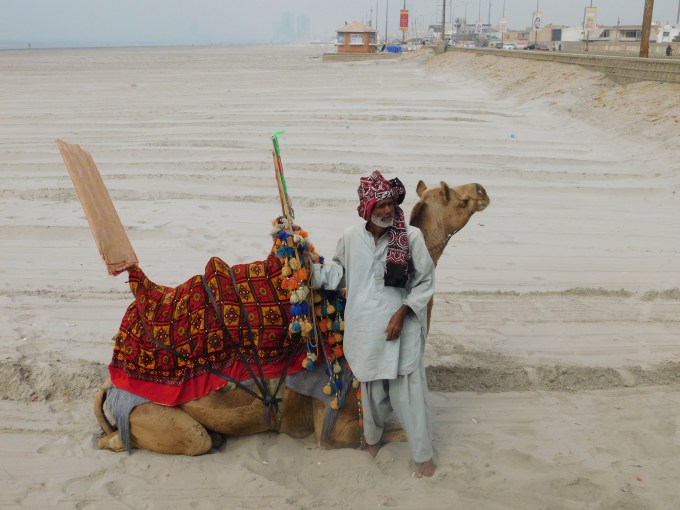
Camel rides
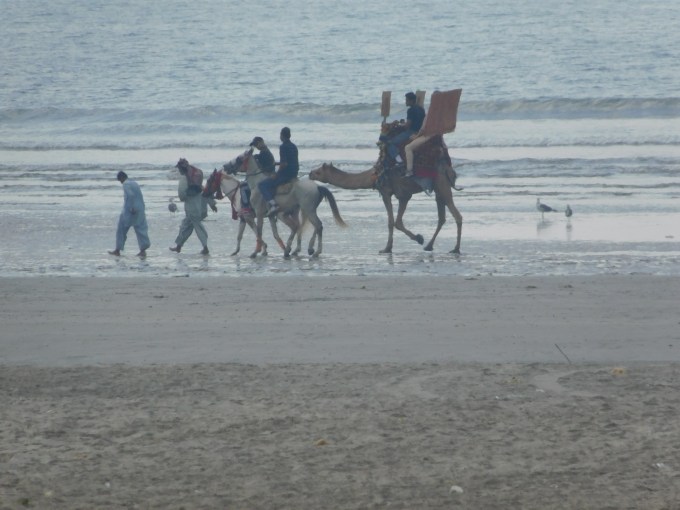
Camels and horse back rides
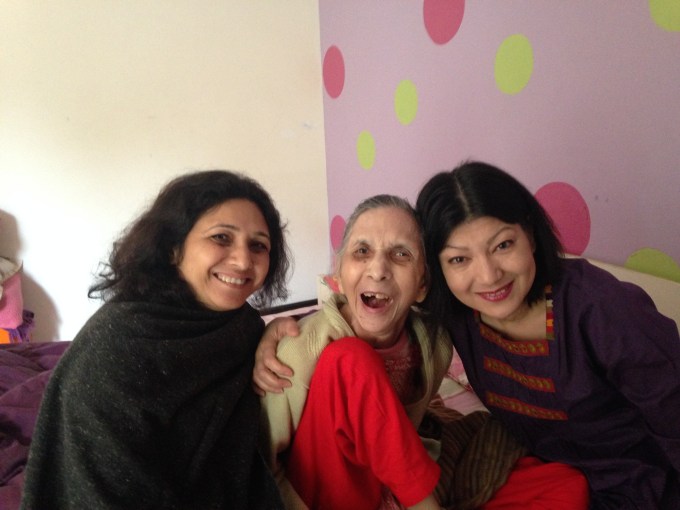
My sweetheart, Fatto Khala.
 Palestine WILL Be Free