Sorry my friends, I know it’s time to increase the Lithium

DSCN6601 - Version 2

The stress of seeing my aunt so frail and ill, stress in general, has me visiting the land of manic behavior again. My emotions are exaggerated, intense. My voice volume has risen several decibels. People are actually leery of me as I must seem like a crazy woman on the warpath. I might have terrorized one of my sweetest friends and my friend Madiha, who is actually a psychiatrist, was having a difficult time “conversating” with me as my intensity level was off the charts.

I’m sorry my friends, I don’t mean to terrorize you, sadly sometimes I simply cannot help it. I value everyone of your friendship. I know you’ve been patient with me before, I beg your indulgence now. These blips in my mood catch me off guard and by the time I realize it’s happening, some damage has always been done 😦 I know it’s time to increase the Lithium, and I am increasing it tonight.

I know my friends don’t have to put up with this, they can simply go find another more normal person with whom to be friends, someone whose reaction intensity doesn’t frighten them. I know that. I am stuck with this illness, on the one hand it makes me ultra sensitive, able to feel intensely, but it also makes me react just as intensely to seemingly innocuous things. Maybe it’s like PTSD, where a loud noise will illicit the same response as bombs going off in a temporally distant war had. Or in my case. the noise doesn’t even have to be that loud, I just react intensely and loudly to all things if you catch me in my intense mood. Damn this mood disorder. Difficulties in life are enough to try one’s patience but having a mood disorder which can throw your emotions, and behaviors off, make your friends afraid of you, cause you yourself untold pain and suffering… because, you know, people can walk away from you, but you can’t walk away from yourself, no matter how much you may want to… Lithium, yes time to increase the Lithium! All will be well.

My Farhat Khala (Aunt)

Fatto Khala Fatto Khala and me

My aunt, my mother’s youngest sister is sick, very sick. She has always been thin and frail, but now she is quite severely ill. She has had cerebellar ataxia for as long as i have known her. That is an illness of the cerebellum, the part of your brain that controls voluntary movement. There seem to be mini strokes in this region so that there is cell death and the person who suffers from it loses control of their limbs, extremities, and finally they even lose their swallowing reflex, so they cannot even eat. She has always been painfully thin, since her twenties. She lived with my family in Buffalo from 1979 1984. When she came to live with us, she was like a stick figure, and I nursed her and fed her and took care of her until she looked a bit better. Then in 1984, one of my cousins was getting married in Pakistan, we were all going to attend the wedding, and she insisted on going with us, although she was not an American citizen. We told her to stay back, she may not be able to get a visa to come back with us again, but she insisted, so she went and she was not given a visa to return back with us. So we had to leave her behind with another one of my aunts. Then for a while she and her brother (my uncle) lived on their own in their own apartment, and then my uncle passed away and she moved to live with my cousin Munib. He recently sent me a picture of her on Whats App and I was totally shocked and appalled to see her skeletal condition. Gentle readers, if I posted that picture her, you too would be shocked. Anyway, my cousins have been taking her to the doctor and having her treated. But what i worry about after having seen that picture is: can anyone recover from the state I saw her in in the picture? I don’t know. I hope so.

She took care of me when I was a newborn baby. My mother was still in Medical School in Bhopal when I was born, my grandmother took me to Karachi, Pakistan. I lived with her, my two aunts and my uncle for two years. They took care of me as if I was their own. That is the love, the love I got from the four of them, that love has carried me through to this day. This aunt of mine was like a little mother to me, she was 20 years old then. And she took care of me day and night. And now she is in dismally bad shape and I am not there to take care of her. Just looking at her last picture, I broke down in tears of sadness, anger and dejection, I cannot look at it anymore, yet it is burned in my memory.

Her illness and my powerlessness to do much to help her directly has been having a bad effect on my affective disorder. Sadness, anger, hopelessness, helplessness, and fear, all working in my brain to create a hyper alert, worried state that I cannot shake. Haven’t been feeling very normal, sort of up, sort of down, easy to anger, just all out of sorts.

I will go to Pakistan. I am planning a trip in September. I am in close contact with my cousins, they tell me she is doing better, getting better nutrition, vitamins, minerals, Ensure, all things the doctor ordered.

She is 70 years old, she has always been frail. I hope she recovers, I hope I see her once more so I can tell her I love her and make her smile.

Been gone

  
I know I haven’t been posting a lot here of late. But I promise my readers, I will start again soon. An illness of a very dear family member had me a little unhinged and now I’m away from home for a week. Then away again for 10 days. And then depending on the health of my aunt, I may be going to Pakistan. But I will be posting again, my story, scientific findings, pictures. Happy Saturday all!

10 Ways to Prevent Mania and Hypomania? You only Need One: Lithium or Another Mood Stabilizer

peachpeach

All the information below is great, but if you aren’t on Lithium, or if you cannot tolerate that, then another mood stabilizer, then you can practice these steps till the cows come home, but you most likely will not be able to avoid hypomania or full blown mania.

So take your Lithium or whichever mood stabilizer is right for you. Lithium is just the GOLD standard in Bipolar d/o treatment, therefore I keep talking about it. Take your medication and stay out of trouble. You can even practice all 10 or as many steps below as you like, that won’t hurt you. What will hurt is not taking your meds.

So, have I said “Take you meds, stay on your meds, don’t come off your meds!” And life will be peachy!

http://www.everydayhealth.com/columns/therese-borchard-sanity-break/ways-curb-mania-and-hypomania/

“10 Ways to Prevent Mania and Hypomania

Published Jul 1, 2015

Bipolar disorder is one of the most difficult illnesses to treat because by addressing the depression part of the illness, you can inadvertently trigger mania or hypomania. Even in Bipolar II, where the hypomania is less destabilizing than the often-psychotic manic episodes of Bipolar I, persons often experience from a debilitating depression that can’t be lifted by mood stabilizers and antipsychotics. Antidepressants, though, can cause a person with bipolar to cycle between hypomania and depression.

I have worked with psychiatrists who were too afraid of cycling to risk using antidepressants for bipolar patients. They put me strictly on mood stabilizers and antipsychotics. However, I did not get well. I stayed depressed, and all original thoughts in my brain vanished. My current psychiatrist knows that depression is my primary threat, not so much the hypomania, so she was able to pull me out of the depression with the right combination of antidepressants, but is vigilant for any signs of hypomania. Because I know how vulnerable I am to hypomania, I have learned several strategies to help me stay grounded. By making them part of my life, I have been able to take less lithium, my mood stabilizer, which ensures that I continue producing original thoughts and not get too medicated. Here are 10 tools I use to avert hypomania.

1. Practice Good Sleep Hygiene

Developing good sleep habits is by far the most potent tool for preventing mania and hypomania. There are a handful of studies documenting that sleep deprivation is associated with mania and hypomania. By going to bed at 10 every night and sleeping a good eight or nine hours, we have the power to stop rapid cycling and to reverse mania or hypomania. In a study published in Biological Psychiatry a rapid-cycling patient was asked to remain on bed rest in the dark for 14 hours each night (gradually reduced to 10 hours). Times of sleeping and waking were recorded with sleep logs, polygraphic recordings, and computer-based event recordings. His sleep and mood stabilized when he adhered to a regimen of long nightly periods of enforced bed rest in the dark. The abstract’s conclusion: “Fostered sleep and stabilizing its timing by scheduling regular nightly periods of enforced bed rest in the dark may help to prevent mania and rapid cycling in bipolar patients.”

Good sleep hygiene means you go to bed at the same time every night, ideally before 10:30 p.m. — not one night 2 a.m. and another night 7 p.m.; you sleep at least eight hours a night; and you wake at the same time in the morning. Since many folks with bipolar disorder havesleep disorders, a nighttime routine is often needed. For example, I shut down my computer at 8 p.m. and try not to check my emails or messages on my phone. Reading a disconcerting email at 9 p.m. will keep me up all night. It takes me a good two hours to calm down, so I get out the lavender oil around 8:30 p.m., pull out a real book (not an iBook), and begin to tell my body it needs to seriously chill out.

2. Limit Your Screen Time

CNN did a story a few years ago on iPads (or LCD screens) and sleep. Journalist John D. Sutter asked Phyllis Zee, MD, a neuroscience professor at Northwestern and director of the school’s Center for Sleep & Circadian Biology, if our gadgets can disturb sleep patterns and exacerbate insomnia. Dr. Zee said:

Potentially, yes, if you’re using [the iPad or a laptop] close to bedtime … that light can be sufficiently stimulating to the brain to make it more awake and delay your ability to sleep. And I think more importantly, it could also be sufficient to affect your circadian rhythm. This is the clock in your brain that determines when you sleep and when you wake up.

I absolutely know that to be true, because for awhile, I was reading iBooks for a half-hour before bed and staying awake until 2 a.m. My concern with LCD screens isn’t limited to bedtime. I know from people in my depression community that persons with bipolar disorder have to be careful with LCD screens at all times, as they can make the highly sensitive personhypomanic if the person doesn’t take a break from them. For me and for many fragile persons with bipolar, looking into an LCD screen for too long is like keeping your light therapy sunboxon all day. I made the mistake of firing up that baby from 9 p.m. to midnight right after I got it, and I did not sleep one iota the next day, and felt hypomanic all day long. Keep in mind that not only is the light stimulating, but so is all of the messages and tagging and poking — especially if you have as many social media handles as I do.

3. Avoid Certain People and Places

Most of us have a few people in our lives that appear as though they’ve downed three shots of espresso every time we see them. They are usually great fun and make us laugh. However, the hyperactivity isn’t what you need if you haven’t slept well in a few weeks and are trying to calm down your body and mind. Same goes with places. I don’t dare step foot inside the mall, for example, between Halloween and New Year’s. There is just too much stuff being forced in front of my face. I also hate Toys-R-Us. I still have nightmares about the time my husband pressed three dozen Tickle Me Elmos and the entire shelf began to shake.

4. Pay Attention to Your Body and Breathe Deeply

Before attending the mindfulness-based stress reduction (MBSR) program modeled after the one developed by Jon Kabat-Zinn at the University of Massachusetts Medical Center, I did not pay attention to my body’s cues preceding a hypomanic episode. In fact, it was usually another person who would point out the embarrassing truth — like the time my editor wrote a letter to my doctor after I started publishing eight blogs a day thinking my traffic would go up. Now, though, when my heart races and I feel as though I have consumed eight cups of coffee, I know this is my opportunity to reverse my symptoms by doing lots of deep breathing exercises.

Of all the automatic functions of the body — cardiovascular, digestive, hormonal, glandular, immune — only the breath can be easily controlled voluntarily, explain Richard P. Brown, MD, and Patricia L. Gerbarg, MD, in their book The Healing Power of the Breath. They write:

By voluntarily changing the rate, depth, and pattern of breathing, we can change the messages being sent from the body’s respiratory system to the brain. In this way, breathing techniques provide a portal to the autonomic communication network through which we can, by changing our breathing patterns, send specific messages to the brain using the language of the body, a language the brain understands and to which it responds. Messages from the respiratory system have rapid, powerful effects on major brain centers involved in thought, emotion, and behavior.

5. Eliminate Caffeine

A good caffeine rush mimics hypomania. You feel more alive, more alert, like you could actually contribute something of worth to the world. That’s all fine and dandy except when you are teetering on the hypomanic edge. Caffeine can provide the ever-so-subtle push to the other side, especially if you aren’t sleeping well, which is when most people most crave caffeine. Stephen Cherniske, MS, calls caffeine “America’s number one drug” in his bookCaffeine Blues because of the withdrawal our body goes through three hours after we’ve drank a cup of coffee or a Diet Coke. Persons with bipolar are even more sensitive to amphetamine-like substances that raise dopamine levels, so the safest way to prevent hypomania is to eliminate the stuff altogether.

6. Exercise

My best workouts have been when I’m either on the verge of becoming hypomanic or when I am ticked off. My usual 10-minute mile goes down to an eight. I start passing people along my route, at the Naval Academy, feeling like Lynda Carter in her Wonder Woman getup. And my swim interval is consistent with the people who swam across the Chesapeake Bay in under two hours. The truth is I have averted many hypomanic episodes by working out until I collapse or at least become tired, which can take a few hours. Two years ago, the only way I was able to sleep was by swimming more than 300 laps a day. There are people for whom vigorous exercise triggers mania, but most experts report on the benefits of exercise for bipolar disorder.

7. Watch Your Sweets

There is a reason why ice cream, Swedish Fish, and animal crackers are comfort food for the bipolar person. The rush of insulin generated by those foods will calm those carbohydrate-craving brain pathways for a bit, until a crash in blood sugar has the person binging again on sweets. It’s a vicious cycle, one that can keep a bipolar person cycling indefinitely.

I will tell you a true story about sugar and bipolar. About 16 years ago, before I knew I wasallergic to sugar and that a high-carb diet was the worst thing I could do for my mental health, I would sometimes drink two bottles of Arizona Iced Tea and eat two or three chocolate-chip oatmeal bars for lunch. One day, there was a Horizon milk truck in front of our house with a large cow on the side. I started mooing at the cow. My new husband, behind me, was truly frightened by this and told me to lay off the Arizona Iced Teas and granola bars for awhile. I haven’t mooed at a truck since.

8. Be Careful With the Opposite Sex

I am all for good, healthy friendships between men and women. If you’re not bipolar. Consider me a prude, but I know how difficult it can be to be consistent with good boundaries if you are even the tiniest bit hypomanic. You sincerely didn’t mean for something you sent in an email to sound flirtatious — you were just being playful, like you are with your girlfriends. However, when you do get a reaction from a person of the opposite sex, something in the least bit flattering, that communication can ignite a rush that sends a signal throughout your entire body that you want more of the feel-good hormone it just experienced — dopamine, essentially. It’s even riskier if you have a history of substance abuse and bipolar — because your body will compromise any moral agreements you have signed off on prior to that email in order to get that damn rush again. If you’re not careful, this dangerous game will trigger a full blown manic episode. I have had the best intentions with 85-year-old men, and still, somehow, found myself in trouble. So for the time being, I’m sticking to female friendships.

9. Use a Shopping List

One of the most common manic behaviors is uncontrollable spending or shopping. Therefore, it is sometimes helpful for persons with bipolar disorder to make out a list beforehand of the items you absolutely need to buy — be it a grocery list, a Home Depot run, or a mission to get a your daughter’s friend a birthday gift. That way you won’t end up with 20 different kinds of paint swatches for the kitchen and living room you’ve decided to paint while you were at the store.

10. Allow Time to Decompress

This one is probably the second most important for me to prevent mania. I would say meditate, but that word produces too much expectation and pressure for me right now. Decompressing means after you finish something like a blog post or after you’ve forced yourself to be social for a few hours at a party that you didn’t want to attend, you allow yourselves 15 to 30 minutes to look at the ceiling fan in your bedroom and think about just that: the ceiling fan.

The case has been made that persons with bipolar disorder are creative and therefore need more chill time than the average person. Our brains are operating at a faster pace and more intensely than our non-bipolar friends for the periods of time where we must appear normal. So it is absolutely imperative that we allow some time where nothing is required — where we can drool, or lie in the grass, or doodle, or collapse in front of the front door. Although it seems as though these hours are unproductive, this activity will rebuild the gray matter of our brains and safeguard us from a manic episode.”


Ok I know

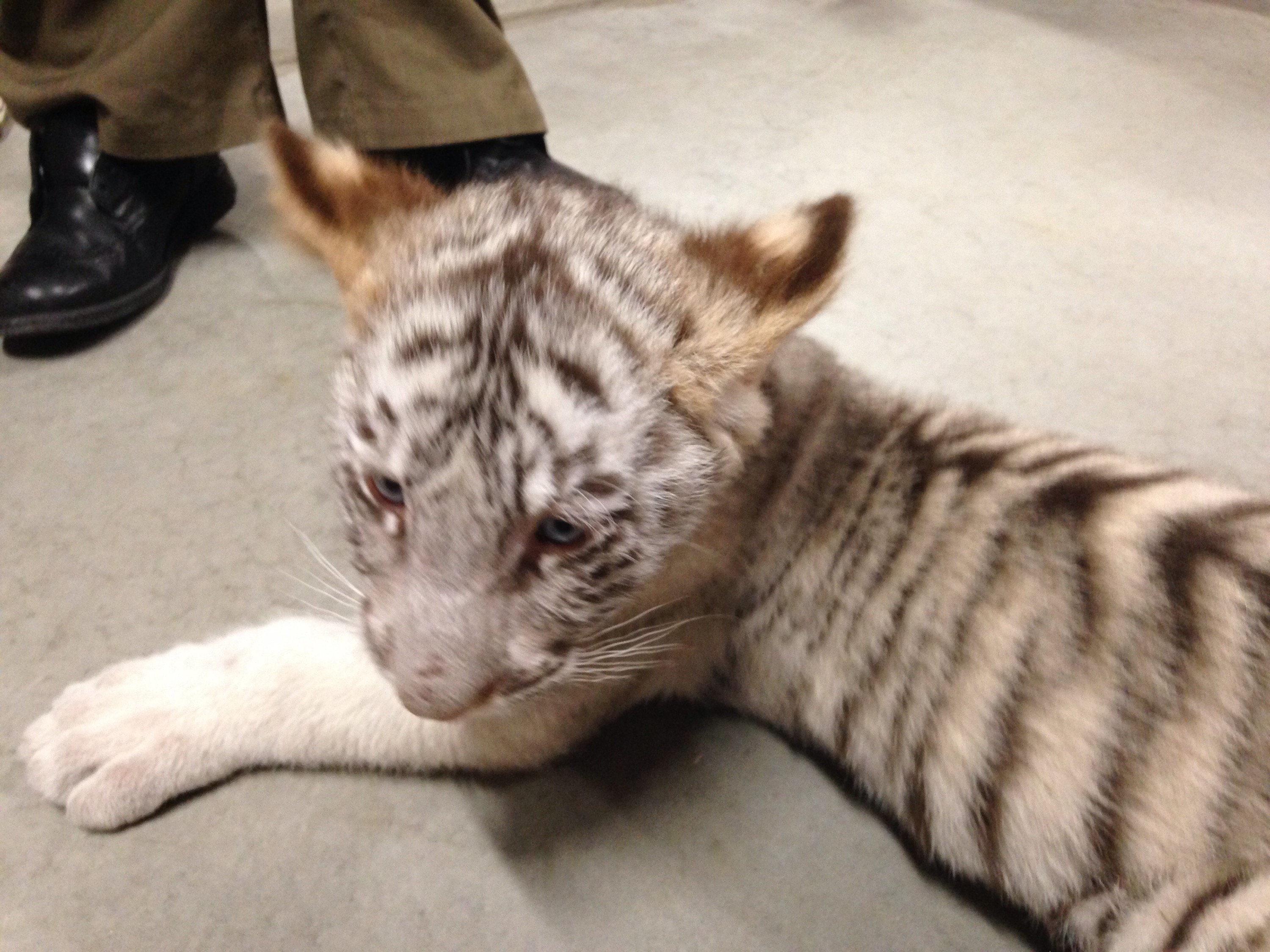
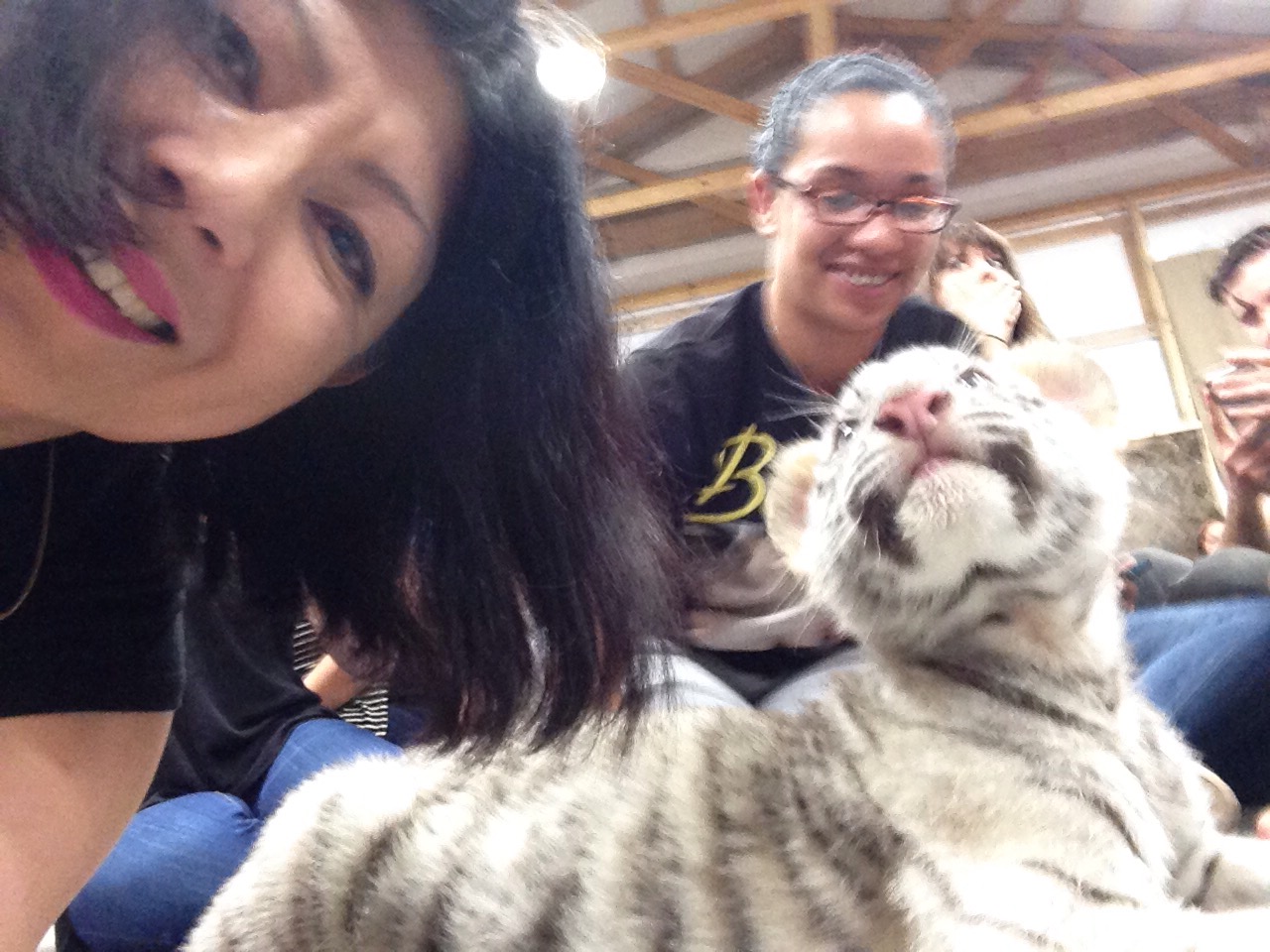
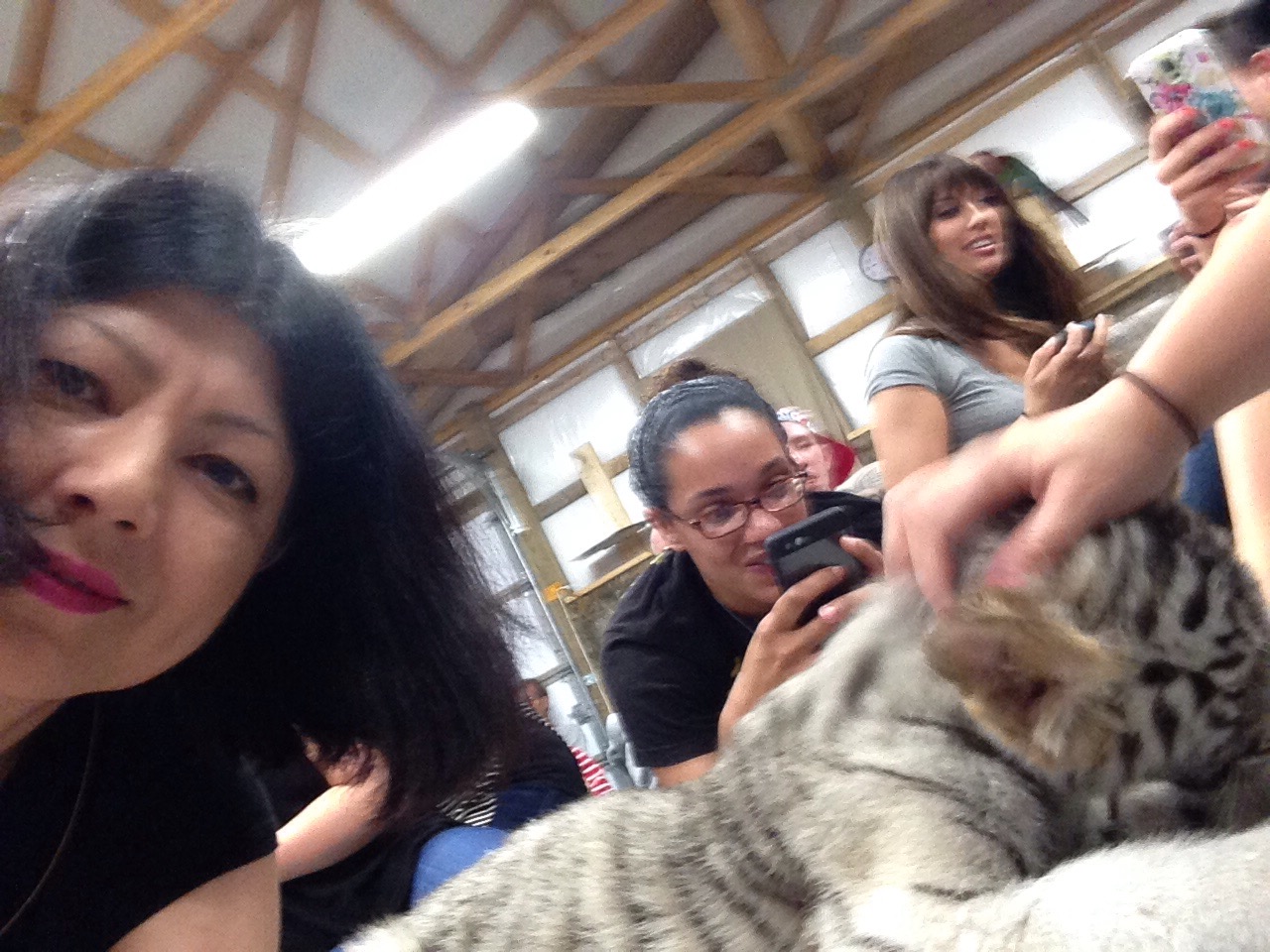
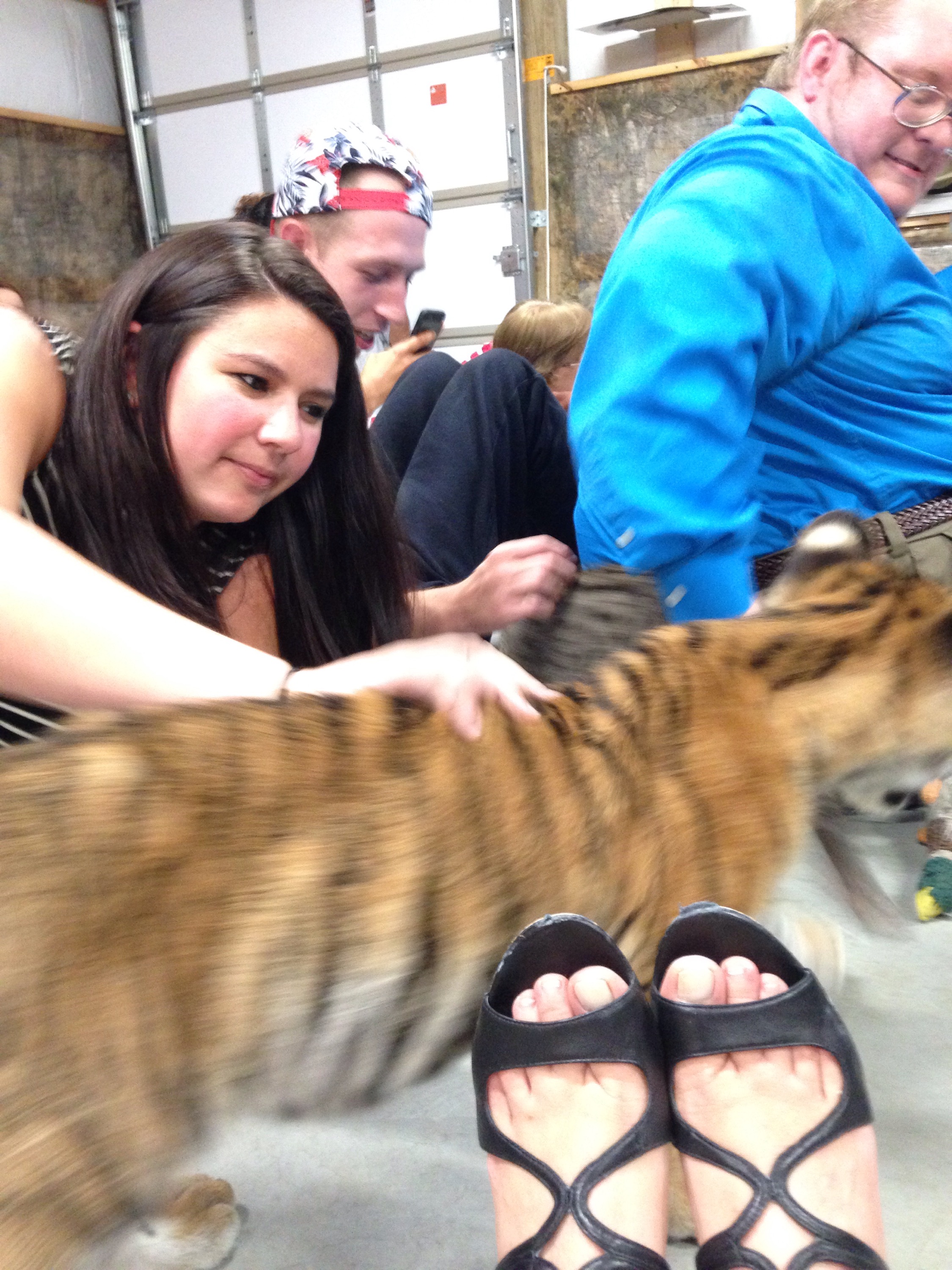
this has nothing to do with illness, mental or otherwise but I am so, so, so thrilled about this I had to share. Guess where I was last evening?


What Emotions Are (and Aren’t)

Fascinating! From the New York Times:

Some scientific studies seem to support that such fingerprints exist. But many of those studies disagree on what the fingerprints are, and a multitude of other studies indicate there are no such fingerprints.

Let’s start with neuroscience. The Interdisciplinary Affective Science Laboratory (which I direct) collectively analyzed brain-imaging studies published from 1990 to 2011 that examined fear, sadness, anger, disgust and happiness. We divided the human brain virtually into tiny cubes, like 3-D pixels, and computed the probability that studies of each emotion found an increase in activation in each cube.
Overall, we found that no brain region was dedicated to any single emotion. We also found that every alleged “emotion” region of the brain increased its activity during nonemotional thoughts and perceptions as well.
The most well-known “emotion” region of the brain is the amygdala, a group of nuclei found deep within the temporal lobes. Since 2009, at least 30 articles in the popular press have claimed that fear is caused by neurons firing in the amygdala. Yet only a quarter of the experiments that we analyzed showed an increase in activity in the amygdala during the experience of fear. Indeed, it has long been known that certain “fear” behaviors, such as fleeing, don’t require the amygdala.
Other evidence against the amygdala-fear relationship comes from a pair of identical twins, known in the scientific literature as “BG” and “AM,” who both have a genetic disease that obliterates the amygdala. BG has difficulty feeling fear in all but the most extreme situations, but AM leads a normal emotional life.
Brain regions like the amygdala are certainly important to emotion, but they are neither necessary nor sufficient for it. In general, the workings of the brain are not one-to-one, whereby a given region has a distinct psychological purpose. Instead, a single brain area like the amygdala participates in many different mental events, and many different brain areas are capable of producing the same outcome. Emotions like fear and anger, my lab has found, are constructed by multipurpose brain networks that work together.
If emotions are not distinct neural entities, perhaps they have a distinct bodily pattern — heart rate, respiration, perspiration, temperature and so on?
Again, the answer is no. My lab analyzed over 200 published studies, covering nearly 22,000 test subjects, and found no consistent and specific fingerprints in the body for any emotion. Instead, the body acts in diverse ways that are tied to the situation. Even a rat facing a threat (say, the odor of a cat) will flee, freeze or fight depending on its surrounding context.
The same goes for the human face. Many scientists assume that the face clearly and reliably broadcasts emotion (scowling in anger, pouting in sadness, widening the eyes in fear, wrinkling the nose in disgust). But a growing body of evidence suggests that this is not the case. When we place electrodes on a human face and actually measure muscle movements during anger, for example, we find that people make a wide variety of movements, not just the stereotypical scowl.
CHARLES DARWIN famously vanquished the notion of essences in biology. He observed that a species is not a single type of being with a fixed set of attributes, but rather a population of richly varied individuals, each of which is better or worse suited to its environment.
Analogously, emotion words like “anger,” “happiness” and “fear” each name a population of diverse biological states that vary depending on the context. When you’re angry with your co-worker, sometimes your heart rate will increase, other times it will decrease and still other times it will stay the same. You might scowl, or you might smile as you plot your revenge. You might shout or be silent. Variation is the norm.
This insight is not just academic. When medical researchers ask, “What is the link between anger and cancer?” as if there is a single thing called “anger” in the body, they are in the grip of this error. When airport security officers are trained on the assumption that facial and body movements are reliable indicators of innermost feelings, taxpayers’ money is wasted.
The ease with which we experience emotions, and the effortlessness with which we see emotions in others, doesn’t mean that each emotion has a distinct pattern in the face, body or brain. Instead of asking where emotions are or what bodily patterns define them, we would do better to abandon such essentialism and ask the more revealing question, “How does the brain construct these incredible experiences?”
http://mobile.nytimes.com/2015/08/02/opinion/sunday/what-emotions-are-and-arent.html?smid=fb-nytimes&smtyp=cur&_r=0&referrer=

And another one: Gut microbiota are related to Parkinson’s disease and clinical phenotype (!!!!)

The human digestive tract contains up to a thousand different types of bacteria, which help you digest  food, make vitamins and maintain your immune system. The amount of bacteria is influenced by diet, age and other variables, and is thus unique to each individual.

Filip Scheperjans, MD, PhD, and colleagues from the University of Helsinki, Finland examined the intestinal contents of 72 people with Parkinson’s and 72 without PD. Their research, funded by MJFF and published recently in Movement Disorders, revealed that people with Parkinson’s had lower levels of a certain bacterium and that concentrations of another bacterium varied among subgroups of those with PD with differing motor symptoms.

Intestines as a Window to the Brain
There is a clear effect of Parkinson’s disease on the gastrointestinal system. Nearly 80 percent of people with PD have constipation, and this condition often predates the motor symptoms of Parkinson’s by several years.

Additionally, alpha-synuclein — a protein that clumps in the brains of all people with Parkinson’s — has been found in several locations outside the brain, including the nerves controlling the intestines. Investigators question whether the abnormal protein could show up here first, causing non-motor symptoms, and later spread to the brain to cause motor symptoms.

Lastly, researchers believe the normal bacteria of the gut might affect the functioning of the gut nerves which could in turn affect the nerves of the brain.

Specific Bacterial Levels Are Affected in Parkinson’s Disease
In Dr. Scheperjans’ study, the bacteria Prevotella was present at lower levels in the guts of people with Parkinson’s disease. This bacterium aids in the creation of the vitamins thiamine and folate and the maintenance of an intestinal barrier protecting against environmental toxins. This finding may therefore have implications not only for diagnosis but also for dietary adjustments or vitamin supplementation for management of PD in the future.

In people with Parkinson’s with more severe postural instability and gait difficulty, as opposed to tremor, the bacterium Enterobacteria was present at higher levels. The reasons for this association were not clear.

Studying Intestinal Bacteria Will Advance Understanding of Parkinson’s
Deciphering information from the gut could lead to earlier and more definitive diagnosis, a better understanding of how Parkinson’s progresses, and ways to separate the populations of people with differing symptoms of PD.

If researchers determine that there are specific and consistent differences in the gut, bacteria may serve as biomarkers — objective measurements to diagnose or track PD. As the gut is much more accessible than the brain and can be analyzed through stool samples, a bacterial biomarker is an attractive prospect.

Additionally, we don’t know why people with Parkinson’s disease show such varied motor symptoms (gait problems versus tremor, for example) or who will get which. Bacterial differences may allow us to separate the subtypes of Parkinson’s and, as a result, give individuals a better idea of the symptoms and disease progression they might expect.

More Research Is Needed
Further studies are called for to learn more about the relationship between these and other gut bacteria and Parkinson’s. In the meantime, researchers are intensely studying alpha-synuclein to determine how and why this protein contributes to Parkinson’s, and its connection between the gut and the brain.

Until a disease-modifying therapy is found, symptomatic treatments, including a drug for constipation, remain under development.

1) https://www.michaeljfox.org/foundation/news-detail.php?gut-check-on-parkinson-new-findings-on-bacteria-levels&utm_source=social&utm_medium=facebook&utm_content=researchnews&utm_campaign=gut-check&s_src=gut-check&s_subsrc=facebook&utm_source=social&utm_medium=facebook&utm_content=foundationnews&utm_campaign=archives-gut-bacteria&s_src=MJFFfb&s_subsrc=archives-gut-bacteria#prclt-aCp1CEDa

In the course of Parkinson’s disease (PD), the enteric nervous system (ENS) and parasympathetic nerves are amongst the structures earliest and most frequently affected by alpha-synuclein pathology. Accordingly, gastrointestinal dysfunction, in particular constipation, is an important non-motor symptom in PD and often precedes the onset of motor symptoms by years. Recent research has shown that intestinal microbiota interact with the autonomic and central nervous system via diverse pathways including the ENS and vagal nerve. The gut microbiome in PD has not been previously investigated. We compared the fecal microbiomes of 72 PD patients and 72 control subjects by pyrosequencing the V1–V3 regions of the bacterial 16S ribosomal RNA gene. Associations between clinical parameters and microbiota were analyzed using generalized linear models, taking into account potential confounders. On average, the abundance of Prevotellaceae in feces of PD patients was reduced by 77.6% as compared with controls. Relative abundance of Prevotellaceae of 6.5% or less had 86.1% sensitivity and 38.9% specificity for PD. A logistic regression classifier based on the abundance of four bacterial families and the severity of constipation identified PD patients with 66.7% sensitivity and 90.3% specificity. The relative abundance of Enterobacteriaceae was positively associated with the severity of postural instability and gait difficulty. These findings suggest that the intestinal microbiome is altered in PD and is related to motor phenotype. Further studies are warranted to elucidate the temporal and causal relationships between gut microbiota and PD and the suitability of the microbiome as a biomarker. © 2014 International Parkinson and Movement Disorder Society

2) http://onlinelibrary.wiley.com/doi/10.1002/mds.26069/abstract

Scientists show a link between intestinal bacteria and depression and anxiety (!!!)

gut bac

Scientists from McMaster University have discovered that intestinal bacteria play an important role in inducing anxiety and depression. The new study, published in Nature Communications, is the first to explore the role of intestinal microbiota in the altered behavior that is a consequence of early life stress. “We have shown for the first time in an established mouse model of anxiety and depression that bacteria play a crucial role in inducing this abnormal behavior,” said Premysl Bercik, senior author of the paper.

“Exploring the role of intestinal microbiota in the altered behavior that is a consequence of early life stress

Scientists from the Farncombe Family Digestive Health Research Institute at McMaster University have discovered that intestinal bacteria play an important role in inducing anxiety and depression.

The new study, published in Nature Communications, is the first to explore the role of intestinal microbiota in the altered behavior that is a consequence of early life stress.

“We have shown for the first time in an established mouse model of anxiety and depression that bacteria play a crucial role in inducing this abnormal behavior,” said Premysl Bercik, senior author of the paper and an associate professor of medicine with McMaster’s Michael G. DeGroote School of Medicine. “But it’s not only bacteria, it’s the altered bi-directional communication between the stressed host — mice subjected to early life stress — and its microbiota, that leads to anxiety and depression.”

It has been known for some time that intestinal bacteria can affect behavior, but much of the previous research has used healthy, normal mice, said Bercik.

In this study, researchers subjected mice to early life stress with a procedure of maternal separation, meaning that from day three to 21, newborn mice were separated for three hours each day from their mothers and then put back with them.

First, Bercik and his team confirmed that conventional mice with complex microbiota, which had been maternally separated, displayed anxiety and depression-like behavior, with abnormal levels of the stress hormone corticosterone. These mice also showed gut dysfunction based on the release of a major neurotransmitter, acetylcholine.

Then, they repeated the same experiment in germ-free conditions and found that in the absence of bacteria mice which were maternally separated still have altered stress hormone levels and gut dysfunction, but they behaved similar to the control mice, not showing any signs of anxiety or depression.

Next, they found that when the maternally separated germ-free mice are colonized with bacteria from control mice, the bacterial composition and metabolic activity changed within several weeks, and the mice started exhibiting anxiety and depression.

“However, if we transfer the bacteria from stressed mice into non stressed germ-free mice, no abnormalities are observed. This suggests that in this model, both host and microbial factors are required for the development of anxiety and depression-like behavior. Neonatal stress leads to increased stress reactivity and gut dysfunction that changes the gut microbiota which, in turn, alters brain function,” said Bercik.

He said that with this new research, “We are starting to explain the complex mechanisms of interaction and dynamics between the gut microbiota and its host. Our data show that relatively minor changes in microbiota profiles or its metabolic activity induced by neonatal stress can have profound effects on host behavior in adulthood.”

Bercik said this is another step in understanding how microbiota can shape host behaviour, and that it may extend the original observations into the field of psychiatric disorders.

“It would be important to determine whether this also applies to humans. For instance, whether we can detect abnormal microbiota profiles or different microbial metabolic activity in patients with primary psychiatric disorders, like anxiety and depression,” said Bercik.”

http://www.neuroscientistnews.com/research-news/scientists-show-link-between-intestinal-bacteria-and-depression

#CECILTHELION

cecil-and-lioness-brent-stapelkamp CECIL murdered cecil

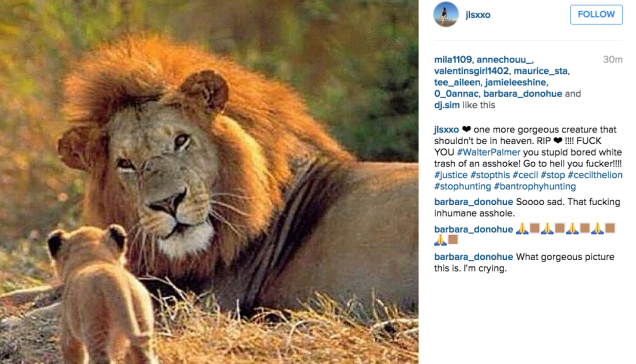
So angry, furious that a beautiful, noble being such as Cecil, was needlessly, uselessly, criminally killed because some sob wanted to prove what a big man he was. This gorgeous lion, Zimbabwe’s pride and joy, left behind 24 cubs, these cubs are now most likely going to be killed by other lions because their father is gone.

This man, this dentist, sickens me, literally makes me want to throw up! How dare he take a magnificent creature, Cecil, hunt and shoot him down, and then behead him to make a trophy for himself. Sickening! Big game hunting, hunting, just to feel the adrenalin rush from hunting and killing a beautiful, noble creature! Gotta stop this! Have to stop this! People, be civilized, don’t kill these magnificent, in many cases endangered, beings just to get your sick selves off.

No matter what they do to this heinous man, Cecil is gone, nothing will bring him back. Sometimes, I really feel sickened to be part of this sick race we call human.