Depression and its treatment

DSCN7218

From: http://www.nature.com/neuro/multimedia/depression/index.html

Around 10% of people will, at some point in their lives, suffer from depression, a mood disorder characterized by long periods of sadness, loss of motivation, excessive fatigue and a lack of interest in once-pleasurable activities known as anhedonia. Brain imaging studies demonstrate that many of the brain regions responsible for normally regulating mood show disrupted function in depression, which can be reversed by antidepressant drugs or behavioral and cognitive therapy. Researchers have turned to animal models of chronic stress to learn more about the neurobiology of depression. Chronically stressed mice show some symptoms that are similar to those of depressed humans: high levels of anxiety, less social interaction and anhedonia. As in humans, chronic stress in mice can lead to altered plasticity in various mood-related brain regions, including the hippocampus, amygdala, nucleus accumbens and prefrontal cortex. These changes in plasticity can be reversed by some antidepressant drugs, including ketamine, which has rapid antidepressant effects in patients. In this animation, we explore the neural circuits affected in depression and illustrate the molecular and cellular changes thought to underlie the effects of chronic stress and its remediation by antidepressant drugs.

Miraculous!

/home/wpcom/public_html/wp-content/blogs.dir/381/72261148/files/2014/12/img_3739.jpg
A 12.5 mg increase of Seroquel and I am feeling just about 100% normal!! Miraculous, absolutely miraculous, considering the hell I’d been living in the last three days! Thank goodness for these meds. Even though I rail against them sometimes, they truly are a godsend. More when I’m not falling asleep, tomorrow. Taking deep breaths and going to sleep now. Good night all, sweet dreams.

It’s Not going to beat me!

DSCN0878DSCN0878

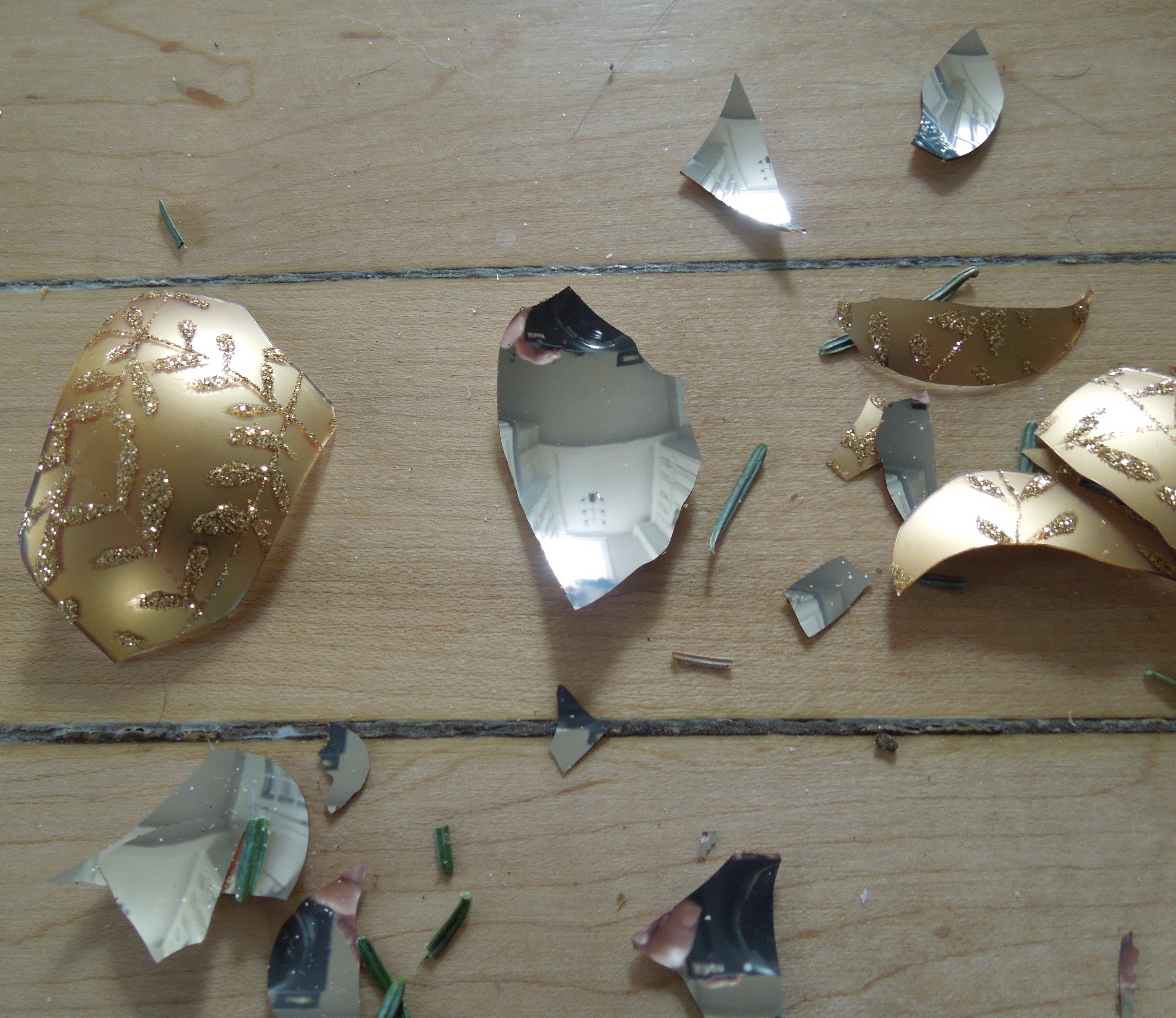
Mental illness is such a fucking waste of life! It is such a waste of a day, of moments. It is such a waste of time. We could be doing something constructive, we could be doing something artistic. we could be doing something positive, That’s what I’m going to do, right now. Damn it! I’m not going to let this god awful thing beat me, I’m going to decorate my tree!

It’s back :-( Now to make it go away.

DSCN1826_2 DSCN1826_2

Ah bipolar, how many guises do you come in? The manic, with its highs, fast talking, fast walking, ideas upon new ideas, boundless energy;  and the depressed, no new ideas, no energy, crying, suicidal ideation, yes we know those. The mixed phases, a mixture of both mania and depression with increased anxiety; even those ones we can recognize after a while. The incredibly anxious one, with panic in our breasts, hot peppers in our chests, pathetic crying spells, tears, copious tears streaming down our faces, not wanting to go out, obsessed with one thought, that something bad is going to happen to our loved ones, something so bad that we will not be able to handle it, terrified for our loved ones, anxious, out of our minds, now this is a new one, at least for me. The answer to this riddle? Trying an increase of 12.5 mg Seroquel. Cut a 50 mg pill into quarters, lets see if this will squash the anxiety without putting me to sleep, although at this point, being put to sleep sounds good to me haha. Just took it, so far, a little dizzy, but not sleepy. If this doesn’t work, I’ll increase to 25 mg, and if that doesn’t work, I will call my psychiatrist. Although most of his suggestions are no good for me… Maybe I’ll try meditation, maybe that will help… I’m sure exercise will help…

Actually anxiety seems to have subsided a little, Although muscle weakness has increased 😦 If I hadn’t been raised to speak without profanity, I think I would be swearing right now. Yes I would.

I would probably give my right arm to be rid of this torturous disease…

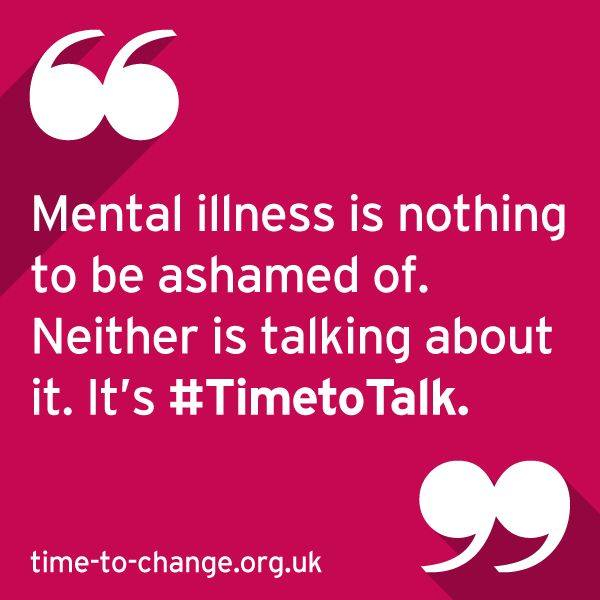
#TimeToTalk

mental illness

Yes it is difficult to talk about mental illness. No one wants to talk about how they are depressed or manic or anxious. It’s embarrassing, maybe you don’t even know you are in a manic phase. But when you do know, you do realize, talk about it. Talk to your doctor, your therapist, if you have one. Talk to your friends, let them know what it feels like. It’s important to start a dialogue. It’s important to make people understand. Our brains can hijack our lives, it’s important we understand our illness as well as we use our voice to make others understand mental illness.

Changing Our DNA Through Mind Control.

mind control From: http://www.scientificamerican.com/article/changing-our-dna-through-mind-control/

“Lead investigator Dr. Linda E. Carlson and her colleagues found that in breast cancer patients, support group involvement and mindfulness meditation – an adapted form of Buddhist meditation in which practitioners focus on present thoughts and actions in a non-judgmental way, ignoring past grudges and future concerns — are associated with preserved telomere length. Telomeres are stretches of DNA that cap our chromosomes and help prevent chromosomal deterioration — biology professors often liken them to the plastic tips on shoelaces. Shortened telomeres aren’t known to cause a specific disease per se, but they do whither with age and are shorter in people with cancer, diabetes, heart disease and high stress levels. We want our telomeres intact.

In Carlson’s study distressed breast cancer survivors were divided into three groups. The first group was randomly assigned to an 8-week cancer recovery program consisting of mindfulness meditation and yoga; the second to 12-weeks of group therapy in which they shared difficult emotions and fostered social support; and the third was a control group, receiving just a 6-hour stress management course. A total of 88 women completed the study and had their blood analyzed for telomere length before and after the interventions. Telomeres were maintained in both treatment groups but shortened in controls. Previous work hinted at this association. A study led by diet and lifestyle guru Dr. Dean Ornish from 2008 reported that the combination of a vegan diet, stress management, aerobic exercise and participation in a support group for 3 months resulted in increased telomerase activity in men with prostate cancer, telomerase being the enzyme that maintains telomeres by adding DNA to the ends of our chromosomes. More recent work looking at meditation reported similar findings. And though small and un-randomized, a 2013 follow up study by Ornish, again looking at prostate cancer patients, found that lifestyle interventions are associated with longer telomeres. The biologic benefits of meditation in particular extend well beyond telomere preservation. Earlier work by Carlson found that in cancer patients, mindfulness is associated with healthier levels of the stress hormone cortisol and a decrease in compounds that promote inflammation. Moreover, as she points out, “generally healthy people in a work-based mindfulness stress reduction program have been shown to produce higher antibody titers to the flu vaccine than controls, and there has been promising work looking at the effects of mindfulness in HIV and diabetes.” Past findings also show that high stress increases the risk of viral infections – including the common cold – as well as depression and cardiovascular disease. The therapeutic potential of the mind-body intersect is well-known. Biofeedback – in which sensor-clad patients learn awareness of and control over various physiologic functions – has been around for decades and is used to treat pain, headache, high blood pressure and sleep problems, among numerous other conditions. And of course there’s the placebo effect, the complicated yet very real psychobiological benefit achieved from a patient’s expectations of a treatment rather than the treatment itself. Though optimistic that meditative and social approaches are mental means toward better physical, and not just psychologic well-being, Carlson rightly hedges. “The meaning of the maintenance of telomere length in this study is unknown. However, I think that processing difficult emotions is important for both emotional and physical health, and this can be done both through group support with emotional expression, and through mindfulness meditation practice,” she says. Carlson wonders if mentally-rooted telomeric changes are long-lasting, if the same patterns would hold true in other cancers and conditions, and what the effects of mental intervention would be if offered at the time of diagnosis and treatment – all questions she hopes to pursue. According to a report published by Harvard Medical School in 2011, 6.3 million Americans were using mind-body therapies at the advice of conventional doctors – a surprisingly high number that has surely since grown. Still, prescription meditation – especially in the interest of physical health — is far from the norm in Western medicine. And it remains unclear whether or not preserved telomeres actually prolong survival in cancer patients; or in anyone for that matter. But stress reduction in the interest of chromosomal preservation, and other possible health benefits, seems like a pursuit even a 17th Century dualist philosopher could get behind.”

Triggers.

My friend Dyane posted about her experience with some bad news and how it triggered her into manicky behavior. I love this post. I think she coped very well. She had really good insight and minimized the damage that could have occurred. Brava Dyane! She spoke of her psychiatrist saying that next time she experiences a trigger she should take an extra 25 mg of Seroquel, which not only calms one down, it also increases your Norepinephrine levels, doubly good for someone in this sort of a crisis moment. I’m going to take 25 mg of Seroquel when I am triggered as well. It’s better than sending people messages upon messages  showing them how out of control I can be.I so relate to your post. My last tigger, haha trigger was the email that my Snapchat account was hacked into. Totally lost it, thinking about what kinds of messages may have been sent, what would happen, I was going to lose my friends,,, etc. etc. My brain went on a rampage which I couldn’t stop. Until a friend gave me a wake up call. But of course, who wants to have anything to do with someone who loses it because their account got hacked… Of course people want sane friends. Anyway, there’s always tomorrow and you get a chance to react to triggers in a better and constructive way. The chagrin and embarrassment and depression, because you reacted like a crazy person, //:after the episode is also awful and waking up feeling deadened… ugh… I think that is because when we are up, anxious, minds racing, it is due to an excess of neurotransmitters, and when we crash, it is because the neurotransmitter levels have bottomed out and our brains are in withdrawal. Isn’t it marvelous? I wonder why we had to be the ones. Pretty awful. To control the organ with the organ that is freaking out, namely the brain, not an easy thing to do. But we try and we learn we cope as best as we can. And Lithium and Seroquel are definitely our allies in this fight.