I’m back in the lab that is doing research on Bipolar disorder. Starting out with a literature search on Lithium, Glutamate, the NMDA receptor/s, etc.
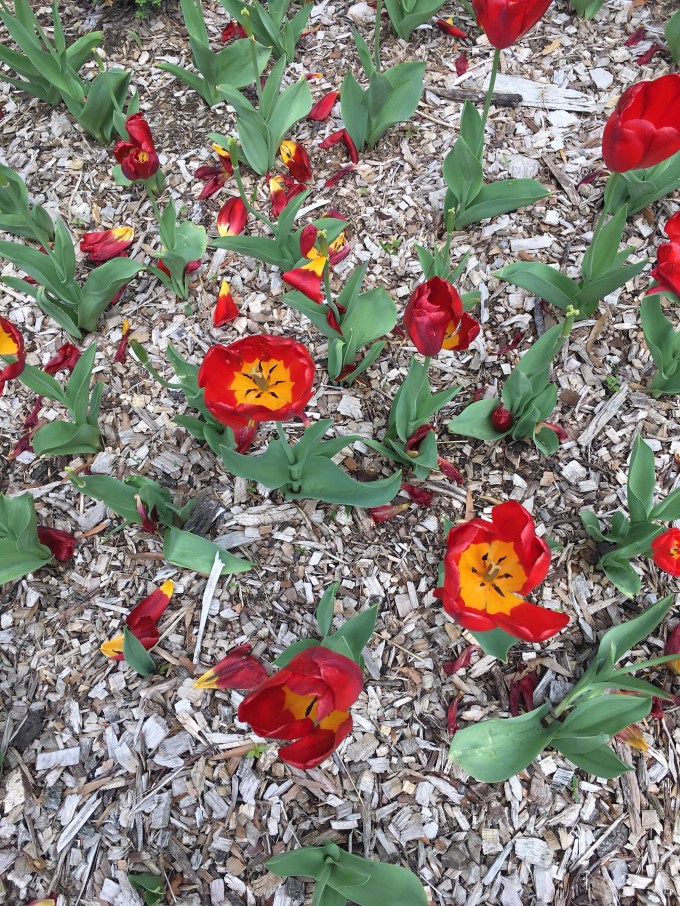
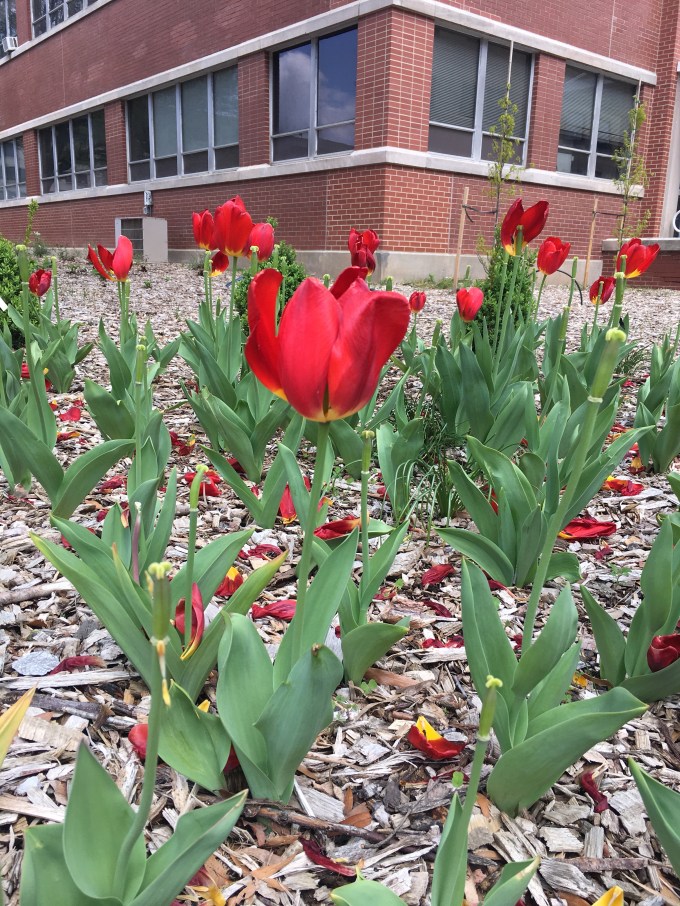
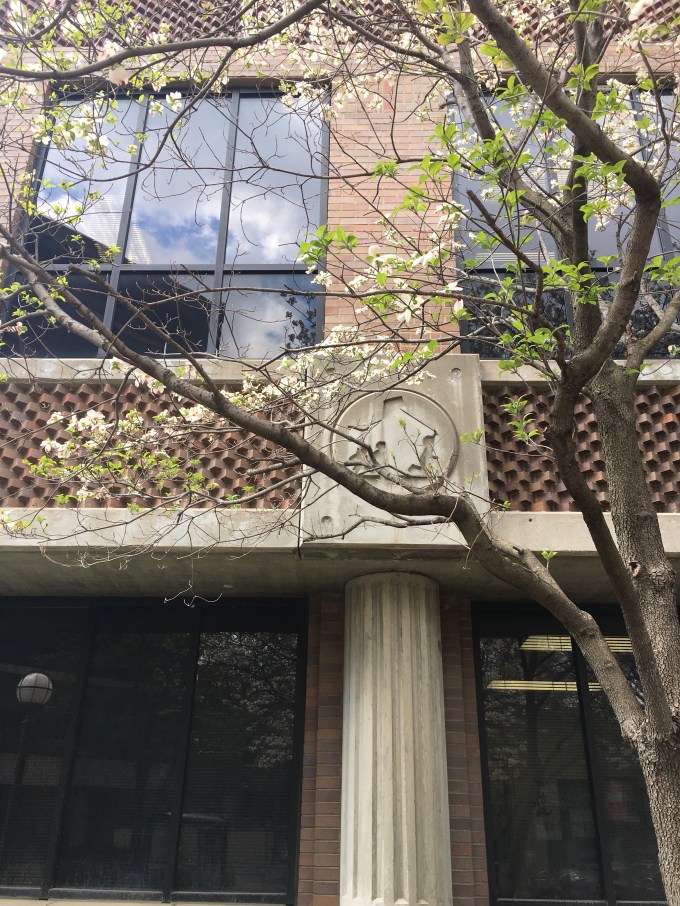
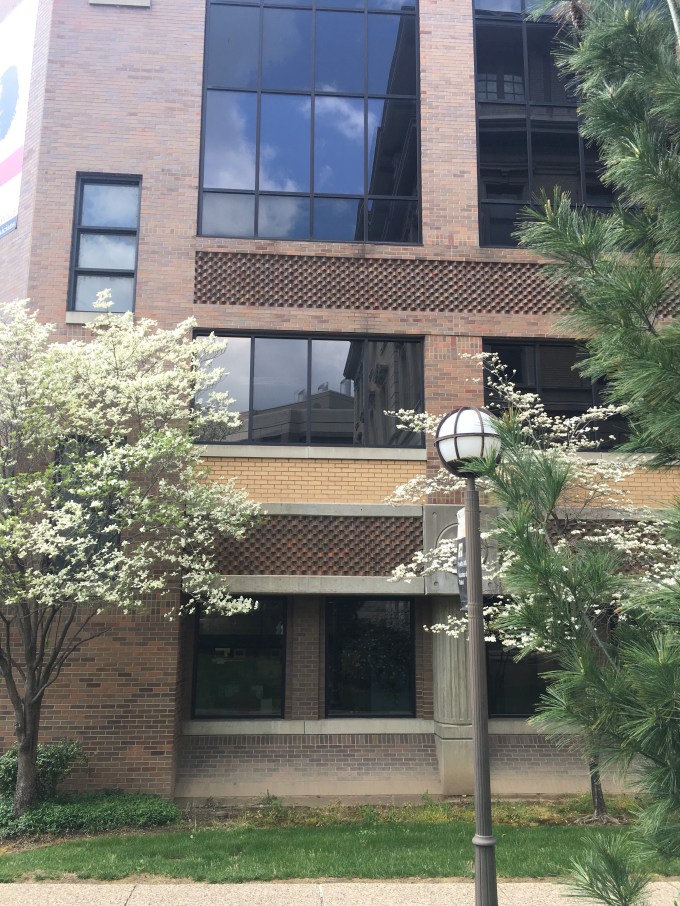
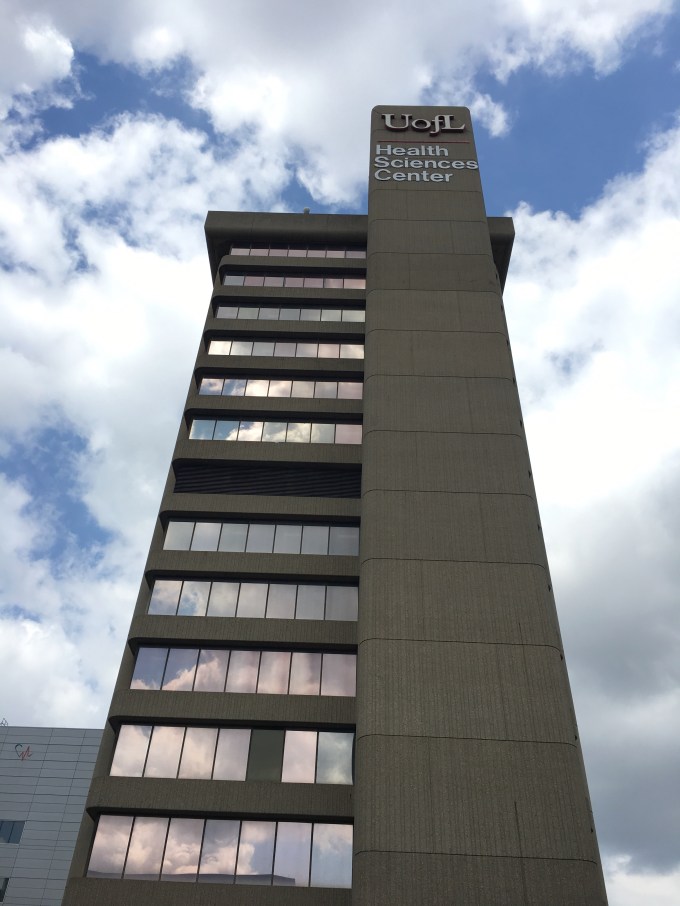
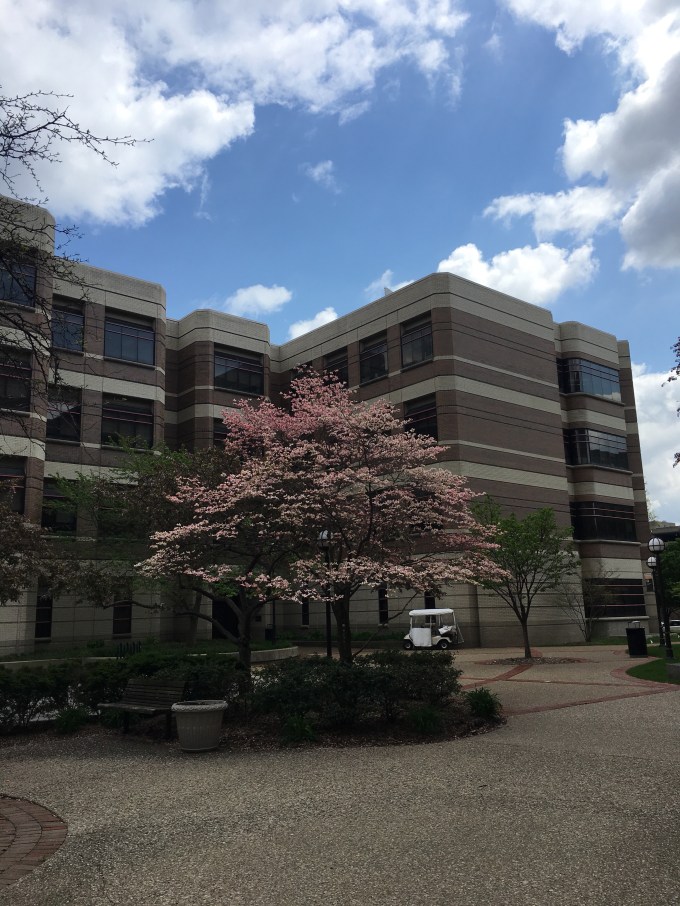
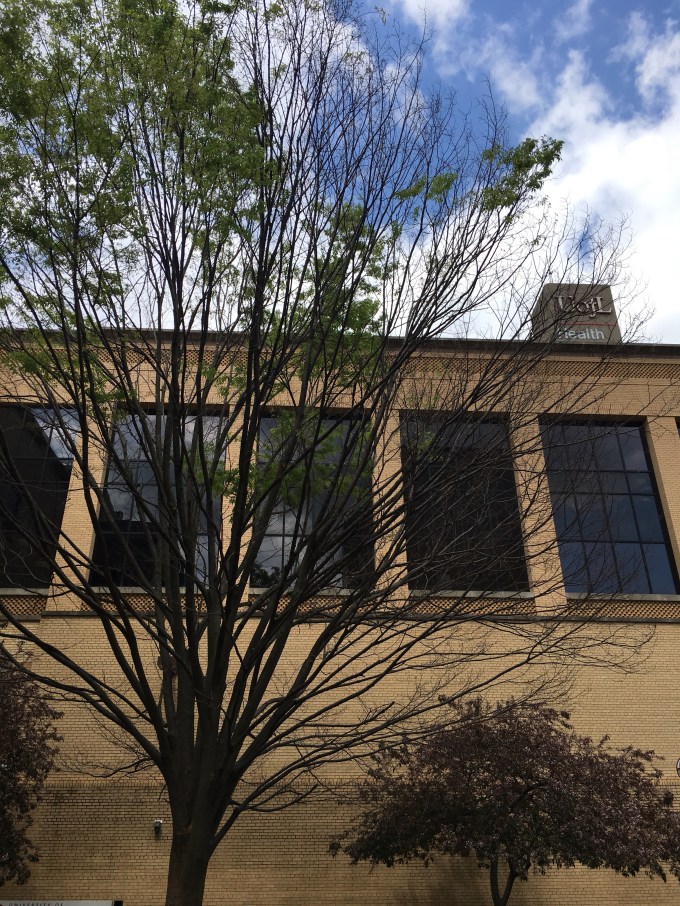
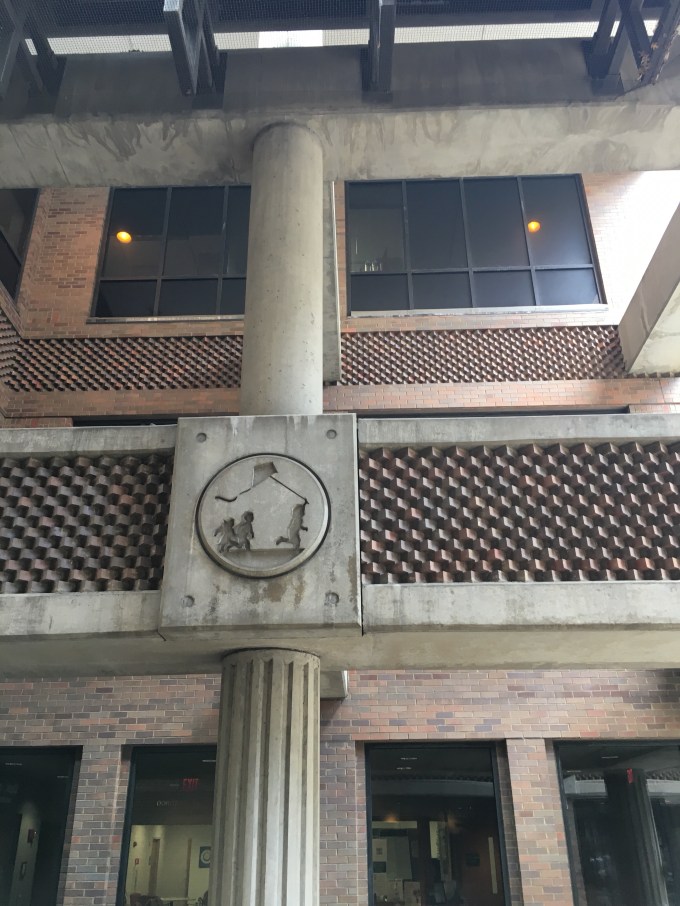
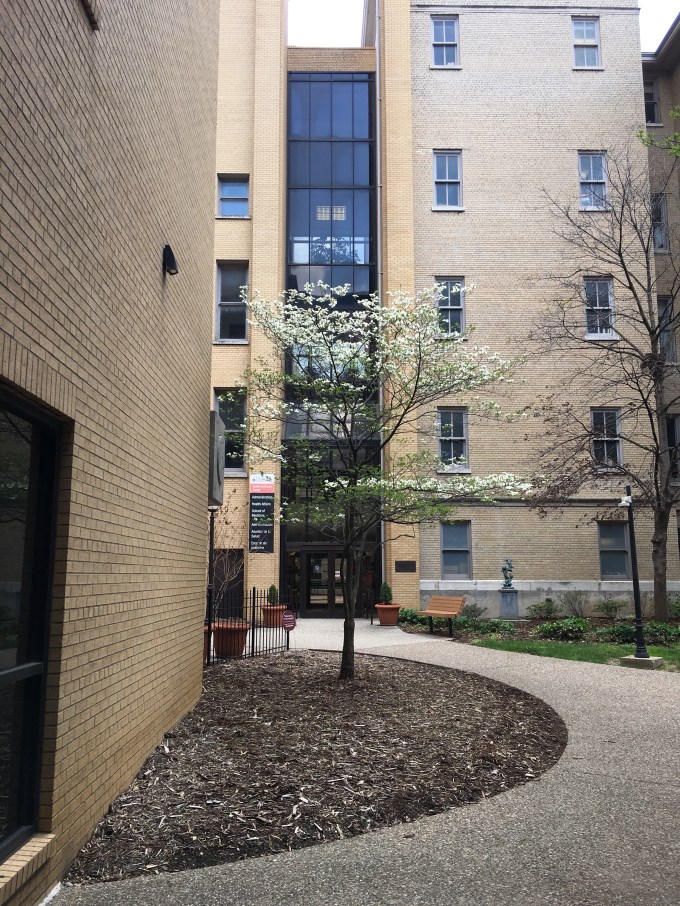
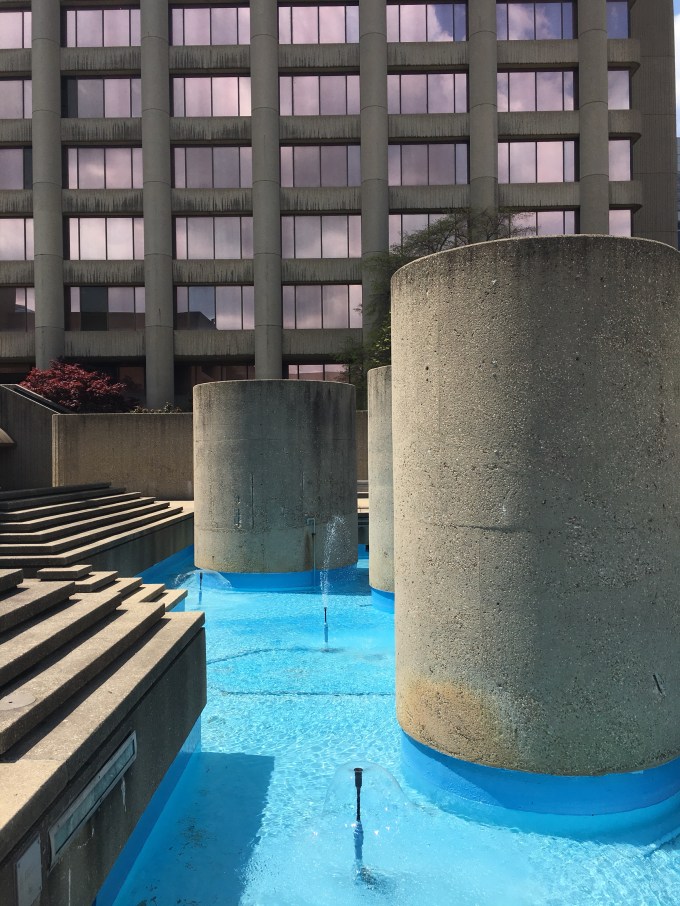
Went for a walk during lunch and of course saw many photos waiting to be taken.


I’m back in the lab that is doing research on Bipolar disorder. Starting out with a literature search on Lithium, Glutamate, the NMDA receptor/s, etc.
Went for a walk during lunch and of course saw many photos waiting to be taken.

In March 2016, the British Association for Psychopharmacology published new bipolar disorder guidelines.
Summary by Flavio Guzman, MD below.
The complete publication is 59 pages long, so I extracted some key points that you may find useful:
• Lithium remains the most effective treatment preventing relapse and admission to hospital in bipolar I disorder (I)
• Lithium prevents relapse to mania and, less effectively, depression (I). The highest dose that produces minimal adverse reactions and effects should be employed.
• Concentrations below 0.6 mmol/L are potentially too low to be fully effective and adverse reactions and effects become important above 0.8 mmol/L.
• Lithium reduces the risk of suicide (I).
• Valproate as monotherapy has limited trial data, is somewhat less effective than lithium in the prevention of relapse.
• Valproate should not usually be considered for women of child-bearing potential (I).
• Carbamazepine as monotherapy is less effective than lithium, has little if any effect on relapse to depression and is liable to interfere with the metabolism of other drugs (I).
• Lamotrigine is effective against depression in long-term treatment (I) and should be considered where depression is the major burden of the illness (IV).
 As my friend Sal pointed out, in order to come out of a depression or a manic phase, you have to seek/get help. And in the case of mental illness, because of the stigma, this requires courage. Well we have this courage.
If you broke your arm, you wouldn’t think twice about going to a doctor to get it repaired. You wouldn’t agonize over what the world will think of you if you admit you have a broken arm. You wouldn’t worry if someone saw the name of your medication, what would they think of you! You would simply march into the doctor’s office and get the treatment you needed.
Well, I know it’s very difficult to know that you are indeed in a depression the first time it hits you, but hopefully with the help of friends, family members, or doctors, when you do realize it is a depression, you don’t worry about the stigma, and go straight to a psychiatrist and get the help you need.
Depression, bipolar d/o, mental illness, is an illness of the brain, so it is a physical illness. And illnesses need to be treated to get better. So if you realize you are in a depression, march yourself to a good psychiatrist and get treatment. You are strong enough and you can get better, you will get better!
 One of the most terrifying things about having mental illness is the sense of loss of self. Never with a physical illness do you say to yourself or your doctor “Where did I go? This isn’t me. The person I was is lost and some stranger has taken my place…”
Never, even if you are so physically ill that you are in the hospital, do you lose yourself, lose the essence of who you are.
But in a mental illness such as depression, there is the feeling of a loss of sense of self. The first time it happened to me was 1985, without knowing what it was at all, I had fallen into a deep depression, and all I knew was that the person I had been was gone. It was one of the most frightening things I have experiences! Until then, I hadn’t even known that such a thing as losing yourself was possible.
Instead of me, there was a blank, terrified, forlorn, lost shell of a person, who wasn’t even sure of how to put one foot in front of another to take a step forward. That lasted for a few months until I was put on antidepressants, although they brought me out of my depression, they of course those pushed me into a full blown manic phase. A story for another time…
A family member is going through a rough depressive episode and it brought all this back to me.
The good news is that you can recover your lost self! As the depression abated, I became me again. Oh my goodness, what a relief, I wasn’t a hollow shell of myself any more, I could think my own thoughts, I could laugh, I could sing, I could be me! Then the bipolar roller coaster took me on a manic ride, but I recovered from that as well with the help of Lithium. And I have recovered from depression and mania many, many times since my coming down with this illness in 1984/1985.
So here’s the hope part of this blog. Never fear, with Lithium or another mood stabilizer, you will recover. At least there’s this as the silver lining to the storm cloud of bipolar disorder. You will recover. Hang on!
Just been thinking about this, always and forever an ongoing and newly discovered issue for me! Just wanted to share it again.
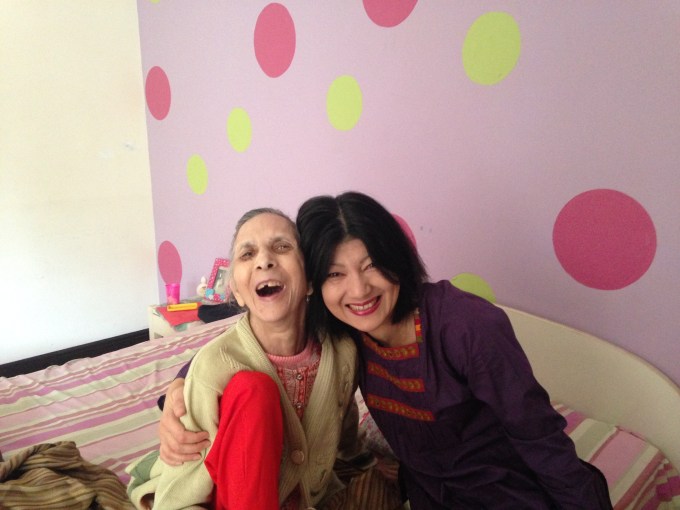 Yoga, Sufism, Buddhism, Gandhi, Martin Luther King, and Christ teach about love. All these great philosophies and teachers say there are only two ways to live our lives. One is in fear of everything, the other is in love of everything. I think everyone understands what living in fear means, but not everyone knows what I mean by living in love of everything. So I’ll explain. It’s not just romantic love, although that’s included of course. But what I am talking about here is “out of love.” Your heart is full of love for all beings, and all things. Even when you encounter something “bad,” you act out of the love in your heart. You never say to a child who is unhappy, perhaps needlessly according to you, “If you don’t stop, I’ll really give you something to cry about.” You act with the love in your heart and try…
View original post 342 more words
My friend Sarah gave us tickets to go to a function benefiting a nonprofit organization called Healing TREE and I happily went along. There, I saw and heard a very compelling and beautiful young woman, Marissa Ghavami, talking about interpersonal trauma. She, along with her cofounders (see below), had started Healing TREE in order to address this veritable epidemic of trauma. Healing TREE offers knowledge and help, support and hope to people who have endured trauma. As a survivor of pretty awful child abuse myself, all this information really hit home with me. And I asked Marissa how I could be of help, and of course this blog came to mind. So here is information about Healing TREE, their mission, their resources and their aim to help those who have suffered trauma or are in an ongoing traumatic relationship or situation. I am, in fact, going to contact one of the professionals (listed on their Approved Care Network) in my area who does EMDR and give that a try.
There is so much information and help here! Please take a look, dear readers, this is a valuable resource in taking steps to learn about and heal the trauma that relationships, or actually any other situation in life, can inflict upon us. Healing is possible, it can be done and YOU can do it!

https://healingtreenonprofit.org/
Healing TREE is a nonprofit organization and a huge resource for people who have suffered trauma. It was founded by Marissa Ghavami, who is currently the CEO of the organization, and her cofounders Debbie Ghavami and Bruce Hardy PhD. She is an actor as well as an advocate for healing from trauma. Healing TREE’s mission is to transform how society responds to abuse and interpersonal trauma. Healing TREE is an organization that wants to shift the focus from “putting a band aid” on traumatic experiences to healing from them. They promote trauma focused treatment modalities that engage the part of the brain that is involved in surviving trauma (the amygdala, or over activated fight or flight response) thereby healing people on a neurological and emotional/mental level. They address all forms of abuse and interpersonal trauma. And the link between trauma and mental illness is also explored.
If a person with these issues comes upon this website, it would give them not only resources to get better but so much hope that it is possible to get better from trauma and abuse! There are modalities and therapies that are available to help people suffering from trauma, and Healing TREE will match people who are suffering from trauma with helping professionals in their area.
As Ms. Ghavami states: “Leading studies (such as the ACE Study*) show that trauma is nothing less than a public health crisis and that it is the root cause behind so many of the toughest problems our society is faced with, like mental illness, physical illness, addiction, crime, assault, domestic violence, homelessness and suicide. Effective treatments are available, there is just a lack of integration between the trauma, mental health and medical fields and of general knowledge surrounding the issue. Healing TREE exists to change that so that healing from trauma becomes the new normal. With the #MeToo and #TimesUp movements, our work has never been more relevant. We want to take the current surge of public awareness around issues of abuse a step further though through the resources, education and empowerment at the heart of our mission. We connect those who have suffered trauma with resources for healing rather than coping, provide education to professionals across fields and the public at large that promotes awareness, effective intervention and cutting edge treatment and offer empowerment through producing arts projects that encourage a healing movement.”
Below is a powerful new video, a Public Service Announcement on “Trauma Bonding.” It is gut wrenching and gives us the startling and heart breaking revelation that women leave an abusive relationship, on average, seven times before being free of it! It also points to resources for people who are stuck in abusive relationships.
Ms. Ghavami states: “The PSA, entitled Bound, was created by Samantha Scaffidi and produced by Voyager Studios LLC in association with SLMBR PRTY. It addresses the question of why people who are, or have been, victims of various forms of abuse often feel a powerful attachment to the people who have abused them. Furthermore, it points towards resources that emphasize trauma’s impact on the brain and promote effective treatment (apart from the typical cognitive approach that doesn’t engage the survival part of the brain that is injured during abuse), which leads to breaking the cycle and finding healing. It is so important that people who are being, or have been, abused see stories that they can relate to and feel empowered to get the help they deserve to heal, free from shame.”
The beautiful bracelet below is a palpable reminder that help is available and people who are in traumatic situations or have been in the past, can BREAK FREE! It can be purchased here to keep the thought and the strength behind it with yourself!
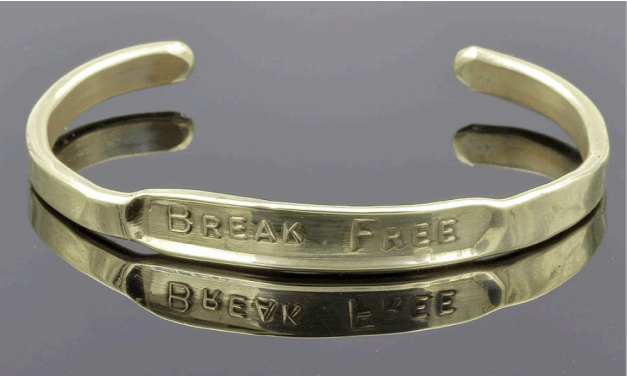
Ms. Ghavami says: “The PSA Bound inspired a “Break Free” bracelet, designed by Ladies of Iron. It is a perfect gift of encouragement or celebration for someone who is considering breaking free from trauma bonding or celebrating a life free from abuse. 50% of the proceeds from these bracelets will be donated directly to Healing TREE to help support our mission. They can be bought here: http://www.ladiesofiron.com/product-page/break-free-bracelet
Below is a video from the Healing TREE website : It is extremely informational and helpful.
*Further reading about the ACE study: https://www.cdc.gov/violenceprevention/acestudy/about_ace.html

Once again, it is World Bipolar Day. We don’t celebrate the fact that we have bipolar disorder, we celebrate the fact that we are strong enough to live with it. So to all my fellow people who live with this illness, I celebrate you, your strength, your tenacity and determination to survive and even thrive with this illness. I have hope that with all the research that is going on, there will be better and better treatments available for us, until hopefully one day, the treatments will work so well that we won’t even be aware that we have this illness!
Until that day, we will band together, support each other, and write, write, write our blogposts to learn, blow off steam, inform, educate, offer support.
Congratulations fellow people with bipolar d/o, congratulations on your strength and determination!
Quite amazing. I choose the right hemisphere to live in for most of my life. Oh peace would be miraculous!
Depression is associated with the lateral orbitofrontal cortex which is the nonreward center in the brain. It also affects the area which is involved in sense of self. So sufferers feel the sense of loss and disappointment associated with not getting a rewards, and also feel a sense of loss of themselves and low self esteem. Sound familiar? It seems that there would be over activity of the nonreward center and underactivity of the area responsible for sense of self and these (and other factors) would lead to depression. Again, depression is a physical disease, and as we find out more about its causes, it will hopefully be able to be treated much more effectively soon!

Understanding of the physical root of depression has been advanced, thanks to new research –
Understanding of the physical root of depression has been advanced, thanks to research by the University of Warwick, UK, and Fudan University, China.
The study shows that depression affects the part of the brain which is implicated in non-reward—the lateral orbitofrontal cortex—so that sufferers of the disease feel a sense of loss and disappointment associated with not receiving rewards.
See Also: Genetics in depression: What’s known, what’s next
This area of the brain, which becomes active when rewards are not received, is also connected with the part of the brain which is involved in one’s sense of self, thus potentially leading to thoughts of personal loss and low self-esteem.
Depression is also associated with reduced connectivity between the reward brain area in the medial orbitofrontal cortex and memory systems in the brain, which could account for sufferers having a reduced focus on happy memories.
These new discoveries could herald a breakthrough in treating depression, by going to the root cause of the illness, and helping depressed people to stop focussing on negative thoughts.
The study has been carried out by Professor Edmund Rolls from Warwick, Professor Jianfeng Feng from Warwick and from Fudan University in Shanghai, Dr. Wei Cheng from Fudan University, and by other centres in China.
Learn More: Mindfulness treatment as effective as CBT for depression and anxiety
In a particularly large study, almost 1,000 people in China had their brains scanned using high precision MRI, which analyzed the connections between the medial and lateral orbitofrontal cortex—the different parts of the human brain affected by depression.
Feng comments that depression is becoming increasingly prevalent: “More than one in ten people in their life time suffer from depression, a disease which is so common in modern society and we can even find the remains of Prozac (a depression drug) in the tap water in London.”
“Our finding, with the combination of big data we collected around the world and our novel methods, enables us to locate the roots of depression which should open up new avenues for better therapeutic treatments in the near future for this horrible disease,” Feng continues.
Read Next: Link found between depression and abnormal brain response to visceral pain in patients with IBS
Rolls looks forward to the new treatments the research could lead to. “The new findings on how depression is related to different functional connectivities of the orbitofrontal cortex have implications for treatments in the light of a recent non-reward attractor theory of depression.”
Note: Material may have been edited for length and content. For further information, please contact the cited source.
University of Warwick press release
Cheng W et al. Medial reward and lateral non-reward orbitofrontal cortex circuits change in opposite directions in depression. Brain, Published Online October 14 2016. doi: 10.1093/brain/aww255
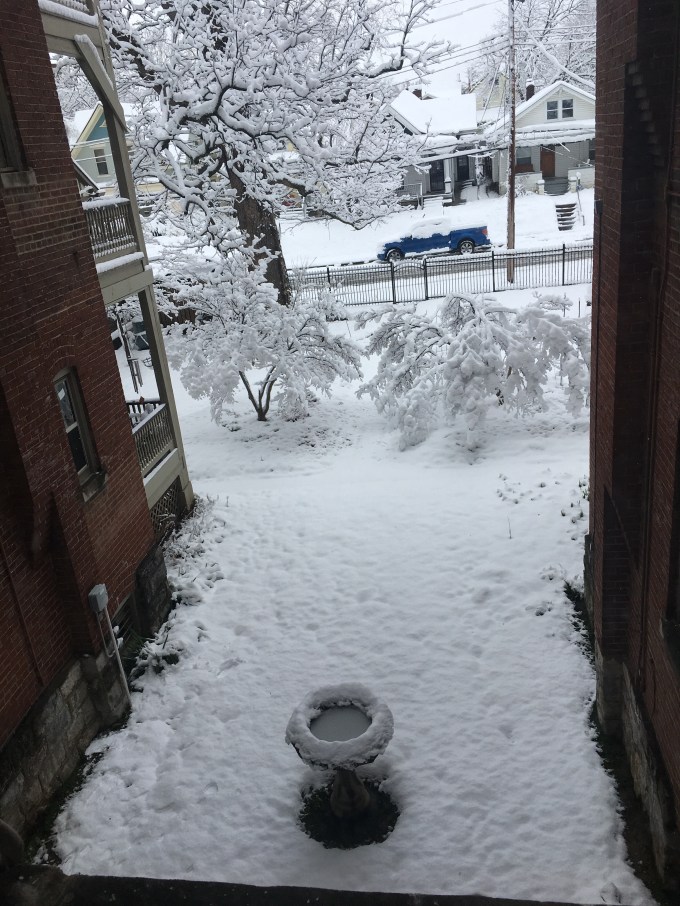
Beautiful snow in Louisville today!
I can see the good in almost all people, not serial murderers and the like, but all normal people. Even if I don’t like someone, I can usually see their positive traits anyway. I know some people who look at other people very negatively, very critically. I think that is a disservice they do to the other person as well as to themselves. It’s sad to not see the beauty that shines through someone. It’s sad to deny that goodness exists. Does it mean that they think nothing good exists? Does it mean that they think they can be the judge that judges all? I don’t know how people become that way, possibly mimicking a parent, possibly out of insecurity, possibly both. The parent may have had insecurities, or delusions of grandeur or narcissism. Both my parents were narcissists, yet I didn’t become like them, I actively avoided it.
I’m not saying I’m perfect, by no means, but I do look for and see goodness in people.
Just some thoughts I had today.

 Palestine WILL Be Free