So proud of my friend Dyane Haywood (https://proudlybipolar.wordpress.com) for writing her book called “Birth of a New Brain”. All the ordering information is below. This is an amazing memoir of developing bipolar disorder after the birth of her daughter, Dyane is helping bring into mainstream consciousness that such a thing as peripartum/postpartum bipolar disorder exists. I will be getting my book on October 10. I am so excited, can’t wait to read it!
Massive Congratulations, Dyane! With love and hugs.
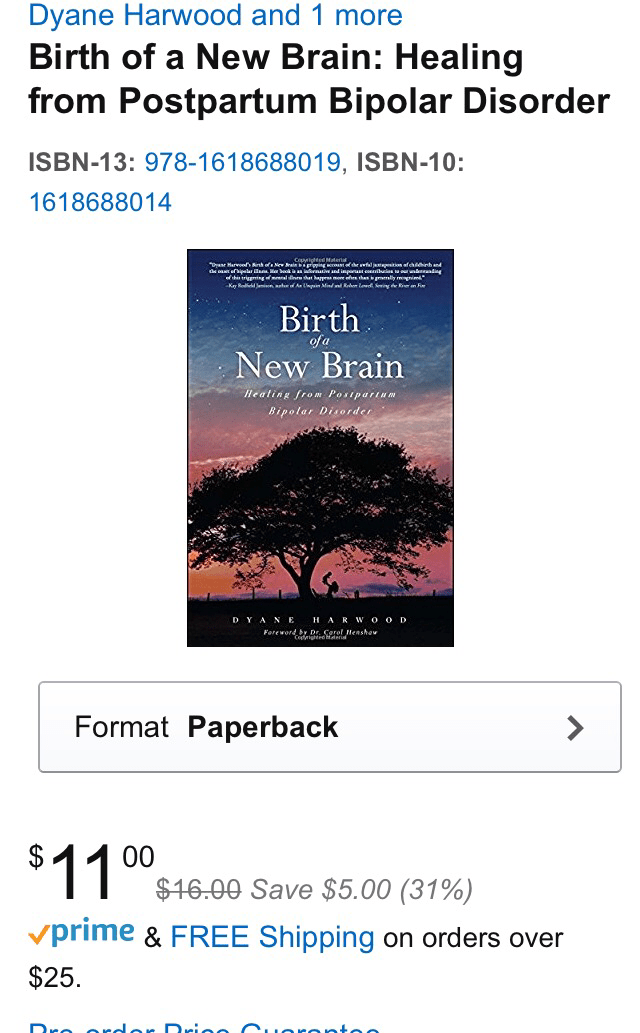
https://www.amazon.com/Birth-New-Brain-Postpartum-Disorder/dp/1618688014/ref=sr_1_1?s=books&ie=UTF8&qid=1497046625&sr=1-1&keywords=Dyane+Harwood
Description
Product description
When a new mother becomes manic overnight from a rare form of bipolar disorder, she stops at nothing to find the mental stability she needs to stay alive.
After the birth of her baby triggers a manic maelstrom, Dyane Harwood struggles to survive the bewildering highs and crippling lows of her brain’s turmoil. Birth of a New Brain vividly depicts her postpartum bipolar disorder, an unusual type of bipolar disorder and postpartum mood and anxiety disorder.
During her childhood, Harwood grew up close to her father, a brilliant violinist in the Los Angeles Philharmonic who had bipolar disorder. She learned how bipolar disorder could ravage a family, but she never suspected that she’d become mentally ill—until her baby was born.
Harwood wondered if mental health would always be out of her reach. From medications to electroconvulsive therapy, from “redwood forest baths” to bibliotherapy, she explored both traditional and unconventional methods of recovery—in-between harrowing psychiatric hospitalizations.
Harwood reveals how she ultimately achieved a stable mood. She discovered that despite having a chronic mood disorder, a new, richer life is possible. Birth of a New Brain is the chronicle of one mother’s perseverance, offering hope and grounded advice for those battling mental illness.
Review
“Dyane Harwood’s Birth of a New Brain is a gripping account of the awful juxtaposition of childbirth and the onset of bipolar illness. Her book is an informative and important contribution to our understanding of this triggering of mental illness that happens more often than is generally recognized.” (Kay Redfield Jamison, author of “An Unquiet Mind” and “Robert Lowell, Setting the River on Fire”)
“With candid, explicit depictions of her compelling journey through postpartum bipolar disorder, Dyane skillfully brings the painful honesty necessary for growth in our field, as well as hope to those suffering. Birth of a New Brain is a rare resource that will benefit practitioners, their patients, and the public at large.” (Shoshana S. Bennett Ph.D. Author, “Beyond the Blues: Understanding and Treating Prenatal and Postpartum Depression” & “Anxiety, Postpartum for Dummies, Clinical Psychologist for Perinatal Disorders”)
“Dyane Harwood’s new book Birth of a New Brain is a phenomenal gift to the mental illness community, especially for postpartum sufferers. Dyane’s clever weave of gut-wrenching honesty entwined with intricate storytelling illuminates an under-profiled mental illness. Birth of a New Brain is an important addition to the world’s mood disorder literature, and it will help those with perinatal and bipolar disorders of all kinds. Delve into Dyane’s incredible story, one that untangles the baffling and under-reported illness of postpartum bipolar-disorder. Prepare to be moved. You won’t regret it.” (Wendy K. Williamson, Author, “I’m Not Crazy Just Bipolar” and “Two Bipolar Chicks Guide to Survival: Tips for Living with Bipolar Disorder”)
“Bipolar illness is serious and widely misunderstood. When it emerges in the postpartum period, women and medical professionals are often blindsided due to the current lack of awareness. Birth of a New Brain is a brave and deeply personal account of how bipolar illness can impact a new mother. Her honest reveal of startling references such as mania, ECT, hospital wards, suicide and “tsunami obsessions” creates heartfelt transparency and highlights its stigma-busting potential. Postpartum women in distress will relate to Dyane Harwood’s genuineness and be greateful for this book.” (Karen Kleiman, MSW, LCSW, Author, “The Art of Holding: An Essential Intervention for Postpartum Depression and Anxiety,” Founder, The Postpartum Stress Center)
“This is a story of when love alone can and cannot heal in bipolar disorder. It is a story of mental illness seen through the eyes of a daughter, a wife, and a mother. Birth of a New Brain was a privilege to read.” (Dr. Greg de Moore, Author of Finding Sanity: John Cade, Lithium, and the Taming of Bipolar Disorder, Associate Professor of Psychiatry, Westmead Hospital, Australia)
“With artful prose and brutal honesty, Dyane Harwood depicts her struggle to have a stable, peaceful life as a wife and mother amidst the turmoil brought on by postpartum bipolar disorder in Birth of a New Brain. Despite many false starts, missteps, and even cruel and indifferent treatment at the hands of certain medical professionals she encountered, Harwood soldiered on and finally arrived at her own truth. The answers, for the most part, were inside her all along, and consisted of self-care habits, including healthy eating, sufficient sleep, and consistent exercise. Thoroughly researched with a wealth of resources for mothers and families, Birth of a New Brain is an invaluable resource and reference point for mothers grappling with shifts in mood after the birth of their children.” (Matt Samet, Author, Death Grip: A Climber’s Escape from Benzo Madness, Editor, Climbing Magazine)
“Dyane Harwood’s book Birth of a New Brain is very timely. As the different lines of evidence are converging on a balanced and holistic approach in treating mood disorders, Dyane successfully weaves the latest research with personal insight to produce a very impactful roadmap for others towards recovery.” (Mohammad Alsuwaidan, MD, MPH, FRCPC, Dip ABPN Assistant Professor of Psychiatry, Kuwait University & University of Toronto, Head of Mental Health Unit, Mubarak Al-Kabeer Hospital, Board of Councilors, International Society for Bipolar Disorders)
” Birth of a New Brain is a candid portrayal of Dyane Harwood’s lived experience of pospatrum bipolar disorder. In my 25 years of practice as a perinatal psychiatrist, I have not come across a book that left me so informed, moved and inspired. The mental health field owes her a debt of gratitude for all she has done to highlight the triggering role of childbirth in bipolar disorder. This is a must-read for mental health practitioners as well as sufferers of bipolar disorder.” (Dr. Verinder Sharma, Professor of Psychiatry and Obstetrics & Gynecology, Western University, London, Ontario, Canada)
” Birth of a New Brain is essential reading not only for mental health care professionals, but for anyone who is suffering or knows someone who has been affected by bipolar disorder or a perinatal mood disorder. I admire Dyane for not only sharing her courageous journey, but also educating us about a subject that is not nearly discussed enough.” (Lindsay Gerszt, Executive Producer of “When the Bough Breaks”)
“With Birth of a New Brain, Dyane Harwood adds to the body of work on perinatal mood disorders by providing a thorough, moving account of her journey toward mental wellness after postpartum bipolar mania. Like many other women, because Harwood had no prior diagnosis of bipolar disorder and nobody caught the red flags in her mental history, she was unaware she risked a mental health crisis postpartum.
We often associate bipolar disorder (pre-existing or postpartum onset/diagnosis) with postpartum psychosis may have an underlying bipolar disorder, not all of those with bipolar have psychosis, and not all those with psychosis have bipolar.” (Teresa Twomey, JD, Author of Understanding Postpartum Psychosis: A Temporary Madness, Postpartum Support International State Coordinator, CT, and TEDxBushnell Park Presenter “What is Postpartum Psychosis?”)
” Birth of New Brain is a beautiful portrayal of Dyane Harwood’s excruciating journey with bipolar disorder. Her honesty and courage in sharing her experience is impressive and commendable. Our field needs this book. It is edifying and inspiring. Birth of a New Brain is a must-read for psychiatric providers and individuals suffering with mood disorders. Dyane’s account of her illness is a brave step toward our society embracing that individuals with psychiatric illness deserve and should receive casseroles, cards, and flowers, similar to patients with any other medical illness.” (Dr. Nancy Byatt, D.O., M.S., M.B.A., F.A.P.M. Medical Director, MCPAP for Moms, Associate Professor of Psychiatry and Obstetrics & Gynecology UMass Memorial Medical Center/UMass Medical School)
” Birth of a New Brian by Dyane Harwood is a trailblazing story of hope and recovery. Dyane’s depiction of postpartum bipolar disorder and treatment-resistant bipolar depression will encourage readers who have any form of bipolar disorder to persevere to find effective treatment.” (Susan Berger, Chairwoman, International Bipolar Foundation)
“Dyane Harwood’s writing eloquently brings to life the complex interaction between the person, her world and the changes in how she perceives it wrought by the onset of mania following childbirth. She unpicks the conflict faced by all of us who experience chronic mood problems—between the pressure to follow sometimes uncertain ‘medical advice’ uncritically and the need to retain some sense of self-agency, because with that comes hope of being able to lead the kind of lives we want to live. She rightly challenges the doctors who project their own failings onto the ‘problem patient.’ Indeed, she highlights the importance for all of us of finding a doctor in whose expertise one can invest respect and trust. We are all so much more than our ‘illness’ but can find that goal hard to achieve. Dyane Harwood’s extraordinary book shows us how to do it.” (Dr. Linda Gask, Author, The Other Side of Silence: A Psychiatrist’s Memoir of Depression, Emerita Professor of Primary Care Psychiatry at the University of Manchester)
“Dyane’s journey through mental illness has taken an astonishing amount of twists and turns, and in Birth of a New Brain, she generously and courageously shares her experience so that others may learn from it. Birth of a New Brain is an invaluable and hopeful guide for anyone confronting mental illness so they can get the help they need and deserve, from professionals and family, without shame.” (Mark Lukach, Author, My Lovely Wife in the Psych Ward)
“There is a distinct need for Dyane Harwood’s book Birth of a New Brain. Although Dyane had a specific trigger for her bipolar disorder, peripartum onset after the birth of her second daughter, her story applies to anyone who has been affected by depression, mania and anxiety, either first hand or through caring about someone who lives with a mood disorder. Dyane’s perseverance in finding treatments and strategies to regain stability will offer hope to those on the same journey, whether they’re at the very beginning or somewhere along the way.” (Joanne M. Doan, Publisher of bp Magazine | hope and harmony for people with bipolar)
“In Birth of a New Brian, Dyane Harwood gives voice to countless women who’ve suffered postpartum bipolar disorder. As a therapist specializing in bipolar disorder, I’ve seen how this condition can be misdiagnosed and mistreated, especially in the prenatal and postpartum phases. Dyane’s passionate story of missed opportunities to correctly identify and treat her mood swings shows us how new mothers can fall through the cracks of a sometimes chaotic mental health system. But her relentless pursuit of the truth behind her anguish gives us hope. Through all the confusion, doubt and despair, she never gives up. Postpartum bipolar disorder is real! And Dyane is an inspiring example of how to thrive far beyond it.” (Michael G. Pipich, M.S., LMFT, Therapist, Author, National Speaker on Bipolar Disorder)
” Birth of a New Brain is an important contribution to our understanding of postpartum bipolar disorder. New moms are often unaware that this condition manifests in the complicated ways Dyane Harwood brings to life with her vivid, compelling prose, and even seasoned clinicians can miss the signs of postpartum hypomania or mania. Dyane brings wit and wisdom to what I think will be very helpful to her peers who experience postpartum bipolar disorder, their loved ones and new families, and the doctors who treat them. In fact, what Dyane so generously shares within Birth of a New Brain may well prevent some of the pain and danger that she unfortunately had to experience.” (Allen Doederlein, President, Depression and Bipolar Support Alliance (DBSA))
“Dyane Harwood gives voice to the enormours pain and suffering associated with severe postpartum mental illness. In sharing her story of postpartum mania, she poignantly describes the association between bipolar disorder and the exacerbation of symptoms triggered by childbirth. Birth of a New Brain is an important book that should be required reading by all who provide care to perinatal women.” (Dr. Samantha Meltzer-Brody, MPH, Director, Perinatal Psychiatry Program Director, University of North Carolina Center for Women’s Mood Disorders)
“Dyane Harwood has changed the landscape in our ability to reach out to families and prevent crises related to perinatal bipolar disorder. In Birth of a New Brain, Dyane movingly illustrates that the experience of living through the extreme symptoms of bipolar disorders without help is lonely and frightening. Dyane has accomplished a wonderful goal; she not only provides solid information about bipolar mood disorder symptoms, risks, and distress, but also uses her authentic voice to illustrate hope, healing, and stability. Women and families who read this book will come away feeling like they just made a trustworthy friend, one they can rely on for honesty, wisdom, up-to-date facts, and a model of recovery. The book will make a world of difference in the provider’s ability to understand risk factors, assess, and support women living with perinatal bipolar mood disorder symptoms, and it will also empower parents to ask the right questions and improve their ability to take healthy steps on the road to recovery.” (Wendy N. Davis, PhD, Executive Director, Postpartum Support International)
“In Birth of a New Brain, author and advocate Dyane Harwood provides the reader with an intimate look at her journey with postpartum bipolar disorder. This book will be a blessing for anyone who has received a diagnosis of bipolar disorder and wishes they had a best friend to “show them the ropes.” Dyane bares her soul and spares no details whether it’s describing the effects of the myriad of medications she was prescribed or the moment she found herself pleading for electroconvulsive therapy (ECT) due to suicidal thoughts. Ultimately, this is a book about hope, courage, and perseverance. I have long admired Dyane as a fellow advocate; after reading this book, I have enormous respect for her as a warrior in the fight against stigma.” (Caroline Whiddon, Co-Founder & Executive Director, Me2/Orchestra, Inc., Music for Mental Health)
About the Author
Dyane Harwood holds a B.A. in English and American Literature from the University of California at Santa Cruz. A freelance writer for two decades, she has interviewed bestselling authors including Dr. Kay Redfield Jamison, Anthony Bourdain, and SARK. In 2007, Harwood was diagnosed with postpartum bipolar disorder (bipolar, peripartum onset).
Harwood has been profiled in The Huffington Post about her postpartum mental health advocacy. PsychCentral honored Harwood as a Mental Health Hero, and the International Bipolar Foundation featured her as a “Story of Hope and Recovery.” Harwood has written about postpartum bipolar disorder for The Mighty, Anchor Magazine, Postpartum Support International, Postpartum Progress, and the Stigma Fighters Anthology. She founded a chapter of the Depression and Bipolar Support Alliance (DBSA) and facilitated free support groups for women for nine years. Harwood lives in Ben Lomond, California, with her two daughters, husband, and Scotch collie.
Dr. Carol Henshaw was a Senior Lecturer in Psychiatry at the University of Keele, UK, a consultant psychiatrist at the Cheshire and Wirral Partnership NHS Trust and Liverpool Women’s NHS Foundation Trust, and an Honorary Senior Lecturer at the University of Liverpool. She has served on the Executive Committee of the Royal College of Psychiatrists’ Perinatal Section. Dr. Henshaw is a former president of the International Marcé Society for Perinatal Mental Health, a scientific society devoted to mental illness related to childbearing. She has published numerous articles on perinatal depression. Dr. Henshaw is the co-author of The Modern Management of Perinatal Psychiatry, Perinatal Mental Health: The Edinburgh Postnatal Depression Scale (EPDS) Manual, and Screening for Perinatal Depression.


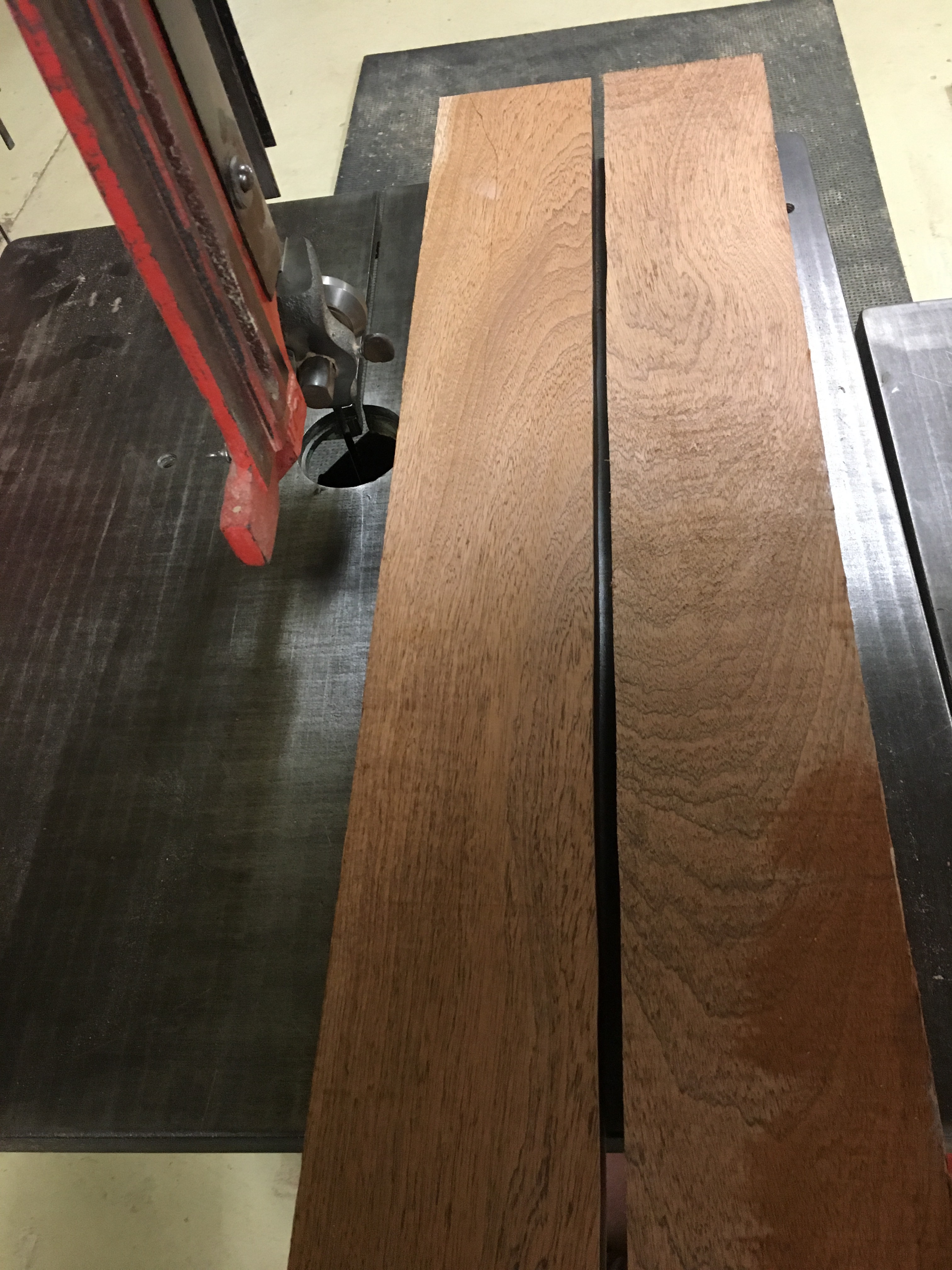 This is the Mahogany I’m using to make my table. It’s resting on the saw I cut it with.


 < img src=”





































 A little video of what is a neuron, the predominant cell of the brain. Its anatomy, the structures that are present in it. This is where all the activity in the brain takes place, in s neuron and in between neurons through nerve impulses that go down axons or even dendrites. Also the spaces between neurons, known as synaptonemal junctions, is where neurotransmitter activity happens and neurotransmitters are secreted by one neuron and picked up by others.
 Feeling terrible. Woke up with a cortisol hangover. My son is moving into fear again, some crazy story about a woman being hogtied behind his building that a neighbor told him of course has his fight or flight activated. So that’s where my anxiety is coming from 😥
 Having trouble, friends! My sweet, fallen brother’s birthday, the mass shooting, and the very worst for me: awful worries about my son, perhaps not warranted but still in my solar plexus and in my heart. Full of worries about my son. He was attacked by a gang a few months ago. Even though he is as strong as an ox and healthy, thank goodness and all that is good and hopeful on this earth and in this universe, he is still living with the after effects of the attack 😥 Will he be alright? Will his life be good? Will he be loved and healthy and happy? Yes, yes, and yes I insistently tell myself!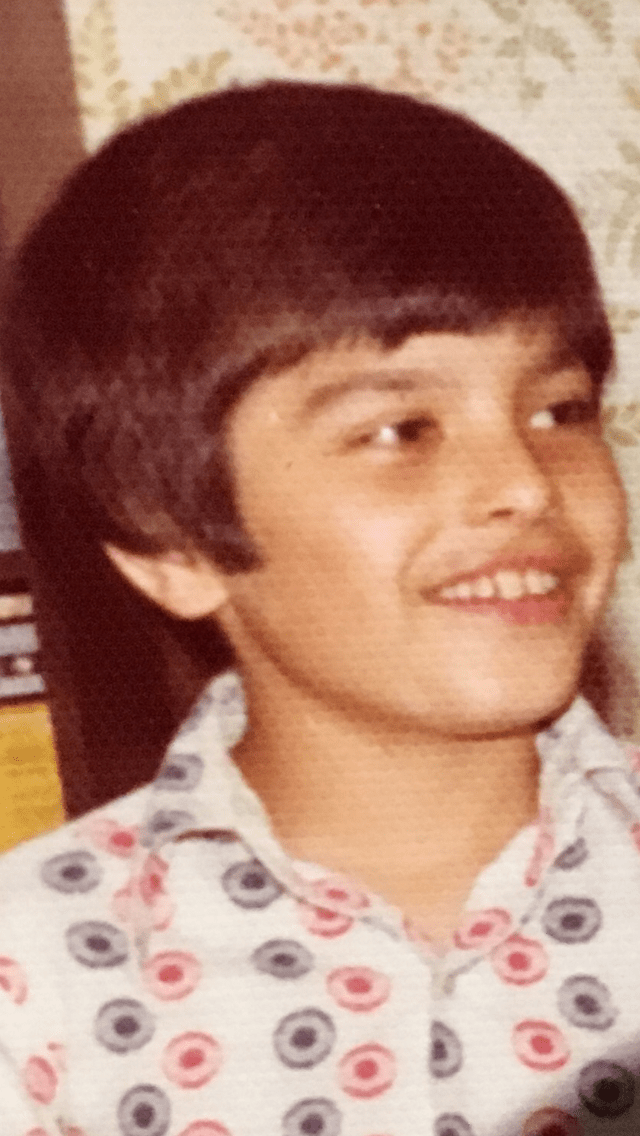


 Palestine WILL Be Free
