How Exercise May Help the Brain Grow Stronger

B.D.N.F. baby! That’s the key. It’s called Brain Derived Neurotrophic Factor, and it stimulates the growth of neurons, as well as protects the baby neurons from dying and even strengthens synapses in the brain. And exercise increases the levels of BDNF in mice and indications are in our brains as well. Scientists often refer to BDNF as “Miracle Gro” for the brain.

Time to get off our duffs and start exercising, and believe me I am saying to myself first of all!

http://well.blogs.nytimes.com/2016/06/15/how-exercise-may-help-the-brain-grow-stronger/?_r=0

Physical activity is good for our brains. A wealth of science supports that idea. But precisely how exercise alters and improves the brain remains somewhat mysterious.

A new study with mice fills in one piece of that puzzle. It shows that, in rodents at least, strenuous exercise seems to beneficially change how certain genes work inside the brain. Though the study was in mice, and not people, there are encouraging hints that similar things may be going on inside our own skulls.

For years, scientists have known that the brains of animals and people who regularly exercise are different than the brains of those who are sedentary. Experiments in animals show that, for instance, exercise induces the creation of many new cells in the hippocampus, which is a part of the brain essential for memory and learning, and also improves the survival of those fragile, newborn neurons.

Researchers believe that exercise performs these feats at least in part by goosing the body’s production of a substance called brain-derived neurotrophic factor, or B.D.N.F., which is a protein that scientists sometimes refer to as “Miracle-Gro” for the brain. B.D.N.F. helps neurons to grow and remain vigorous and also strengthens the synapses that connect neurons, allowing the brain to function better. Low levels of B.D.N.F. have been associated with cognitive decline in both people and animals. Exercise increases levels of B.D.N.F. in brain tissue.

But scientists have not understood just what it is about exercise that prompts the brain to start pumping out additional B.D.N.F.

So for the new study, which was published this month in the journal eLIFE, researchers with New York University’s Langone Medical Center and other institutions decided to microscopically examine and reverse engineer the steps that lead to a surge in B.D.N.F. after exercise.

They began by gathering healthy mice. Half of the animals were put into cages that contained running wheels. The others were housed without wheels. For a month, all of the animals were allowed to get on with their lives. Those living with wheels ran often, generally covering several miles a day, since mice like to run. The others remained sedentary.

After four weeks, the scientists looked at brain tissue from the hippocampus of both groups of animals, checking for B.D.N.F. levels. As expected, the levels were much higher in the brains of the runners.

But then, to better understand why the runners had more B.D.N.F., the researchers turned to the particular gene in the animals’ DNA that is known to create B.D.N.F. For some reason, the scientists realized, this gene was more active among the animals that exercised than those that did not.

Using sophisticated testing methods, the scientists soon learned why. In both groups of animals, the B.D.N.F. gene was partially covered with clusters of a particular type of molecule that binds to the gene, though in different amounts.

In the sedentary mice, these molecules swarmed so densely over the gene that they blocked signals that tell the gene to turn on. As a result, the B.D.N.F. genes of the sedentary animals were relatively muted, pumping out little B.D.N.F.

But among the runners, the molecular blockade was much less effective. The molecules couldn’t seem to cover and bind to the entire B.D.N.F. gene. So messages from the body continued to reach the gene and tell it to turn on and produce more B.D.N.F.

Perhaps most remarkably, the researchers also found a particular substance in the runners’ brains that fended off the action of these obstructionist molecules. The runners’ brains contained high levels of ketones, which are a byproduct of the breakdown of fat. During strenuous exercise, the body relies in part on fat for fuel and winds up creating ketones, some of which migrate to the brain. (They are tiny enough to cross the blood-brain barrier.) The brain uses these ketones for fuel when blood sugar levels grow low.

But it appears that ketones also cause the molecules that hinder the B.D.N.F. gene to loosen their grip, as the scientists realized when they experimentally added ketones to brain tissue from some of the mice. Afterward, their B.D.N.F. genes were not blocked by nearly as many of the bothersome molecules, and those genes could get on with the job of making B.D.N.F.

None of this occurred in the brains of the sedentary mice.

“It’s incredible just how pervasive and complex the effects of exercise are on the brain,” said Moses Chao, a professor at the Skirball Institute of Biomolecular Medicine at N.Y.U. who oversaw the study.

Whether the same mechanisms that occur in mice occur in our own brains when we exercise is still unknown. But, Dr. Chao pointed out, like the mice, we have more B.D.N.F. in our bodies after exercise. We also create ketones when we exercise, and those ketones are known to migrate to our brains..

Generally, however, this process requires exerting yourself vigorously for an hour or more, after which time your body, having exhausted its stores of sugar, starts burning stored fat and making ketones.

If an hour or more of intense exercise seems daunting — and it does to me — don’t despair. “We are only starting to understand” the many ways in which exercise of any kind and amount is likely to alter our brains, Dr. Chao said. For now, he says, “it’s a very good idea to just keep moving.”

Related:

A single species of gut bacteria can reverse autism-related social behavior in mice

Wow! Probiotics may relieve symptoms of Autism in mice and then their effect can also be looked at in people.

http://www.neuroscientistnews.com/research-news/single-species-gut-bacteria-can-reverse-autism-related-social-behavior-mice

A single species of gut bacteria can reverse autism-related social behavior in mice

June 16, 2016 | by Editor

oxytocinergic cells

While the number of oxytocinergic cells (green) are reduced in the brains of maternal high-fat diet offspring, treatment with Lactobacillus reuteri increases their number. Credit: Baylor College of Medicine

AddThis Sharing Buttons

The absence of one specific species of gut bacteria causes social deficits in mice, researchers at Baylor College of Medicine report in the journal Cell. By adding this bacterial species back to the guts of affected mice, the researchers were able to reverse some of the mice’s behavioral deficits, which are reminiscent of symptoms of autism spectrum disorders (ASDs) in humans. The investigators are now looking to explore the effects of probiotics on neurodevelopmental disorders in future work.

See Also: Finnish study establishes connection between gut microbiota and Parkinson’s disease

“Other research groups are trying to use drugs or electrical brain stimulation as a way to reverse some of the behavioral symptoms associated with neurodevelopmental disorders—but here we have, perhaps, a new approach,” says senior author Dr. Mauro Costa-Mattioli, associate professor of neuroscience at Baylor. “Whether it would be effective in humans, we don’t know yet, but it is an extremely exciting way of affecting the brain from the gut.”

The inspiration for the paper came from human epidemiological studies that have found that maternal obesity during pregnancy could increase children’s risk of developing neurodevelopmental disorders, including ASDs. In addition, some individuals with ASD also report recurring gastrointestinal problems. With emerging research showing how diet can change the gut microbiome and how gut microbes can influence the brain, Costa-Mattioli and his co-authors suspected there could be a connection.

To begin, the researchers fed approximately 60 female mice a high-fat diet that was the rough equivalent of consistently eating fast food multiple times a day. They bred the mice and waited for them to bear young. The offspring stayed with their mother for three weeks and then were weaned onto a normal diet. After a month, these offspring showed behavioral deficits, such as spending less time in contact with their peers and not initiating interactions.

Learn More: Healthy intestinal flora keeps the mind sharp—with some help from the immune system

“First we wanted to see whether there was a difference in the microbiome between the offspring of mouse mothers fed a normal diet versus those of mothers fed a high-fat diet. So, we used 16S ribosomal RNA gene sequencing to determine the bacterial composition of their gut. We found a clear difference in the microbiota of the two maternal diet groups,” says first author Shelly Buffington, a postdoctoral fellow in Costa-Mattioli’s lab. “The sequencing data was so consistent that by looking at the microbiome of an individual mouse we could predict whether its behavior would be impaired.”

Buffington next tested whether the specific differences in the microbiome were causative factors underlying the social impairments in offspring of mothers fed a high-fat diet. Because mice eat each other’s poop, the researchers housed the animals together so that they would acquire microbiota from their cagemates. When socially impaired three-week-old mice born to mothers on a high-fat diet were paired with normal mice, a full restoration of the gut microbiome and a concurrent improvement in behavior was observed within four weeks. The investigators concluded that one or more beneficial bacterial species might be important for normal social behavior. Fecal-transplant experiments in mice without microbiota (germ-free mice) provided causal evidence that an imbalanced microbial ecology in the mice born to mothers on a high-fat diet is responsible for their social deficits.

The investigators next wanted to know the specific bacterial species that could be affecting the social behavior of the mice. Whole-genome shotgun sequencing revealed one type of bacteria,Lactobacillus reuteri, which was reduced more than nine-fold in the microbiome of mice born to mothers on the high-fat diet.

“We cultured a strain of L. reuteri originally isolated from human breast milk and introduced it into the water of the high-fat-diet offspring. We found that treatment with this single bacterial strain was able to rescue their social behavior,” Buffington says. Other ASD-related behaviors, such as anxiety, were not restored by the reconstitution of the bacteria. Interestingly, the authors found that L. reuteri also promoted the production of the “bonding hormone” oxytocin, which is known to play a crucial role in social behavior and has been associated with autism in humans.

Don’t Miss: Scientists show a link between intestinal bacteria and depression

The authors wondered whether the reward circuitry in the socially impaired mice was dysfunctional. “We found that in response to social interaction there was a lack of synaptic potentiation in a key reward area of the brain that could be seen in the normal control mice,” Costa-Mattioli says. “When we put the bacteria back in the maternal-high-fat-diet offspring, we could also restore the changes in synaptic function in the reward circuitry.”

The researchers believe that their work, which uses a human bacterial species to promote oxytocin levels and improve social behavioral deficits in deficient mice, could be explored as a probiotic intervention for the treatment of neurodevelopmental disorders in humans. “This is where the science is unexpectedly leading us. We could potentially see this type of approach developing quite quickly not only for the treatment of ASD but also for other neurodevelopmental disorders; anyway, this is my gut feeling,” Costa-Mattioli says.

First direct evidence for ultra-fast responses in human amygdala to fear

http://www.neuroscientistnews.com/research-news/first-direct-evidence-ultra-fast-responses-human-amygdala-fear

First direct evidence for ultra-fast responses in human amygdala to fear

June 15, 2016 | by Editor

amygdala & hippocampus

Brain image with amygdala (blue) and hippocampus (yellow). Credit: Stephan Moratti

AddThis Sharing Buttons

For the first time, an international team of scientists lead by researchers from the Campus de Excelencia Internacional Moncloa (UCM-UPM) has shown that the amygdala in the human brain is able to detect possible threats in the visual environment at ultra-fast time scales. By measuring the electrical activity in the amygdala of patients that had been implanted with electrodes in order to better diagnose their epilepsy, the researchers provide new data on how information travels between the visual and emotional networks.

See Also: How the gut feeling shapes fear

The amygdala is a brain structure that is part of the limbic system and has a key role when it comes to emotional processing. As opposed to the neocortex, the external part of the brain that covers both hemispheres and hosts most higher cognitive functions in human, such as visual processing or language, the amygdala sits in the internal, or subcortical, part of the brain.

“The amygdala has a privileged spot in the brain, being one of the best connected structures. It sends and receives projections from brain areas at different levels and at the same time is capable of indirectly unleashing physiological changes and autonomic nervous system responses.”, explains Constantino Méndez-Bértolo, researcher from the Campus de Excelencia Internacional Moncloa of the Universidad Complutense and the Universidad Politécnica de Madrid. However, its location deep inside the brain makes it a difficult structure to study with common neuroimaging techniques.

In order to better diagnose clinical conditions such as epilepsy, neurosurgeons may implant electrodes in the amygdala. In the study published in Nature Neuroscience, researchers relied on the collaboration of eleven patients undergoing such clinical evaluation by Dr. Antonio Gil-Nagel at the Hospital Ruber Internacional (Madrid) with electrodes implanted in this brain area.

The analysis of amygdala activity from these patients allowed the researchers to gather the first direct evidence in humans that this area by itself is able to extract information about biologically relevant stimuli in the visual scene very rapidly, before receiving more precise visual input from the neocortex.

In order to arrive at this conclusion, the scientists performed two experiments. In the first one, patients had to indicate, by pressing one of two buttons, if the pictures they were being shown (facial expressions of fear, happiness and neutral) pertained to a man or a woman.

Learn More: Tracing the scent of fear

In addition to emotion, the experimenters also manipulated the spatial frequency of the faces. The authors showed normal photographs (comprising all the frequency bands) mixed with pictures of faces composed of only either low or high spatial frequency components. Low frequency pictures appear like blurry photos – one can distinguish if the eyes or the mouth is open or shut, but cannot appreciate the details – while high frequency pictures have sharp edges and facial features appear highlighted.

The low-road and the high-road

There are two pathways through which visual information is thought to travel to affective neural circuits. One goes straight from the thalamus to the amygdala. This “low-road” is composed of neurons of the magnocellullar class through which only low spatial frequency components are transmitted. The other pathway flows from the thalamus to the occipital cortex, where traditional visual processing begins. This “high-road” is composed by magno- as well as parvocellullar neurons, where both high and low spatial frequencies are carried.

The authors observed that the amygdala can work with just the coarse visual information within a picture if this picture conveys biologically-relevant information of threat, in this case the expression of fear in another person.

“We started from the hypothesis that, if the amygdala would show a rapid emotional response, this would be larger for the negative emotions and it may occur as long as low spatial frequency components are present in the visual input, as information would arrive from the pulvinar nucleus of the thalamus to the amygdala via magnocellullar axons, which do not carry high frequency spatial information” points out Méndez-Bértolo, one of the main authors.

By recording intracranial from the amygdala the researchers were able to detect a very fast electrical response—before 100ms—to the low frequency components of fearful face stimuli. This was followed by responses (considerably later) in both amygdala and visual cortex to pictures with high or low spatial frequency components.

In a second experiment, patients viewed neutral and extremely unpleasant complex visual pictures and indicated whether the picture pertained to an indoor or outdoor scene. The results, compared with the previous experiment where only faces were being shown, indicated that such a fast emotional response was not present for more complex visual stimuli.

Related: EEG study findings reveal how fear is processed in the brain

Clinical importance for anxiety

This new insight into how information travels between the visual system and emotional networks may help towards a better understanding of pathologies with elevated feelings of fear, such as in phobias and anxiety, where the amygdala is thought to play a fundamental role.

“Our work highlights the importance of ultra-rapid brain responses to threat-related visual stimuli. The responses in the amygdala are so fast that they could reflect an automatic or unconscious visual process, which might explain why fear can sometimes feel out of our voluntary control”, according to Dr. Bryan Strange, from the Laboratory for Clinical Neuroscience of the UPM, which led the research with participation from the Basic Psychology I department of the UCM, in collaboration with the University of London (UK), the University of Geneva (Switzerland) and the Reina Sofia Centre for Alzheimer’s Research (Madrid).

Note: Material may have been edited for length and content. For further information, please contact the cited source.

Facebook Offers Tools for Those Who Fear a Friend May Be Suicidal

http://www.nytimes.com/2016/06/15/technology/facebook-offers-tools-for-those-who-fear-a-friend-may-be-suicidal.html?smid=pl-share&_r=0

Screen Shot 2016-06-19 at 6.37.29 PM

MENLO PARK, Calif. When Carrie Simmons opened her Facebook app one day in late 2014, she saw a status update from a high school friend she had not seen in years that alarmed her. It read like a suicide note.

“Thank you for everyone who tried to help me,” Ms. Simmons’s friend, whom she declined to name, wrote.

Ms. Simmons immediately called a mutual friend, a police officer, who reached out to the local authorities in their friend’s town in California. There, the police found the friend in a parked car with a pistol in his lap. He did not pull the trigger and is alive today.

“If I hadn’t already been educated in suicide prevention or hadn’t seen the post on Facebook, I don’t know that I would have picked up the phone and known to call,” said Ms. Simmons, who is a real estate broker in Seattle.

With more than 1.65 billion members worldwide posting regularly about their behavior, Facebook is planning to take a more direct role in stopping suicide. On Tuesday, in the biggest step by a major technology company to incorporate suicide prevention tools into its platform, the social network introduced mechanisms and processes to make it easier for people to help friends who post messages about suicide or self-harm. With the new features, people can flag friends’ posts that they deem suicidal; the posts will be reviewed by a team at the social network that will then provide language to communicate with the person who is at risk, as well as information on suicide prevention.

The timing coincides with a surge in suicide rates in the United States to a 30-year high. The increase has been particularly steep among women and middle-aged Americans, reflecting widespread desperation. Last year, President Obama declared a World Suicide Prevention Day in September, calling on people to recognize mental health issues early and to reach out to support one another.

Facebook has long thrust itself into major societal debates because of its vast reach and the enormous diversity of human behavior it sees. About 72 percent of Americans — and 77 percent of American women — use Facebook, according to a 2015 study by Pew Research.

Yet Facebook is walking a tightrope, trying to explore its role as an arbiter of social change without upsetting the hundreds of millions of people who regularly use its services. Some of the suicide prevention tools may trouble groups that have concerns about digital privacy. Many of those groups have already become wary of what they see as Facebook’s overreach in people’s personal lives.

In October 2014, the company was embroiled in a scandal after it emerged that Facebook researchers used its news feed feature to try to manipulate the emotions of its users. The incident resulted in an overhaul of its user research methodology. Last month, Facebook grappled with accusations of political bias and fears about how much it could influence the views of its members.

“The company really has to walk a fine line here,” said Dr. Jennifer Stuber, an associate professor at the University of Washington and the faculty director of Forefront, a suicide prevention organization. “They don’t want to be perceived as ‘Big Brother-ish,’ because people are not expecting Facebook to be monitoring their posts.”

Facebook said it had a role to play in helping its users to help one another. About a third of the posts shared on the site include some form of negative feelings, according to a study released in February by the company’s researchers. Posts with negative associations tended to receive longer, more empathetic comments from Facebook friends, the company said.

“Given that Facebook is the place you’re connected to friends and family, it seemed like a natural fit,” said Dr. Jennifer Guadagno, a researcher at Facebook who is leading the suicide prevention project. Facebook has a team of more than a dozen engineers and researchers dedicated to the project.

Facebook’s new suicide prevention tools start with a drop-down menu that lets people report posts, a feature that was previously available only to some English-speaking users. People across the world can now flag a message as one that could raise concern about suicide or self-harm; those posts will then come to the attention of Facebook’s global community operations team, a group of hundreds of people around the world who monitor flagged posts 24 hours a day, seven days a week.

Posts flagged as potential self-harm notes are to be expedited and reviewed more quickly by the team members, who also examine posts that Facebook users have reported as objectionable. Community operations team members who evaluate potentially suicidal content are given special training, Facebook said.

The person reporting a suicide note is given a menu of options, including the ability to send a Facebook message directly to the friend in distress or to a mutual friend to coordinate help. Facebook will provide a suggested text message to send, or users can fill in their own words.

“People really want to help, but often they just don’t know what to say, what to do or how to help their friends,” said Vanessa Callison-Burch, a Facebook product manager working on the project. Users are also provided with a list of resources, including help lines and suicide prevention material, that they can click through to gain access.

If Facebook evaluators believe a post is a call for help or a distress signal, the person whose message was reported will be presented with a similar list of options the next time that person logs into Facebook and view the news feed, including tips and resources on what to do if the person feels suicidal. Such people are also prompted to reach out to friends who may be able to support them on Facebook.

The company said its work on suicide prevention started about 10 years ago, after a number of suicides in Palo Alto, Calif., the former location of Facebook’s headquarters and the city in which Mark Zuckerberg, its chief executive, lives. Palo Alto’s two public high schools have suicide rates between four and five times the national average.

Over the past year, Facebook has conducted a small test with suicide prevention tools in some countries, in conjunction with outside entities likeForefront, NowMattersNow.org and Save.org, a group of suicide prevention organizations. The company declined to share data on the early results.

“They’ve been very reluctant to release data on the project, even to partners like us, because of the privacy issues,” said Dr. Stuber of the University of Washington.

Facebook is becoming more forthcoming on other internal practices and how it conducts user research. On Tuesday, in a move separate from the suicide prevention tools, Facebook laid out its research review methods in a study conducted by two of its researchers. The company is hoping that the study, which is being published in Washington and Lee Law Review, will be used by other academics to help with their research methodologies.

Some nonprofit organizations and researchers that have pushed Facebook to be more aggressive in its suicide prevention efforts hope the changes push other tech giants to act similarly.

“We’re losing more people to suicide than breast cancer, car accidents, homicides,” said Dr. Dan Reidenberg, the executive director of Save.org. “We’d be fortunate for other companies to get on the bandwagon.”

My Dearest Uncle, On The Shoulders of a Giant

img_2875

My beloved uncle.

img_2876

My handsome uncle.

img_2874

A more recent picture of my uncle and aunt ❤ ❤

img_2878

My cousin, my baby brother and me.

img_2877

Me in the blue dress and my cousin in pants and brown jacket 🙂

After my mom got divorced in 1965, I was just about 5 years old and my baby brother Farooq was not even 1 years old yet. After her divorce from my father, we went and lived with my aunt (who was my mother’s oldest sister and her husband) my uncle and their two children. My uncle, what can I say about him? He took me and my brother in just as if we were his own children. He singled out my brother, who was very traumatized by all the divorce proceedings and showered him with love. He took him on his daily walks, my brother rode on his shoulders 🙂 He bought him ice cream cones and jokingly told my brother not to say anything to us other children, and the first thing my brother did when they came back was say he’d had ice cream! :-)) He favored my little brother and showered him with love and affection, as well as all of the three of us too. We played Scrabble with him, I, still to this day, love playing Scrabble because of our times with my uncle. He took us on long walks with him, he took us to work (he was a journalist) and as a reward for sitting quietly while he worked, he would take us to Lintott’s, a bakery where we would get our pick of delicious pastries. The first time I realized how handsome he was was when I was 13 years old and my 14 year old best friend saw him and exclaimed “Your uncle is so extremely handsome!” And I looked at him with new eyes and thought, Oh yeah, he is handsome! To me, until that day, he had simply been my extremely loving uncle… 🙂

I think there was no better man than the tall, dashingly handsome, über loving, super intellectual uncle that we were fortunate enough to have. Dearest Amma Begum, thank you for marrying him!

He is 89 years old now and has dementia, and lately his health has been failing, he was in the hospital for a few days. He is home now, but not doing very well at the moment. My heart is hurting to think of my dearest uncle not doing well. I love him very dearly and hope he will recover completely, and soon. Earlier this year when we were in Pakistan, I told everyones that we will be back to celebrate my uncle’s 90th birthday in January of 2017. May my words be heard by the gods and come to pass.

America’s gun problem, explained

I have a mental illness, but I am so anti-gun that no matter what state I was in, as in geographical or mental, I would not be one to pick up a gun, EVER, to… to what? To take out my anger? To “solve” a problem? No I would not do it. But a lot of people would and have, and the fact that it is so easy to get a gun in the US only contributes to any other problem. Domestic violence, being a homophobe, being in a mentally unstable state, anger issues, suicide, crime. Any and all of the above problems without a gun are still problems, but WITH a gun, they are deadly. Please watch the video below and just have a look at how big the problem is here in the US. A problem that is perplexing, frustrating and deadly.

http://www.vox.com/2015/10/3/9444417/gun-violence-united-states-america

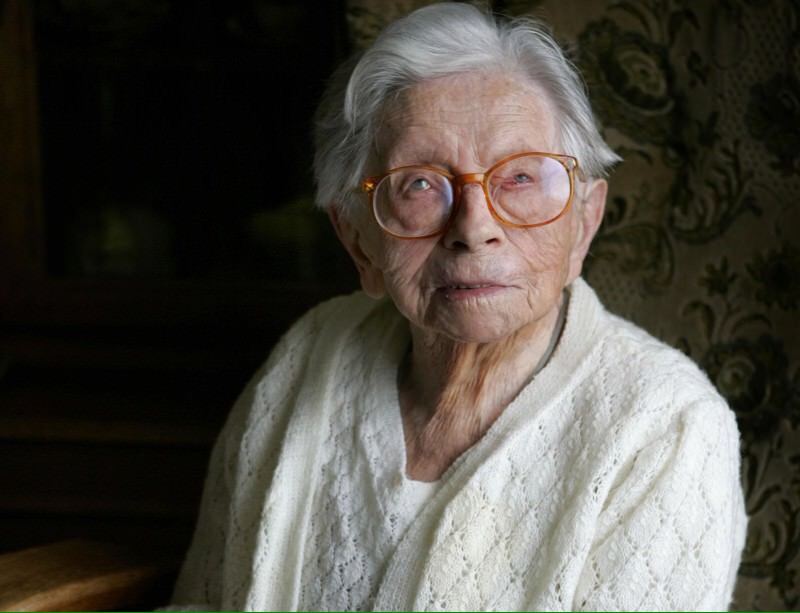
Blood of world’s oldest woman hints at limits of life

Wow! This is fascinating! Stem cells are cells that have not differentiated and are capable of becoming any other cell in our body. They studied all the tissues and cells of this incredibly healthy and once the oldest woman on earth. What did they see? Stem cells become old and die and then seemingly we die. Hmmm, should be saving our stem cells for our later years? Perhaps, but according to this article, it will only work for our blood, for regenerating blood cells, not other organs.

https://www.newscientist.com/article/dn25458-blood-of-worlds-oldest-woman-hints-at-limits-of-life/?utm_source=NSNS&utm_medium=SOC&utm_campaign=hoot&cmpid=SOC%7CNSNS%7C2016-GLOBAL-hootDeath is the one certainty in life – a pioneering analysis of blood from one of the world’s oldest and healthiest women has given clues to why it happens.
Born in 1890, Hendrikje van Andel-Schipper was at one point the oldest woman in the world. She was also remarkable for her health, with crystal-clear cognition until she was close to death, and a blood circulatory system free of disease. When she died in 2005, she bequeathed her body to science, with the full support of her living relatives that any outcomes of scientific analysis – as well as her name – be made public.
Researchers have now examined her blood and other tissues to see how they were affected by age.
What they found suggests, as we could perhaps expect, that our lifespan might ultimately be limited by the capacity for stem cells to keep replenishing tissues day in day out. Once the stem cells reach a state of exhaustion that imposes a limit on their own lifespan, they themselves gradually die out and steadily diminish the body’s capacity to keep regenerating vital tissues and cells, such as blood.
Two Little Cells

In van Andel-Schipper’s case, it seemed that in the twilight of her life, about two-thirds of the white blood cells remaining in her body at death originated from just two stem cells, implying that most or all of the blood stem cells she started life with had already burned out and died.

“Is there a limit to the number of stem cell divisions, and does that imply that there’s a limit to human life?” asks Henne Holstege of the VU University Medical Center in Amsterdam, the Netherlands, who headed the research team. “Or can you get round that by replenishment with cells saved from earlier in your life?” she says.
The other evidence for the stem cell fatigue came from observations that van Andel-Schipper’s white blood cells had drastically worn-down telomeres – the protective tips on chromosomes that burn down like wicks each time a cell divides. On average, the telomeres on the white blood cells were 17 times shorter than those on brain cells, which hardly replicate at all throughout life.
The team could establish the number of white blood cell-generating stem cells by studying the pattern of mutations found within the blood cells. The pattern was so similar in all cells that the researchers could conclude that they all came from one of two closely related “mother” stem cells.
Point of exhaustion
“It’s estimated that we’re born with around 20,000 blood stem cells, and at any one time, around 1000 are simultaneously active to replenish blood,” says Holstege. During life, the number of active stem cells shrinks, she says, and their telomeres shorten to the point at which they die – a point called stem-cell exhaustion.

Holstege says the other remarkable finding was that the mutations within the blood cells were harmless – all resulted from mistaken replication of DNA during van Andel-Schipper’s life as the “mother” blood stem cells multiplied to provide clones from which blood was repeatedly replenished.
She says this is the first time patterns of lifetime “somatic” mutations have been studied in such an old and such a healthy person. The absence of mutations posing dangers of disease and cancer suggest that van Andel-Schipper had a superior system for repairing or aborting cells with dangerous mutations.
Opportunity in mutation
The study is novel because it is the first to investigate the accumulation of somatic mutations within the tissues of an old individual, says Chris Tyler-Smith of the Wellcome Trust Sanger Institute in Hinxton, UK. “This contrasts to the germ-line mutations [present at birth] measured in previous studies,” he says.

“When there is mutation, there’s an opportunity for selection and some somatic mutations lead to cancer,” says Tyler-Smith. “Now we see the range of somatic mutations in normal, non-cancerous tissues like blood, so we can start to think about the health consequences.”
Tantalisingly, Holstege says the results raise the possibility of rejuvenating ageing bodies with injections of stem cells saved from birth or early life. These stem cells would be substantially free of mutations and have full-length telomeres. “If I took a sample now and gave it back to myself when I’m older, I would have long telomeres again – although it might only be possible with blood, not other tissues,” she says.
Next, Holstege hopes to hunt for clues to genes that protect against Alzheimer’s disease by comparing van Andel-Schipper’s genome to that of people who succumb abnormally early to the disease.

All You Need Is…

All You Need Is Love And Gun Control!

13445353_10153765820577711_5970316908431484719_n 13428014_10153765820602711_6614565898579259958_n

No matter how much hate is in someone’s heart, no matter how disturbed they are and how much they want to do violence, UNLESS guns and machine guns are available, how can they do anything? Could this man named Mateen have killed 49 people if he had not been able to stride into a gun store and purchase a machine gun? The answer is NO!

Despite being on an FBI list for terrorists, despite beating his wife for not doing the laundry, despite his coworker reporting him for hate speech and violent thoughts, he could walk into a store and legally purchase a weapon! Incredible! Why? Because the NRA made sure that even a person on a list as a suspected terrorist is able to purchase guns.

Read the article below to see how much more common gun deaths are in the US as compared to other civilized Western countries. Why? Lack of gun control because of the NRA lobby. This needs to change, here and now!

http://www.nytimes.com/2016/06/14/upshot/compare-these-gun-death-rates-the-us-is-in-a-different-world.html?action=click&pgtype=Homepage&clickSource=story-heading&module=span-abc-region&region=span-abc-region&WT.nav=span-abc-region&_r=0

“Gun homicides are a common cause of death in the United States, killing about as many people as car crashes (not counting van, truck, motorcycle or bus accidents). Some cases command our attention more than others, of course. Counting mass shootings that make headlines and the thousands of Americans murdered one or a few at a time, gunshot homicides totaled 11,961 in 2014, according to the F.B.I.

This level of violence makes the United States an extreme outlier when measured against the experience of other advanced countries.”