Ending Shame With Self Compassion

This article and the book called “It Wasn’t Your Fault: Freeing Yourself of the Shame of Childhood Abuse with the Power of Self-Compassion,” found at “https://www.newharbinger.com/it-wasnt-your-fault” are both written by Beverly Engel LMFT  

“Shame is the lie someone told you about yourself.”Anais Nin (attributed)
Several months ago I wrote a blog on how self-compassion can heal the shame of childhood wounds and I received many queries about shame and self-compassion from Psychology Today readers. I’m happy to announce that my book, “It Wasn’t Your Fault: Freeing Yourself of the Shame of Childhood Abuse with the Power of Self-Compassion,” has just been published (New Harbinger). I’d like to address some of your queries and share some of the major ideas in the book with you here.
If you were a victim of childhood abuse or neglect, you know about shame. You have likely been plagued by it all your life without identifying it as shame. You may feel shame because you blame yourself for the abuse itself (“My father wouldn’t have hit me if I had minded him”), or because you felt such humiliation at having been abused (“I feel like such a wimp for not defending myself”). While those who were sexually abused tend to suffer from the most shame, those who suffered from physical, verbal, or emotional abuse blame themselves as well. In the case of child sexual abuse, no matter how many times you have heard the words “It’s not your fault,” the chances are high that you still blame yourself in some way—for being submissive, for not telling someone and having the abuse continue, for “enticing” the abuser with your behavior or dress, or because you felt some physical pleasure.
In the case of physical, verbal, and emotional abuse, you may blame yourself for “not listening” and thus making your parent or other caretaker so angry that he or she yelled at you or hit you. Children tend to blame the neglect and abuse they experience on themselves, in essence saying to themselves, “My mother is treating me like this because I’ve been bad,” or, “I am being neglected because I am unlovable.” As an adult you may have continued this kind of rationalization, putting up with poor treatment by others because you believe you brought it on yourself. Conversely, when good things happen to you, you may actually become uncomfortable, because you feel so unworthy.
Former victims of child abuse are typically changed by the experience, not only because they were traumatized, but because they feel a loss of innocence and dignity and they carry forward a heavy burden of shame. Emotional, physical, and sexual child abuse can so overwhelm a victim with shame that it actually comes to define the person, keeping her from her full potential. It can cause a victim both to remain fixed at the age he was at the time of his victimization and to repeat the abuse over and over in his lifetime.
You may also have a great deal of shame due to the exposure of the abuse. If you reported the abuse to someone, you may blame yourself for the consequences of your outcry—your parents divorcing, your molester going to jail, your family going to court.
And there is the shame you may feel about your behavior that was a consequence of the abuse. Former victims of childhood abuse tend to feel a great deal of shame for things they did as children as a result of the abuse. For example, perhaps unable to express their anger at an abuser, they may have taken their hurt and anger out on those who were smaller or weaker than themselves, such as younger siblings. They may have become bullies at school, been belligerent toward authority figures, or started stealing, taking drugs, or otherwise acting out against society. In the case of sexual abuse, former victims may have continued the cycle of abuse by introducing younger children to sex.
You may also feel shame because of things you have done as an adult to hurt yourself and others, such as abusing alcohol or drugs, becoming sexually promiscuous, or breaking the law, not realizing that these types of behavior were a result of the abuse you suffered.
Unbeknownst to them, adults who were abused as children often express the overwhelming shame they feel by pushing away those who try to be good to them; by sabotaging their success; by becoming emotionally or physically abusive to their partners; or by continuing a pattern of being abused or subjecting their own children to witnessing abuse. Former abuse victims may repeat the cycle of abuse by emotionally, physically, or sexually abusing their own children, or may abandon their children because they can’t take care of them.
Shame can affect literally every aspect of a former victim’s life, from your self-confidence, self-esteem, and body image to your ability to relate to others, navigate intimate relationships, and be a good parent to your work performance, ability to be learn new things, and ability to care for yourself. Shame is responsible for myriad personal problems, including: self-criticism and self-blame; self-neglect; self-destructive behaviors (such as abusing your body with food, alcohol, drugs, or cigarettes, self-mutilation, or being accident-prone); perfectionism (based on fear of being caught in a mistake); believing you don’t deserve good things; believing if others really knew you they would dislike or be disgusted by you (commonly known as the “imposter syndrome”); people-pleasing and co-dependent behavior; tending to be critical of others (trying to give shame away); intense rage (frequent physical fights or road rage); and acting out against society (breaking rules or laws).
Shame from childhood abuse almost always manifests itself in one or more of these ways:
o It causes former abuse victims to abuse themselves with critical self-talk, alcohol or drug abuse, destructive eating patterns, and/or other forms of self-harm. Two-thirds of people in treatment for drug abuse reported being abused or neglected as children (Swon 1998).
o It causes former abuse victims to develop victim-like behavior, whereby they expect and accept unacceptable, abusive behavior from others. As many as 90 percent of women in battered women’s shelters report having been abused or neglected as children (U.S. Department of Health and Human Services 2013).
o It causes abuse victims to become abusive. About 30 percent of abused and neglected children will later abuse their own children (U.S. Department of Health and Human Services 2013).
The truth is that for most former victims of childhood abuse, shame is likely one of the worst effects of the abuse. Unless you heal this pervasive shame you will likely continue to suffer from its effects throughout your lifetime.
Facing the problems that shame has created in your life can be daunting. You may be overwhelmed with the problem of how to heal the shame caused by the childhood abuse you experienced. The good news is that there is a way to heal your shame so that you can begin to see the world through different eyes—eyes not clouded by the perception that you are “less than,” inadequate, damaged, worthless, or unlovable.
The Healing Power of Self-Compassion
Like a poison, toxic shame needs to be neutralized by another substance—an antidote—if the patient is to be saved. Compassion is the only thing that can counteract the isolating, stigmatizing, debilitating poison of shame.
Many of you may be aware of the writings of Alice Miller. Miller believes that what victims of childhood abuse need most is what she called a “compassionate witness” to validate their experiences and support them through their pain (Miller 1984). For many years I have personally experienced how healing my being a compassionate witness is for my clients, as well as how transformative my having a compassionate therapist had been for me.
In recent years, many others, including major researchers have taken up the subject of compassion. Their work has revealed, among other insights, that the kindness, support, encouragement, and compassion of others have a huge impact on how our brains, bodies, and general sense of well-being develop. Love and kindness, especially in early life, even affect how some of our genes are expressed (Gilbert 2009, Cozolino 2007).
The Research on Self-Compassion
By studying much of the research on compassion, I discovered that while I had come to understand the healing powers of compassion, I hadn’t truly recognized the importance of self-compassion—extending compassion to oneself in instances of perceived inadequacy, failure, or general suffering—in the treatment of psychotherapy clients, particularly former victims of child abuse. In 2003, Kristin Neff published the first two articles defining and measuring self-compassion (Neff 2003a, Neff 2003b); before this, the subject of self-compassion had never been formally studied. There have since been over two hundred journal articles and dissertations on self-compassion.
One of the most consistent findings in this research literature is that greater self-compassion is linked to less psychopathology (Barnard and Curry 2011). And a recent meta-analysis showed self-compassion to have a positive effect on depression, anxiety, and stress across twenty studies (MacBeth and Gumley 2012).
Self-compassion also appears to facilitate resilience by moderating people’s reactions to negative events—trauma in particular. Gilbert and Procter (2001) suggest that self-compassion provides emotional resilience because it deactivates the threat system. And it has been found that abused individuals with higher levels of self-compassion are better able to cope with upsetting events (Vettese et al. 2011).
There is also evidence that self-compassion helps people diagnosed with post-traumatic stress disorder (PTSD). In one study of college students who showed PTSD symptoms after experiencing a traumatic event such as an accident or life-threatening illness, those with more self-compassion showed less severe symptoms than those who lacked self-compassion. In particular, they were less likely to display signs of emotional avoidance and more comfortable facing the thoughts, feelings, and sensations associated with the trauma they experienced (Thompson and Waltz 2008).
Finally, in addition to self-compassion being a key factor in helping those who were traumatized in childhood, it turns out that self-compassion is the missing key to alleviating shame. Confirming what I knew from my extensive work with former victims of child abuse, research shows that traumatized individuals feel significant levels of shame and/or guilt (Jonsson and Segesten 2004). Shame has been recognized as a major component of a range of mental health problems and proneness to aggression (Gilbert 1997, Gilbert 2003, Gilligan 2003, Tangney and Dearing 2002). And it has been found that decreases in anxiety, shame, and guilt and increases in the willingness to express sadness, anger, and closeness were associated with higher levels of self-compassion (Germer and Neff 2013).
One clinician, Paul Gilbert, author of “The Compassionate Mind,” found that self-compassion helped to alleviate both shame and self-judgment. A study of the effectiveness of Gilbert’s Compassionate Mind Training (CMT), a group-based therapy model that works specifically with shame, guilt, and self-blame, found that the training resulted in significant reductions in depression, self-attacking, feelings of inferiority, and shame (Gilbert and Procter 2006).
In addition, research suggests that self-compassion can act as an antidote to self-criticism—a major characteristic of those who experience intense shame (Gilbert and Miles 2000). Self-compassion is a powerful trigger for the release of oxytocin, the hormone that increases feelings of trust, calm, safety, generosity, and connectedness. Self-criticism has a very different effect on our bodies. The amygdala, the oldest part of the brain, is designed to quickly detect threats in the environment. These trigger the fight-or-flight response—the amygdala sends signals that increase blood pressure, adrenaline, and cortisol, mobilizing the strength and energy needed to confront or avoid the threat. Although this system was designed by evolution to deal with physical attacks, it is activated just as readily by emotional attacks—from ourselves and others. Over time, increased cortisol levels deplete neurotransmitters involved in the ability to experience pleasure, leading to depression (Gilbert 2005).Neurological evidence also shows that self-kindness (a major component of self-compassion) and self-criticism operate quite differently in terms of brain function. A recent study examined reactions to personal failure using fMRI (functional magnetic resonance imaging) technology. While in a brain scanner, participants were presented with hypothetical situations such as “A third job rejection letter in a row arrives in the post.” They were then told to imagine reacting to the situation in either a kind or a self-critical way. Self-criticism was associated with activity in the lateral prefrontal cortex and dorsal anterior cingulate—areas of the brain associated with error processing and problem solving. Being kind and reassuring toward oneself was associated with left temporal pole and insula activation—areas of the brain associated with positive emotions and compassion (Longe et al. 2009). As Kristin Neff (2011) aptly stated, “Instead of seeing ourselves as a problem to be fixed…self-kindness allows us to see ourselves as valuable human beings who are worthy of care.”
Of particular interest to me was recent research in the neurobiology of compassion as it relates to shame—namely that we now know some of the neurobiological correlates of feeling unlovable and how shame gets stuck in our neural circuitry. Moreover, and most crucially of all, due to our brains’ capacity to grow new neurons and new synaptic connections, we can proactively repair (and re-pair) old shame memories with new experiences of self-empathy and self-compassion.
In light of my research, I determined that in addition to offering my clients compassion for their suffering, I needed to teach them how to practice self-compassion on an ongoing basis in order to heal the many layers of shame they experienced.
Combining what I learned about compassion and self-compassion with the wisdom I’ve gleaned from my many years of working with victims of childhood abuse, I created a program specifically aimed at helping those who experienced abuse become free of debilitating shame. My Compassion Cure program combines groundbreaking scientific research on self-compassion, compassion, shame, and restorative justice with real-life case examples (modified to protect the subjects’ anonymity). Its proprietary processes and exercises help abuse victims reduce or eliminate the shame that has weighed them down and kept them stuck in the past.
By learning to practice self-compassion, you will rid yourself of shame-based beliefs, such as you are worthless, defective, bad, or unlovable. Abuse victims often cope with these false yet powerful beliefs by trying to ignore them or convince themselves otherwise by puffing themselves up, overachieving, or becoming perfectionistic. These strategies take huge amounts of energy, and they are not effective. Rather, actively approaching, recognizing, validating, and understanding shame is the way to overcome it.
Debilitating Shame
“Shame is sickness of the soul.”
Silvan Tomkins
While many people suffer from shame, not everyone suffers from what is referred to as debilitating shame. Debilitating shame is shame that is so all consuming that it negatively affects every aspect of a person’s life—his perceptions of himself, his relationship with others, her ability to be intimate with a romantic partner, her ability to raise children in a healthy manner, his ability to risk and achieve success in his career, and her overall physical and emotional health. The following questionnaire will help you determine whether you suffer from debilitating shame.
Questionnaire: Do You Suffer from Debilitating Shame Due to Childhood Abuse?
1. Do you blame yourself for the abuse you experienced as a child?
2. Do you believe your parent (or other adult or older child) wouldn’t have abused you if you hadn’t pushed him or her into doing it?
3. Do you believe you were a difficult, stubborn, or selfish child who deserved the abuse you received?
4. Do you believe you made it difficult for your parents or others to love you?
5. Do you believe you were a disappointment to your parents or family?
6. Do you feel you are basically unlovable?
7. Do you have a powerful inner critic who finds fault with nearly everything you do?
8. Are you a perfectionist?
9. Do you believe you don’t deserve to be happy, loved, or successful?
10. Do you have a difficult time believing someone could love you?
11. Do you push away people who are good to you?
12. Are you afraid that if people really get to know you they won’t like or accept you? Do you feel like a fraud?
13. Do you believe that anyone who likes or loves you has something wrong with them?
14. Do you feel like a failure in life?
15. Do you hate yourself?
16. Do you feel ugly—inside and out?
17. Do you hate your body?
18. Do you believe that the only way someone can like you is if you do everything they want?
19. Are you a people pleaser?
20. Do you censor yourself when you talk to other people, always being careful not to offend them or hurt their feelings?
21. Do you feel like the only thing you have to offer is your sexuality?
22. Are you addicted to alcohol, drugs, sex, pornography, shopping, gambling, or stealing, or do you suffer from any other addiction?
23. Do you find it nearly impossible to admit when you are wrong or when you’ve made a mistake?
24. Do you feel bad about the way you’ve treated people?
25. Are you afraid of what you’re capable of doing?
26. Are you afraid of your tendency to be abusive—either verbally, emotionally, physically, or sexually?
27. Have you been in one or more relationships where you were abused either verbally, emotionally, physically, or sexually?
28. Did you or do you feel you deserved the abuse?
29. Do you always blame yourself if something goes wrong in a relationship?
30. Do you feel like it isn’t worth trying because you’ll only fail?
31. Do you sabotage your happiness, your relationships, or your success?
32. Are you self-destructive (engaging in acts of self-harm, driving recklessly, suicidal attempts, and so on)?
33. Do you feel inferior to or less than other people?
34. Do you often lie about your accomplishments or your history in order to make yourself look better in others’ eyes?
35. Do you neglect your body, your health, or your emotional needs (not eating right, not getting enough sleep, not taking care of your medical or dental needs)?
There isn’t any formal scoring for this questionnaire, but if you answered yes to many of these questions, you can be assured that you are suffering from debilitating shame. If you answered yes to just a few, it is still evident that you have an issue with shame.
Shame is Not a Singular Experience
Just as the source of shame can be all forms of abuse or neglect, shame is not just one feeling but many. It is a cluster of feelings and experiences. These can include:
Feelings of being humiliated. Abuse is always humiliating to the victim, but some types are more humiliating than others. Certainly, sexual abuse almost always has an element of humiliation to it, since it is a violation of very private body parts and since there is a knowing on the child’s part that incest and/or sex between a child and an adult is taboo. (These taboos hold in nearly every culture in the world.) If the abuse involves public exposure—for example, being chastised or physically punished in front of others, particularly peers—the element of humiliation can be quite profound.
Feelings of impotence. When a child realizes there is nothing he can do to stop the abuse, he feels powerless, helpless. This can also lead to his always feeling unsafe, even long after the abuse has stopped.
Feelings of being exposed. Abuse and the accompanying feelings of vulnerability and helplessness cause the child to feel self-conscious and exposed—seen in a painfully diminished way. The fact that he could not stop the abuse makes him feel weak and exposed both to himself and to anyone present.
Feelings of being defective or less-than. Most victims of abuse report feeling defective, damaged, or corrupted following the experience of being abused.
Feelings of alienation and isolation. What follows the trauma of abuse is the feeling of suddenly being different, less-than, damaged, or cast out. And while victims may long to talk to someone about their inner pain, they often feel immobilized, trapped, and alone in their shame.
Feelings of self-blame. Victims almost always blame themselves for being abused and being shamed. This is particularly true when abuse happens or begins in childhood.
Feelings of rage. Rage almost always follows having been shamed. It serves a much-needed self-protective function of both insulating the self against further exposure and actively keeping others away.
Fear, hurt, distress, or rage can also accompany or follow shame experiences as secondary reactions. For example, feeling exposed is often followed by fear of further exposure and further occurrences of shame. Rage protects the self against further exposure. And along with shame, a victim can feel intense hurt and distress from having been abused.
The following exercise can help you discover what your primary feeling experiences of shame are.
Exercise: Your Feeling Experience of Shame
While you may have experienced all the feelings listed above, you may resonate with some more than others. Think about each type of abuse that you suffered and the various feelings that accompanied it. Ask yourself which of the items listed above stand out to you the most for each type of abuse, or each experience of abuse. In my case, for example, when I think about the sexual abuse I suffered at age nine, I resonate most profoundly with defectiveness, isolation, self-blame, and rage.
Further Defining Self-Compassion
If compassion is the ability to feel and connect with the suffering of another human being, self-compassion is the ability to feel and connect with one’s own suffering. More specifically for our purposes, self-compassion is the act of extending compassion to one’s self in instances of perceived inadequacy, failure, or general suffering. If we are to be self-compassionate, we need to give ourselves the recognition, validation, and support we would offer a loved one who is suffering.
Kristin Neff, a professor of psychology at the University of Texas at Austin, is the leading researcher in the growing field of self-compassion. In her book Self-Compassion (2011), she defines self-compassion as “being open to and moved by one’s own suffering, experiencing feelings of caring and kindness toward oneself, taking an understanding, nonjudgmental attitude toward one’s inadequacies and failures, and recognizing that one’s experience is part of the common human experience” (224).
Self-compassion encourages us to begin to treat ourselves and talk to ourselves with the same kindness, caring, and compassion we would show a good friend or a beloved child. Just as connecting with the suffering of others has been shown to comfort and heal, connecting with our own suffering will do the same. If you are able to feel compassion toward others, you can learn to feel it for yourself; the following exercise will show you how.
Exercise: Becoming Compassionate Toward Yourself
1. Think about the most compassionate person you have known—someone kind, understanding, and supportive of you. It may have been a teacher, a friend, a friend’s parent, a relative. Think about how this person conveyed his or her compassion toward you and how you felt in this person’s presence. Notice the feelings and sensations that come up with this memory. If you can’t think of someone in your life who has been compassionate toward you, think of a compassionate public figure, or even a fictional character from a book, film, or television.
2. Now imagine that you have the ability to become as compassionate toward yourself as this person has been toward you (or you imagine this person would be toward you). How would you treat yourself if you were feeling overwhelmed with sadness or shame? What kinds of words would you use to talk to yourself?
This is the goal of self-compassion: to treat yourself the same way the most compassionate person you know would treat you—to talk to yourself in the same loving, kind, supportive ways this compassionate person would talk to you.
The Benefits of Practicing Self-Compassion
By learning to practice self-compassion you will also be able to begin doing the following:
o Truly acknowledge the pain you suffered and in so doing, begin to heal
o Take in compassion from others
o Reconnect with yourself, including reconnecting with your emotions
o Gain an understanding as to why you have acted out in negative and/or unhealthy ways
o Stop blaming yourself for your victimization
o Forgive yourself for the ways you attempted to cope with the abuse
o Learn to be deeply kind toward yourself
o Create a nurturing inner voice to replace your critical inner voice
o Reconnect with others and become less isolated
I hope I have been able to convey to you how self-compassion can help heal you of your shame. But it is difficult to adequately explain this concept in one blog. In the coming weeks I will write more blogs about how shame can be healed with self-compassion and explain to you how you can go about becoming more self-compassionate. As you continue reading the blogs and practicing the exercises you will grow to more fully understand what a powerful healer compassion can be.
In the next blog I will discuss the various obstacles that get in our way of becoming more self-compassionate including: our belief that self-compassion is the same as “feeling sorry for ourselves,” the belief that self-compassion is selfish, and our need to forgive ourselves for past actions in order to believe we deserve self-compassion.

A NAMI story of recovery from PTSD


 As I voraciously read and search for ways to heal myself from the abuse and abandonment I was put through as a child and the ensuing PTSD, I am so grateful and inspired to find stories like this, of recovery from the same things I struggle with. These stories give me so much hope that one day soon, I too will be whole and healthy and no longer in pain. Also, I learnt about Cognitive Processing Therapy (CPT) which I plan to learn more about. Thank you brave soul, for fighting and being stronger than your abuse, and for posting your story. Bravo!

Personal StoriesPTSD: My Metaphorical Experience
02.16.16

Imagine riding a new red bicycle. You are gracefully balanced and cruising down the neighborhood. Your bike has all the amenities for a fun ride- working petals, a nice fancy horn, and colorful pom-poms blowing in the wind. Now imagine riding that same bicycle with one petal broken, and a tire slightly deflated- you still can move, but it takes more effort, and you are losing speed. At the beginning of my diagnosis of posttraumatic stress disorder, sometimes it felt like there was a nail in the tire of my bicycle, and no matter how hard I kept pedaling and moving my legs, the air still slowly deflated the tire, eventually leaving me at a standstill.

Coming to terms with my diagnosis, finally met acknowledging my painful past, in hopes of a brighter future. After avoiding the trauma for so long, it finally made its way back to me, in the form of an expiration of the statute of limitations this past December. I could no longer avoid the deep pain I felt of injustice, fear, and victimization. My tire didn’t just pop, it exploded, with chunks of rubber left as remnants on the ground.
Deciding to do Cognitive Processing Therapy (CPT) was one of the bravest things I have ever done. Facing my past head on and allowing myself to truly process and heal from the assault was incredibly difficult. I have never cried so much, felt so much and simply allowed my emotions to be there. It was a very raw and emotional experience. As the weeks passed by I felt myself start to grow stronger, with a new strength of resilience and hope. I felt like I finally was able to give my pain and trauma the grieving that it deserved; its own rite of passage.
As more time went on, I started to become a new person. A person that realized that it was okay to be sad, to feel emotions, to look at the past and acknowledge what happened. I knew that it would no longer break me and that I could move forward in an honorable way. Through this experience I now know how strong and brave I am- and that my trauma is only a small piece of my autobiography, not the narrative. As I move forward, I can see a bright future filled with dreams and goals that I hope to accomplish. As I step forward, I now see that my bicycle is no longer broken in a way that slows me down- it is resilient and powerful. As the tire remnants are pieced together carefully one by one, they have created a stronger tire that no longer will deflate when it hits screws or nails in the road- making it an incredible bike with history.
I now stand incredibly humbled of how far I have come, knowing that this is just the beginning of incredible things to come. I am forever indebted to my family and friends, thank you for being there, for sitting right with me with my pain, for holding my hand when I knew it was painful for you to see my trauma. I can never thank you enough for believing in me, and for allowing me to finally believe in myself. For helping me to not be ashamed of PTSD and the experiences that I have been through, but being proud of the person that I am, the person that I have become. Your kindness and support is the greatest gift you could ever give to me. The greatest gift I gave myself was recovery.

We can all get hurt, we can also hurt other people so: 9 Things to Do When Someone Has Hurt You

Such great points and advice! We have all been hurt, and we have all hurt someone else, even if it was inadvertently. Following these 9 steps will help us, it may even help bring the “fight” to an end. Peace and harmony, isn’t that what we all want? Yes!

IMG_4835

https://www.psychologytoday.com/blog/hope-relationships/201602/9-things-do-when-someone-has-hurt-you?utm_source=FacebookPost&utm_medium=FBPost&utm_campaign=FBPost

Being able to put your past abuse into perspective doesn’t mean you will be immune from being hurt in the present. If you are around people for very long, you will end up hurt by someone.

Your past patterns of dealing with being hurt are not those you want to continue. So here are some steps you can take to deal with new situations. They will help you develop some new techniques and keep you from reacting to new hurts in old ways.

1. Recognize the offense for what it is.

Is it intentional? Is it unintentional? Is it a misunderstanding? Listen to what your heart tells you about what happened. Usually your gut reaction is a good indicator of what you really think. However, listen to the truth behind that reaction to make sure it’s not an old one coming up from your past. Choose to respond intentionally instead of reactinginstinctively.

2. Resist the tendency to defend your position. 

If you determine that you need to confront the person who has hurt you, offer only your point of view about the incident. It is amazing how many confrontations you can diffuse by removing defensiveness and hostility. When you stick to what you are feeling, you give the other person permission to explain his or her point of view. Then together you can come to a consensus, hopefully resulting in mutual forgiveness.

3. Give up the need to be right. 

This can be an unfortunate leftover of past abuse and can escalate a bad situation into a worse one. Other people are entitled to their own thoughts and opinions. When differences of opinions arise, it does not necessarily dictate that one person is right and the other is wrong. You may simply disagree.

4. Recognize and apologize for anything you may have done to contribute to the situation. 

Make certain, however, that it is a legitimate wrong or oversight and not false guilt brought on by past situations. However, don’t assume that past abuse gives you a pass on your own responsibility for your actions. Treating someone badly and then blaming it on something in your past does nothing in the present to help the other person, who is not to blame for your past abuse.

5. Respond, don’t react. 

This will require you to pause long enough to take the opportunity to think and evaluate. Sometimes, just waiting will add needed perspective. By responding and not just reacting, you exert control over your behavior. Past emotional abuse may have caused you to develop some pretty sensitive buttons that others can inadvertently push withoutunderstanding the consequences. Learning this skill will help you respond appropriately, giving your responses greater power and meaning for others.

6. Adopt an attitude of bridge-building as opposed to attacking or retreating. 

A conciliatory attitude is much easier for everyone to deal with than a hostile, defensive one. Practice maintaining an attitude of love and acceptance. This doesn’t mean youagree with the person who has hurt you or with what he or she has done. Rather, you have chosen to respond in a certain, predetermined way. When you present your concerns with a door open to reconciliation, you should find yourself pleased at how often the other person will opt to walk through.

7. Realize that you may be the target of someone’s anger but not the source of it.

You may find yourself in the unenviable position of being the proverbial straw that broke someone else’s back. Take responsibility only for your part, and avoid falling into the trap of accepting false guilt from others.

8. Create personal limits.

This is part of reclaiming your personal power. You have the right to define what your limits are—and insist that they be respected.

9. Realize that even if someone has hurt you, that need not take away your personalhappiness

Remember, you are in charge of your attitude and response. You can get over it and go on. If the hurt was unintentional, ask yourself, “Why am I magnifying it by holding on to it?” If the hurt was intentional and forgiven, ask yourself, “If the person has asked for my forgiveness and moved on, why am I still stuck in the pain?” If the hurt was intentional and unforgiven, tell yourself, “I choose to forgive the pain the person caused me so I can move past it.” Then reassert yourself and determine to be happy. That’s a choice you should reserve for yourself.

This is Happiness!!

 ENDORPHIN

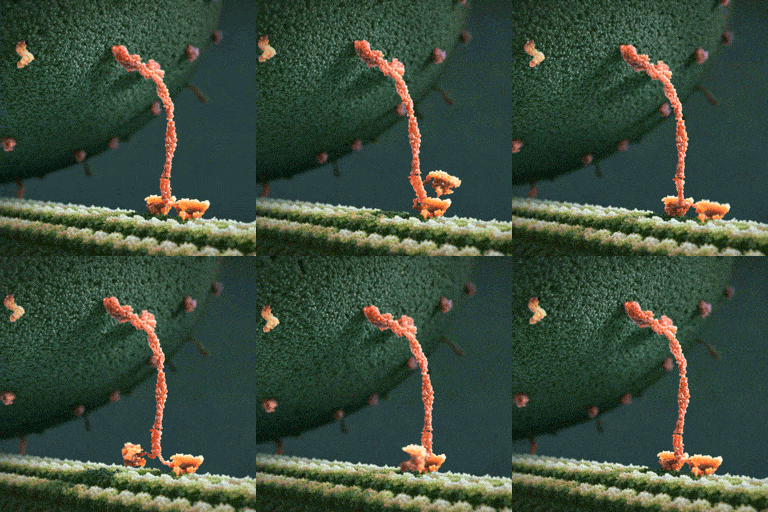
What you see in this gif is a myosin protein dragging an endorphin along a filament to the inner part of the brain’s parietal cortex which creates happiness. Happiness. You’re looking at happiness.

With a deft snip, potential treatment emerges for deadly childhood Duchenne Muscular Dystrophy

Wow! A treatment for Duchenne’s muscular dystrophy, the most malignant and life shortening kind of dystrophy. This will be miraculous for the individuals who have Duchenne’s and their families.  And the CRISPR/Cas9 gene editing technology, which allows more precise editing of genes, is an amazing technique. It comes from bacteria and it is the bacterial immune system, CRISPR is how bacteria disable bacteriophages (viruses that infect bacteria and kill them) and plasmids. The bacteria ingeniously insert the phage and plasmid DNA in between certain sequences in their chromosome, then in a process mediated by RNA, use a nuclease to cleave and inactivate the phage and viral DNA! Ingenious indeed! This is the very process that is now starting to be used to perform gene therapy for diseases in animals and humans.

http://www.latimes.com/science/sciencenow/la-sci-sn-duchenne-muscular-dystrophy-stem-cell-editing-20160211-story.html

Using cells from patients with Duchenne Muscular Dystrophy, a genetic disease that affects one in 5,000 boys, UCLA scientists have devised a strategy for creating “corrected” stem cells that could restore tissue under attack by the deadly muscle-wasting disorder.

A gene-editing procedure described by researchers Thursday in the journal Cell Stem Cell resulted in a gene that functions properly, coding for the production of proteins called dystrophins, which are deficient in people with Duchenne Muscular Dystrophy (DMD). It could lead to one of the first therapeutic uses of a controversial new gene-editing technique known as CRISPR/Cas9.

This feat of genetic surgery is a key step in the development of a therapy that could treat DMD.

The leading childhood form of muscular dystrophy, DMD progressively destroys the musculature of affected boys and typically leads to death in their mid-20s. In patients with DMD, a genetic defect disrupts the production of dystrophins, which are essential for the growth, protection and normal function of heart and skeletal muscle.

Working together, scientists from UCLA’s Broad Center for Regenerative Medicine and Stem Cell Research and its Center for Duchenne Muscular Dystrophy focused on the largest known human gene, where the DNA sequences implicated in DMD are nestled in among many others.

Taking a skin cell from a Duchenne patient, they first reprogrammed that “fibroblast” to revert to a primitive stem-cell form.  They located a long stretch of that gene that appeared to produce the dystrophin defect, and used “guide DNA” — tiny homing mechanisms — to snip away the offending sequence at either end. Finally, they spliced the altered gene back together.

By this method, the team had engineered a stem cell capable of giving rise to skeletal muscle or heart tissue with dystrophin production that is nearly normal. If it could be reintroduced into the Duchenne patient from which the original stem cell came, it should be a perfect fit — and potentially powerful therapy.

“We knew it was a large region of the gene to delete,” said study co-author Courtney Young, a graduate student at UCLA’s molecular biology institute. “To cut in two places at the same time and get them to join together: we weren’t even sure it would work.”

The editing trick was akin to making a dining room table with elaborately turned legs into a functional coffee table: Young had to find a way to cut out a piece of each leg and splice the remaining ends together so they lined up perfectly. When the team tested the edited stem cell, they could see that it would function normally.

For Young, it was more than a scientific victory. She has a 9-year-old cousin with DMD. That she could help him or others with the disease, she said, “makes it more meaningful.”

The next step, said study co-author April Pyle, a stem cell biologist and lab director at the Broad Center, will be to “cut out the middleman” and perform the editing technique on stem cells derived directly from patients’ muscles.

That is just one of many steps that must be taken before this gene-editing procedure could be used to help patients with DMD. As in other potential uses of CRISPR/Cas9 gene-editing, researchers will have to ensure they have not inadvertently added or snipped out genetic sequences with unanticipated “off-target” effects. And they still must find efficient ways to introduce cells with the edited DNA into patients so that those “corrected” cells can establish themselves and restore muscle function.

If all those steps come together, said co-author Melissa Spencer, “this kind of therapy would be a permanent correction.” Because these cells effectively clone themselves, “you don’t  need to fix every stem cell” to overcome the debilitating effects of a genetic disorder.

“You could have, not a cure, but a very, very effective therapy for a large number of patients.”

Understanding the Pain of Abandonment and Abuse


Here are two things I found on the Internet, the first one is from a treatment facility website and the second one is a sort of abbreviated child abandonment 101, which includes physical abuse.  Yes, folks, here is my history, written out in black and white. The bold ones are mine.  I own them, or have owned them in the past. Lovely way to have been brought up, can not thank my parents enough. The damage was done to me and now I am responsible for reversing it. Well I damn well am going to reverse it. One way or another I am going to! Everyone tells me it can be done, but no one has yet told me how. It’s as if they are guarding some huge secret. But I will find out how and I will do it. I know I have the strength and the perseverance. I’m going to call the place below called the Refuge. If their rates aren’t too exorbitant, I may check myself in there, after my play. And hopefully, out will come a new and improved version of Samina.

(http://www.therefuge-ahealingplace.com/ptsd-treatment/abandonment/)

Treatment For Abandonment & Attachment

Signs and Symptoms of PTSD of Abandonment

Treatment Options for Abandonment Trauma at The Refuge

Continuing Care- What Comes Next?

Fear of abandonment is among the most anxiety-provoking situations in childhood. When parents get home late from work or suddenly leave town, a child may feel mounting anxiety and fear about their parent’s safety. Children feel an emotional attachment to their parents and feel insecure if this is absent; often going to extraordinary lengths to re-establish it. The loss of a parent due to death or divorce often causes a child’s fear of abandonment to intensify, often well into adulthood. When a child grows up with an absent parent, they may have feelings of grief and blame themselves for their parent’s absence. When the child is completely deprived of any contact with his or her parent, they may attribute parental abandonment as a result of something the child did or did not do. Young children are egotistical, believing they are the cause for events in which there is no logical connection.

The damage caused by parental abandonment is particularly devastating if it happens before the child understands that he or she is not be responsible for others actions. If this happens, the child grows up with the belief that there’s something wrong with them that makes them unlovable. While the remaining parent may be able to provide emotional support and help the child develop a healthy sense of self-esteem, oftentimes very young children will still believe they are at fault.
Other types of childhood trauma can also lead to abandonment anxiety, such as childhood abuse, neglect, parental substance abuse, depression, or other mental disorders that parents unavailable can lead to long-term abandonment trauma.

Abandonment and Attachment
Children are born hardwired to become attached to caretakers which is critical for adult functioning and the development of interpersonal relationships. Childhood abandonment – real or perceived – causes problems forming secure attachments which can set the stage for poor quality of later relationships. Children who do not form secure attachments to their caregivers face challenges socializing with peers; the way most children learn social behaviors. Fear of abandonment is not found exclusively in childhood and can be seen in adults as well. Some adults who experienced childhood abandonment feel the effects and struggle to form satisfying relationships throughout their lifetime. A lack of a social support network deprives them of resiliency factors that provide protection from stress and a coping mechanism for handling the hardships in life.
While there are many effects of child abandonment, the hidden danger is that the person may develop post-traumatic stress disorder (PTSD) as a result of long-term attachment issues, ongoing fear of abandonment, and lack of a supportive social network. Since an adult struggling with childhood abandonment has been silently enduring the psychological, emotional, and physical effects of abandonment for years, they may not realize that their feelings can be changed.
Signs and Symptoms of PTSD of Abandonment
The symptoms of PTSD related to early abandonment can significantly impact a person’s daily life, activities, and stress levels. Symptoms of abandonment trauma may include:
Mood Symptoms:
Intrusive, debilitating anxiety

Chronic feelings of insecurity

Chronic depression

Decreased self-esteem

Feelings of loss of control over life

Self-depreciation

Isolation

Obsessive thinking and intrusive thoughts about the abandonment

Behavioral Symptoms:

Attraction to those who are unavailable to re-enact of the original abandonment
Heightened emotional responses related to abandonment triggers, such as feeling slighted, criticized, or excluded

Vulnerability in social situations

Emotional flashbacks from the time of abandonment/abuse

Addiction to self-medicate

Hyper-vigilance related to perceived threat similar to original trauma

Panic attacks related to unconscious triggers

Treatment Options for Abandonment Trauma at The Refuge

The severe, long-term consequences of childhood abandonment should be addressed as soon as possible; however this does not always happen. A child may grow not knowing there is an alternative to the way they feel. If PTSD does develop, these individuals may take it in stride, failing to identify the symptoms. These people may feel hopeless; that their future won’t be any better than their present or their past. Many have come to believe that they caused the abandonment and deserve to live a life of misery.
If you feel that you are in crisis, or are having thoughts about hurting yourself or others, please call 9-1-1 or go to the nearest emergency room immediately.
While the fear of abandonment is a normal in childhood, at The Refuge, we know that there are many people who experienced actual or perceived abandonment during their development which may, in some people, become PTSD. Our PTSD and trauma treatment program includes a variety of therapeutic options to help process your early experiences and connect these with the ways this trauma has led to life-long difficulties. You deserve a life filled with happiness and the support of friends and family. Our compassionate, caring staff will provide you with empathy, treatment, and experiential methods allowing you to travel the path toward the life you want to live. We will show you how to accept your experiences as unchangeable and move past them. We’ll work with you to develop trust with techniques to aid in establishing and maintaining fulfilling relationships. We use empirically-validated therapeutic approaches, as well as experiential techniques to help you begin to heal.

Treatment approaches to abandonment trauma include:
Interpersonal therapy (IPT): focuses on social relationships and re-establishing normal roles in your life. This may include trusting others, increasing low self-esteem, setting emotional boundaries, increasing intimacy, an strengthening social situations. The goals of IPT is to help individuals establish a sense of mastery and control over life through establishing interpersonal relationships. We may use cognitive-behavioral therapy (CBT) to teach you to identify inaccurate thoughts and learn to replace them with positive, accurate thoughts. Dialectic Behavior Therapy (DBT) integrates various strategies and validates your experiences, stabilizes your negative emotions, and helps you cope with stress. You will learn to accept your experiences, view them without emotion, and establish a plan to move past them.
Group therapy: We provide a variety of group therapy options at The Refuge. Our process groups will allow you to process your experiences while our psychoeducational groups will educate you about your difficulties, treatment, and other topics. The benefit of group therapy is that you will find you are not alone in what you’ve gone through and will be with peers who understand first-hand your experiences, thoughts, and feelings.
Intensive family therapy – Family Week: Families and loved ones are crucial in supporting you during your recovery. It can be difficult for those who’ve experienced abandonment to identify loved ones they feel comfortable involving in their therapy. We encourage you to identify at least one person in your life that you trust and will likely remain a stable presence in your life. Helping your loved one understand your experiences, disorder, treatment, and aftercare plan can help them understand you better and improve your relationship.
At The Refuge, we use a variety of methods to engage the senses as we are a holistic treatment center. Some of the sensation-based, experiential techniques we use include:
Psychodrama
Hypnosis

Art therapy

Creative expression

Ropes courses

Equine therapy

Music therapy

Dramatic experiencing

Journaling

Sharing assignments and journal entries with the group and gaining feedback

Continuing Care- What Comes Next?

During your time with us, we’ll learn much about you and the trauma you’ve experienced, which allows your treatment team to identify the most appropriate aftercare options. Many people choose an outpatient setting with a high level of structure such as our partial hospitalization program (PHP). This program allows you to focus on your treatment during the day while slowly integrating back into our community. Other people may feel they’ve made enough progress with us to discharge home with referrals to traditional outpatient therapy and community resources. Whatever the next step on your journey, The Refuge will support you the whole

—————————–

Claudia Black M.S.W., Ph.D.
The Many Faces of Addiction

Understanding the Pain of Abandonment

Living with repeated abandonment experiences creates toxic shame.

When children are raised with chronic loss, without the psychological or physical protection they need and certainly deserve, it is most natural for them to internalize incredible fear. Not receiving the necessary psychological or physical protection equals abandonment. And, living with repeated abandonment experiences creates toxic shame. Shame arises from the painful message implied in abandonment: “You are not important. You are not of value.” This is the pain from which people need to heal.
For some children abandonment is primarily physical. Physical abandonment occurs when the physical conditions necessary for thriving have been replaced by:
lack of appropriate supervision
inadequate provision of nutrition and meals

inadequate clothing, housing, heat, or shelter

physical and/or sexual abuse

Children are totally dependent on caretakers to provide safety in their environment. When they do not, they grow up believing that the world is an unsafe place, that people are not to be trusted, and that they do not deserve positive attention and adequate care.

Emotional abandonment occurs when parents do not provide the emotional conditions and the emotional environment necessary for healthy development. I like to define emotional abandonment as “occurring when a child has to hide a part of who he or she is in order to be accepted, or to not be rejected.”
Having to hide a part of yourself means:
it is not okay to make a mistake.
it is not okay to show feelings, being told the way you feel is not true. “You have nothing to cry about and if you don’t stop crying I will really give you something to cry about.” “That really didn’t hurt.” “You have nothing to be angry about.”

it is not okay to have needs. Everyone else’s needs appear to be more important than yours.

it is not okay to have successes. Accomplishments are not acknowledged, are many times discounted.

Other acts of abandonment occur when:

Children cannot live up to the expectations of their parents. These expectations are often unrealistic and not age-appropriate.
Children are held responsible for other people’s behavior. They may be consistently blamed for the actions and feelings of their parents.

Disapproval toward children is aimed at their entire beings or identity rather than a particular behavior, such as telling a child he is worthless when he does not do his homework or she is never going to be a good athlete because she missed the final catch of the game.

Many times abandonment issues are fused with distorted, confused, or undefined boundaries such as:

When parents do not view children as separate beings with distinct boundaries
When parents expect children to be extensions of themselves
When parents are not willing to take responsibility for their feelings, thoughts, and behaviors, but expect children to take responsibility for them
When parents’ self-esteem is derived through their child’s behavior
When children are treated as peers with no parent/child distinction
Abandonment plus distorted boundaries, at a time when children are developing their sense of worth, is the foundation for the belief in their own inadequacy and the central cause of their shame.
Abandonment experiences and boundary violations are in no way indictments of a child’s innate goodness and value. Instead, they reveal the flawed thinking, false beliefs, and impaired behaviors of those who hurt them. Still, the wounds are struck deep in their young hearts and minds, and the very real pain can still be felt today. The causes of emotional injury need to be understood and accepted so they can heal. Until that occurs, the pain will stay with them, becoming a driving force in their adult lives.


A snowstorm, some flowers, some spicy cooking.

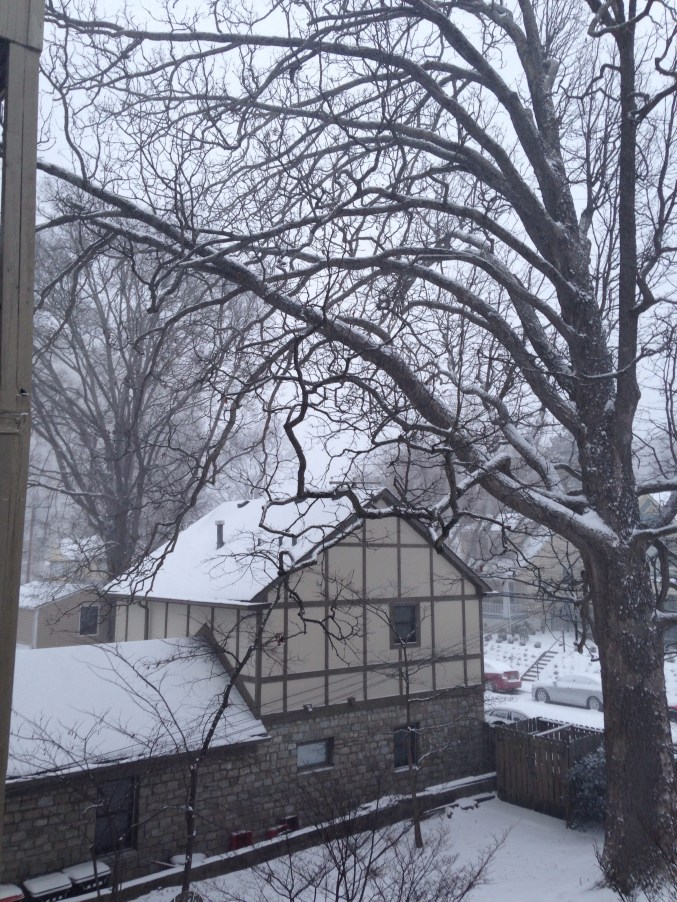
It’s been snowing all day! Very fine crystals of snow, so that we have really, only accumulated a little over an inch. But all is covered in a blanket of white, very peaceful and pristine. I didn’t actually cook up a storm, just cooked in a storm, with lots of spices, in a nice warm kitchen.

img_1275-1img_1283 img_1273 img_1268img_1271 img_1270 img_1278

Happy Valentine’s Day! “Love Hormone” Oxytocin Shows Promise in Treating Anxiety Disorders

DSCN7588

Happy Valentines Day friends!

https://bbrfoundation.org/brain-matters-discoveries/love-hormone-oxytocin-shows-promise-in-treating-anxiety-disorders

Although the symptoms of generalized social anxiety disorder are sometimes alleviated by antidepressant medicines such as Prozac, and tranquilizers such as Valium, these medications do not work for everyone. But a former NARSAD grantee and members of an international research team now report progress in understanding a new potential medical treatment for anxiety, which affects approximately 40 million American adults.

The researchers looked at the anxiety-reducing effects of oxytocin, a neurotransmitter sometimes called the “love hormone” for its ability to reduce stress and promote pro-social behaviors such as trust, empathy, and openness to social risk. Oxytocin has now been shown to make the amygdala less reactive to pictures of threatening or fearful faces. Previous research identified the amygdala as a crucial brain area for emotional processing.

In a paper appearing August 6th in Neuropsychopharmacology, researchers expanded on previous findings showing oxytocin’s influence on the amygdala. The research team was led by Stephanie M. Gorka, Ph.D., of the University of Illinois and included Pradeep Nathan, Ph.D., of Cambridge University (formally Monash University), recipient of a 2007 NARSAD Independent Investigator grant. They examined how oxytocin affects connections between the amygdala and other parts of the brain in people with anxiety disorder.

As study participants viewed fearful faces, brain scans with functional MRI showed that the amygdala communicated significantly less with other parts of the brain in those with generalized social anxiety, compared to those not diagnosed with anxiety disorder.  The less connected the amygdala was to other brain regions, the higher the anxious participants’ baseline stress levels were. Importantly, oxytocin reversed those trends by increasing amygdala connectivity in anxiety patients, while decreasing amygdala connectivity in everyone else.

These findings suggest that oxytocin can have specific effects in people with anxiety through its influence on the amygdala. More broadly, the fact that oxytocin had opposite effects in the two participant groups indicates that the neurotransmitter’s success in reducing stress and promoting social behavior depends on individual brain characteristics, which differ between those with anxiety and those without the disorder. Thus, while oxytocin continues to show promise as a potential treatment for anxiety, it may not promote positive social behaviors in everyone.

As noted by Professor Nathan and colleagues, these findings are preliminary. To better assess how presumed changes in the brain influence actual experiences of anxiety, further research is needed to test oxytocin on more people with and without anxiety disorders. This, the scientists say, will be crucial in determining whether and exactly how oxytocin can improve treatment for anxiety disorders.

“Child abuse produces damaging effects in bipolar patients.” Yes, true, but I am healing from all that!

Duh! People with bipolar d/o who have been abused as children develop the illness more than four years earlier than the not abused ones. They are twice as likely to attempt suicide and four times as likely to have post traumatic stress disorder (PTSD).

But no suicide attempts here, not in the past, not in the present, and most definitely not in the future. I have too much to live for, my son, my family, and my friends and even my Flufffluff! However, I am certain I do suffer from PTSD. Some events throw me into a firestorm of fight or flight and I act so out of character and so extreme, that after the storm passes, I am just left shaking my head and saying “Was that really me?” No it wasn’t the true, the real me, it was me under the influence of active PTSD. I think along with healing the abandonment issues with the techniques I am using, breathing, feeling the past pain, talk therapy, I will also diminish the effect of the PTSD resulting from child abuse. All this will allow my true self, which is warm, caring, loving, understanding, and patient to emerge and stay. These healing modalities will allow the abandonment anxiety and the abuse PTSD to hopefully mostly go away.

I have a small proof that they are working, last night we went to dinner, and after we got home, I couldn’t find my phone. Now normally, I would literally have been beside myself, I mean sitting beside myself, my fight or flight in the full on position, as if a massive lion was attacking me. BUT last night, I CALMLY went downstairs and looked for my phone in my car, not there. I CALMLY called the restaurant and asked if someone had turned in a phone, no. I remained calm and remembered I had the “find your phone” App, and used it on my computer, turns out it was in my condo, the sound was turned off. And I CALMLY found it! I noticed my calmness as all this was going on, it was a new feeling, to not be in full fight or flight mode. It was a new feeling, to BE OK!

I have other small victories, I was getting very anxious about an important issue in my life, and I was going to email out of that anxiety, but I calmed myself down (breathing) and talked my self out of acting out of anxiety. Something I wouldn’t have been able to do even 2 weeks ago. 

So I am learning, I am learning. And if I can learn, so can we all!

http://zeenews.india.com/news/health/health-news/child-abuse-produces-damaging-effects-in-bipolar-patients_1854144.html

Child abuse produces damaging effects in bipolar patients

London: Childhood abuse and neglect can lead to a range of negative outcomes in patients with bipolar disorder, warns a study.
Bipolar patients with a history of childhood maltreatment developed the depressive mental condition more than four years earlier than patients with no history of maltreatment, revealed the study.

In addition, they were almost twice as likely to attempt suicide and nearly four times more likely to have a diagnosis of post-traumatic stress disorder. Also, up to 15 percent of people with bipolar disorder die by suicide, the research, published in The Lancet Psychiatry, showed.

“Our findings have important implications for clinical practice, as they suggest that a history of childhood maltreatment could be used as an early indicator of high risk for poor outcomes among individuals with bipolar disorder,” said Jessica Agnew-Blais, post-doctoral researcher at King’s College London.
Bipolar patients with a history of childhood maltreatment have more severe manic, depressive and psychotic symptoms; higher risk of post-traumatic stress disorder, anxiety disorders, and substance and alcohol misuse disorders; earlier onset of symptoms; more frequent manic and depressive episodes; and higher risk of suicide attempt, the researchers elucidated.

One in every 25 adults is diagnosed with bipolar disorder at some point in their life. The disorder is characterised by periods or episodes of feeling very low and lethargic (depression) or of feeling very high and overactive (mania), the researchers said.
It is important to identify bipolar patients with the greatest clinical need and risk as early as possible, in order to ensure that they receive the most timely and effective interventions to reduce their risk of poor outcomes, the researchers suggested.

Maltreatment in the form of physical, sexual or emotional abuse, or neglect, affects one in five children under 18 in Britain and is known to be highly prevalent in bipolar patients (up to 60 percent).

Sadly, the only thing I can do is change psychiatrists

This is a little difficult for me to write about. It’s actually hard to believe it happened, but it did. I went to see my psychiatrist on Feb. 10th. I was telling him about how much anxiety I feel about my son, his being so far away from us, whether he is ok, whether he is looking for jobs. I have anxiety problems, as you know, and sometimes I transpose those onto my son. Sometimes there really is something worrisome going on. My psychiatrist seemed to get upset himself, and said “You have no control over what he does! He could be getting hit by a car and dying right now and you have no control!” This is making me very anxious even as I write it. I was totally flabbergasted and I sort of shrieked and said “What are you saying?” I told him that is not the right thing to say to me. It was in fact a horrible thing to say to a mother who has anxiety problems focused on her son. The whole night I kept waking up with a start and sort of panicking about my son. Who says a thing like that to a mother? How did he, my psychiatrist, who is supposed to help me, say such an awful thing? I don’t understand it. What I do know is that it is time to find a new psychiatrist. I calmed myself down in his office with the breathing exercises I have learned. I did that all night long. Even the next morning, I awoke with a start, anxious about what he had said to me. Pretty preposterous, I think. This on top of him prescribing me 125 mcg of Synthroid (my endocrinologist had prescribed 88 mcg) which was too much for me, so that now I have bad osteoporosis in my spine! and now I have to take medication for that. He had also prescribed Premarin for me, luckily I refused to take that because I knew that hormones push me into mania. Pretty awful. And this man is a highly respected psychiatrist, a supposed expert in mood disorders. Where is a person to turn? Obviously, I have to find a new psychiatrist. That in itself is quite anxiety provoking. Let’s hope I find a good one. And long live breathing exercises.