Doctors Now Prescribing Music Therapy for Heart Ailments, Brain Dysfunction, Learning Disabilities, Depression, PTSD, Alzheimers, Childhood Development and More

Music not only soothes the savage breast, but heals! Amazing list below. Among the illnesses helped are blood pressure maladies, heart ailments, depression, stress, Alzheimer’s, PTSD, sleep apnea and more. Read on!

http://didgeproject.com/therapeutics/doctors-now-prescribing-music-for-heart-ailments-brain-dysfunction-learning-disabilities-depression-ptsd-alzheimers-and-more/

music therapy

Music has proven time and again to be an important component of human culture. From its ceremonial origin to modern medical usage for personal motivation, concentration, and shifting mood, music is a powerful balm for the human soul. Though traditional “music therapy” encompasses a specific set of practices, the broader use of music as a therapeutic tool can be seen nowadays as doctors are found recommending music for a wide variety of conditions.

1) Music Helps Control Blood Pressure and Heart-Related Disorders

According to The Cardiovascular Society of Great Britain, listening to certain music with a repetitive rhythm for least ten seconds can lead to a decrease in blood pressure and a reduced heart rate. Certain classical compositions, if matched with human body’s rhythm, can be therapeutically used to keep the heart under control. The Oxford University study states, “listening to music with a repeated 10-second rhythm coincided with a fall in blood pressure, reducing the heart rate” and thus can be used for overcoming hypertension.

2) Listening and Playing Music Helps Treat Stress and Depression
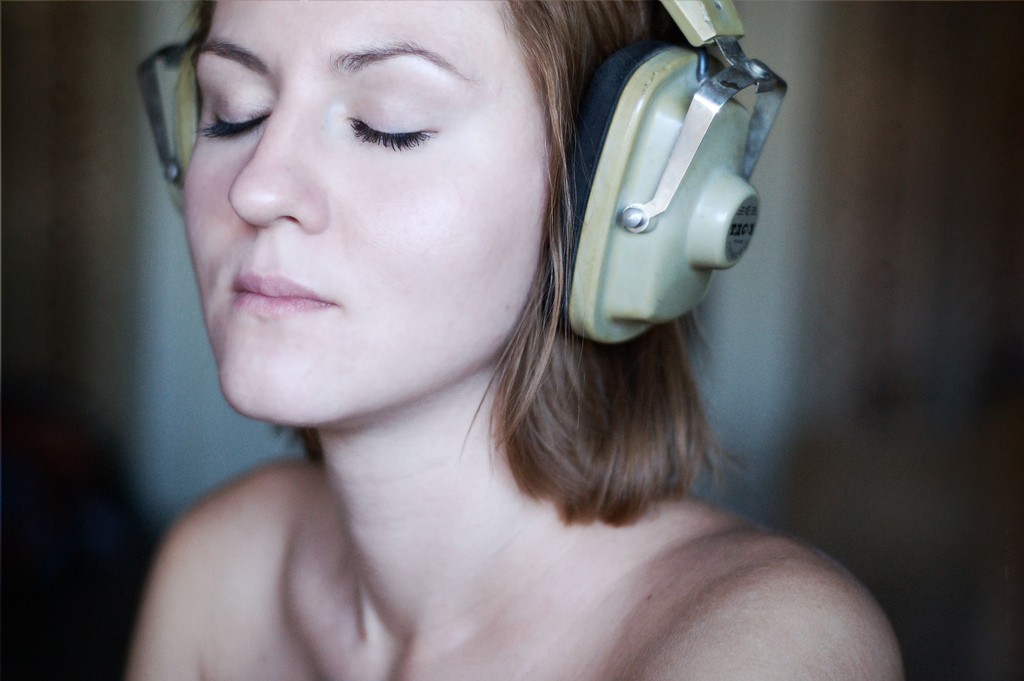
When it comes to the human brain, music is one of the best medicines. A study at McGill University in Canada revealed that listening to agreeable music encourages the production of beneficial brain chemicals, specifically the “feel good” hormone known as dopamine. Dopamine happens to be an integral part of brain’s pleasure-enhancing system. As a result, music leads to great feeling of joy and bliss.

It’s not only listening to music that has a positive effect on stress and depression. TheNamm Foundation has compiled a comprehensive list of benefits of playing music, which includes reducing stress on both the emotional level and the molecular level. Additionally, studies have shown that adults who play music produce higher levels of Human Growth Hormone (HgH), which according to Web MD, is a necessary hormone for regulating body composition, body fluids, muscle and bone growth, sugar and fat metabolism, and possibly heart function.

For more on how music can be composed to benefit the brain, read about States of Consciousness and Brainwave Entrainment.

3) Music Therapy Helps Treat Alzheimer’s Disease
Music therapy has worked wonders on patients suffering from Alzheimer’s disease. With Alzheimer’s, people lose their capacity to have interactions and carry on with interactive communications. According to studies done in partnership with the Alzheimer’s Foundation of America, “When used appropriately, music can shift mood, manage stress-induced agitation, stimulate positive interactions, facilitate cognitive function, and coordinate motor movements.”

4) Studying Music Boosts Academic Achievement in High Schoolers

Early exposure to music increases the plasticity of brain helping to motivate the human brain’s capacity in such a way that it responds readily to learning, changing and growing. “UCLA professor James S. Catterall analyzed the academic achievement of 6,500 low-income students. He found that, by the time these students were in the 10th grade, 41.4% of those who had taken arts courses scored in the top half on standardized tests, contrasted with only 25% of those who had minimal arts experience. The arts students also were better readers and watched less television.” This goes to show that in the formative stages of life, kids who study music do much better in school.

5) Playing Guitar (and Other Instruments) Aids in Treating PTSD

The U.S. Department of Veterans Affairs shared a study in which veterans experiencing Post Traumatic Stress Disorder (PTSD) experienced relief by learning to play guitar. The organization responsible for providing guitars, Guitars For Vets “enhances the lives of ailing and injured military Veterans by providing them free guitars and music instruction.” Playing music for recovery from PTSD resembles traditional music therapy, in which patients are encouraged to make music as part of their healing process. Guitar is not the only instrument that can help PTSD. In fact, Operation We Are Here has an extensive list of Therapeutic Music Opportunities For Military Veterans.

6) Studying Music Boosts Brain Development in Young Children

A research-based study undertaken at the University of Liverpool in the field of neuroscience has light to shed on the beneficial effects of early exposure to music. According to the findings, even half an hour of musical training is sufficient to increase the flow of blood in the brain’s left hemisphere, resulting in higher levels of early childhood development.

The Portland Chamber Orchestra shares, “Playing a musical instrument involves multiple components of the central (brain and spinal cord) and peripheral (nerves outside the brain and spinal cord) nervous systems.  As a musician plays an instrument, motor systems in the brain control both gross and fine movements needed to produce sound.  The sound is processed by auditory circuitry, which in turn can adjust signaling by the motor control centers.  In addition, sensory information from the fingers, hands and arms is sent to the brain for processing.  If the musician is reading music, visual information is sent to the brain for processing and interpreting commands for the motor centers.  And of course, the brain processes emotional responses to the music as well!”

7) Music Education Helps Children Improve Reading Skills

Journal Psychology of Music reports that “Children exposed to a multi-year program of music tuition involving training in increasingly complex rhythmic, tonal, and practical skills display superior cognitive performance in reading skills compared with their non-musically trained peers.” In the initial stages of learning and development, music arouses auditory, emotional, cognitive and visual responses in a child. Music also aids a child’s kinesthetic development. According to the research-supported evidence, a song facilitates language learning far more effectively than speech.

8) Listening To Music Helps Improve Sleep

According to The Center for Cardiovascular Disease in China, listening to music before and during sleep greatly aids people who suffer from chronic sleep disorders. This “music-assisted relaxation” can be used to treat both acute and chronic sleep disorders which include everything from stress and anxiety to insomnia.

9) Playing Didgeridoo Helps Treat Sleep Apnea

 

A study published in the British Medical Journal shows that people suffering from sleep apnea can find relief by practicing the Australian wind-instrument known as thedidgeridoo. Patients who played the didgeridoo for an average of 30-minutes per day, 6 days per week, saw significant increases in their quality of sleep and decreases in daytime tiredness after a minimum period of 3-months of practice. Dr. Jordan Stern of BlueSleep says, “The treatment of sleep apnea is quite challenging because there is not a single treatment that works well for every patient. The didgeridoo has been used to treat sleep apnea and it has been shown to be effective in part because of strengthening of the pharyngeal muscles, which means the muscles of the throat, as well as the muscles of the tongue.”




Lithium is kicking in :-)

I increased my dose of Lithium from 900 mg to 1200 mg, and my mood has settled down. The fight or flight seems to have dampened and generally I feel calmer and better. 

Went to the wedding last night, it was held at the Buffalo Hyatt Regecy, a beautiful venue for it and it was amazing, the Vikings were there again. 😀 Danced for hours again and in a sari!

Respite

img_2058img_2065img_2072img_2053img_2040img_2035

It’s odd, even at the beginning of a manic phase, when you are feeling like hell, everything is setting off your fight or flight response*, your emotions are off the charts, of course it is all fear driven and you are not functioning well at all, there are times, minutes, even hours, when you can function normally. I went to a Mehndi (the henna ceremony the day before the wedding) of one of my best friend’s daughters. Yes, there were moments of almost panic and tears, but I kept them at bay and talked and laughed for hours and DANCED for about three hours! I love dancing, I think if I could dance everyday, I would never be depressed and maybe not manicky either.

It was a lovely respite from the awful emotional fire and thunderstorms lately in my mind.

Tonight is the wedding, and the only problem I’m thinking about right now is how I’m going to dance with a sari on!

IMG_6731

* Fight or flight response is your body’s physiological response to life threatening situations, as in you are taking a walk and a lion, a band of machine gun toting guerrillas, or gorillas come up on you, or any other life threatening situation happens. Your fight or flight is activated, adrenalin surges through your body, your heart starts pounding, you are ready to fight or flee for your life. There are times when this is needed. However, when it keeps getting activated either because of mania or even depression or mixed phases, due to inconsequential things, basically everything becomes catastrophic, it is very, very difficult to deal with.

Funny how you feel better when you realize it’s your illness that is flaring up!

img_1369

Very odd, your mind is going a millions miles an hour, everything has become too difficult to handle, your are having crying jags, fighting with your siblings, what the hell is going on? Why are you feeling like this? Your son got his first job, and all you can think about are negative things in regard to this. Nothing looks good, anger, sadness, over thinking, all tumult, all overly emotional. And then it hits you, you are going into a manic phase or a mixed manic phase and all of a sudden you feel calm. You say: Oh my god, it’s the bipolar disorder acting up again! Now you know what’s going on, you can do something about it. Abandonment? Yes that is an issue in your psyche, BUT when all of a sudden you can’t get it out of your mind, and start feeling very sorry for yourself, then it is not the abandonment that is the issue, but your mood state.

I, in the last few days have experienced all this but now feel a lot better, simply because I suddenly realized: I’m not going crazy (haha) my bipolar disorder is acting up. Now I have increased my dose of lithium, and in a few days, I will feel much better. Once I realize that I am getting “sick” I can do something about it. I get the control back over my life. Instead of my emotions controlling me, I will soon be able to control them. Instead of every little thing becoming an insurmountable obstacle, I can navigate my world again.

Lithium, I love you. I am looking forward to not being the drama queen SOON!

Hello Abandonment My Old Friend

Hello Abandonment my old friend, I’ve come to talk with you again.
And I don’t want to talk to you, I don’t want to know you, but you keep rearing your ugly head in my life! Perhaps it’s because my son is all grown up, even has a job as an Immigration Attorney! And I am thrilled by this development, however I believe it has set off abandonment issues again. And I feel the devastating feelings of the child I was who was abandoned, abused, denigrated. And once again, I am taking it out on innocent friends, these people, who don’t deserve the emotional firestorm that is brewing inside of me. I spoke with my therapist, she helped me realize it is happening again. She gave me a wonderful example to illustrate what’s going on: I am in a room with a friend. I walk towards a table to get something and on my way, I stub my toe on a piece of furniture. I am in intense pain, my foot is throbbing and I can think of nothing else but the pain. Am I now going to blame the friend who was in the room with me when I stubbed my toe? No! It is not my friend’s fault. Am I going to expect this friend of mine to take away the pain of my stubbed, perhaps broken toe? No, how could my friend do this?

So, why, when the abandonment monster rears its ugly head, do I expect other innocent people, people who had nothing at all to do with my childhood abandonment, why do I expect these people, these friends to take away the pain? It is a very illogical thing to do. Unfortunately though, abandonment issues don’t have anything to do with logic, only emotions. If you have a therapist who is good and who can make you realize what is going on, you can stop expecting your friends to take away the pain. It’s not fair to them, it’s most likely very annoying for them for me to behave in this strange, clingy, fearful, childish way.

It comes and it goes. I wish there was something I could do to make it go away forever. But realizing I am putting pressure on my friends to heal me or make me feel better or loved, is the beginning of stopping it, at least for now. And when it comes back again, we do it all over again. Abandonment, it can make you feel like you are going to die, like your heart is going to explode with the fear of loss. But you realize it, and then you can stop it.

Please, gods of love and happiness, free me from this monster. I don’t want to live there anymore.


https://www.psychologytoday.com/blog/the-many-faces addiction/201006/understanding-the-pain-abandonment

When children are raised with chronic loss, without the psychological or physical protection they need and certainly deserve, it is most natural for them to internalize incredible fear. Not receiving the necessary psychological or physical protection equals abandonment. And, living with repeated abandonment experiences creates toxic shame. Shame arises from the painful message implied in abandonment: “You are not important. You are not of value.” This is the pain from which people need to heal.

For some children abandonment is primarily physical. Physical abandonment occurs when the physical conditions necessary for thriving have been replaced by:

  • lack of appropriate supervision
  • inadequate provision of nutrition and meals
  • inadequate clothing, housing, heat, or shelter
  • physical and/or sexual abuse

Children are totally dependent on caretakers to provide safety in their environment. When they do not, they grow up believing that the world is an unsafe place, that people are not to be trusted, and that they do not deserve positive attention and adequate care.

Emotional abandonment occurs when parents do not provide the emotional conditions and the emotional environment necessary for healthy development. I like to define emotional abandonment as “occurring when a child has to hide a part of who he or she is in order to be accepted, or to not be rejected.”

Having to hide a part of yourself means:

  •  it is not okay to make a mistake.
  •  it is not okay to show feelings, being told the way you feel is not true. “You have nothing to cry about and if you don’t stop crying I will really give you something to cry about.” “That really didn’t hurt.” “You have nothing to be angry about.”
  • it is not okay to have needs. Everyone else’s needs appear to be more important than yours.
  •  it is not okay to have successes. Accomplishments are not acknowledged, are many times discounted.

Other acts of abandonment occur when:

  • Children cannot live up to the expectations of their parents. These expectations are often unrealistic and not age-appropriate.
  • Children are held responsible for other people’s behavior. They may be consistently blamed for the actions and feelings of their parents.
  • Disapproval toward children is aimed at their entire beings or identity rather than a particular behavior, such as telling a child he is worthless when he does not do his homework or she is never going to be a good athlete because she missed the final catch of the game.

Many times abandonment issues are fused with distorted, confused, or undefined boundaries such as:

When parents do not view children as separate beings with distinct boundaries

When parents expect children to be extensions of themselves

When parents are not willing to take responsibility for their feelings, thoughts, and behaviors, but expect children to take responsibility for them

When parents’ self-esteem is derived through their child’s behavior

When children are treated as peers with no parent/child distinction

Abandonment plus distorted boundaries, at a time when children are developing their sense of worth, is the foundation for the belief in their own inadequacy and the central cause of their shame.

Abandonment experiences and boundary violations are in no way indictments of a child’s innate goodness and value. Instead, they reveal the flawed thinking, false beliefs, and impaired behaviors of those who hurt them. Still, the wounds are struck deep in their young hearts and minds, and the very real pain can still be felt today. The causes of emotional injury need to be understood and accepted so they can heal. Until that occurs, the pain will stay with them, becoming a driving force in their adult lives.

Immune Disorders Tied to Mental Illness?

dscn4762

Wow! This is my pet hypothesis, that mental illness is caused by immunological factors, and may even be an auto-immune disease. Well here, ladies and gentlemen, a bone marrow transplant cures mice of compulsively pulling out their hair!

Compulsive hair pulling is akin to obsessive compulsive disorder and changing the mice’s immune system (bone marrow transplant) stops them from pulling out their hair.

Please can I get a bone marrow transplant? Please?

http://psychcentral.com/news/2010/06/01/immune-disorders-tied-to-mental-illness/14171.html

A provocative study using genetically altered mice finds a cause-and-effect link between the immune system and a psychiatric disorder.

Mario Capecchi, a Nobel Prize-winning geneticist, discovered that bone marrow transplants cure mutant mice who pull out their hair compulsively.

The study provides the first cause-and-effect link between immune system cells and mental illness, and points toward eventual new psychiatric treatments.

“We’re showing there is a direct relationship between a psychiatric disorder and the immune system, specifically cells named microglia that are derived from bone marrow” and are found in the brain, says Capecchi.

“There’s been an inference. But nobody has previously made a direct connection between the two.”

The findings – published in the journal Cell – should inspire researchers “to think about potential new immune-based therapies for psychiatric disorders,” says Capecchi, a 2007 Nobel laureate in physiology or medicine.

Capecchi and colleagues showed that pathological grooming and hair-pulling in mice – a disorder similar to trichotillomania (trick-o-til-o-MAY-nee-ah) in humans – is caused by a mutant Hoxb8 gene that results in defective microglia, which are immune system cells that originate in bone marrow and migrate from blood to the brain.

Microglia defend the brain and spinal cord, attacking and engulfing infectious agents.

Mice with pathological grooming appear to groom normally, but do so too often and for too long, leading to hair removal and self-inflicted skin wounds. The disease of pulling out head or body hair is common in humans; studies in seven international communities found trichotillomania affecting 1.9 to 2.5 of every 100 people.

In the key experiment, geneticist Shau-Kwaun Chen, Capecchi and colleagues transplanted bone marrow from normal mice into 10 mice that had a mutant Hoxb8 gene and compulsively pulled out their own chest, stomach and side fur.

As the transplant took hold during ensuing months, grooming behavior became normal, four mice recovered completely and the other six showed extensive hair growth and healing of wounds.

“A lot of people are going to find it amazing,” says Capecchi. “That’s the surprise: bone marrow can correct a behavioral defect.”

Nevertheless, “I’m not proposing we should do bone marrow transplants for any psychiatric disorder” in humans, he says.

Bone marrow transplants are expensive, and the risks and complications are so severe they generally are used only to treat life-threatening illnesses, including certain cancers and disabling autoimmune diseases such as lupus.

Capecchi says that mice with the mutant gene that causes pathological grooming now can be used to study the surprising connections between the immune system’s microglia cells and mental illness – and ultimately to produce new treatments.

“We think it’s a very good model for obsessive-compulsive disorder,” he says.

Source: University of Utah Health Sciences

Bipolar risk boosted by accumulation of rare versions of genes

https://www.sciencenews.org/article/bipolar-risk-boosted-accumulation-rare-versions-genes

kb_bipolar_graph_freeRISING RISK  People with bipolar disorder are more likely than others to have several rare versions of genes that control how much nerve cells fire. Width of the shapes in the graph indicate how many people in each group had a given number of rare gene types.

A buildup of rare versions of genes that control the activity of nerve cells in the brain increases a person’s risk for bipolar disorder, researchers suggest in a paper posted online the week of February 16 inProceedings of the National Academy of Sciences.

“There are many different variants in many different genes that contribute to the genetic risk,” says coauthor Jared Roach, a geneticist at the Institute for Systems Biology in Seattle. “We think that most people with bipolar disorder will have inherited several of these risk variants.

Irritable Depression

img_0546Depression, the irritable kind is when one is quick to anger and quick to tears. Unfortunately this is the kind that I often have, where I get so angry and even rageful, and then the tears, yes the tears come. Julie Fast’s blog is the first place where I learned this was a thing. I wrote about it, see here: https://bipolar1blog.com/2016/08/20/mean-bipolar-downswings-check-yourself-before-you-wreck-yourself/

Now here is an article that describes Irritable depression as a subcategory of depression. It’s not bad enough to feel bad, but on top of it all is the anger and then the dissolution into tears. I get a very short fuse, things that would normally not set me off, do. It is one of the lease fun things that one can experience.

For me, the treatment is to increase my dose of Seroquel, let’s say fro 50 mg to 75 mg and then possibly to 100 mg.

Currently I am on 100 mg of Seroquel and 900 mg of lithium daily. And this seems to be controlling my mood quite well. Of course anxiety, though somewhat controlled by Seroquel, sometimes gets beyond me.

Some of my friends have asked if their or their loved ones’ symptoms of anger, tears and depression are depression. Well, here’s the answer, yes they are.

https://www.elementsbehavioralhealth.com/depression/irritable-depression-when-sadness-feels-like-anger/

Ever feel so frustrated and pent up that even the slightest thing seems like it could set you off? On the verge of rage, but is it truly rage or is it a different emotion – one that defies words but combines anger, frustration, sadness, anxiety, “stressed out” and edginess? Irritability can feel like emotional sandpaper under your skin and once it is in full swing, everything, from a partner’s kind words to your dog’s whine, seems to make it worse.

Typically when we think of depression, we think of the classic symptoms: sadness, low energy, insomnia, appetite changes, and so on. Sometimes, however, depression presents with a slightly different constellation of symptoms, especially in children and young adults. In fact, in children, sadness might not even be present and irritability alone can lead to a diagnosis of depression. The notion of an irritable or agitated depression has been around in mental health treatment for decades, but is not yet supported by the formal diagnostic process for adults.

Diagnostic Criteria

Currently, the basic criteria required to diagnose depression must include at least five of the following symptoms, and must include either sadness or loss of interest as one of the five:

  • Sadness, “the blues,” low mood, feeling glum, bummed out, or down for no clear reason.
  • No longer being interest in doing things that previously were compelling or interesting. In some cases, this escalates into a complete loss of interest in doing anything at all, and withdrawing from social activity. In other cases, the activity continues but pleasure/enjoyment ceases.
  • Appetite changes that result in weight changes: increases or decreases may be part of depression, but only significant weight loss is noted as diagnostic criterion.
  • Changes in sleep patterns: oversleeping (can’t get out of bed, sleeping excessive number of hours) or inability to sleep.
  • Feeling tired, washed out, and exhausted despite sleeping.
  • An increase in fidgety, purposeless movement such as pacing, nail biting, or chewing the insides of your mouth or a complete absence of such movements (the technical term for this is psychomotor agitation or retardation).
  • Excessive guilt and feeling worthless.
  • Difficulty concentrating, feeling overwhelmed or unable to complete basic mental or physical tasks; feeling unable to do “normal” activities such as driving, food shopping, answering emails, etc.
  • Thoughts of death, thoughts of suicide, plans of suicide, or attempting suicide.

In adults, a sad mood must be present to diagnose depression. In children, this is not so. The first criteria, sadness or a low mood, need not be present in children if the dominant mood state is irritable. However, in May 2013, a new revision of the Diagnostic and Statistical Manual (DSM) will be released and some changes in understanding depression and irritability in both adults and children are expected.

Irritable Subtype?

Much has been written about diagnosing depression, and the age exclusion regarding irritability. Studies show that many depressed adults report significant irritability, yet this symptom alone is not sufficient for the diagnosis of depression. Some researchers and clinicians have been arguing for the inclusion of an irritable subcategory of Major Depressive Disorder to help identify, diagnose, and treat this group of depression sufferers. As the DSM heads for its fifth revision, the inclusion of an irritable subtype of major depression may become a reality.

What is Irritability?

Quick to anger and quick to tears, most of us know when we are irritable, or more poignantly, we know when those around us are irritable. When children are irritable, they are easily frustrated, have a “short fuse” and may be more prone to acting out behaviorally. Adults also show irritability by becoming easily angered or frustrated, allowing small annoyances to take on inappropriate significance, or having trouble filtering out a sharp word or impatient sigh.

In terms of diagnosing a psychiatric illness such as depression, though, clarity and precision are important. Reflect for a moment upon the overlap among feelings of anger, aggression, hostility, and irritability: if irritability is to be featured more prominently in the diagnosis of depression, then it becomes increasingly important to have a clear and precise understanding of this emotion.

Irritability is already seen as a diagnostic indicator in several psychiatric disorders, including mania, ADHD, PTSD, and substance abuse. However, researchers note that the definition of this term within the DSM IV is lacking precision. Some researchers have advocated for removing irritability as a criteria from a number of diagnoses, and instead creating a working definition of “dysfunctional anger.” Whatever it ends up being called, the addition of a mood state other than sadness being key in the diagnosis of depression in some cases is a positive step forward in helping those with this type of depression gain better access to treatment.

Euthanasia for physical diseases is NOT the same as suicide for mental illnesses.

img_0183

My friend, valuable human being, intelligent blogger, hilarious wit, Ulla recently committed suicide. I know she was in an unremitting depression, I know she was in an enormous amount of pain, but every fiber of my being revolted against the idea of her suicide, against the idea of the loss of her.

When someone has terminal cancer, and has been reduced to 30 pounds in weight, have had their whole small intestine and colon resected and are living with a colostomy bag. Also the chemotherapy has caused them to become blind, and the cancer, despite repeated surgeries, has spread everywhere, causing them unbearable pain. This I whole heartedly agree is a case for euthanasia. This poor person is not going to recover after having reached this state and keeping them around to suffer is quite unconscionable. Euthanasia here, is very appropriate.

A person has a mental illness, they are in a severe depression, they are in terrible emotional pain, and physical pain. They are constantly thinking of ending it all. they are constantly thinking of committing suicide. Is this the same as euthanasia due to the above cancer case? NO! It is not. Here the body has not given out. Here even though the depressed person thinks there is no hope, there is hope! This person may commit suicide today and tomorrow, a miraculous new drug that cures depression may be put on the market. So that if this person would have waited one more day, their problems would have been solved. People with mental illness who are suicidal do not have to die. Their kidneys are in good working order, their livers are in good working order, their weight is normal, nothing is literally killing them, except their thoughts and feelings. Yes these are valid, yes these count. But they are not absolute. It doesn’t have to be this way.

Suicide really, truly is a permanent solution to a temporary problem! Even if the temporary duration might be very long.

I know some of my friends have said that Ulla deserved peace and to be reunited with her mother. Well, as an atheist, all I think she got was nothing, simply not existing anymore.

Please, suicide is not a valid treatment for a mental illness. Our feelings, our thoughts get hijacked by depression, making us feel hopeless, worthless, loveless, full of pain, and wanting to end it all. But it does not have to be this way. I would rather be put into a coma for a few months, like they do with physical illnesses and then be brought out if and when a better medication has been discovered. Who knows, just the act of putting me in a coma may rewire my brain and take me out of the depression.

Please, don’t give up! Hang on, no matter how much pain you are feeling, things can get better, if you are here. They can’t if you have taken your own life.

I so wish Ulla had not done what she did. She deserved to be happy and to live, I wish someone would have helped talk her out of it. A young, vibrant, intelligent, funny, lovely woman. Suicide robbed us of her.

May Ulla be in Heaven and bipolar rot in hell

This club to which I , which we belong, this damned bipolar disorder club… this club of which I wish I’d never heard, this hateful, painful, sickening, useless, dangerous, life robbing, hour sucking, tortuous club, someone open the doors and let me out. 

There is a theory that bipolar, depression, schizophrenia, the terrific trio, exist as a side effect of high intelligence. That highly intelligent people can have siblings with these diseases and that evolution just keeps these illnesses around because the very intelligent people have an evolutionary advantage in survival. So we are just the collateral damage of high intelligence. Yes we are highly intelligent, but our moods are dysregulated as a result. So we go into the blackest of depressions and end our lives. Fuck you bipolar! May you rot in hell. 

And my friend Ulla, affectionately known to all of us as Blah of https://theblahpolar.wordpress.com , I do so much hope you are in heaven and at peace.