Researchers find new signs of stress damage in the brain, plus hope for prevention

Two words: Medial Amygdala and Acetyl Carnitine… ok that’s 5 words, but it’s still two concepts 🙂
http://www.neuroscientistnews.com/research-news/researchers-find-new-signs-stress-damage-brain-plus-hope-prevention

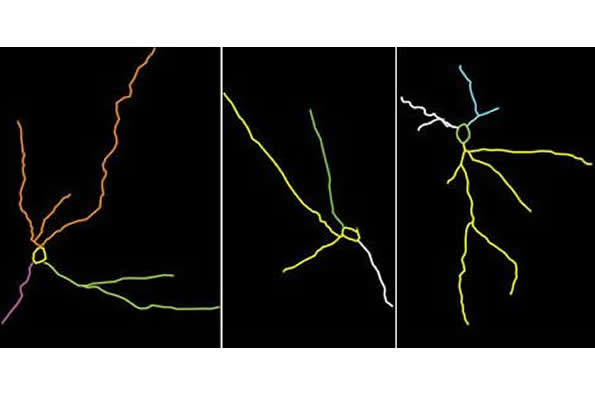
neurons

Chronic stress can make us worn-out, anxious, depressed—in fact, it can change the architecture of the brain. New research at The Rockefeller University shows that when mice experience prolonged stress, structural changes occur within a little-studied region of their amygdala, a part of the brain that regulates basic emotions, such as fear and anxiety. These changes are linked to behaviors associated with anxiety and depressive disorders

There is good news, too: an experimental new drug might prevent these changes.

“There have been hints that the amygdala displays a complex response to stress,” says lead author Carla Nasca, a postdoc in Bruce S. McEwen’s lab. “When we took a closer look at three regions within it, we found that neurons within one, the medial amygdala, retract as a result of chronic stress.

“While this rewiring can contribute to disorders such as anxiety and depression, our experiments with mice showed that the neurological and behavioral effects of stress can be prevented with treatment by a promising potential antidepressant that acts rapidly,” Nasca says.

In the research, published in Molecular Psychiatry, her team found this protective approach increased resilience among mice most at risk for developing anxiety or depression-like behaviors.

A close look at the amygdala

The brain’s limbic system controls emotions and memory, and it comprises a number of structures, including the amygdala, which is found deep in the brain. Scientists interested in the neurological effects of stress have focused on several structures in the limbic system, but the medial amygdala has thus far received little attention in stress studies.

To see what was going on in this area, as well as two other parts of the amygdala, Nasca and her team first subjected mice to 21 days of periodic confinement within a small space–an unpleasant experience for mice. Afterward, they tested the mice to see if their behaviors had changed–for instance, if they had begun to avoid social interaction and showed other signs of depression. They also analyzed the neurons of these mice within the three regions of the amygdala.

One area saw no change with stress. In another, the basolateral amygdala, they saw that neurons’ branches became longer and more complex—a healthy sign of flexibility and adaptation, and something that had been shown up in previous work. But in the medial amygdala, the neuronal branches, which form crucial connections to other parts of the brain, appeared to shrink. The loss of connections like these can harm the brain, distorting its ability to adapt to new experiences, leaving it trapped in a state of anxiety or depression.

Protecting neurons

This effect could be prevented. The scientists repeated the stress experiment, and this time they treated mice nearing the end of their 21 days of chronic stress with acetyl carnitine, a molecule Nasca is studying for its potential as a rapid-acting antidepressant. These mice fared better than their untreated counterparts; not only were they more sociable, the neurons of their medial amygdalas also showed more branching.

Stress does not affect everyone the same way. This is true for both humans and mice—some individuals are just more vulnerable. Nasca and her colleagues’ experiments included mice at high risk of developing anxiety- and depression-like behaviors in response to stress. Treatment with acetyl carnitine also appeared to protect these mice, suggesting that a similar preventative approach might work for depression-prone people.

Both humans and rodents naturally produce acetyl carnitine under normal conditions and several depression-prone animal models are deficient in acetyl carnitine. In a separate study, Nasca and colleagues are examining whether people with depression have abnormally low levels of the molecule.

“Chronic stress is linked to a number of psychiatric conditions, and this research may offer some new insights on their pathology,” McEwen says. “It seems possible that the contrasting responses we see within the amygdala, and the limbic system in general, may contribute to these disorders’ differing symptoms, which can range from avoiding social contact to experiencing vivid flashbacks.”




Psychological Pain vs Physical Pain

IMG_0390IMG_0390IMG_0390

When we feel physical pain, we have no qualms about going to a doctor and getting it looked at and treated. For example, if we break an arm, there is no hesitation at all in going to see an orthopedist, getting it x-rayed and putting a cast on it, no hesitation in taking pain relievers to stop your arm from hurting. No negative self talk or blame, we don’t say things like “You are an idiot, your are so weak, you can never do anything right, you broke your arm out of sheer incompetence.”

But when we feel psychological pain, we don’t ask for help. We deny it. We try to do other things, like watching TV, reading a book, or even self medicating, rather than going to see a professional about it. Why is that? Why is it harder to simply take the psychological pain at face value and get help?

Well for one, you can’t see psychological pain, you can’t take an x-ray of it like you can of your broken arm and know that something’s wrong. Also, a broken bone is a broken bone, but each person’s depression can have different symptoms, or present in different ways. Psychological pain is more nebulous. Not only do other people have trouble believing that you are suffering, but you yourself doubt there’s really anything wrong. One minute you feel awful, the next minute you’re feeling better. And of course, there is a lot of negative self talk, you are a loser, you will never amount to anything, it’s all in your head, come on just snap out of it and on and on and on. And then, because you don’t want to admit to anyone else that you aren’t feeling well, there is the self medication, the distracting methods like TV, pretending to be fine with happy people, etc. etc.

Well, what if when you didn’t feel good psychologically, you did take yourself seriously, what if you didn’t run away from or try to mask your feelings? I know this is painful, to face the pain! It’s not for nothing that it is called psychological pain! But facing your pain, even though it is uncomfortable, even though you are afraid, what if you went for help to a psychologist or psychiatrist and examined those painful feelings or talked about the issues and even got some appropriate medication? What if you didn’t engage in negative self talk, self abusive talk?

Yes the problem may be more nebulous, but you know when you don’t feel well. Perhaps mental illness runs in your family, what if you accept you are feeling unwell, and be compassionate with yourself and get help from a professional.

Yes these issues are nebulous, and things like “inner child” work is non specific, but these things really work. Medication, even if you have to try a few, really works. All these modalities can only help you.

We must be as motivated to ensure that we feel better from psychological pain as we are to feel better from physical pain.

The brain is the most complicated organ in the body. So when you have a disease of the brain, which is what a mental illness is, it is more difficult to gain an understanding of what is going on than in our example of the broken arm. Certainly there are complicated physical illnesses such as cancer, but any neurological or mental illness in general is very (even the most) complicated and difficult to understand and treat.

Knowing this, knowing we are dealing with a complicated illness, and we as people with mental illness are also trying to understand our illness with the same organ that is suffering from the illness, namely the brain, we can approach mental health professionals, experienced people in treating mental illness and make sure we get help and treatment.

What if we can say to ourselves that we have an illness of the brain. The brain is a physical organ, so as far as I’m concerned, there is no such distinction as psychological pain vs physical pain. It is all pain due to one organ (eg. brain, pancreas) or body part (eg. broken arm) or other. Can we not get past that psychological vs physical dichotomy? If we could, we would then say “Oh, I am not feeling well, I am experiencing psychological pain, I need to see a doctor who specializes in treating such illnesses of the brain.” And we would get treated without stigma, without beating ourselves up, and we would get better and feel better. Amen!

Hugh’s Weekly Photo Challenge: Week 27 – ‘Vintage’

DSCN2953

This is my grandmother’s solid silver tea set that was passed on to my mother and then to me! When it’s polished, it looks absolutely beautiful, but I like it like this too. My grandmother got married in 1926, and must have gotten this as one of the pieces in her dowry.

DSCN3434

This is a newspaper that came out of the walls of our 110 year old condominium in Louisville, we were doing a major renovation. It’s from 1937! Quite a surprising find!

https://hughsviewsandnews.com/2016/05/31/hughs-weekly-photo-challenge-week-27-vintage/


10 Things You Need to Give Up If You Want to Be Happy

I know, we’ve heard all or most of these before, yet this is so spot on that I decided to post it. One more thing I would add is to give up expectations, giving up expecting other people to act a certain way will definitely contribute to our happiness, because we all act our own way, not the way that someone might expect us to act. That is normal and should be the expectation. Ok time for me to go off to dreamland. So good night my friends 😴💤

Medical research: Time to think differently about diabetes

Wow, this is quite amazing. Diabetic people who get bariatric surgery don’t need to be on insulin anymore. This is more than just the effect of the following weight loss. Changes to GI anatomy can directly influence glucose homeostasis! Quite amazing. GI surgery can cure diabetes! 

Wouldn’t it be wonderful if they found knee replacement operations cured bipolar disorder 🙃🙃

http://www.nature.com/news/medical-research-time-to-think-differently-about-diabetes-1.19955?WT.mc_id=FBK_NatureNewsClinical guidelines published this week1 announce what may be the most radical change in the treatment of type 2 diabetes for almost a century. Appearing in Diabetes Care, a journal of the American Diabetes Association, and endorsed by 45 professional societies around the world, the guidelines propose that surgery involving the manipulation of the stomach or intestine be considered as a standard treatment option for appropriate candidates. This development follows multiple clinical trials showing that gastrointestinal surgery can improve blood-sugar levels more effectively than any lifestyle or pharmaceutical intervention, and even lead to long-term remission of the diseases. 

As someone who has been investigating the link between gastrointestinal surgery and glucose homeostasis since the late 1990s (see ‘Surgical breakthrough’), I have witnessed first-hand how getting to this point has required many clinical scientists to put aside long-standing preconceptions. Indeed, the guidelines come nearly 100 years after the first clinical observations that diabetes could be improved or even resolved by a surgical operation (see ‘A long road’)2. The evidence that surgery can prompt the remission of a disease that has long been considered irreversible could bolster searches for what causes diabetes and even reinvigorate hopes to find a cure. But future progress will require more thinking outside the box.

Surgical breakthrough
In 1925, a report in The Lancet2 described a ‘side effect’ of a gastrointestinal operation to treat a peptic ulcer. This was the almost overnight resolution of an excess of sugar in the urine (glycosuria) — the chief symptom of diabetes at the time. Similar observations were reported in subsequent decades and became more common after the advent of bariatric or weight-loss surgery in the mid 1950s, which led to more people with diabetes receiving these types of operations. And during the 1980s and 1990s, resolution of diabetes after bariatric surgery was noted on many occasions, including in a landmark report involving more than 120 patients9.
In 1999, while working as a research fellow at Mount Sinai School of Medicine in New York City, I stumbled across a report showing that nearly all people with type 2 diabetes who had undergone a complex bariatric operation (biliopancreatic diversion) had completely normal blood-sugar levels as early as one month after surgery. They had been able to stop taking medication and come off a low-calorie diet. I wondered whether gastrointestinal surgery could influence diabetes directly. If so, surgery could be used to treat diabetes or to understand how it works.
The next day, I persuaded my mentor to seek approval from the institutional review board to run trials in humans. Failing to obtain approval, we turned to rats to investigate whether a modified form of gastric-bypass surgery could directly influence glucose homeostasis. Our experiments confirmed that it could, although it took us more than two years to publish the findings. 
In 2006 and 2007, surgical teams showed that the operation had the same effect in humans, and other groups began to investigate the molecular mechanisms that might be responsible. On the back of these studies, a multidisciplinary group of leading clinicians and scientists at the first Diabetes Surgery Summit in 2007 reviewed the preliminary mechanistic and clinical data available on the effects of surgery on diabetes and established an agenda for research priorities. The summit inspired the randomized clinical trials that now provide the evidence supporting a role of surgery in diabetes. In September 2015, the introduction of surgery into standard care for type 2 diabetes was formally recommended by the participants of the second Diabetes Surgery Summit. 
Clinical shift
The number of adults around the world with diabetes quadrupled from 108 million in 1980 to 422 million in 2014 (ref. 3). About 90% of these people have type 2 diabetes — a major cause of kidney failure, blindness, nerve damage, amputations, heart attack and stroke. Fewer than 50% of people with type 2 diabetes control their blood-sugar levels adequately by changing their diet or exercise regime, or by taking drugs.

Bariatric or weight-loss surgery refers to various procedures. Surgeons may, for instance, remove a portion of the person’s stomach or divide the stomach into two and reroute the small intestine to the upper part (see ‘Gastric bypass’). Since the mid 1950s, people whose body mass index (BMI) is greater than 40 have received bariatric surgery to induce weight loss. Many of these people also had diabetes. The new guidelines advise that such procedures (metabolic surgery) be considered specifically for the treatment of diabetes in people who have not adequately controlled their blood-sugar levels through other means, and whose BMI is greater than 30 (or 27.5 for people of Asian descent). Perhaps more significantly, they also state that the gastrointestinal tract is an appropriate biological target for interventions designed to treat diabetes. 
These recommendations arguably signify the most radical departure from mainstream approaches to the management of diabetes since the introduction of insulin in the 1920s. They are based on findings from a large body of work, including 11 randomized clinical trials conducted over the past decade1. In these studies, most surgically treated people (up to 80% in a recent 5-year follow-up4 of a randomized trial) fall into one of two categories. Either their diabetes goes into apparent remission or their blood-sugar levels can be stabilized using reduced medication or exercise and a calorie-controlled diet (see ‘Big benefits’).
Non-randomized studies, involving people receiving surgery and matched subjects treated with standard interventions, suggest that surgery may also reduce heart attacks, stroke and diabetes-related mortality1. And several economic analyses suggest that the costs of surgery (roughly US$20,000–25,000 per procedure in the United States) may be recouped within 2 years through reduced spending on medication and care. 

  • The effects of surgery on diabetes are dramatic. Yet it has taken nearly a century to unearth them since observations of major improvement or remission of diabetes after surgical operations were first reported. 

Having a wonderful time with my son, but…

I’m still in Buffalo, spending really wonderful days with my son. I am so happy that I am able to do this. We’ve had a graduation, parties, and dinners, and the Stanley Cup Playoffs, and movies and shooting bows and arrows, and wonderful conversations and meals. And I know I am one lucky mom because I have such a great relationship with my son!

But this Friday, I’ll be going back to Louisville, and that’s where the “but” comes in. That’s when I know I’ll look at all these pictures and miss my son very much and fear that something may go wrong and miss him, miss him, and miss him some more. Ugh… is that what being a mother means, or are my emotions more extreme because of bipolar disorder? I know some moms who miss their children just as much as I do and they don’t have even one symptom of bipolar disorder. I think it is just being a mom, you give birth to these helpless little infants. You heart just breaks seeing how little and adorable they are, you take care of them and love them unconditionally, your primary role is mother, at least for 18 years. Then they leave for college and your heart breaks for the absence of them. Of course you’re happy they’re on their way to an independent life, you wouldn’t have it any other way, but… and here’s that but again. But, as happy as you are that your babies are growing up, your heart breaks that you are not a family anymore, that you are no longer a hands on mom, and you miss your children no matter how old and accomplished they get, you just miss them.

Well, I’m telling myself right now to start preparing for the low next week, but also to remember I will most likely be back in July 🙂 so it won’t be too much of a low.  And writing this out helps, because it reminds me that nothing is as bad as my mind sometimes makes it out to be. Writing therapy! Also why writing a journal is exceptionally helpful. Here’s to all the moms out there who love their children, may we be loving, happy, and healthy, and so may our wonderful children!

DSCN0270  DSCN0277DSCN0286 DSCN0322DSCN0282 DSCN0323DSCN0371  DSCN0376DSCN0390  DSCN0409

8 Key Traits of Paranoid Thinkers

Sometimes I think I am guilty of a few of these biases. This is a good article because if you can be aware that you are thinking in some of these paranoid ways, then you can tell yourself to stop. Or at least try. Knowledge is power!

https://www.psychologytoday.com/blog/science-choice/201602/8-key-traits-paranoid-thinkers?utm_source=FacebookPost&utm_medium=FBPost&utm_campaign=FBPost

In everyday language, the term paranoia refers to someone who feels excessively suspicious without justification, and/or that others are plotting against him. They read far too much into everything people say and are quick to criticize, but they are not open to criticism themselves. The term “mountains out of molehills” aptly describes paranoid individuals. Research indicates that many of us, perhaps 15 to 30 percent, will regularly experience suspicious thoughts. For example, about 42 percent of college students reported that at least once a week others were spreading negative comments about them. The overall emotional state of a person who is paranoid is a negative one (depressed mood, anxiety, and lowered self-esteem).

Paranoia is disorder of mind, not a flaw of character. Paranoid individuals tend to have false ideas about the world and people. Here is a 8 such biases that prevent them being rational:

1. Confirmation bias.

A suspicious person is a person who has something on his mind, and searches intensely for confirmation of his anticipations. He will pay no attention to rational arguments except to find in them some aspect or feature that confirms his original view.

2. Attention bias.

The instrument for an individual’s confirmation bias is his attention. His attention is intense and exceedingly narrow in focus. For example, a person with low self-esteem is highly sensitive to other people ignoring them. They constantly monitor for signs that people might not like them.

3. Disorders of reasoning.

Once a suspicious person accepts a belief based on some evidence, he is reluctant to give it up. When hearing new evidence, he is less likely to revise his original judgments about the possibility of alternative explanations.

4. Distorted reality.

The paranoid person imposes a biased view on the actual world. Their thought processes go from belief to evidence. A paranoid person generally listens and watches only for specific clues that interest him, which tie into suspicious beliefs. For instance, in a conversation with a coworker, he overlooks nuances and misses the true intent as he fails to read between the lines, instead focusing on what he wants to see.

5. Persecutory delusion.

They are blaming individuals and they explain life events by blaming others. For example, they explain negative events (e.g., losing a job) by attributing them to the malicious intentions of others rather than worrying about whether they are inadequate in some way. (The flip side of persecutory delusion is grandiosity, which serves to defend against anxieties and vulnerabilities. In an attempt to cope with low self-esteem and the fear of that no one loves them, they convince themselves that everyone does.)

6. Paranoid projection.

Projection is the substitution of an external threat or tension for an internal one that one’s self denies. For example, “I hate him” becomes “He hates me.” This mental operation is central to paranoid thought. For example, a paranoid person who has made a small mistake on the job will search for clues of disapproval (or dislike) in his boss’s behavior. When he finds that sign, the biased anticipation becomes a conviction of disapproval.

7. Overvalued ideas.

An overvalued idea is a simple idea that resembles a delusion, and often guides specific behavior. An example is knocking on wood to protect yourself against misfortune. Many people endorse the “10-second rule” that says you can eat food that has fallen on the ground only if you pick it up immediately. One aspect of superstition is the idea of magical thinking—that you have control over the world. Many hotels don’t have a thirteen floor. But what could happen to a guest on the 13th floor that would not occur on the 14th floor?

8. Erroneous sense-making.

The suspicious person can be absolutely right in his perception and at the same time absolutely wrong in his judgment. Making sense is a deep human motivation, but it is not the same as being correct. Michael Gazzaniga (2008) argues that the pressure to justify one’s actions reflects the operation of “an interpreter system” in the left-hemisphere (analytical) brain. The interpreter (the “I”) is driven to generate explanations and hypotheses regardless of circumstances. In other words, the brain only perceives what it wishes to. As Mark Twain remarked, “What gets us into trouble is not what we don’t know, it’s what we know for sure that just ain’t so.”

Victory!

Self soothing, I’m still working on it… When your anxiety levels, or fear levels are sky high, what do you do? Do you turn to substances to reduce them? Do you turn to people to reduce them? Or are you able to self soothe, and bring yourself out of the anxious, fearful, even panic stricken thoughts?

What is self soothing, you ask? Well it is the ability to soothe yourself! For me, it is also inner child work. It can be said that it is your “inner child” who is experiencing this terror or panic or anxiety. So you talk compassionately and lovingly to your “inner child” and soothe away the fear and panic, just like you would do to a real and beloved child.

Think about it, if your own son or daughter was having night terrors, as an example, you would comfort them, love them, and soothe them.

So if you are having anxiety, fear, panic, then you can also soothe yourself by talking to yourself lovingly and with compassion and understanding.

Most of the time this technique works for me, sometimes the panic and fear are so extreme that even though my logical brain knows I am experiencing very anxious, panic stricken thoughts that may be due to PTSD or extreme fear of something happening in the future, I know that there is no real evidence that what I fear will come to pass, if the fear and panic are too extreme, self soothing does not work, I then take some extra Seroquel and that mostly works.

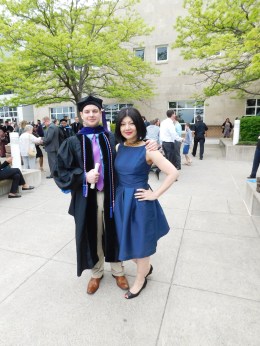
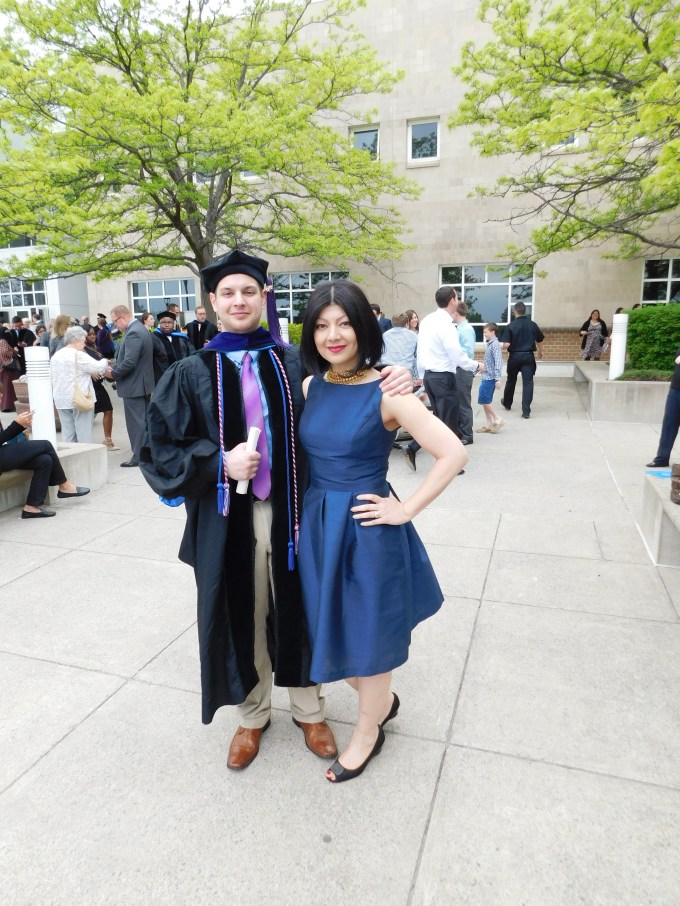
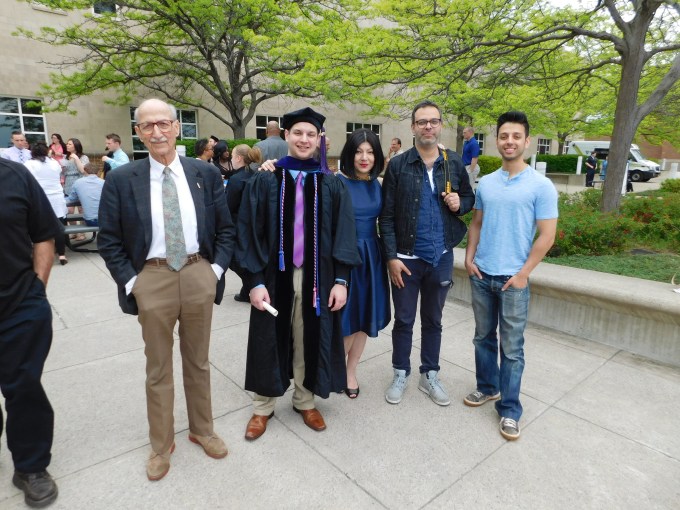
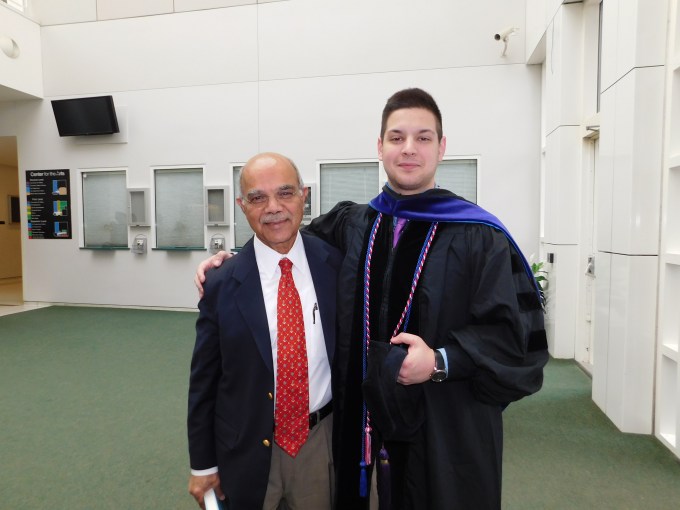
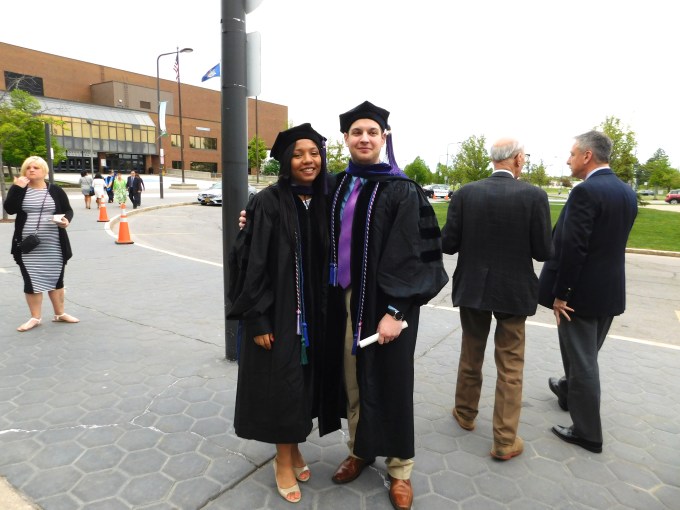
If your past includes abuse, abandonment, and trauma, you can develop PTSD from having experienced these. The PTSD can be triggered by various events that you are experiencing in the present. This can elicit emotions you felt in the past as a result of the abuse or abandonment. These emotions can be very extreme in proportion to what’s really happening in the present. I’ll give you an example, my son decided to go to his friend’s house the night before his graduation from Law school. This friend lives across the street from our old house in a suburb of Buffalo. Some pretty bad things had happened when we lived there, so my mind immediately went into panic mode, thinking something awful is going to happen. That my son will get in trouble and won’t make it to his graduation. Also, as a result of losing my brother to bipolar disorder in 1991 (he was 26 years old), I’m pretty certain I have PTSD from that. That also got triggered and I had really awful thoughts about losing my son… that misfortune would take him from me the night before he was to graduate, panic, sheer panic. I called my son, texted him to make sure he was ok, but he didn’t answer. I fought my thoughts by telling myself I was having panic attacks and anxiety attacks and that my PTSD had been triggered. My rational brain was still working, but the irrational part was not listening to it. I spent most of the night embroiled in this panic and fear, until finally I took 25 extra milligrams of Seroquel, and went to sleep. In the morning I felt pretty awful, but I made myself get up, take a shower, get all dressed up for the graduation and went to get my hair done as I had planned. Then came back and called my son, who was fine and getting ready for the graduation. My husband and I went to pick up my son, helped him pick out his tie, and off we went to the Center for the Arts at SUNY Buffalo for the graduation. Everything went perfectly. Funnily enough, I had brought tissues for myself thinking I would be crying, but I totally forgot to cry because my husband, standing next to me was sobbing so much that all I could do was comfort him. My husband, the rock, sobbing! It was just one of the most touching things I’ve ever experienced.

So anyway, the hell I went through the night before was all for nothing. Was it because I have bipolar disorder? Yes, partly, we people with bipolar d/o are extremely sensitive people and things affect us to a huge extent. Was it PTSD? Yes, because of all the things I have experienced in the past and certain things that trigger my PTSD, things or events that make me extremely fearful, switch on my fight or flight response, and the cascade gets activated in spades.

My rational, logical brain tried to tell me my fears were baseless in this instance, but the fear dragged me along this horrible anxious, panicked path.

I wish I didn’t have to experience this “insanity,” I wish, you don’t know how much I wish, I didn’t have to go through this. But I do go through it. I just have to learn how to cope with it better, I just have to recognize it and take steps to minimize it, so my past doesn’t steal the joy and happiness of my present.

My son graduating from Law school is one of the happiest events in my life. I have had a tumultuous, abused, sometimes horrific life, but I am still here. I survived, I’m still standing. And one of the victories of my life is my son the lawyer! No one is more overjoyed than me that my son has a profession now that has given him the ability to make a wonderful life for himself. That is a huge victory.

I was talking to Deb, one of my best friends, about this, and of course being my best friend, she congratulated me upon my strength and perseverance, the strength that has allowed me to survive, standing tall and strong and now my son is all grown up and he has it in his power to live an independent and awesome life! I hope this doesn’t make me sound conceited, but I agree with her. There was a time when I  thought I was weak, but that time is gone. When my son was in trouble,  I stood by him like a lioness guarding her cub. I am so proud of him, and of course I adore him. And I am so glad I found the strength inside me to make sure that he succeeds and our family survives and flourishes.

I am strong! And this is a victory for my whole family!

May we all find the strength that is in all of us and may we flourish and live in happiness and love.

DSCN0248RSCN0253DSCN0269DSCN0270DSCN0274DSCN0251DSCN0252DSCN0268DSCN0277DSCN0286DSCN0312DSCN0313DSCN0316DSCN0322DSCN0323DSCN0328DSCN0341DSCN0344DSCN0351


Green Peace: How Nature Actually Benefits Your Mental Health

Nature

http://www.vice.com/en_uk/read/why-is-nature-actually-good-for-your-mental-health

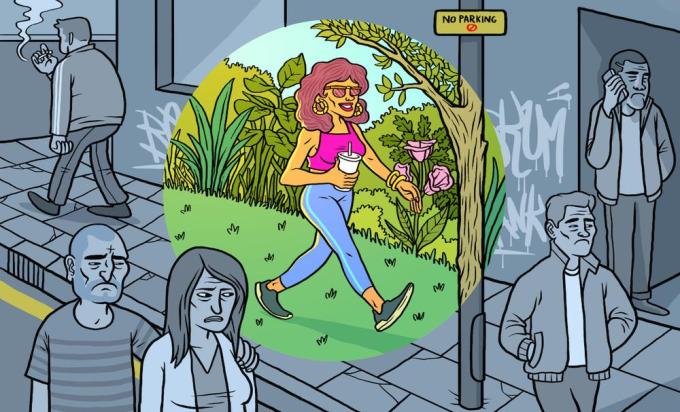
Have you ever come home from a day in the countryside and felt… better? Mood altered, anxiety soothed, mind hushed? It seems obvious that getting out of the clanging grind of the city every once in a while might be good for your mental health, but recently, scientists have been working out whether flowers, grass, trees and wild animals could be used to treat depression or anxiety.

The field of ecotherapy – the idea of connecting to nature to aid your wellbeing – isn’t new. In his 1984 book Biophilia, Edward O. Wilson put forward a theory that the affiliation we have with nature is rooted in our biology and genetics. Around the same time Wilson was writing, Japanese doctors began to prescribe forest bathing for optimum health. In Norway, 19th century poet Henrick Ibsen coined the word “friluftsliv” – meaning “open-air living”, which soon turned into a Scandinavian cultural phenomenon. But until recently, strong scientific evidence to back up anecdotal evidence that nature is good for your mental health was scant. That’s changing, however.

In April, Peter James and a team at Harvard University published a study into the relationship between exposure to green spaces and mortality rates. They studied 100,000 female nurses living across the US over an eight-year period and found that those living in the greenest areas had a 12 percent lower mortality rate compared with those living in the most built-up areas. To find out what factors might explain this, they collected information on doctor-diagnosed depression and antidepressant medication. Improved mental health, measured through lower levels of depression, was estimated to explain nearly 30 percent of the benefit from living around green spaces.

“We weren’t expecting the magnitude [of the results],” says Peter. Their results show that Wilson’s theory of “biophilia” is true: “That there’s a direct cognitive benefit and restorative quality of being in nature, that we’ve evolved in nature to enjoy being in nature.”

Peter is quick to point out this isn’t just about moving to the countryside. With 84 percent of people in the United States living in urban areas, the study suggests that small things like more trees in the street and more parks in urban areas can have a significant benefit for health.

I’m a nature junkie and that’s definitely something I can relate to. I’m obsessed with a pear tree that’s framed by my bedroom window, where I often work. At the moment, in spring, it’s foaming with cream flowers and bright Kermit-green leaves. Last year, my neighbour put scaffolding up that blocked my view of it. I was surprised – and a bit weirded out – by how much it not being there every day affected my mood.

But research shows that something as small as seeing that pear tree every day could have a real impact on my mental health. A recent report from Natural England shows that taking part in nature-based activities helps people who are suffering from mental health problems and can contribute reducing levels of anxiety, stress, and depression.

MindFood is an allotment site in west London, which runs courses in how to manage mental wellbeing. The sessions allow people with common mental health problems to work together, improve the garden, learn new skills and benefit from some gentle exercise.

Lucy Clarke is one of the MindFood’s clients. She came to the project after a depressive episode and wanted to find something local to do before returning to work. Some of the benefits of the course were practical: “Having a regular visit to the allotment gives me a bit of structure. It gives you a sense of purpose when you really need it,” she says.

There’s also something powerful about growing food in a natural setting. “You lose yourself in the moment, you forget everything around you when you care for something that’s bigger than yourself, and when you look more closely at nature, it’s a perpetual source of wonder.”

Working outside brings you out of your head and back into the world.

“Simply speaking, working outside brings you out of your head and back into the world,” says one of the project’s employees, Ed Harkness. Most of the participants in the project, says Ed, get referred to their services via their GPs, the NHS’s Improving Access to Psychological Therapies initiative, and other health practitioners. “The culture is changing and we are not alone in realising the significance of preventative care,” says Ed. “Whatever the weather, however small or urban the garden, the gardener is made mindful of the here and now. Having your hands in the dirt and repeating tasks such as weeding or planting focuses your energy and allows you the freedom to escape the normal background noise of thoughts and feelings.”

These eco-therapy projects sound great, but come at a time when our green spaces are increasingly under threat from residential development, building and the government’s decision to frack in national parks. “Open spaces are protected for leisure and ecological reasons but the connection for how valuable it is for our well being isn’t protected by law,” says Joanna Ecclestone, who runs a project in London called Potted History, which offers horticultural therapy to bereaved, isolated or depressed older people. Organisations like the Wildlife Trust are trying to redress this – urging the government to consider a Nature & Wellbeing Act, which would enshrine in law the need for green spaces to improve our mental wellbeing.

Elsewhere, ecotherapy and “biophilic” thinking continues to be on the rise. There are three therapeutic “healing forests” in South Korea (with 34 more planned by 2017) and, in Sweden, virtual nature spaces are prescribed for stressed-out workers. In Britain, don’t be surprised if you see ‘Vitamin G’ (green) or ‘Vitamin W’ (wilderness) on prescription from your GP someday soon.

Haven’t been posting much…

DSCN0197 - Version 2Somehow the posting bug left me for a while and then I was busy with my son’s graduation from Law school, traveling to Buffalo, NY, planning the ensuing party, dealing with PTSD, anxiety and panic (more on that in another post) and being incredibly proud and happy that my son is a lawyer now and studying to pass the Bar exam!

But I think I’ve been bitten again and will be posting the 2-5 times a day as I used to, lol !

Yes I actually miss blogging, it is (usually) very soothing and calming for me, the writing of a post and the reading of other bloggers’ posts and commenting on them. I don’t read and comment enough, but I will do from now on.

Also, funnily enough, after becoming a blogger for the HuffPost, instead of encouraging me to post more, it (counterintuitively) inhibited me from writing posts. Whereas I decide what to post on my blog and it is instantaneous, that is not the case for HuffPost. Of course I understand, they have to read everything first and then decide whether or not to post something, and consequently there is also a delay in posting. And the uncertainty… I have never done well with uncertainty, never, so not knowing whether my post will be published or not is kind of a bummer for me. Anyway, I can’t really complain too much as I am a blogger for HuffPost and I am truly thrilled about that. Who knows, maybe the waiting will teach me to wait!

Well, just wanted to let y’all know that I’m back 🙂