Source: Just sitting here, thinking.
Just sitting here, thinking.
Source: Just sitting here, thinking.
Source: Just sitting here, thinking.
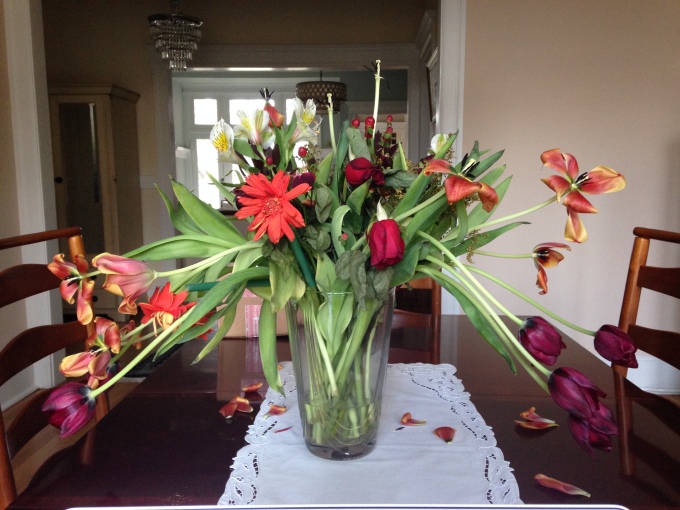
I should be in bed, with a bag of ice on my head, but I sit here, with a nauseating migraine, looking at the graceful remains of the thanksgiving flower bouquet that I had so lovingly arranged, still beautiful, in its languorously droopy way. I am on a self prescribed lithium holiday! With the blessings of my psychiatrist, yes, really. Still on Seroquel. And don’t worry, I’ll go back on the necessary, yet difficult to swallow, lithium soon, very soon, tomorrow in fact. My right hand, which shakes like a leaf when I am on 900 mg of lithium, has finally started shaking like a flag in a mild breeze. Only my right hand has tremors, not my left hand, and yes, I am right handed. My friends remark on it with horrified eyes, I tell them this tremor is the least of my worries. I tell them they should peak into my quaking brain when I am in the midst of mania or depression. Unfortunately, this mostly passes by, unregistered, un-understood. But I can’t really blame them, they, and how fortunate they are, have no frame of reference with which to understand my statement.
My mind is awhirl. Going to Buffalo tomorrow for my son’s birthday 🙂 He is 25 years old! I gave birth to him a quarter of a century ago! How did that even happen! My adorable, blue eyed baby turned into my handsome, loving, adored young man!
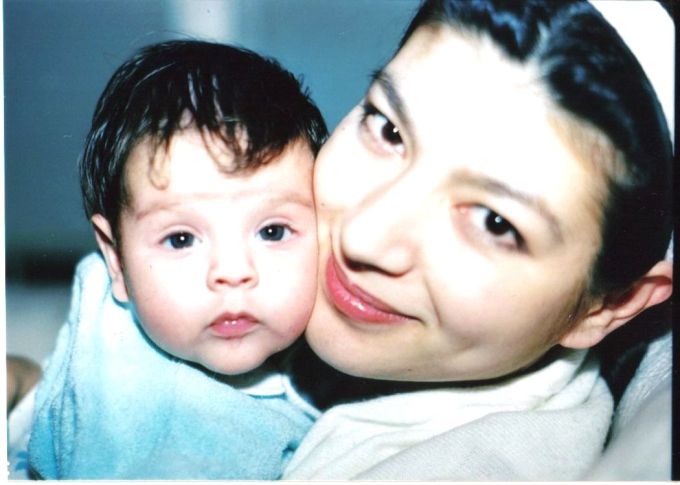 Aral, 5 months old!
 Aral, 24 years old!
Then, I’m going to Pakistan at the end of this month, I will be seeing my aunt and giving her all my love. Can’t believe it’s December already. How time just takes upon its wings and soars. And we are left standing, graying and wrinkling, in its dusty wake. Oh come now, you are alive, you are healthy, yes, healthy, you want for nothing, you have family and friends whom you love and are loved by in return! What more can you ask for?
Well, I have to go pack for my trip now. I’m hoping this unforeseen and thoroughly unwanted migraine takes flight soon, before I have to get on my flight.

Wow! The BRCA1 gene, mutations in which lead to breast cancer, has now been implicated in cognitive functioning, dementia and the development of Alzheimer’s disease!
BRCA1 is a tumor suppressor gene, this encodes a protein that repairs DNA mutations. If these mutations in the DNA were not repaired, the cell would become cancerous. So the repair of these mutations suppresses tumor formation, hence the term tumor suppressor gene. If there is a mutation in BRCA1, the mutations in DNA will not be properly repaired and can lead to oncogenesis.
What’s very surprising is that these genes, first discovered in relation to breast cancer, have now been seen to have an important role in neurons! In post mortem studies, it was seen that BRCA1 was 65-75% lower in patients who had dementia than in normal controls. It was found that β amyloid (the proteins that accumulate in brains of people with Alzheimer’s,) depletes BRCA1 in neurons. Faulty DNA repair was known to occur in the neurons of people with Alzheimer’s, now with the involvement of BRCA1, it makes perfect sense.
BRCA1 is involved in Alzheimer’s disease, wow! Could it or some other DNA repair proteins be involved in mental illness?
As I said in another post about why elephants don’t get cancer (https://bipolar1blog.wordpress.com/2015/10/11/wow-this-is-the-reason-why-elephants-dont-get-cancer/), elephants have 40 copies of a particular tumor suppressor gene called p53, whereas humans have two. I wonder if overproducing BRCA1 in neurons, either by increasing the number of its gene or by delivering the BRCA1 protein in nanoparticles into the neurons of people with dementia, would that halt dementia, or at least slow it down?
Curiouser and curiouser… it is all interconnected!
Breast cancer proteins seen in dementia; neurotransmitters, neuronal messengers, seen in the gut and muscles; interleukins, immune cell molecules, present in the brain…
Loneliness. Sometimes I like to be alone, but I never like to be lonely. I am happiest surrounded by my loved ones, laughing, doing, cooking, like at thanksgiving just a few days ago. I am always talking about living in a community where all my family members are my neighbors. There is no one closer than family, but our Western culture espouses individualism, so much so that community and extended families are nonexistent. And that makes me feel alone. And being alone is really bad for us, we intuitively know this, during caveman days, being alone meant being eaten by lions, tigers, or bears! The article below also offers scientific proof about our immune systems, more prevalent illnesses, that explains why being alone feels bad and is bad for us. I love my family and my friends and I love to spend time with them, building community is also important. Long live human associations!
Loneliness has been linked to everything from heart disease to Alzheimer’s disease. Depression is common among the lonely. Cancers tear through their bodies more rapidly, and viruses hit them harder and more frequently. In the short term, it feels like the loneliness will kill you. A study suggests that’s because the pain of loneliness activates the immune pattern of a primordial response commonly known as fight or flight.
For decades, researchers have been seeing signs that the immune systems of lonely people are working differently. Lonely people’s white blood cells seem to be more active in a way that increases inflammation, a natural immune response to wounding and bacterial infection. On top of that, they seem to have lower levels of antiviral compounds known as interferons.
That seemed to provide a link to a lot of the poor health outcomes associated with loneliness, since chronic inflammation has been linked to everything from cancer to depression. The human body isn’t built to hold a high level of inflammation for years. “That explains very clearly why lonely people fall at increased risk for cancer, neurodegenerative disease and viral infections as well,” says Steve Cole, a genomics researcher at the University of California, Los Angeles, and lead author on the study published in the Proceedings of the National Academy of Sciences on Monday.
But it still doesn’t explain how or why loneliness could change our bodies. To find that out, Cole and his collaborators tracked 141 people over five years. Every year, the researchers measured how lonely the participants felt and took blood samples to track the activity of genes involved with immunity and inflammation. They also tracked concentrations of the hormone norepinephrine, one of the two main signals during the flight-or-fight response.
Cole noticed that when people felt lonesome, they had significantly higher levels of norepinephrine coursing through their blood. That could explain all the other immune changes that happen when people suffer from social isolation.
In a life-threatening situation, norepinephrine cascades through the body and starts shutting down immune functions like viral defense, while ramping up the production of white blood cells called monocytes. “It’s this surge in these pro-inflammatory white blood cells that are highly adapted to defend against wounds, but at the expense of our defenses against viral diseases that come from close social contact with other people,” Cole says.
At the same time, lonely people seem to be shutting down genes that would make their bodies sensitive to cortisol, which lowers inflammation. That ramps up the defensive inflammation response, Cole says.

Loneliness would hit the switch on a defense plan our bodies initiate in the face of mortal danger, Cole thinks, if isolation is somehow truly lethal. “At this point, my best guess was that loneliness really is one of the most threatening experiences we can have,” he says. “Though I didn’t think of loneliness as being that awful. It’s not pleasant, but not something my body should be getting all up in arms about.”
In the world of cubicles and studio apartments, loneliness is everywhere. We find it in both crowds and empty rooms. We change cities and lose friends. Even in marriage, people can be strangers to one another. But things were very different for our ancestors. When humans were evolving in a prehistoric environment, they banded together for food and for protection.
To be ostracized from your tribe was a death sentence, says Charles Raison, a psychiatrist at the University of Wisconsin, Madison who did not work on the study. “Literally they would die. There was no human way to live in isolation,” he says.
Being alone in the wild meant you could be mauled by animals or even other human beings. Then your body would need extra defenses against wounds and infection, but less protection against viruses you get from other people, like the flu. In that case, the stressful response to loneliness would simply be the body’s way of trying to survive exile.
But this fight-or-flight immune response is really nonspecific, says Turhan Canli, a neuroscientist at Stony Brook University in New York who was not involved with the study. Loneliness might not necessarily have to do with ancient survival, he says. Our bodies basically have one panic button, and any kind of adverse condition can trigger this response. “I think loneliness is a kind of psychological stress,” he says. “The change in the immune response is part of biological changes that come with a stress condition.”
What Canli finds really interesting about Cole’s results is that people who felt lonely one year had increased gene activity around inflammation and norepinephrine later on. And people who had increased inflammation felt lonelier the next year. “It’s a two-way street,” he said. “Loneliness predicted biological changes, and biological changes predicted changes in loneliness.”
So the shock of social isolation could fuel inflammation in the body. And the immune system may affect a region of the brain processing fear and anxiety. “Inflammation can change people’s experiences of the social world and what they’re thinking,” says Naomi Eisenberger, a neuroscientist at the University of California, Los Angeles, who was not involved with the study. That could make us more apprehensive about social interaction and lead to more isolation.
If the cycle continues, that could explain chronic isolation and the subsequent depression and illnesses plaguing the lonely. “There are things we can do to get out of a depressed or lonely state, but they’re not easy,” Cole says. “Part of the reason is because these negative psychological states develop some kind of molecular momentum.”
But that doesn’t mean the loop is permanent. “Inflammatory biology is one thing, but it’s not the only thing,” he says. All it does is push our proclivity for social activity one way or another. But loneliness is deep. It’s encoded in our genetics, and it’s not easy to shake.
This is a great article! I agree with all the points she addresses. I would add one more: How strong I am to overcome this illness and live a life that is loving, kind, helpful, positive and hopeful.
How about you? What do you agree with, disagree with and what would you add or change?
I used to feel ashamed of my mental health condition, but now I refuse to let stigma and stereotypes dictate how I feel about myself. If you stigmatize me, that’s yourignorance, not my truth. Cool people, who are educated about mental illness and confident in their own mental health, don’t stigmatize. Stigma is dated, cruel and just plain wrong. Get educated about mental illness and come over to the cool side.
People with mental illnesses are not less-than. They are not damaged. They are not what you see on TV, the news or in movies. They are people; brothers, mothers, fathers, daughters… People. They are valuable, vibrant, brilliant members of your community. They are 1 in 4 people, not some freaky monster you’ve never met.
I have an awesome, successful, happy life… and a mental health condition. Big deal. Get over it. Just because I’m different, doesn’t mean I’m broken. In fact, I like being different.
Shame is toxic to the human spirit. I’ve let it go and replaced it with pride and acceptance. You can shame me all you want and have a big ol’ shame party, but it’s my choice whether I attend or not. (I’m always busy with better, more important things to do than sit with shame.) Shaming yourself and others are both exhausting, heavy, soul-energy-sucking things to do. I’ll be by the pool with joy and acceptance if you want to join us.
I hope you’ll also let shame go and move forward with pride. Here are 5 reasons why I’m not ashamed anymore:
1. It’s not my fault.
I didn’t choose this. It’s genetics. It’s not a character flaw or a negative personality trait. I’m not guilty of something. I don’t have a mental health condition because I’m weak, don’t try hard enough to change, don’t have enough willpower, eat too many donuts, like the attention, or haven’t read enough Oprah. It’s my brain being my brain. (For the record, though, I eat healthy and I’ve read a lot of Oprah. I’m eating cucumbers and having an aha-moment right. now.)
Depression is extremely different from normal sadness. Anxiety is not “just worrying.” People who have mental health conditions can’t just snap out of it. Know the facts.
2. My brain is actually awesome, and I’m in good company.
I’ve grown to love my brain. Ya, I have anxiety, I’m a human sponge for everyone’s feelings, and I’m so sensitive I’ll cry at a cheerios commercial, but the ability to feel so much is also gift. I have an extraordinary amount of empathy. My brain is out to lunch in some areas but it has extra mojo in other areas like creativity and imagination. I am an award-winning composer (writing a mental health musical!) music teacher, Dramatists Guild Fellow, and a published writer. My imagination may take me places I’m not so fond of (but I’m used to that by now) and it’s worth it for the beautiful places I can travel to. I’d rather trudge through mud and then dance in seas of glittery stars then walk on flat, easy plain all the time. It’s who I am and I’m also learning to appreciate the mud.. Hey, mud-pies! Mud-facials! Mud-baths!
People with mental health conditions are not doomed. Their future isn’t bleak and miserable. With treatment, they can live normal, wonderful lives and have happy, successful relationships!
People with mental health conditions are in good company! Think about all the people who made unbelievable contributions to the world who also struggled with mental health conditions! (Lincoln, Beethoven, Mozart, Tolstoy, Michelangelo… the lists goes on and on)
3. We all have weird minds.
Um… everyone’s mind is a little wonky. No one is thinking about unicorns skipping on rainbows (while it rains candy) all day. People with mental health conditions are not super strange aliens from a far off galaxy. (We are more like super heroes from a far off galaxy) We all have problems and struggles in life. No one is perfect. No one has a unicorn mind all the time.
4. I’m proud of how far I’ve coming and how I’ve helped/am helping others.
It takes a lot of bravery to get help for a mental health condition and stick with treatment. It takes a lot strength to tell your story for the millionth time, advocate for yourself when your care is crappy, try a bunch of medicines until you find the right one (while the cray-cray list of side effects on the commercials plays in your mind) put up with everyone telling you what you should do to get better when they aren’t qualified to do so, have your claims denied by rich insurance companies when you can’t pay your bills, and be treated like a child and talked to in an odd condescending tone when you have a masters degree.
People say hope is right in front of you, but depression is a blindfold. It takes so much strength to keep searching in the dark.
Recovery is sort of like making an huge collage. You are always looking, finding, and pasting things that help you. Your your own work of art, a constant project. It takes a lot of energy and willpower. It takes being bad-ass. I’m proud that I am speaking out (not an easy decision) and trying to help others.
5. My pain has become my power.
I’m not ashamed of my pain. I think it’s made me a more compassionate person. I think it’s given me wisdom and inspiration. I believe pain can be like a question mark, asking us, “What will you do with me? Destruct or create?” It’s energy we can transform and put to use. I believe that our struggle and pain softens when we use it to create, and then with our art/work/writing we are able to soften pain living in others. It becomes our power. It becomes our flashlight to hand to others who are still tripping in the darkness like we once were. I believe when we break down and lose everything, often we rebuild a stronger, wiser, more beautiful version of ourselves. I believe pain can be an asset. High-five, illness!
What are you proud of? I challenge you to #letshamego You have nothing to be ashamed of! You’re amazing.
Omega-3 fatty acid can exist in two forms in the blood, 1) free, 2) bound to protein. It is the free form of omega-3 fatty acids that can cross the blood brain barrier. The ratio of free omega-3 fatty acids to bound fatty acids is lower in people with bipolar disorder (BPD). This means that we, people with BPD, have lower levels of these fatty acids available to be transported to our brains.
Fatty acids are very important as they form the cell membranes of all cells. This is especially important in the brain, as they form cell membranes of neurons as well. And neurons, the cells of the brain, are the ones that have ion channels in their membranes that allow Na+ and K+ to pass through creating ionic gradients across the cell membranes, allowing action potentials, which lead to nerve impulses, which is how information, emotions, sensory information, motor directives, everything is disseminated.
Omega-3 fatty acids also play an important role in the inflammatory response. (Another immune system/brain connection!)
This study is important, and they are going to further study the effect of this lower concentration of fatty acids, and hopefully come up with dietary recommendations for omega-3 fatty acids for people with BPD.
http://www.sciencedaily.com/releases/2015/11/151124082456.htm
Fatty acids are a major area of interest in bipolar disorder and depression because of their biological importance in the brain. Studies have shown that fatty acid supplementation may be useful for unipolar depression, but the data has been more mixed for bipolar disorder.
The researchers, led by Dr. Erika Saunders, associate professor and chair of psychiatry at Penn State College of Medicine, compared fatty acids in 27 people with symptomatic bipolar disorder and 31 healthy control subjects. The group measured levels of different forms of the polyunsaturated fatty acids omega-3 and omega-6. They also collected self-reported information on fatty acid consumption and bipolar medication use. Their results were published in the journal Bipolar Disorders.
Free fatty acids are able to cross the blood-brain barrier, while fatty acids bound to proteins are not. In study subjects with bipolar disorder, the ratio of a free-circulating omega-3 fatty acid called EPA to bound EPA was lower than in other people.
“This means that the availability of omega-3 in the body is lower in bipolar subjects,” Saunders said.
Omega-3 fatty acids are a large component of brain-cell membranes and are important for cell-to-cell communication in the brain. In the study, the ratio of free to bound EPA correlated with clinical bipolar symptoms, specifically mania and tendency towards suicide.
Fatty acids also play an important role in the immune system and the inflammatory system.
“Omega-3 and omega-6 fatty acids can shift the balance of inflammation, which we think is important in bipolar disorder,” Saunders said.
However, the researchers did not find altered ratios of omega-3 to omega-6 fatty acids in bipolar subjects.
Although the researchers did find lower levels of omega-3s in patients with bipolar disorder that correlated with symptoms, Saunders said it’s too early to advise dietary changes or omega-3 supplementation.
Omega-3 fatty acids are abundant in fish, vegetable oils, nuts — especially walnuts, flax seeds, flaxseed oil and leafy vegetables.
There was no difference in self-reported fatty acid consumption between bipolar and healthy patients.
“Is that because we only included certain foods in the survey? Or is it because people couldn’t accurately recall what they were eating?” Saunders said.
Another possibility the researchers are considering is that there are differences in how healthy people and people with bipolar disorder convert fatty acids from one form to another. Drugs that treat bipolar disorder are known to affect these conversions, but no association was found between fatty acid levels or ratios and self-reported medication use in the study.
Saunders is currently investigating if modifications in dietary intake of fatty acids could be useful in bipolar disorder.
“We are actively pursuing the next step in this line of inquiry to get to the point where we know what changes in diets are going to help people with bipolar disorder so they can have another option beyond the medications that are currently available,” she said.
A number of trials have turned up no benefit of omega-3 supplementation in bipolar disorder, a brain disorder that causes manic episodes of elevated mood, energy and cognition, and major depressive episodes of lowered mood, energy and cognition. Bipolar disorder affects between 1 and 4.4 percent of the population.
“I think our work, along with the work of others, shows that this is an important area for us to continue to study,” Saunders said. “It’s complicated and hard to study, and there are a lot of factors, but it’s an area we need to keep pursuing.”
Most research on fatty acids in bipolar disorder measures levels of fatty acids in cell membranes. Saunders’s group instead looked at circulating fatty acids in the blood, which is a better indication of dietary intake. Fatty acids in the blood are also the type that crosses the blood-brain barrier to enter the brain.
Story Source:
The above post is reprinted from materials provided by Penn State Milton S. Hershey Medical Center. Note: Materials may be edited for content and length.
Journal Reference:
Reblog and promote yourself!
 http://www.smithsonianmag.com/smart-news/light-therapy-may-work-more-season-affective-disorder-180953431/#uPRmTIuxjzTUis8G.01SMARTNEWS Keeping you current
Light Therapy May Work on Chronic Mood Disorders, Too
Sitting under fake sun could help heal chronic depression, bipolar disorder, and anxiety, too

By Shannon Palus
SMITHSONIAN.COM
NOVEMBER 21, 2014
Researchers suspect that seasonal affective disorder, first reported in 1984, has something to do with circadian rhythms thrown off by short, dark days. At first, Vox reports, scientists connected SAD to excessive production of melatonin; now they think it has more to do with the mismatch of melatonin production and sleep schedules.
Either way, short periods sitting under a special lamp is recommended as a treatment, and researchers have wondered whether the the effects of phototherapy might be able to treat chronic mood disorders. Now, Nautilus reports, “research into the circadian underpinnings of chronic depression, bipolar disorder, Alzheimer’s disease, and fatigue suggests that light could help these patients readjust too.”
Phototherapy has long been used to treat certain conditions: the power of artificial sunlight for skin disorders was demonstrated over a century ago. The doctor who won the 1903 Nobel Prize in medicine found that an hour a day of light therapy could help cure smallpox, and lupus vulgaris, a form of tuberculosis. But it’s only in the past couple of decades that researchers have looked at light treatment as a possibility for people suffering year-round from depression or other diseases.
In a 1992 study, two dozen veterans exposed to a bright light treatment saw a decline in depression and bipolar symptoms compared to a control group, exposed to a dim, red, light. A few more recent studies have since shown that there are also positive anti-depressive effects of light therapy for pregnant women and elderly people, Nautilus reports.
This suggests that light therapy could at least augment other forms of treatment for several types of depression. Last year, a study suggested the treatment could work for anxiety, too. These studies are small. But while skin therapies use ultraviolet light, SAD lamps use a smaller, safer spectrum. The side effects of sitting under these sunlamps are almost nonexistent, and even a possibility of a benefit could make the treatment worthwhile.
Read more: http://www.smithsonianmag.com/smart-news/light-therapy-may-work-more-season-affective-disorder-180953431/#HJBMKos2ZvySZUF0.99
Follow us: @SmithsonianMag on Twitter
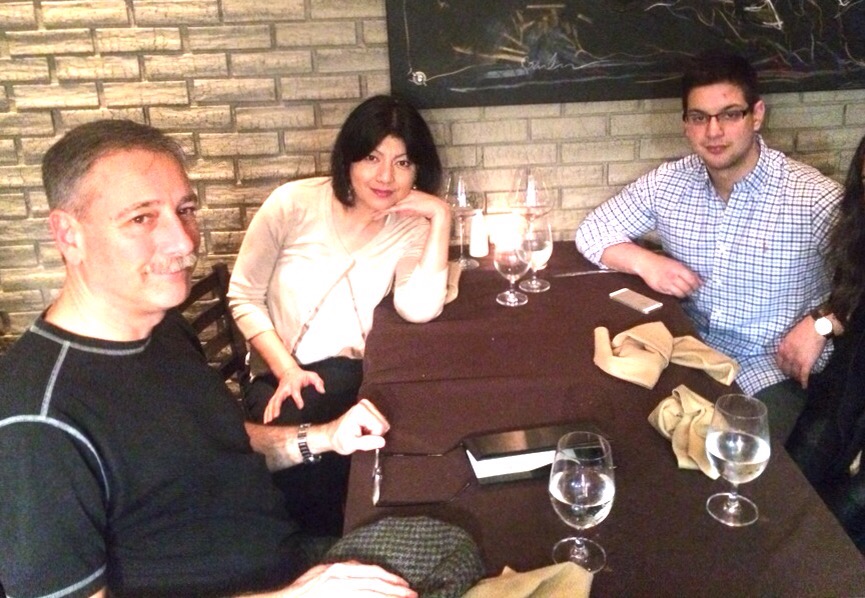
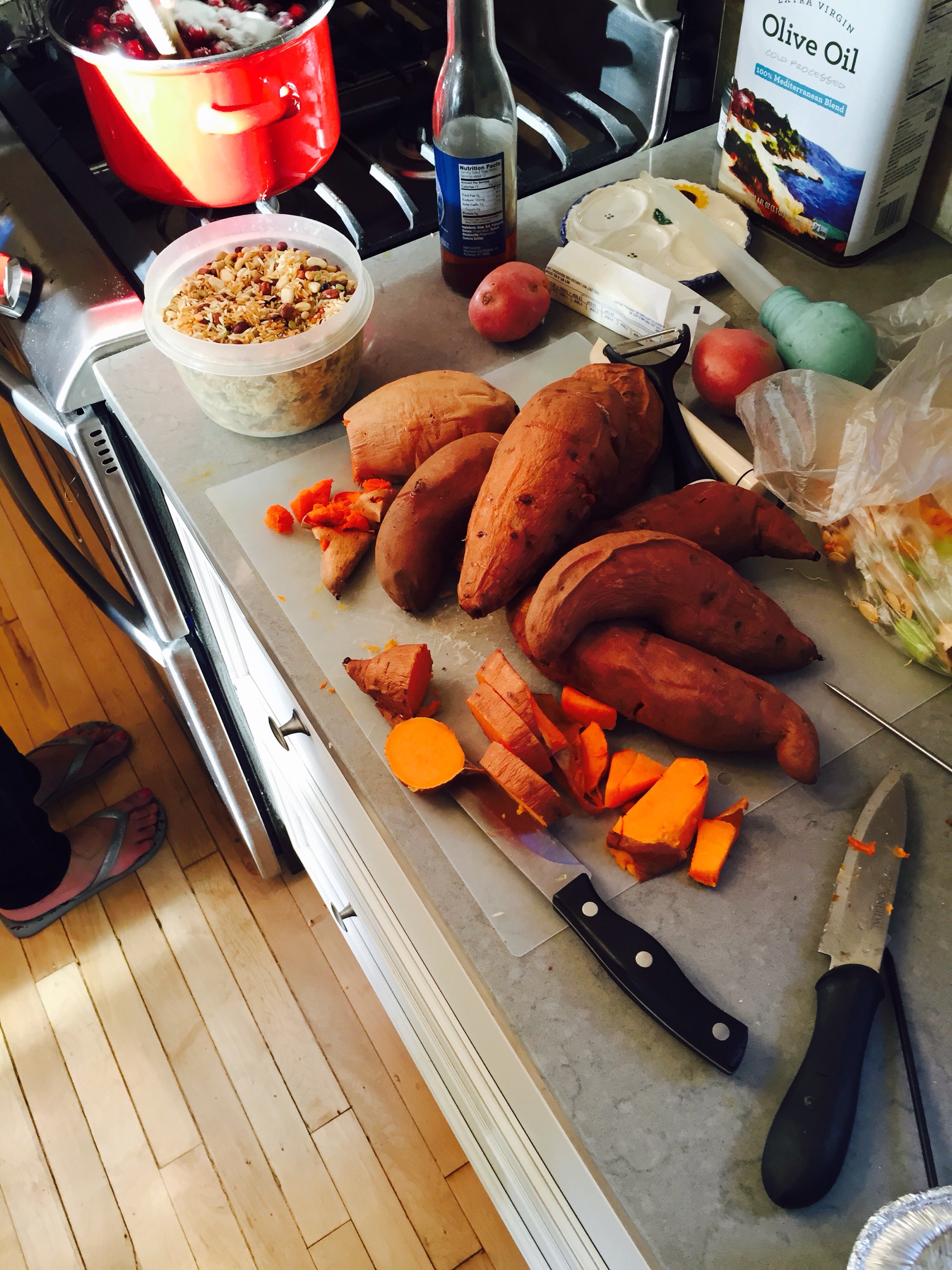
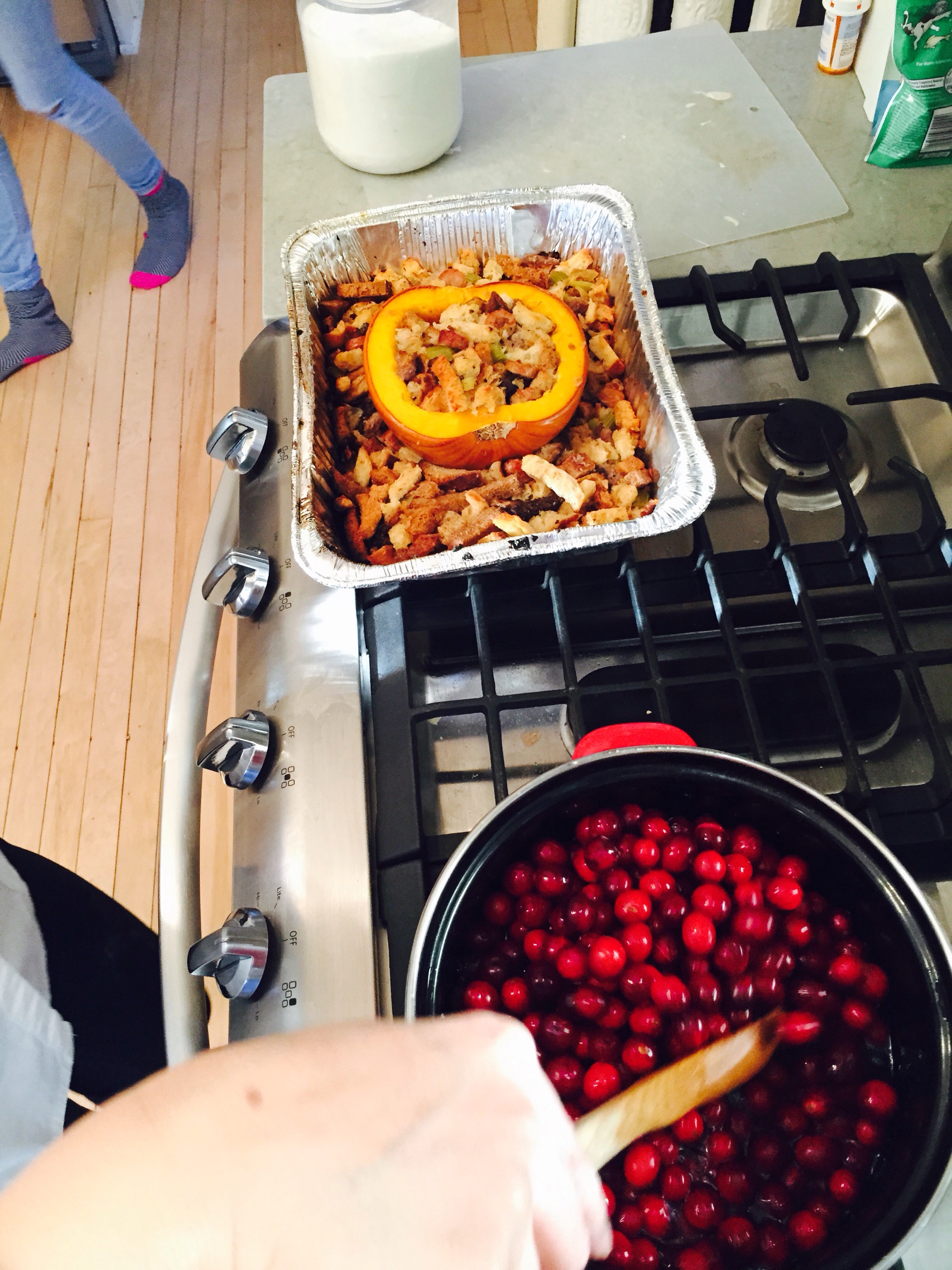
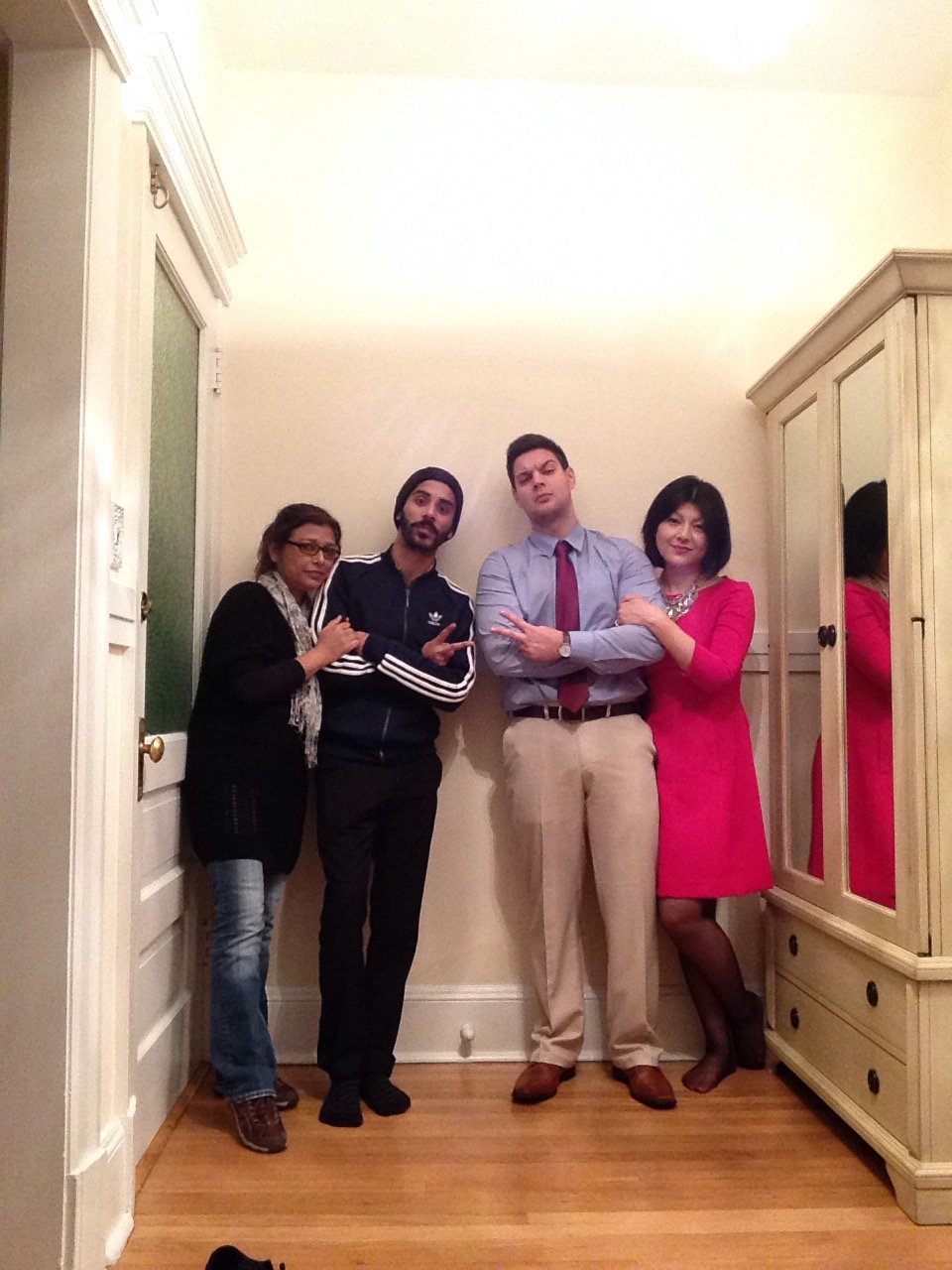
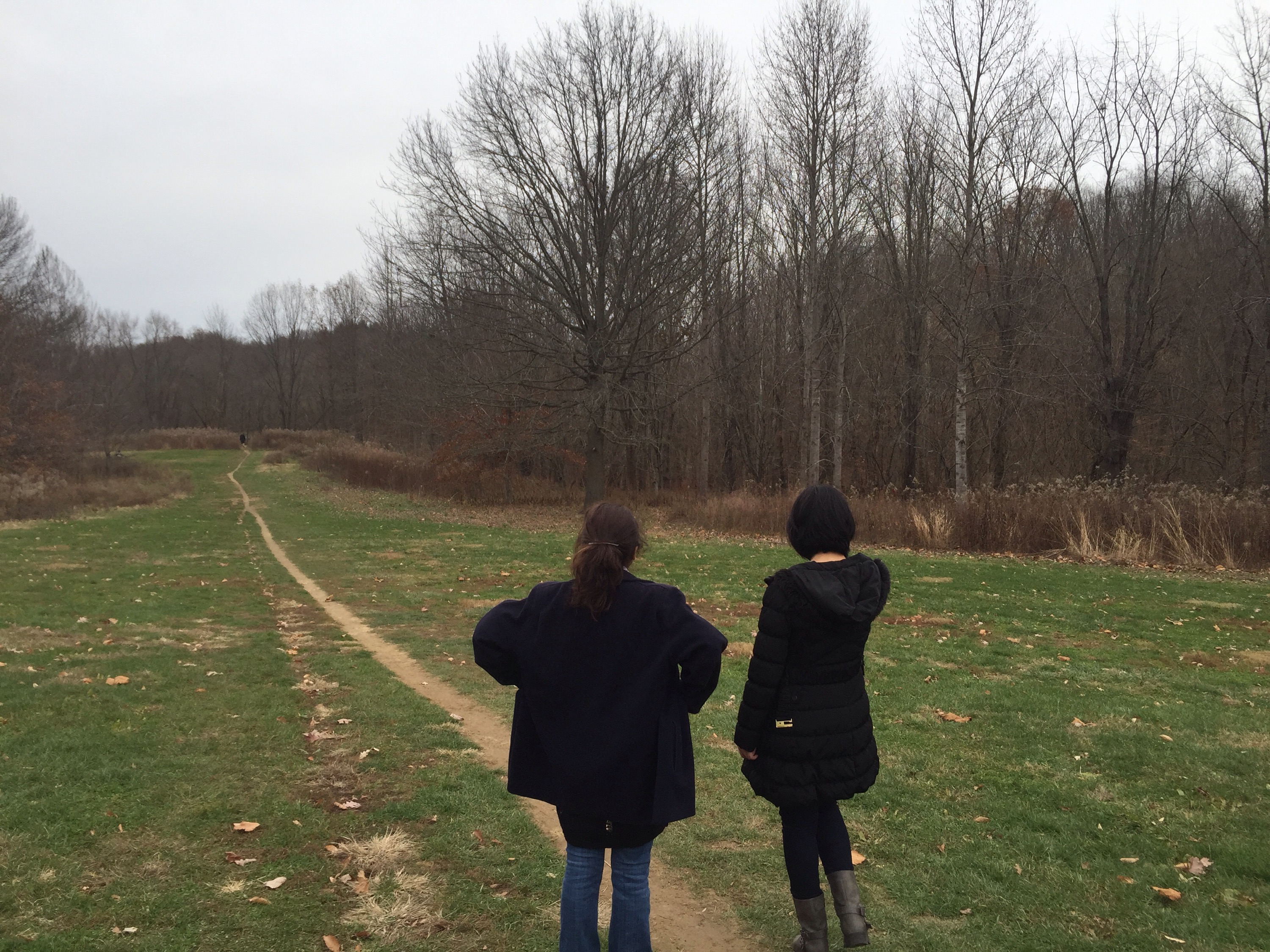
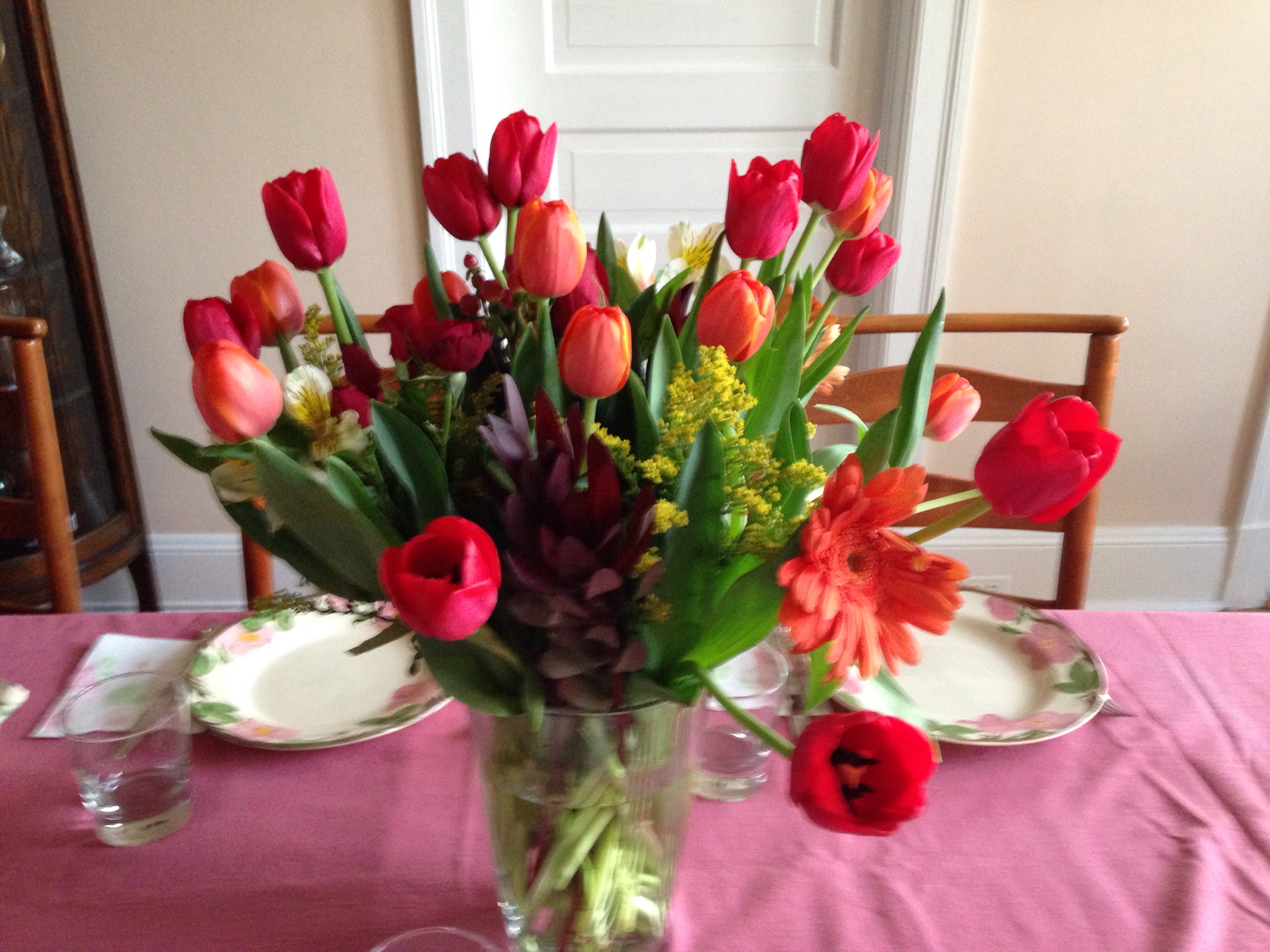
Hope all my blogging friends had a wonderful thanksgiving. My family and I had the best thanksgiving since we all used to gather at my mom’s house more than 10 years ago. So thankful for my family, my precious son, my beloved brother and sister and my adored cousins who drove 18 hours to spend thanksgiving with us. This time with my family was so heartening, so happy, so joyful for me. We cooked the thanksgiving meal together. We went for walks in our beautiful park. We went out to dinner. For me, this time with family is so precious. All traces of depression were gone. I sometimes think if I lived in a large compound of homes with my extended family, maybe, just maybe I wouldn’t have bipolar d/o anymore. Perhaps that is some mighty wishful thinking… but sometimes I really do think just that. With all my family around me, I was able to live totally in the moment. No anxiety about the future, no depression about the past. I am grateful we had this time together, to laugh and make memories and to strengthen our relationships. My sister also got me addicted to watching “Jane the Virgin,” a good series. Very well acted, albeit a bit simplistic.
A lovely time. Really a lovely and happy time. Now onto other things. Going to Buffalo for my son’s birthday next week. And going to Pakistan in the end of December. I’m actually traveling on Christmas Day!
A smattering of our thanksgiving pictures.




There is a gene variant: CD38, (an immune system gene!) that is associated with more grateful people! But don’t worry, even if you aren’t lucky enough to have this gene variant, there are many other things you can do to be grateful and happy!
1) Just pretend you are grateful and your mind will be tricked into it.
2) Just pretend you’re happy, smile for 20 sec, especially while crinkling up your eyes, and your brain will get fooled into thinking you are happy 🙂
3)Keep a list of what you are grateful for, and ten weeks after starting this list. you will feel grateful and happy 🙂
4) Choose to focus on good things 🙂
5) Gratitude is the attitude yo! Interior gratitude, where you feel grateful, and exterior gratitude, where you externally express or show gratitude.
6) Apparently gratitude for useless things is key, things like poetry… ummm not useless… neither is a sunset, or birdsong, or a rain shower, nature is surely something to be thankful about.
So, let me say to all my blogger friends, old and new, and my readers, and followers, I am seriously grateful for each and every one of you. Thank you for visiting my blog over 16,700 times in the last 14.5 months.
I hope all of you have a wonderful family holiday.
With love and gratitude,
Samina.
http://www.nytimes.com/2015/11/22/opinion/sunday/choose-to-be-grateful-it-will-make-you-happier.html
By Arthur C. Brooks
TWENTY-FOUR years ago this month, my wife and I married in Barcelona, Spain. Two weeks after our wedding, flush with international idealism, I had the bright idea of sharing a bit of American culture with my Spanish in-laws by cooking a full Thanksgiving dinner.
Easier said than done. Turkeys are not common in Barcelona. The local butcher shop had to order the bird from a specialty farm in France, and it came only partially plucked. Our tiny oven was too small for the turkey. No one had ever heard of cranberries.
Over dinner, my new family had many queries. Some were practical, such as, “What does this beast eat to be so filled with bread?” But others were philosophical: “Should you celebrate this holiday even if you don’t feel grateful?”
I stumbled over this last question. At the time, I believed one should feel grateful in order to give thanks. To do anything else seemed somehow dishonest or fake — a kind of bourgeois, saccharine insincerity that one should reject. It’s best to be emotionally authentic, right? Wrong. Building the best life does not require fealty to feelings in the name of authenticity, but rather rebelling against negative impulses and acting right even when we don’t feel like it. In a nutshell, acting grateful can actually make you grateful.
For many people, gratitude is difficult, because life is difficult. Even beyond deprivation and depression, there are many ordinary circumstances in which gratitude doesn’t come easily. This point will elicit a knowing, mirthless chuckle from readers whose Thanksgiving dinners are usually ruined by a drunk uncle who always needs to share his political views. Thanks for nothing.
Beyond rotten circumstances, some people are just naturally more grateful than others. A 2014 article in the journal Social Cognitive and Affective Neuroscience identified a variation in a gene (CD38) associated with gratitude. Some people simply have a heightened genetic tendency to experience, in the researchers’ words, “global relationship satisfaction, perceived partner responsiveness and positive emotions (particularly love).” That is, those relentlessly positive people you know who seem grateful all the time may simply be mutants.
But we are more than slaves to our feelings, circumstances and genes. Evidence suggests that we can actively choose to practice gratitude — and that doing so raises our happiness.
This is not just self-improvement hokum. For example, researchers in one 2003 study randomly assigned one group of study participants to keep a short weekly list of the things they were grateful for, while other groups listed hassles or neutral events. Ten weeks later, the first group enjoyed significantly greater life satisfaction than the others. Other studies have shown the same pattern and lead to the same conclusion. If you want a truly happy holiday, choose to keep the “thanks” in Thanksgiving, whether you feel like it or not.
How does all this work? One explanation is that acting happy, regardless of feelings, coaxes one’s brain into processing positive emotions. In one famous 1993 experiment, researchers asked human subjects to smile forcibly for 20 seconds while tensing facial muscles, notably the muscles around the eyes called the orbicularis oculi (which create “crow’s feet”). They found that this action stimulated brain activity associated with positive emotions.
If grinning for an uncomfortably long time like a scary lunatic isn’t your cup of tea, try expressing gratitude instead. According to research published in the journal Cerebral Cortex, gratitude stimulates the hypothalamus (a key part of the brain that regulates stress) and the ventral tegmental area (part of our “reward circuitry” that produces the sensation of pleasure).
It’s science, but also common sense: Choosing to focus on good things makes you feel better than focusing on bad things. As my teenage kids would say, “Thank you, Captain Obvious.” In the slightly more elegant language of the Stoic philosopher Epictetus, “He is a man of sense who does not grieve for what he has not, but rejoices in what he has.”
In addition to building our own happiness, choosing gratitude can also bring out the best in those around us. Researchers at the University of Southern California showed this in a 2011 study of people with high power but low emotional security (think of the worst boss you’ve ever had). The research demonstrated that when their competence was questioned, the subjects tended to lash out with aggression and personal denigration. When shown gratitude, however, they reduced the bad behavior. That is, the best way to disarm an angry interlocutor is with a warm “thank you.”
I learned this lesson 10 years ago. At the time, I was an academic social scientist toiling in professorial obscurity, writing technical articles and books that would be read by a few dozen people at most. Soon after securing tenure, however, I published a book about charitable giving that, to my utter befuddlement, gained a popular audience. Overnight, I started receiving feedback from total strangers who had seen me on television or heard me on the radio.
One afternoon, I received an unsolicited email. “Dear Professor Brooks,” it began, “You are a fraud.” That seemed pretty unpromising, but I read on anyway. My correspondent made, in brutal detail, a case against every chapter of my book. As I made my way through the long email, however, my dominant thought wasn’t resentment. It was, “He read my book!” And so I wrote him back — rebutting a few of his points, but mostly just expressing gratitude for his time and attention. I felt good writing it, and his near-immediate response came with a warm and friendly tone.
DOES expressing gratitude have any downside? Actually, it might: There is some research suggesting it could make you fat. A new study in the Journal of Consumer Psychology finds evidence that people begin to crave sweets when they are asked to express gratitude. If this finding holds up, we might call it the Pumpkin Pie Paradox.
The costs to your weight notwithstanding, the prescription for all of us is clear: Make gratitude a routine, independent of how you feel — and not just once each November, but all year long.
There are concrete strategies that each of us can adopt. First, start with “interior gratitude,” the practice of giving thanks privately. Having a job that involves giving frequent speeches — not always to friendly audiences — I have tried to adopt the mantra in my own work of being grateful to the people who come to see me.
Next, move to “exterior gratitude,” which focuses on public expression. The psychologist Martin Seligman, father of the field known as “positive psychology,” gives some practical suggestions on how to do this. In his best seller “Authentic Happiness,” he recommends that readers systematically express gratitude in letters to loved ones and colleagues. A disciplined way to put this into practice is to make it as routine as morning coffee. Write two short emails each morning to friends, family or colleagues, thanking them for what they do.
Finally, be grateful for useless things. It is relatively easy to be thankful for the most important and obvious parts of life — a happy marriage, healthy kids or living in America. But truly happy people find ways to give thanks for the little, insignificant trifles. Ponder the impractical joy in Gerard Manley Hopkins’s poem “Pied Beauty”:
Glory be to God for dappled things —
For skies of couple-colour as a brinded cow;
For rose-moles all in stipple upon trout that swim;
Fresh-firecoal chestnut-falls; finches’ wings;
Landscape plotted and pieced — fold, fallow, and plough;
And all trades, their gear and tackle and trim.
Be honest: When was the last time you were grateful for the spots on a trout? More seriously, think of the small, useless things you experience — the smell of fall in the air, the fragment of a song that reminds you of when you were a kid. Give thanks.
This Thanksgiving, don’t express gratitude only when you feel it. Give thanks especially when you don’t feel it. Rebel against the emotional “authenticity” that holds you back from your bliss. As for me, I am taking my own advice and updating my gratitude list. It includes my family, faith, friends and work. But also the dappled complexion of my bread-packed bird. And it includes you, for reading this column.

