L Methylfolate aka Deplin

As I was talking to my doctor about all the genetic testing I’d had done, he exclaimed that he had failed to see that I didn’t have the enzyme that converts Folic acid to Folate (Vitamin B9) , and he should have prescribed Deplin for me! That is what Nestlé Health Science calls L Methylfolate. They call it medical food.

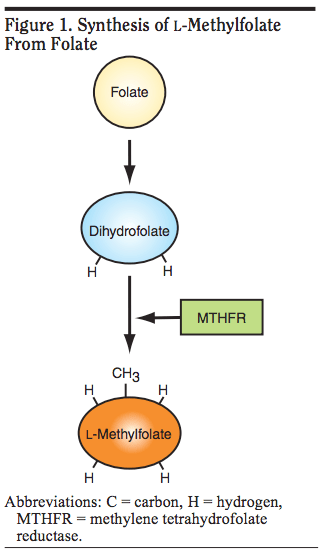
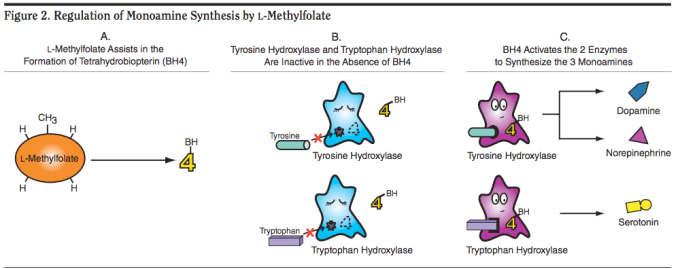
Folate (http://lpi.oregonstate.edu/mic/vitamins/folate) is necessary for making nucleic acids (DNA, RNA) and it is the precursor of many neurotransmitters, such as Dopamine, Norepinephrine, and Serotonin! Illustrations of all are below.

Wow! I’d say that was an important omission! Ummmm Dopamine, Serotonin, Norepinephrine!? Depression much? I asked him how, without L methylfolate, how in the world was I even alive? I mean DNA and RNA are pretty necessary for cellular and organismal life! He said I’d gotten enough in my diet, (meat, chicken, fish have L Methylfolate in them) therefore I had survived. But if I took it orally, it may well reduce my level of depression by at least 10%! So of course I asked him for a prescription. I then happily went to pick up my “Deplin” from the pharmacy.  When it came time to swipe my credit card, the bill was $297.00! Medical food, huhn, pretty expensive medical food. The total bill was close to $900.00 for a 3 month supply. My insurance paid for over $500.00 and my portion was almost $300.00. Well I returned it and now I am looking for cheaper medical food online. And when I find it, I will let you know, so all of you can get it and try the L Methylfolate and see if it helps with your depression.

Egad, drug companies!

folate_figure1_v8SYNTHESIS of Folate.png

MONOAMINE synthesis


Researchers Trace Anxiety Control to Specific Brain Region

 
https://bbrfoundation.org/brain-matters-discoveries/researchers-trace-anxiety-control-to-specific-brain-region​

In animal research reported in the November 12 issue of the journal Nature, scientists have identified a specific region of the brain that helps regulate behaviors and physiological changes associated with anxiety. Cells in this area, known as the basomedial amygdala, differentiate between safe and potentially threatening environments, and work together to suppress anxiety when conditions seem safe.

Better understanding of how the brain regulates fear and anxiety is likely to help researchers develop more effective treatments for anxiety disorders.
The new work was conducted in the lab of BBRF Scientific Council member and 2005, 2007 NARSAD Young Investigator Karl Deisseroth, M.D., Ph.D., a Howard Hughes Medical Institute investigator at Stanford University. Avishek Adhikari, Ph.D., a NARSAD 2014 Young Investigator, led the work together with Talia Lerner, Ph.D., and Joel Finkelstein.
In their study, the scientists examined connections between the brain’s medial prefrontal cortex and the amygdala, regions known to be involved in regulating fear and anxiety. Connections between these regions have been found to be disrupted in people with anxiety disorders.
Using powerful technologies, the team traced connections in the mouse brain from the medial prefrontal cortex to a specific part of the amygdala, its basomedial region, and showed that artificially activating these connections reduced anxiety-related behaviors in the mice. When the connections were switched on by the experimenters – using a method Dr. Deisseroth and colleagues invented called optogenetics — the animals were more likely to explore open spaces. What’s more, the increase in breathing rate usually associated with anxiety was not seen, even when the animals were in an exposed environment, which mice usually perceive as threatening.
The opposite effects were seen when the researchers experimentally inhibited the same connections: mice exhibited signs of anxiety even in a safe and familiar environment.
Many of the cells in the basomedial amygdala fire more actively when a mouse is in a safe environment, suggesting that these cells differentiate between safety and potential threats.
The scientists further showed that connections between the medial prefrontal cortex and the basomedial amygdala are important for extinguishing learned fears – that is, learning through experience to dissociate a feared stimulus from expectation of a negative outcome. Mice that had been trained to fear an auditory tone overcame these fears more quickly when the researchers artificially stimulated medial prefrontal cortex-basomedial amygdala connections.

Brain Training for Anxiety, Depression and Other Mental Conditions


 This seems like an effective way to train your brain to do or not do what it is doing. And there are no medications involved here. Could this really work? No medications, simply training your brain to feel desired emotions and not feel the undesirable ones. Here are encouraging results shown in this article: “In results from a more recent study, Dr. Young says that after two sessions of neurofeedback, depression scores dropped 50%. In the control group, they dropped 10%. These results are not yet published, but were presented at the Society of Biological Psychiatry annual meeting in 2015.”
Sounds promising. I would give it a try. 

http://www.wsj.com/articles/brain-training-for-anxiety-depression-and-other-mental-conditions-1453144315​

Excerpt from article: 

In neurofeedback, patients lie in a functional magnetic resonance imaging scanner. In general, they are told to conjure memories or look at pictures while their brains are scanned. The activity of certain brain regions related to subjects’ illnesses is analyzed via computer. Patients see visual representations of their brain activity almost in real time—often presented in the form of a thermometer or colored bar.Based on what their brains are doing, subjects are told to enhance or suppress that activity. Patients “need to train their brain like they train their muscles when they want to be fit,” says Anna Zilverstand, a postdoctoral researcher at the Icahn School of Medicine at Mount Sinai in New York and lead author of a 2015 study using neurofeedback to treat women with a phobia of spiders.

This Wonderful Mom Adopted All 4 Of Her Best Friend’s Daughters After She Died Of Brain Cancer

So heartwarming! And from my neck of the woods 😊

Kindness Blog's avatarKindness Blog

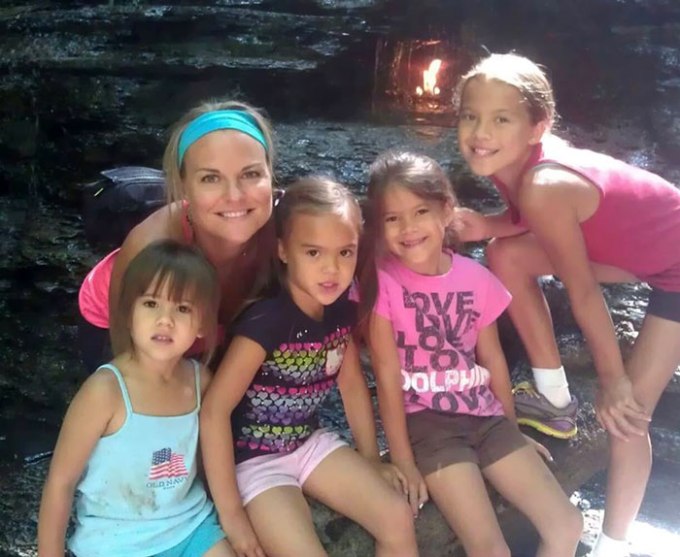
When Elizabeth Diamond was diagnosed with stage-four brain cancer, she was worried about what might happen if she died.

Her best friend Laura Ruffino, whom she had known since 5th grade, promised to adopt the girls if anything were to happen – and when Diamond, a single mother, passed away, Ruffino fulfilled her promise.

Now, Ruffino’s family of 4 (along with her husband and two daughters) has doubled in size, and the local community in Orchard Park, NY is coming together to help them out. AYouCaringcampaign has already raised more than $117,000 to help the Ruffino-Diamond family re-adjust.

Laura Ruffino promised to adopt her best friend’s daughters if she died of brain cancer.

1

Unfortunately, Elizabeth Diamond passed away, leaving behind her 4 wonderful girls.

2

Luckily, they’ve been adopted by the Ruffino-Diamond family, which has now doubled in size!

3

“She said if anything ever happens to me I want you…

View original post 120 more words

What this blog has done for me

IMG_0585DSCN7316DSCN7313

Firstly, it has provided a chronology of my moods, showing me in no uncertain terms that what goes up must come down, but not only that. It has shown me that I am not my moods, I can transcend my moods. Something I think is forever, is certainly not. The next blog post shows that clearly. It has helped chronicle my journey and helped me be kinder, more loving towards myself as well as kinder and more loving towards my family and friends. Yes we all may go off the deep end, myself totally included, but we can also swim, walk, skate (haha), fly , drive, jog, or ski, back to places of joy, laughter, kindness, love and equanimity.

Also, since I have been posting a lot of my family history, going back 200 – 300 years (the mansion), there has been the unexpected, but truly welcome result of bringing my family together. As not uncommon in families, we have had our differences, but this clear illustration with pictures, of our roots and commonality has forged a strong bond of familial love. And I am endlessly happy about that.

Our trip to Pakistan also obviously strengthened our bonds with our beloved family.

So, on to more blogging and more laughter, lovely, healthy relationships and hugs and kisses for all of you, my friends, family and readers.

Samina.


Relations

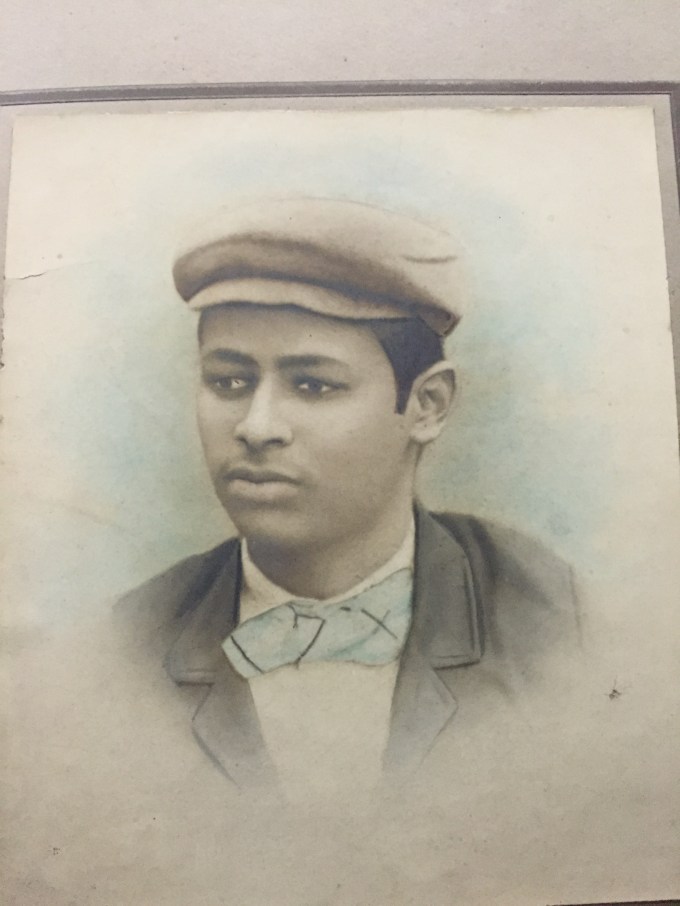
My great grandfatherIMG_9598

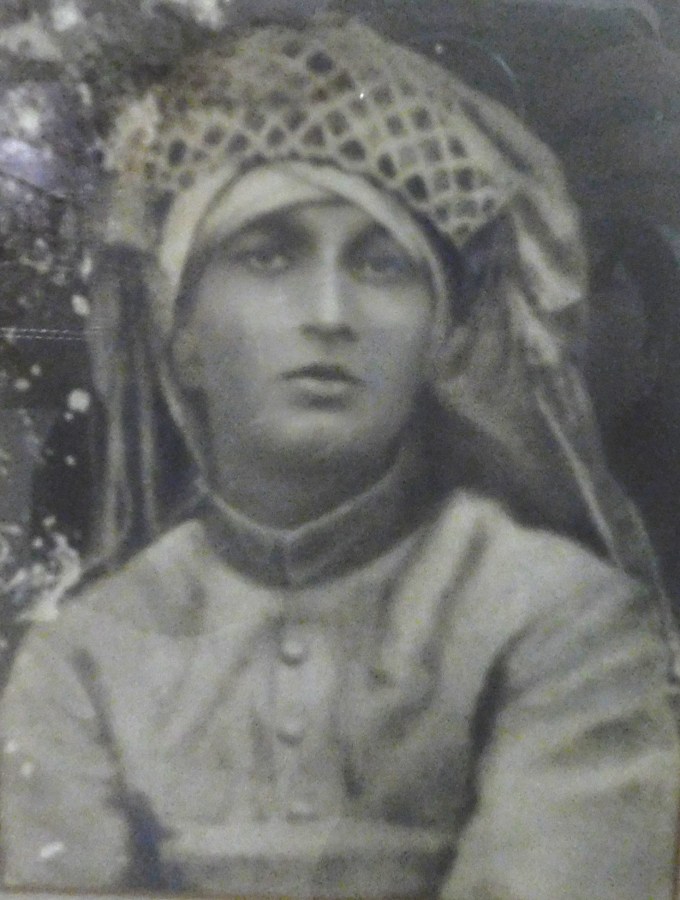
My grandfatherDSCN7286

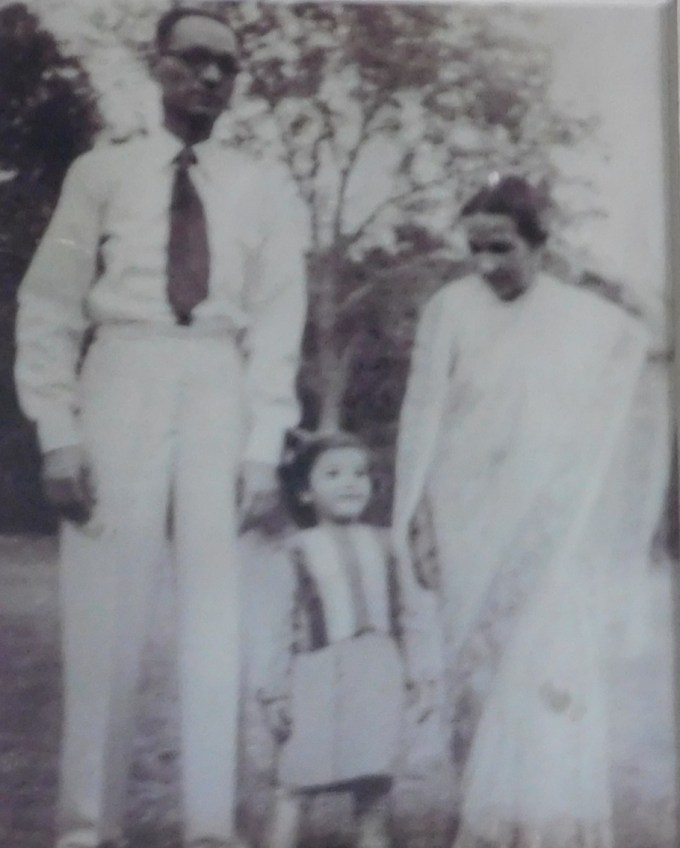
My grandparents with my cousin, their first grand child.DSCN7290

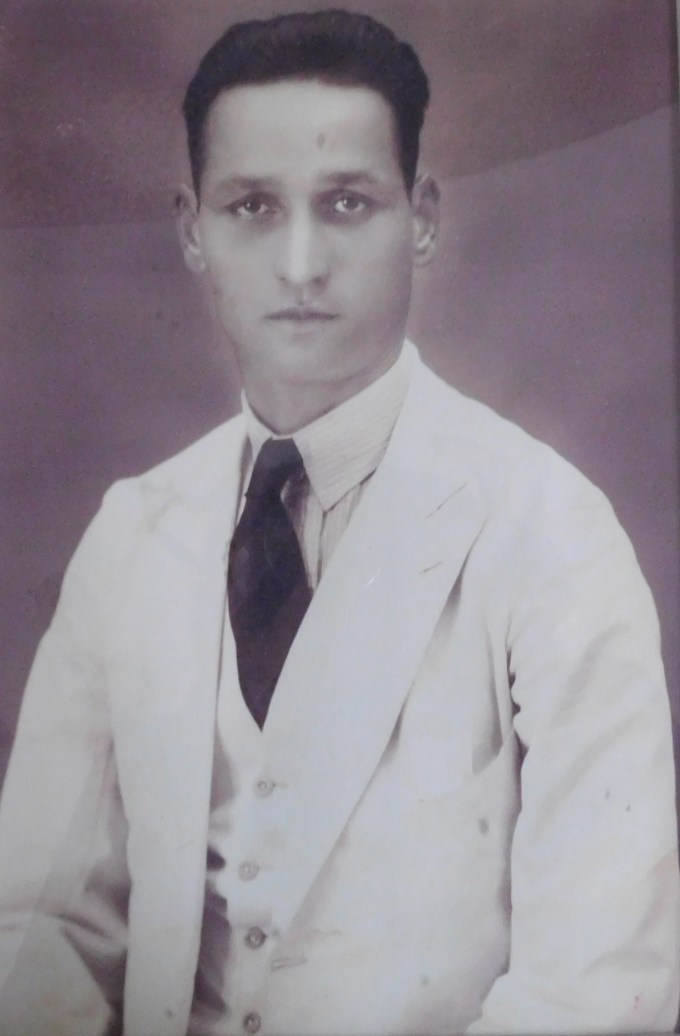
My grandfatherDSCN7288

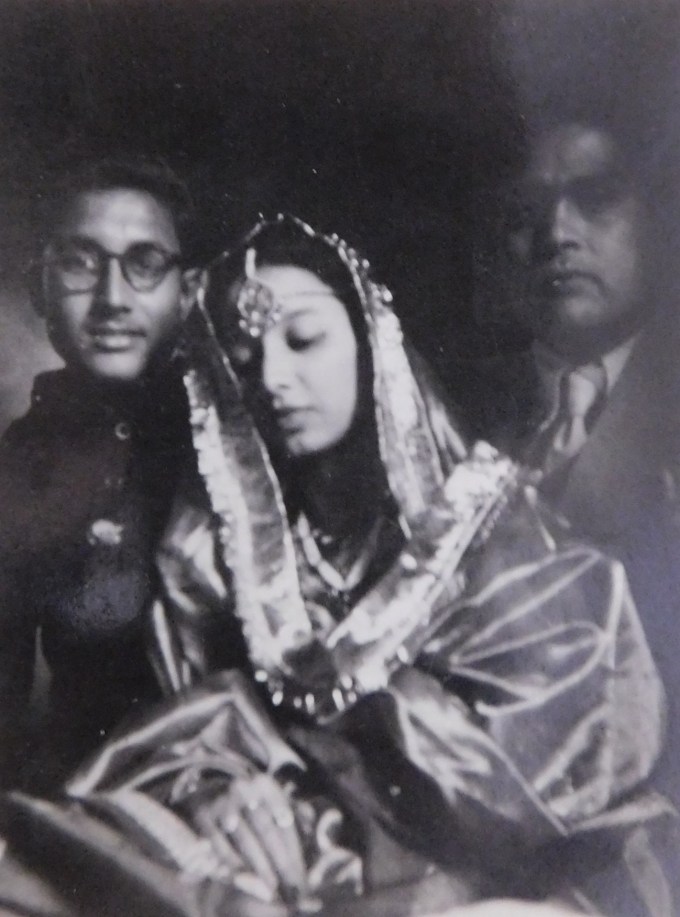
My eldest aunt’s wedding.DSCN7265

My youngest uncle, who passed away at age of 21 in an accident.DSCN7284

My aunt (left) and my mother (right)DSCN7382

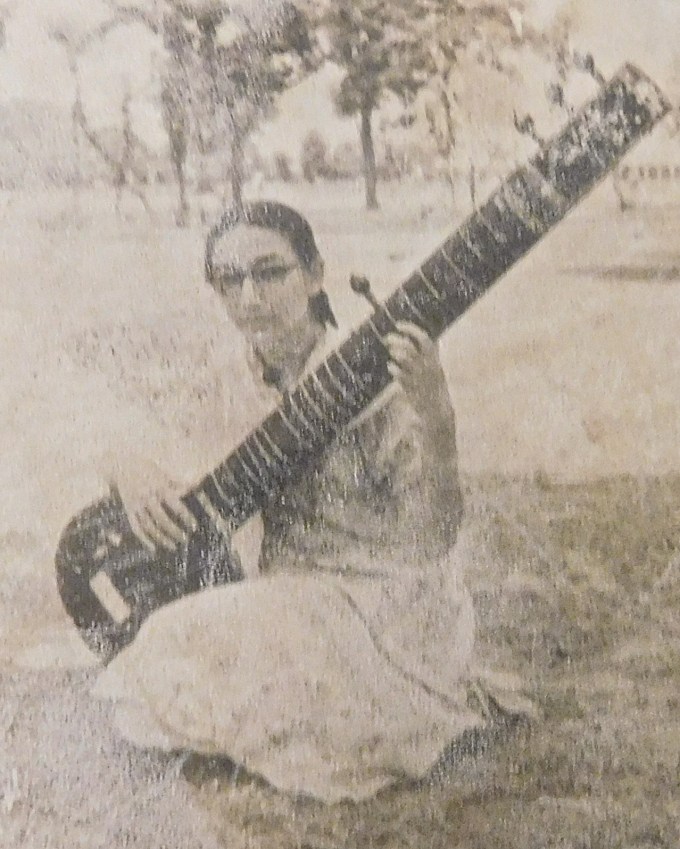
My aunt learnt how to play the sitar! A sort of a big deal, as music was not allowed in Islam (!?!?) But my grandfather was an enlightened man, who also sent my mother to a medical college to be educated as a doctor. She became an OBGYN!DSCN7374

My grandmother and my oldest cousin.Nani

My cousin and I (on the right.) DSCN7232

My Fatto Khala in healthier days.DSCN7376

It All Goes Together

“Our common sense has been rigged, you see, so that we feel strangers and aliens in this world, and this is terribly plausible, simply because it’s what we’re used to. That’s the only reason. But when you really start questioning this, say: is this the way I assume life is? I know everybody does, but does that make it true? It doesn’t necessarily, it ain’t necessarily so. So then as you question this view that underlies our culture, you find you get a new kind of common sense, it becomes absolutely obvious to you that you are continuous with the universe.”

posted on http://projectiamyou.com/2016/01/19/it-starts-now/

And on the flip side of boohoo…

Yes, boohoo is fine and dandy, but there is another side to being upset. And it is being unbelievably grateful that I am sitting here, fine, able to do everything as I could before the concussion and the car accident. I mean to say that I am very lucky that I walked clean away from both. So, no more boohooing, even though I do miss my car…

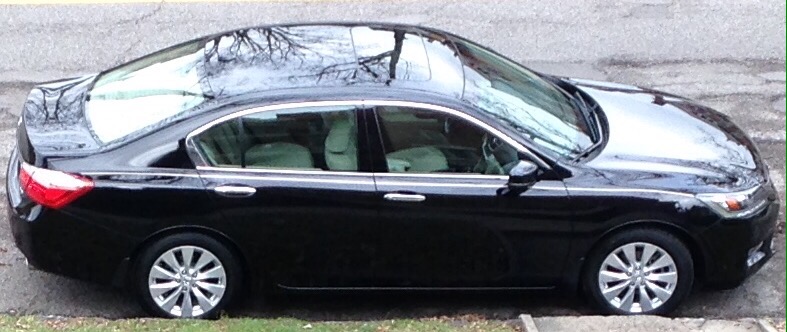
I have a new car, a V6 Honda Accord, 287 horse power! I like it a lot, I would love it if I wasn’t missing my old one. Ah the vicissitudes of having a mood disorder… and getting attached to everything… bah… Zen Buddhism anyone?


My new car, I almost love it.

img_0755-1

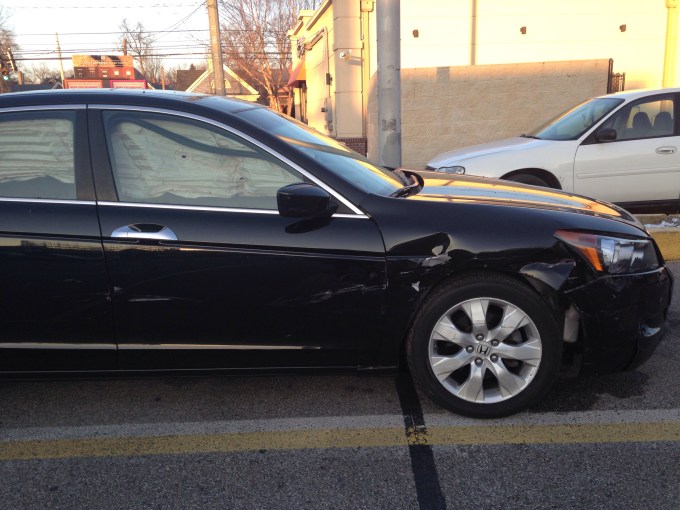
My old, beloved little car, this was all the damage it had, but the insurance company totaled it :-((( I was going through a green light when I was struck by the car below. Hondas are warriors!!!


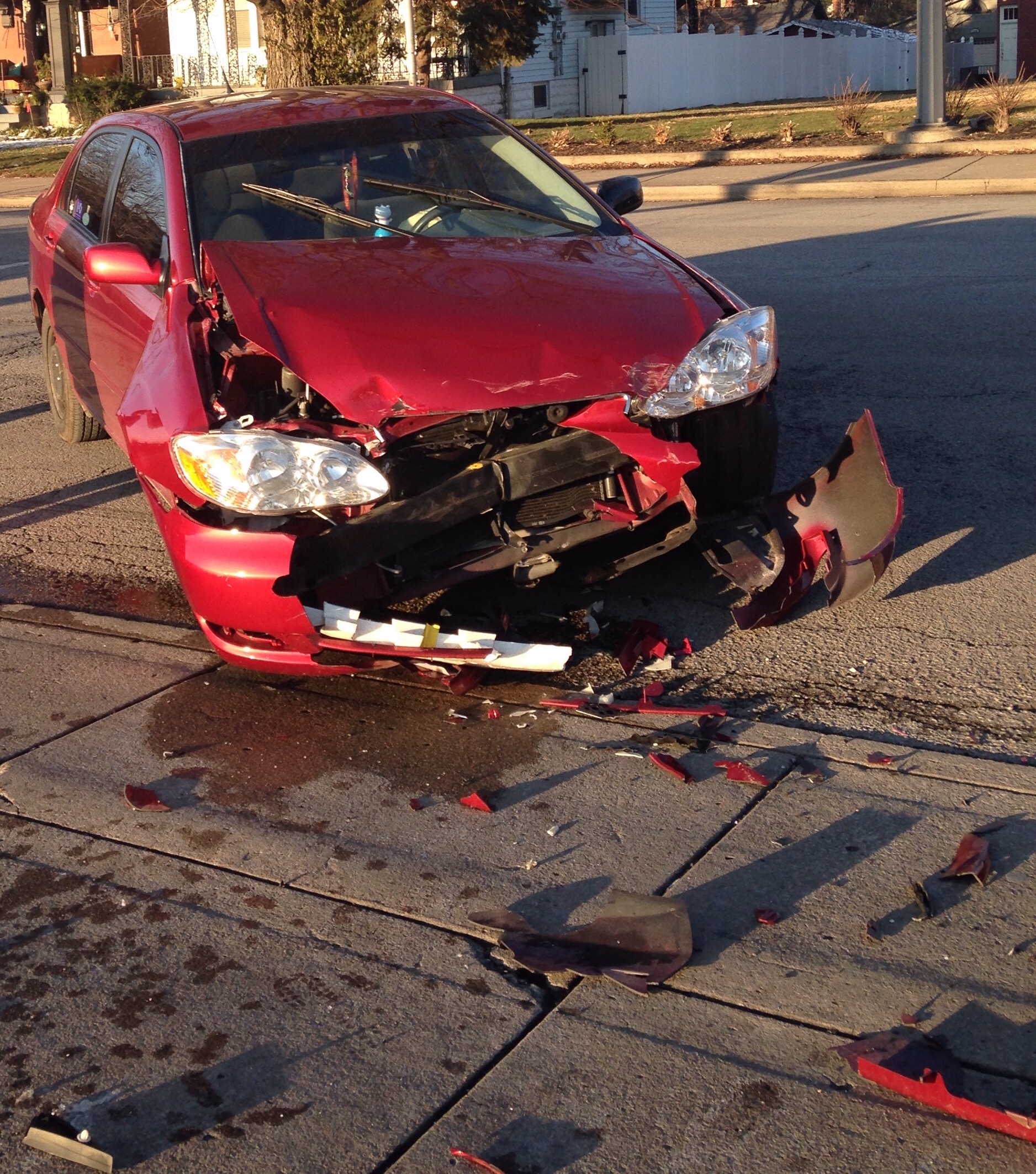
The car that hit me, it blew up like it had been bombed!!! It did hit me hard.