Depression is a physical illness which could be treated with anti-inflammatory drugs, scientists suggest

Now this is huge! It’s also my pet theory that mental illness is caused by the immune system! Depression, a physical illness, caused by a faulty immune system, treatable by anti inflammatory drugs! Scientists think that an overactive immune system increasing inflammation could actually cause depression! There lots of evidence that increasing inflammation can bring on depressive symptoms and using anti inflammatory medication can reduce symptoms of depression. Depression is common in people who have Rheumatoid arthritis, which is an autoimmune disease.

“One promising treatment for depression on the horizon is the use of electrical stimulation to change the signals between the brain and the immune system.”

Please read on, this is incredible.

http://www.telegraph.co.uk/science/2017/09/08/depression-physical-illness-could-treated-anti-inflammatory/

Telegraph Science

Depression is a physical illness which could be treated with anti-inflammatory drugs, scientists suggest

A new study suggests depression is the immune system failing to switch off  CREDIT:  INCAMERASTOCK / ALAMY STOCK PHOTO

Sarah Knapton, science editor

8 SEPTEMBER 2017 • 10:00PM

Depression could be treated using anti-inflammatory drugs, scientists now believe, after determining that it is a physical illness caused by a faulty immune system.

Around one in 13 people in Britain suffers from anxiety or depression and last year the NHS issued 64.7 million prescriptions for antidepressants, double the amount given out a decade ago.

Current treatment is largely centred around restoring mood-boosting chemicals in the brain, such as serotonin, but experts now think an overactive immune system triggers inflammation throughout the entire body, sparking feelings of hopelessness, unhappiness and fatigue.

It may be a symptom of the immune system failing to switch off after a trauma or illness, and is a similar to the low mood people often experience when they are fighting a virus, like flu.

A raft of recent papers, and unexpected results from clinical trials, have shown that treating inflammation seems to alleviate depression.

Likewise when doctors give drugs to boost the immune system to fight illness it is often accompanied by depressive mood – in the same way as how many people feel down after a vaccination.

Professor Ed Bullmore, Head of the Department of Psychiatry at the University of Cambridge, believes a new field of ‘immuno-neurology’ is on the horizon.

“It’s pretty clear that inflammation can cause depression,” he told a briefing in London to coincide with this week’s Academy of Medical Sciences FORUM annual lecture which has brought together government the NHS and academics to discuss the issue.

“In relation to mood, beyond reasonable doubt, there is a very robust association between inflammation and depressive symptoms.  We give people a vaccination and they will become depressed. Vaccine clinics could always predict it, but they could never explain it.

“The question is does the inflammation drive the depression or vice versa or is it just a coincidence?

“In experimental medicine studies if you treat a healthy individual with an inflammatory drug, like interferon, a substantial percentage of those people will become depressed. So we think there is good enough evidence for a causal effect.”

Advice | Natural ways to reduce inflammation

Dr Kelly Brogan, author of A Mind of Your Own points to lifestyle changes with a natural anti-inflammatory effect that can help improve your mood:

Exercise — Depression can result from chronic ongoing stress and exercise acts like a biological insurance plan against the bodily effects of stress. 20 minutes, three times a week or more of anything that gets you sweaty is all that’s needed.

Diet — Eliminate processed foods, especially sugar and refined carbohydrates which may increase inflammation in the body. Eat plenty of natural foods including fruits and vegetables, pastured animal products and eggs and wild fish.

Meditate — Meditation stimulates the expression of genes that are powerfully anti-inflammatory. Just ten minutes a day of mindfulness, deep breathing or gratitude journaling can help mood.

Show more

Scientists at Cambridge and the Wellcome Trust are hoping to begin trials next year to test whether anti-inflammatory drugs could switch off depression.

“There is evidence to suggest it should work,” added Prof Bullmore.

The immune system triggers an inflammatory response when it feels it is under threat, sparking wide-ranging changes in the body such as increasing red blood cells, in anticipation that it may need to heal a wound soon.

Scientists believe that associated depression may have brought an evolutionary benefit to our ancestors. If an ill or wounded tribal member became depressed and withdrawn it would prevent a disease being passed on.

However a link has taken so long to establish because until recently scientists believed the brain was entirely cut off from the immune system, trapped behind a ‘Berlin Wall’ known as the blood brain barrier.

But recent studies have shown that nerve cells in the brain are linked to immune function and one can have an impact on the other. Around 60 per cent of people referred to cardiologists with chest pain do not have a heart problem but are suffering from anxiety.

Figures also show that around 30 per cent of people suffering from inflammatory diseases such as rheumatoid arthritis are depressed – more than four times higher than the normal population.

Likewise people who are depressed after a heart attack are much more likely to suffer a second one, while the lifespan for people with cancer is hugely reduced for people with mental illness.

“You can’t separate the mind from the body,” said Prof Sir Robert Lechler, President of the Academy of Medical Sciences.

“The immune system does produce behaviour. You’re not just a little bit miserable if you’ve got a long term condition, there is a real mechanistic connection between the mind, the nervous system and the immune system.

“Our model of healthcare is outdated. We have a separation. Mental healthcare is delivered by mental health professionals, psychiatrists, mental health nurses and so on, often in separate premises from where physical health care is delivered and that is simply wrong and we need to find ways to ever more closely integrate and train amphibious healthcare professionals who can straddle this divide.”

Research has also shown that people who have suffered severe emotional trauma in their past have inflammatory markers in their body, suggesting their immune system is constantly firing, as if always on guard against abuse.

Dr Alan Carson, Reader in Neuropsychiatry, at the University of Edinburgh, said: “All psychiatric and neurological disorders are based in brain and brain is not static but structurally and functionally responsive to a range of biological, psychological and social issues.

“Yet institutionally we use an outmoded code which separates brain disorders into psychiatric ‘f’ codes and neurological ‘g’ codes which holds back both scientific and clinical progress.”

Stephen Buckley, Head of Information at mental health charity Mind, said more research was vital to pick apart the various causes of depression and find new treatments.

“We must acknowledge a wide range of potential causes and treatments,”  he said. “For many people, long term physical illness can cause mental health problems, such as depression. This could be because of the impact of living with the illness, the pain and discomfort or side effects of medication, among many other reasons.

“We also need to look at people’s broader experiences, their lives and other challenges they face – such as a lack of access to services, experience of abuse or trauma, poor housing and exclusion, to ensure everyone with a mental health problem gets the support they need.”

One promising treatment for depression on the horizon is the use of electrical stimulation to change the signals between the brain and the immune system.

Prof Kevin Tracey, President and CEO, of the US Feinstein Institute for Medical Research, discovered that the brain controls production of a deadly inflammatory chemical called TNF, which if released in high doses can be fatal, causing people to, literally, die of shock.

He has recently developed a electrical device which reproduces the connection and switches off the chemical. Three quarters of patients with rheumatoid arthritis recovered following trials.

“This is the tip of the iceberg of a new field called bio-electric medicine,” he said.

“This is a new way of thinking about medicine. We’re using electrons to replace drugs. This will not replace all drugs. But there will be many drugs that are either too expensive, too toxic which may be replaced by these devices.”

Top 55 Ways to Increase Myelin Naturally (and surprising facts)

In my last post about child abuse (https://bipolar1blog.com/2017/09/26/child-abuse-can-impair-brain-wiring/) I reported that there was decreased myelination in parts of the brain and I wondered if you could do something to increase it. Well there ways to increase myelination of your neurons. Below the link to the articles is an excerpt from the article which lists some of those ways. Very excited that one of them is Lithium!

https://selfhacked.com/blog/myelin/

Oligodendrocytes vs Schwann Cells

Oligodendrocytes and Schwann cells are types of cells that produce myelin.

Schwann cells produce myelin in the body (outside the brain), while oligodendrocytes are found solely in the brain.

Oligodendrocytes are responsible for the formation of new myelin in both the injured and normal adult brains.

Lifestyle to Increase Myelin

1) Sleep (brain)
Sleep increases the amount of oligodendrocyte precursor cells (OPCs) in the body, which in turn increase myelin formation.

Sleep is associated with higher expression of genes coding for myelination (R).

Researchers found that the production rate of the myelin making cells (oligodendrocytes), doubled as mice slept (R).

The increase was most marked during the type of sleep that is associated with dreaming (REM sleep) (R).

In contrast, the genes involved in cell death and stress responses were turned on when the mice were forced to stay awake (R).

2) Ketosis (brain)

Ketones (3-hydroxybutyrate) may help support myelin growth by being a source of energy and also a fuel for lipids (R).

The ketogenic diet can improve myelination by compensating for a deficiency in a certain enzyme (AGC1, which helps make N-acetylaspartate  in oligodendrocyte).  This was tested an individual deficient in this enzyme (R).

Ketones work as precursors for fat synthesis in a developing brain, especially phosphatidylcholine and cholesterol in neurons and myelin cells (oligodendrocytes)  (R).

There is a preferential utilization of ketones for the synthesis of myelin cholesterol (R).

High cholesterol in the brain is essential for myelin membrane growth (R).

Oligodendrocytes also use lactate in part to produce membrane lipids presumably for myelin (RR).

3) Exercise (brain)

Exercise can increase myelin after an injury (R) and also increase it in a mouse model of Alzheimer’s (R).

Exercise can also increase mitochondrial function, which increases myelin when consuming a high-fat diet (R).

4) Socializing and New Experiences (brain)

Stress during late pregnancy causes increased myelination in the offspring of rats (R).

The number of myelin-forming oligodendrocytes increases 27–33% in the visual cortex of rats raised in environments that are enriched by additional play objects and social interaction (R).

Enriched environments increase the number of myelinated axons in the corpus callosum of monkeys and rats (R).

Early experience increases white matter structure in human infants (internal capsule and frontal lobes) in parallel with improved performance in behavioral tests (R).

Children suffering severe childhood neglect have a 17% reduction in the corpus callosum area (R).

5) Learning an Instrument and Complex Skills

Learning complex skills, such as playing the piano, are accompanied by increased white matter in brain areas involved in musical performance (R).

White matter increased proportionately to the number of hours each subject had practiced the instrument, indicating white matter increases when acquiring certain skills (R).

Nutrition to Increase Myelin

1) Fish/DHA (brain)

DHA is deposited within the cerebral cortex at an accelerated rate during the last trimester of pregnancy and during the first two years after birth (R).

This early accelerated rate of DHA deposition coincides with the onset of myelination, a process that is sensitive to DHA accumulation and stores  (RR).

A reduction of DHA in the diet negatively affects DHA concentrations within the brain (RRR). Animal models provide solid evidence that the consequences of dietary DHA deficiency are a high

Animal models provide solid evidence that the consequences of dietary DHA deficiency are a high omega-6 to omega-3 ratio in brain fatty acid composition and deficiencies in learning and memory (RR)

This is possibly due, in part, to negative impacts on neurite outgrowth and myelination (R).

2) Vitamin D (brain, body)

Studies show that vitamin D3 induced a functional recovery and increased myelination in a rat model of facial nerve injury (R).

The vitamin D receptor can increase the production of oligodendrocytes (R).

3) Vitamin C (body)

Vitamin C helps with myelin formation (R).

Vitamin C, also known as ascorbate, is important as a co-factor in several enzyme reactions. Ascorbate-dependent collagen synthesis helps with myelination. Ascorbate added to rat Schwann cells and neurons promoted myelin formation (R).

4) Iodine

Iodine is essential for many bodily functions. Iodine deficiency can impair myelination. Supplementation with iodine can help improve myelin formation in nerve cells (R).

5) Zinc

Zinc is needed for myelin proteins to function correctly. Zinc deficiency can cause problems with myelin formation and can cause defective sheaths to form (R).

6) Choline and Lecithin (brain)

In animal models of multiple sclerosis, the choline pathway can help with remyelination of myelin sheaths. It enhances myelin repair (R).

CDP-choline has beneficial effects on myelin in animal models of multiple sclerosis (R).

After drug-induced demyelination, CDP-choline effectively enhanced myelin regeneration and reversed motor coordination deficits (R).

The increased remyelination arose from an increase in the numbers of proliferating oligodendrocytes and oligodendrocyte precursor cells (R).

Lecithin is a component of myelin (R).

7) Vitamin B12
Vitamin B12 deficiency can cause demyelination and problems with early brain development. Therefore Vitamin B12 supplementation may help with sheath formation (R).

8) Cholesterol

Cholesterol is an essential constituent of myelin. The dry mass of myelin is about 70–85% lipids.

Cholesterol is needed for myelin membrane growth. Its presence is needed in the membranes in order for the sheath to function normally (R).

9) Iron (brain)

Iron plays a key role in normal cell functions. Normal iron levels are needed for myelin formation. Iron deficiency will lead to less myelination. Therefore, iron increases myelination in the body (oligodendrocytes) (R).

10) Lithium

Owing to its GSK3b inhibitory effect, Lithium can help increase myelin (R).

Treatment of adult mice with Lithium after facial nerve crush injury stimulated the expression of myelin genes, restored the myelin structure, and accelerated the recovery of whisker movements (R).

Lithium treatment also promoted remyelination of the sciatic nerve after crush (R).

11) Vitamin K2 (brain)

Myelin membranes are particularly enriched with glycolipids, including galactosylceramide (GalCer) and its sulfated form, sulfatide (R).

Concentrations of sulfatides increase during brain development, parallel to an increase in brain myelination (R).

Decreases in myelin sulfatides content and/or changes in their molecule structure have been implicated as important factors in the disruption of myelin structure, with a subsequent attenuation of myelin efficiency as an axonal insulator (R).

Decreases in the content of myelin sulfatides with age has been implicated as a significant risk factor for behavioral deficits observed in normal aging, and age-associated neurological disorders (R).

Vitamin K has been implicated in increasing sulfatides and there is a positive correlation between sulfatides and vitamin K, which is present almost exclusively in the form of Vitamin K2 or menaquinone-4 (MK-4) in the brain (R).

12) Biotin (brain, body)

Biotin activates enzymes involved in energy production and myelin synthesis (R).

91.3% of people with multiple sclerosis (MS) improved clinically with high doses of biotin (R).

In all cases, improvement was delayed from 2 to 8 months following treatment׳s onset (R).

Two multi-centric double-blind placebo-controlled trials are currently underway (R).

13) Folate/Vitamin B9 (brain)

A folate deficiency during pregnancy can also cause lower myelination in rat offspring (R, R).

14) Pantothenic Acid/Vitamin B5

Pantothenic acid indirectly helps with myelin formation by helping fatty acid synthesis (myelin is rich in lipids) (R).

Chickens deficient in pantothenic acid developed skin irritation, feather abnormalities, and spinal nerve damage associated with the degeneration of the myelin sheath (R).

15) Copper (brain)

Copper is important for myelination (oligodendrocytes).  When animals are given a drug that binds to copper, demyelination results (R).

16) Phosphatidylserine

A large body of scientific evidence describes the interactions among Phosphatidylserine, cognitive activity, cognitive aging, and retention of cognitive functioning ability (R).

Phosphatidylserine is required for healthy nerve cell membranes and myelin (R).

Aging of the human brain is associated with biochemical alterations and structural deterioration that impair neurotransmission (R).

Supplemental Phosphatidylserine (300-800 mg/d) is absorbed efficiently in humans, crosses the blood-brain barrier, and safely slows, halts, or reverses biochemical alterations and structural deterioration in nerve cells (R).

It supports human cognitive functions, including the formation of short-term memory, the consolidation of long-term memory, the ability to create new memories, the ability to retrieve memories, the ability to learn and recall information, the ability to focus attention and concentrate, the ability to reason and solve problems, language skills, and the ability to communicate. It also supports rapid reactions and reflexes (R).

Hormones to Increase Myelin

1) Pregnenolone (body)

The nervous system can synthesize steroids that are known as neurosteroids. They regulate the synthesis of myelin proteins and also help with its repair.

Pregnenolone is a precursor of other steroid hormones that can regulate myelin formation. An increase of pregnenolone can cause an increase of myelin formation (Schwann cells) (R).

2) Melatonin (brain)

In rats that had a stroke, melatonin helps promote myelination. It decreased white matter inflammation and increased myelination in nerve cells (R).

3) Progesterone (brain)

Progesterone can promote the formation, repair and regeneration of myelin sheaths (in animal models) (R, R, R).

The delivery of progesterone, however, represents a challenge because of its metabolism in digestive tract and liver (R).

Recently, the intranasal route of progesterone administration has received attention for easy and efficient targeting of the brain (R).

Progesterone in the brain is derived from glands or from local synthesis by neural cells. Stimulating the natural formation of progesterone is currently explored as an alternative strategy for neuroprotection, axonal regeneration, and myelin repair (R).

4) IGF-1 (brain, body)

Insulin-like growth factor-1 (IGF-1) has been identified as a growth factor that promotes myelination by stimulating the early events of myelination in Schwann Cells and oligodendrocytes (R).  IGF-1 stimulates two key fatty acid synthesizing enzymes via the PI3K/Akt signaling pathway (R, R).

5) Thyroid Hormones (brain)

Triiodothyronin (T3) stimulated many myelin protein genes (R) and enhances remyelination in the adult brain by making myelin cells (oligodendrocytes) mature faster (R).

6) Testosterone (brain)

Males are less likely to develop multiple sclerosis than females (R).

Testosterone treatment efficiently stimulates the formation of new myelin and reverses myelin damage in chronic demyelinated brain lesions (oligodendrocytes, working via the androgen receptor) (R).

Clinical trials (phase II) have found treatment with testosterone can increase gray matter in males with multiple sclerosis (R).

The researchers concluded:

These observations support the potential of testosterone treatment to stall (and perhaps even reverse) neurodegeneration associated with MS….This is the first report of gray matter increase as the result of treatment in MS…. (R)

7) Prolactin (brain)

Prolactin during pregnancy is necessary for the increase of myelin cells (R).

8) VIP

VIP (and PACAP) contribute to the myelinating process, including myelin maturation and synthesis, and help regulate the expression of myelin proteins (R).

9) Erythropoietin (EPO) (brain)

Erythropoietin (EPO) induces the expression of myelin genes in oligodendrocytes. They promote neuron repair by inducing remyelination after myelin damage. However, this only happens in erythropoietic EPO receptor (EPOR)-expressing CG4 cells (R).

Supplements to Increase Myelin

1) Gotu Kola

Gotu kola helps rats make a more rapid functional recovery and a greater numbers of myelinated axons following nerve damage (R).

2) Uridine

Uridine can help treat myelin sheath lesions (R).

3) Ashwagandha

Ashwagandha has an active component called withanoside IV. In mice, withanoside IV treatment increased myelin levels (R).

4) SAMe and Methylation

S-adenosylmethionine (SAMe) helps regulate DNA methylation. DNA methylation plays a key role in myelin development. Hence, SAMe increases myelination in neurons (R).

A folate and B12 deficiency during pregnancy can also cause lower myelination in rat offspring (R, R).

5) Myoinositol

Chronic low blood sodium levels can cause the destruction of myelin. Myoinositol can normalize blood sodium levels, which can help keep myelin normal (R).

6) Ozone Treatment (body)

Ozone treatment can improve nerve health and result in thicker myelin sheaths (outside brain) (R).

7) Grape Seed Extract (body)

In diabetic rats, grape seed extract protects against demyelination (Schwann cells) (R).

8) Lion’s Mane

The mushroom Lion’s Mane (Hericium Erinaceus extract) quickens the process of myelination. It promoted normal development of myelin sheaths (R).

9) Forskolin/Cyclic AMP (body)

Cyclic AMP helps increase myelin, especially in the presence of NRG1 (Schwann cells) (R).

10) PQQ (body)

PQQ increases myelin in the body (Schwann cells) (R).

11) Ginkgo (body)

After an injury, Ginkgo increased myelination in animals (Schwann cells) (R)

12) Quercetin (brain)

After an injury, quercetin increased myelin producing cells (oligodendrocytes) (R).

13-14) Flavonoids: Luteolin and Fisetin

The flavonoids luteolin, quercetin and fisetin most significantly decreased the amount of myelin that were consumed (phagocytosis) by a macrophage (R).

The mechanism is through their antioxidant effects, free radicals are required for the phagocytosis of myelin by macrophages. The flavonoid structure appeared to be essential for these effects (R).

The study concludes:

Our results implicate that flavonoids may be able to limit the demyelination process during multiple sclerosis (R).

Pathways to Increase Myelin

1) Acetylcholine and Acetylcholinesterase Inhibitors (brain)

Cholinergic treatments, such as acetylcholinesterase inhibitors (AChEIs), may have beneficial effects on myelination, myelin repair, and myelin integrity (R).

Increasing cholinergic stimulation helps the myelination process (R).

Cholinergic treatments, such as Nicotine, Huperzine A and Galantamine could help promote myelination during development and myelin repair in older age (R).

The acetylcholine muscarinic receptors can increase the survival of precursor cells that increase myelin (R).

2)  Brain-Derived Neurotrophic Factor (BDNF) (brain)

The neurotrophin brain-derived neurotrophic factor (BDNF) helps regulate myelin formation in the nervous system. An increase of BFNF levels causes an increase in the rate of myelination. This causes an increase in myelin content and thickness (R).

3) Nerve growth factor (NGF) (brain)

Nerve growth factor (NGF) can help repair myelin damage. It also induces the production of another substance that can help increase myelination (R).

NGF promotes axonal regeneration, survival, protection and production of oligodendrocytes and facilitates their migration to the sites of myelin damage (R).

4) CB1 Cannabinoid Receptor (brain)

The CB1cannabinoid receptor, which is activated by cannabis, can increase myelin formation in oligodendrocytes (via mTOR and AKT) (R).

5) GSK3b Inhibitors (brain)

GSK3b inhibits myelin-dependent axon outgrowth and inhibition of GSK3b helps increase myelin (R).

GSK3β inhibition stimulates the regeneration of myelin-forming cells and remyelination following chemically induced demyelination (oligodendrocytes) (R).

6) N-acetylaspartate (NAA) (brain)

N-acetylaspartate (NAA) supplies acetyl groups for myelin synthesis. It is essential for the formation and maintenance of myelin.

7) RXRgamma (brain)

A protein called retinoid X receptor gamma (RXRgamma) is known to promote oligodendrocyte precursor cells (R).

RXRgamma must combine with the Vitamin D Receptor to induce gene expression and create these myelin producing cells (R).

8-9) PPAR delta and PPAR gamma (brain)

PPAR delta is a protein that causes energy expenditure and weight loss and also causes myelin cells to multiply (R).

PPAR gamma is a protein that causes a host of anti-inflammatory effects.  It promotes myelin formation and growth (oligodendrocyte) (R).

These are proteins that can cause big effects on gene expression, and a variety of supplements increase/decrease their function.

10) Neuregulin 1 (body)

NRG1 is a protein that helps increase Schwann Cells (R).

Neuregulin 1 is important for synaptic plasticity, inhibiting the amygdala (to shut down anxiety), myelination (Schwann cell maturation, survival, and motility), heart function (cardiac growth factor) and tumor suppression.

11) GDNF (brain)

Glial cell line-derived neurotrophic factor (GDNF) is capable of increasing axonal regeneration myelin (R).

Others

Epidermal Growth Factor Receptor (EGFR) and ErbB3 receptor tyrosine kinase:

Epidermal growth factor receptor plays and important role in myelination and remyelination. EGFR signaling increases myelin repair and myelination (R).

ErbB3 receptor tyrosine kinase is a receptor located on Schwann cells. An inhibition of its expression will result in reduced myelination (R).

Child Abuse Can Impair Brain Wiring

Adults who were abused as children have abnormalities in their brains. Specifically an impaired structure and functioning of cells in the anterior cingulate cortex. This is a part of the brain which plays an important role in the regulation of emotions and mood. The researchers believe that these changes may contribute to the emergence of depressive disorders and suicidal behaviour.

One of the abnormalities is less myelination of axons. Myelination occurs in childhood and allows the nerve impulse to be conducted over axons between neurons. This decreased myelination may alter functional coupling between the cingulate cortex and subcortical structures such as the amygdala and nucleus accumbens (areas of the brain linked respectively to emotional regulation and to reward and satisfaction) and contribute to altered emotional processing in people who have been abused during childhood.

What can be done about this? Is there a way to compensate for the fact that axons in abused people have less myelin?

I don’t know, but I hope so.

http://neurosciencenews.com/neural-connection-child-abuse-7572/

Summary: McGill researchers report those who suffer from traumatic experiences during childhood, like severe abuse, show significant abnormalities in the structure and cell function in the anterior cingulate cortex, an area of the brain associated with emotion and mood regulation. Researchers believe these changes may contribute to depressive disorders and suicidal ideations, often considered a long term effect of trauma suffered during early life.

Source: McGill University.

For the first time, researchers have been able to see changes in the neural structures in specific areas of the brains of people who suffered severe abuse as children.

Difficulties associated with severe childhood abuse include increased risks of psychiatric disorders such as depression, as well as high levels of impulsivity, aggressivity, anxiety, more frequent substance abuse, and suicide. Severe, non-random physical and/or sexual child abuse affects between 5-15 % of all children under the age of 15 in the Western world.

Researchers from the McGill Group for Suicide Studies, based at the Douglas Mental Health University Institute and McGill University’s Department of Psychiatry, published research in the American Journal of Psychiatry that suggests that the long-lasting effects of traumatic childhood experiences, like severe abuse, may be due to an impaired structure and functioning of cells in the anterior cingulate cortex. This is a part of the brain which plays an important role in the regulation of emotions and mood. The researchers believe that these changes may contribute to the emergence of depressive disorders and suicidal behaviour.

Crucial insulation for nerve fibres builds up during first two decades of life

For the optimal function and organization of the brain, electrical signals used by neurons may need to travel over long distances to communicate with cells in other regions. The longer axons of this kind are generally covered by a fatty coating called myelin. Myelin sheaths protect the axons and help them to conduct electrical signals more efficiently. Myelin builds up progressively (in a process known as myelination) mainly during childhood, and then continue to mature until early adulthood.

Earlier studies had shown significant abnormalities in the white matter in the brains of people who had experienced child abuse. (White matter is mostly made up of billions of myelinated nerve fibres stacked together.) But, because these observations were made by looking at the brains of living people using MRI, it was impossible to gain a clear picture of the white matter cells and molecules that were affected.

To gain a clearer picture of the microscopic changes which occur in the brains of adults who have experienced child abuse, and thanks to the availability of brain samples from the Douglas-Bell Canada Brain Bank (where, as well as the brain matter itself there is a lot of information about the lives of their donors) the researchers were able to compare post-mortem brain samples from three different groups of adults: people who had committed suicide who suffered from depression and had a history of severe childhood abuse (27 individuals); people with depression who had committed suicide but who had no history of being abused as children (25 individuals); and brain tissue from a third group of people who had neither psychiatric illnesses nor a history of child abuse (26 people).

Severe, non-random physical and/or sexual child abuse affects between 5-15 % of all children under the age of 15 in the Western world. NeuroscienceNews.com image is adapted from the McGill news release.

Impaired neural connectivity may affect the regulation of emotions

The researchers discovered that the thickness of the myelin coating of a significant proportion of the nerve fibres was reduced ONLY in the brains of those who had suffered from child abuse. They also found underlying molecular alterations that selectively affect the cells that are responsible for myelin generation and maintenance. Finally, they found increases in the diameters of some of the largest axons among only this group and they speculate that together, these changes may alter functional coupling between the cingulate cortex and subcortical structures such as the amygdala and nucleus accumbens (areas of the brain linked respectively to emotional regulation and to reward and satisfaction) and contribute to altered emotional processing in people who have been abused during childhood.

The researchers conclude that adversity in early life may lastingly disrupt a range of neural functions in the anterior cingulate cortex. And while they don’t yet know where in the brain and when during development, and how, at a molecular level these effects are sufficient to have an impact on the regulation of emotions and attachment, they are now planning to explore this in further research.

Studies help explain link between autism, and severe infection during pregnancy (!!!!)

People this is HUGE!!! A woman who has a severe infection while she is pregnant is at a much higher risk of having a baby with autism!

Here’s more information from research that’s been done in mice: Mom has harmless bacteria in her gut, in response to this bacteria, the immune system produces T helper that make Interleukin 17 (IL 17) a pro-inflammatory cytokine. IL 17 then interacts with brain cells in the developing fetus, leading to irregularities that the researchers call “patches” in certain parts of the cortex. Patches are in the area of the brain known as S1DZ. In the patches, a group of neurons called interneurons are decreased. Interneurons are responsible for controlling the balance of excitation and inhibition in the brain, and the researchers found that the changes they found in the cortical patches were associated with overexcitement in S1DZ.

When the researchers restored normal levels of brain activity in this area, they were able to reverse the behavioral abnormalities. They were also able to induce the behaviors in otherwise normal mice by overstimulating neurons in S1DZ. The researchers also discovered that S1DZ sends messages to two other brain regions: the temporal association area of the cortex and the striatum. When the researchers inhibited the neurons connected to the temporal association area, they were able to reverse the sociability deficits. When they inhibited the neurons connected to the striatum, they were able to halt the repetitive behaviors.

This is incredible! Either due to an infection, or due to a response to non pathogenic bacteria in a mother’s gut, the production of IL 17.

IL 17 then damages the brain of the fetus and leads to Autism! This is huge! And in mice, researchers have actually reversed the damage.

In humans, infection could certainly be prevented of treated to reduce the incidence of Autism. This is huge! Have I said this is huge? It really, really is.


http://news.mit.edu/2017/studies-explain-link-between-autism-severe-infection-during-pregnancy-0913

Studies help explain link between autism, and severe infection during pregnancy

Bacterial populations in mother’s GI tract may play a central role.

Anne Trafton | MIT News Office

September 13, 2017

Press Inquiries

Mothers who experience an infection severe enough to require hospitalization during pregnancy are at higher risk of having a child with autism. Two new studies from MIT and the University of Massachusetts Medical School shed more light on this phenomenon and identify possible approaches to preventing it.

In research on mice, the researchers found that the composition of bacterial populations in the mother’s digestive tract can influence whether maternal infection leads to autistic-like behaviors in offspring. They also discovered the specific brain changes that produce these behaviors.

“We identified a very discrete brain region that seems to be modulating all the behaviors associated with this particular model of neurodevelopmental disorder,” says Gloria Choi, the Samuel A. Goldblith Career Development Assistant Professor of Brain and Cognitive Sciences and a member of MIT’s McGovern Institute for Brain Research.

If further validated in human studies, the findings could offer a possible way to reduce the risk of autism, which would involve blocking the function of certain strains of bacteria found in the maternal gut, the researchers say.

Choi and Jun Huh, formerly an assistant professor at UMass Medical School who is now a faculty member at Harvard Medical School, are the senior authors of both papers, which appear in Nature on Sept. 13. MIT postdoc Yeong Shin Yim is the first author of one paper, and UMass Medical School visiting scholars Sangdoo Kim and Hyunju Kim are the lead authors of the other.

Reversing symptoms

A 2010 study that included all children born in Denmark between 1980 and 2005 found that severe viral infections during the first trimester of pregnancy translated to a threefold risk for autism, and serious bacterial infections during the second trimester were linked with a 1.42-fold increase in risk. These infections included influenza, viral gastroenteritis, and severe urinary tract infections.

Similar effects have been described in mouse models of maternal inflammation, and in a 2016 Science paper, Choi and Huh found that a type of immune cells known as Th17 cells, and their effector molecule, called IL-17, are responsible for this effect in mice. IL-17 then interacts with receptors found on brain cells in the developing fetus, leading to irregularities that the researchers call “patches” in certain parts of the cortex.

In one of the new papers, the researchers set out to learn more about these patches and to determine if they were responsible for the behavioral abnormalities seen in those mice, which include repetitive behavior and impaired sociability.

The researchers found that the patches are most common in a part of the brain known as S1DZ. Part of the somatosensory cortex, this region is believed to be responsible for proprioception, or sensing where the body is in space. In these patches, populations of cells called interneurons, which express a protein called parvalbumin, are reduced. Interneurons are responsible for controlling the balance of excitation and inhibition in the brain, and the researchers found that the changes they found in the cortical patches were associated with overexcitement in S1DZ.

When the researchers restored normal levels of brain activity in this area, they were able to reverse the behavioral abnormalities. They were also able to induce the behaviors in otherwise normal mice by overstimulating neurons in S1DZ.

The researchers also discovered that S1DZ sends messages to two other brain regions: the temporal association area of the cortex and the striatum. When the researchers inhibited the neurons connected to the temporal association area, they were able to reverse the sociability deficits. When they inhibited the neurons connected to the striatum, they were able to halt the repetitive behaviors.

Microbial factors

In the second Nature paper, the researchers delved into some of the additional factors that influence whether or not a severe infection leads to autism. Not all mothers who experience severe infection end up having child with autism, and similarly not all the mice in the maternal inflammation model develop behavioral abnormalities.

“This suggests that inflammation during pregnancy is just one of the factors. It needs to work with additional factors to lead all the way to that outcome,” Choi says.

A key clue was that when immune systems in some of the pregnant mice were stimulated, they began producing IL-17 within a day. “Normally it takes three to five days, because IL-17 is produced by specialized immune cells and they require time to differentiate,” Huh says. “We thought that perhaps this cytokine is being produced not from differentiating immune cells, but rather from pre-existing immune cells.

Previous studies in mice and humans have found populations of Th17 cells in the intestines of healthy individuals. These cells, which help to protect the host from harmful microbes, are thought to be produced after exposure to particular types of harmless bacteria that associate with the epithelium.

The researchers found that only the offspring of mice with one specific type of harmless bacteria, known as segmented filamentous bacteria, had behavioral abnormalities and cortical patches. When the researchers killed those bacteria with antibiotics, the mice produced normal offspring.

This data strongly suggests that perhaps certain mothers who happen to carry these types of Th17 cell-inducing bacteria in their gut may be susceptible to this inflammation-induced condition,” Huh says.

Humans can also carry strains of gut bacteria known to drive production of Th17 cells, and the researchers plan to investigate whether the presence of these bacteria is associated with autism.

Sarah Gaffen, a professor of rheumatology and clinical immunology at the University of Pittsburgh, says the study clearly demonstrates the link between IL-17 and the neurological effects seen in the mice offspring. “It’s rare for things to fit into such a clear model, where you can identify a single molecule that does what you predicted,” says Gaffen, who was not involved in the study.

The research was funded by the Simons Foundation Autism Research Initiative, the Simons Center for the Social Brain at MIT, the Howard Hughes Medical Institute, Robert Buxton, the National Research Foundation of Korea, the Searle Scholars Program, a Pew Scholarship for Biomedical Sciences, the Kenneth Rainin Foundation, the National Institutes of Health, and the Hock E. Tan and K. Lisa Yang Center for Autism Research.

Sleep Deprivation to Treat Depression

Sleep deprivation, either partial (4 hours sleep allowed in a 24 hour period) or complete (no sleep allowed for 36 hours) rapidly reduces symptoms of depression!


I know that when I sleep too much, or in fact when I wake up from a night’s sleep, almost half my day is lost to very depressive and anxious thoughts. I wonder if sleeping less is the answer? And would too little sleep push me into mania? There is also that to consider for us, those who suffer from the double edged illness called bipolar disorder.

However the case may be, this is amazing. I hope they do more research about the mania question. Dear readers, please do not try this on your own, as mania could result.

https://www.technologynetworks.com/neuroscience/news/sleep-deprivation-effective-as-an-anti-depressant-for-nearly-half-of-depressed-patients-291910

Sleep deprivation – typically administered in controlled, inpatient settings – rapidly reduces symptoms of depression in roughly half of depression patients, according to the first meta-analysis on the subject in nearly 30 years, from researchers at the Perelman School of Medicine at the University of Pennsylvania. Partial sleep deprivation (sleep for three to four hours followed by forced wakefulness for 20-21 hours) was equally as effective as total sleep deprivation (being deprived of sleep for 36 hours), and medication did not appear to significantly influence these results. The results are published today in the Journal of Clinical Psychiatry.

Although total sleep deprivation or partial sleep deprivation can produce clinical improvement in depression symptoms within 24 hours, antidepressants are the most common treatment for depression. Such drugs typically take weeks or longer to experience results, yet 16.7 percent of 242 million U.S. adults filled one or more prescriptions for psychiatric drugs in 2013. The findings of this meta-analysis hope to provide relief for the estimated 16.1 million adults who experienced a major depressive episode in 2014.

Previous studies have shown rapid antidepressant effects from sleep deprivation for roughly 40-60 percent of individuals, yet this response rate has not been analyzed to obtain a more precise percentage since 1990 despite more than 75 studies since then on the subject.

“More than 30 years since the discovery of the antidepressant effects of sleep deprivation, we still do not have an effective grasp on precisely how effective the treatment is and how to achieve the best clinical results,” said study senior author Philip Gehrman, PhD, an associate professor of Psychiatry and member of the Penn Sleep Center, who also treats patients at the Cpl. Michael J. Crescenz VA Medical Center. “Our analysis precisely reports how effective sleep deprivation is and in which populations it should be administered.”

Reviewing more than 2,000 studies, the team pulled data from a final group of 66 studies executed over a 36 year period to determine how response may be affected by the type and timing of sleep deprivation performed (total vs early or late partial sleep deprivation), the clinical sample (having depressive or manic episodes, or a combination of both), medication status, and age and gender of the sample. They also explored how response to sleep deprivation may differ across studies according to how “response” is defined in each study.

“These studies in our analysis show that sleep deprivation is effective for many populations,” said lead author Elaine Boland, PhD, a clinical associate and research psychologist at the Cpl. Michael J. Crescenz VA Medical Center. “Regardless of how the response was quantified, how the sleep deprivation was delivered, or the type of depression the subject was experiencing, we found a nearly equivalent response rate.”

The authors note that further research is needed to identify precisely how sleep deprivation causes rapid and significant reductions in depression severity. Also, future studies are needed to include a more comprehensive assessment of potential predictors of treatment outcome to identify those patients most likely to benefit from sleep deprivation.

This article has been republished from materials provided by The Perelman School of Medicine at the University of Pennsylvania. Note: material may have been edited for length and content. For further information, please contact the cited source.

In the abyss

In the abyss

Dark thoughts swirling by

Nausea and life intersect

Sharp fears, sharper aches, dull hopes

Life? Mind? Please? Why?

Ah yes, the beginning of autumn, my fall

Logic whispers I’ll be fine with an increase in doses

Emotions scream: help me, I’m drowning, I’m dying, I’m done

Hang on Samina, remember the countless years, every year, this happens.

You will get through this. The emotions will quiet down and you will have your life back

In the meantime, Lithium, exercise, psychiatrist, therapist, cooking, reading, scrabble

Hang on. Use your strong arms and legs to wade through the muck

Hang on!

Our trip back

So! Our trip back… after our perfect Nantucket vacation! Well the trip back was far from ideal. Sorry, I have to get this off my chest… We got to the airport at 11 am for our flight leaving at 12:43 pm. The first thing we saw was a line literally a mile long to check in. Never had seen that before. Ok, we stood in line, checked in, had to check in my two carry ons as they were both over 30 lbs and we were flying a puddle jumper with 10 seats on Cape Air. Ok, no problem, I checked them in. Went through security, got to the waiting area and realized all the flights were getting cancelled. People from the 9 am flights were still waiting to leave. Our flight got delayed, ok, its just late. Then our flight disappeared from the monitor. What’s going on? No one is telling us anything. In the meantime, THREE Jetblue jets have taken off, the Cape Air people are telling us there’s fog in Boston and they can’t fly. We have to get from ACK to BOS to CLT to SDF. And we are not even close to leaving ACK. So now it’s been 3-4 hours just sitting in the boarding waiting room, three little puddle jumpers leave. No room on any of them for us. So we wait some more. Finally it looks like it’s our turn, they give us boarding cards, line us up to board… and at the last minute they say “No, no there’s fog, we have to wait till 6 pm to leave. Please sit down again!” And all 9 of us are flabbergasted, “What?!” we say in indignant voices. “No, sorry folks, nothing we can do!” Then, believe it or not, they board another 9 people on another puddle jumper and that one takes off. Now I’m getting in their faces and asking what the hell was that. Well that plane got an earlier slot and could take off and we got a 6 pm slot. Ok so we wait for another two hours, board the plane and take off for Boston. Halfway through, yes, halfway through, the pilot says he can’t land in Boston and has to land in Hyannis. So we do. Then we get taxis to drive us to Boston. I try to get my luggage in Boston but no one has any idea where it is. We call the Hilton at Boston airport, they have five, yes five rooms left. So we book one immediately! We get to bed at about 11 pm. Get up at 7 am for a 9:30am flight on American Airlines. Which we did and went to Charlotte, had a nice lunch and finally boarded a flight to Louisville. Got in at 2:30 pm. Only 19 hours late. Went to the AA luggage office, asked if they knew where my suitcases were. Nothing in the computer after Nantucket. And she suggested that I wait for the luggage that comes out, mine might be there. So, went to the carousel, hoping, hoping, hoping, my luggage would be there. It wasn’t. Went back, filled out a lost luggage report. Got 1 800 numbers for AA lost luggage. Went home. Called lost luggage number, most of the information on the report was wrong. Corrected it all. Hoped I’d see all my favorite dresses, shoes, etc. again. Was expecting to wait a few days but happily got an email an hour ago that my luggage is on its way to be delivered to my home! And just a few minutes ago, I got my luggage. Yaaay! Very happy I got all my things. Sorry, I’m attached to all my favorite people, pets, clothes, shoes, and jewelry.

Well, after the beautiful Nantucket vacation we had, this wasn’t the nicest way to get home. But we are home, the babies and the kitties are fine. And I even got all my stuff. Can’t ask for much else. Sorry, had to get all this craziness off my chest. At one point it felt like we were not getting home. Stranded on Nantucket… hahaha… Well from now on, no more Cape Air and their puddle jumpers. From now on we’re flying Jetblue. As god is my witness!

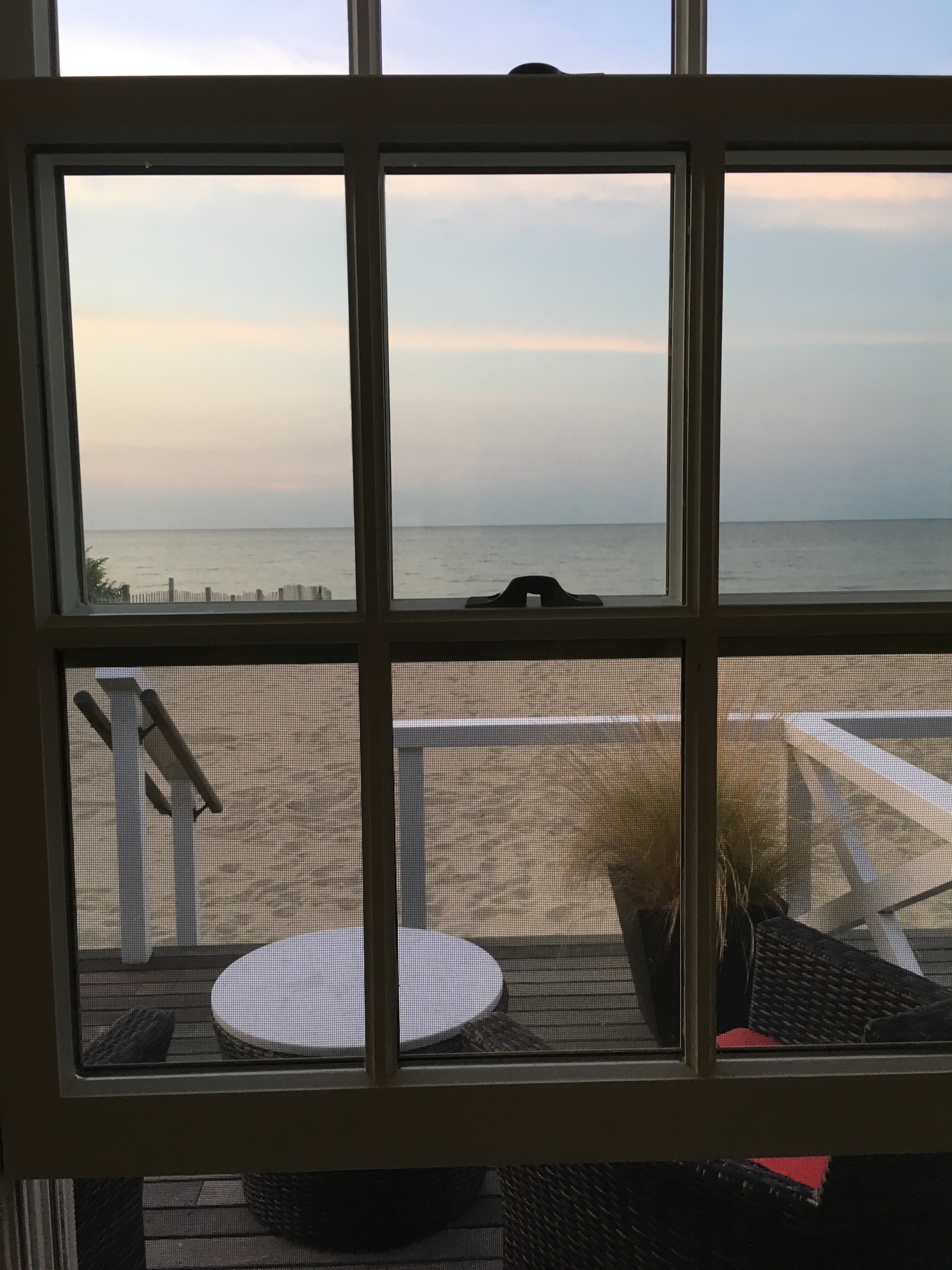
Some Nantucket pictures.

World Suicide Prevention Day

My very beloved brother, Farooq, committed suicide at the age of 26. He had bipolar disorder, unfortunately he never quite got a handle on this awful illness. He went into a severe depression and we lost him forever on June 21st, 1991. One of the saddest days in my life and in the lives of my family.

That’s why this day is important, to shed light on this devastating act, to help prevent it, to help people who may be considering this tragic action. There are resources below and here is a link for resources in North America: https://www.iasp.info/resources/Crisis_Centres/North_America/

If you are thinking about taking your own life, please don’t. It truly is a permanent solution for a temporary problem. Please get help. I’m sure you will be happy that you did.

https://iasp.info/wspd2017/

World Suicide Prevention Day 2017

Welcome to the Official World Suicide Prevention Day 2017 Website!

Every year, more than 800,000 people die by suicide and up to 25 times as many make a suicide attempt. Behind these statistics are the individual stories of those who have, for many different reasons, questioned the value of their own lives.

Each one of these individuals is part of a community. Some may be well linked in to this community, and have a network of family, friends and work colleagues or school mates. Others may be less well connected, and some may be quite isolated. Regardless of the circumstances, communities have an important role to play in supporting those who are vulnerable.

This sentiment is reflected in the theme of the 2017 World Suicide Prevention Day: ‘Take a minute, change a life.’ As members of communities, it is our responsibility to look out for those who may be struggling, check in with them, and encourage them to tell their story in their own way and at their own pace. Offering a gentle word of support and listening in a non-judgemental way can make all the difference.

Taking a minute can change a life

People who have lived through a suicide attempt have much to teach us about how the words and actions of others are important. They often talk movingly about reaching the point where they could see no alternative but to take their own life, and about the days, hours and minutes leading up to this. They often describe realising that they did not want to die but instead wanted someone to intervene and stop them. Many say that they actively sought someone who would sense their despair and ask them whether they were okay.

Sometimes they say that they made a pact with themselves that if someone did ask if they were okay, they would tell them everything and allow them to intervene. Sadly, they often reflect that no one asked.

The individuals telling these stories are inspirational. Many of them recount reaching the point where they did try to take their own lives, and tell about coming through it. Many of them are now working as advocates for suicide prevention. Almost universally, they say that if someone had taken a minute, the trajectory that they were on could have been interrupted.

Life is precious and sometimes precarious. Taking a minute to reach out to someone – a complete stranger or close family member or friend – can change the course of their life.

No one has to have all the answers

People are often reluctant to intervene, even if they are quite concerned about someone. There are many reasons for this, not least that they fear they will not know what to say. It is important to remember, however, that there is no hard and fast formula. Individuals who have come through an episode of severe suicidal thinking often say that they were not looking for specific advice, but that compassion and empathy from others helped to turn things around for them and point them towards recovery.

Another factor that deters people from starting the conversation is that they worry that they may make the situation worse. Again, this hesitation is understandable; broaching the topic of suicide is difficult and there is a myth that talking about suicide with someone can put the idea into their head or trigger the act.

The evidence suggests that this is not the case. Being caring and listening with a non-judgemental ear are far more likely to reduce distress than exacerbate it.

Resources are available

There are various well-established resources that are designed to equip people to communicate effectively with those who might be vulnerable to suicide. Mental Health First Aid, for example, is premised on the idea that many people know what to do if they encounter someone who has had a physical health emergency, like a heart attack (dial an ambulance, administer cardiopulmonary resuscitation), but feel out of their depth if they are faced with someone experiencing a mental or emotional crisis. Mental Health First Aid teaches a range of skills, including how to provide initial support to someone in these circumstances. There are numerous other examples too; relevant resources can be found on the websites of the International Association for Suicide Prevention (https://www.iasp.info/resources) and the World Health Organization (http://www.who.int).

Join in on World Suicide Prevention Day

2017 marks the 15th World Suicide Prevention Day. The day was first recognised in 2003, as an initiative of the International Association for Suicide Prevention and endorsed by the World Health Organization. World Suicide Prevention Day takes place each year on September 10.

On September 10, join with others around the world who are working towards the common goal of preventing suicide. Show your support by taking part in our Cycle Around the Globe campaign aimed at raising awareness through community action. Find out what local activities have been scheduled as well – or initiate one yourself!

Finally, if there is anyone you are concerned about, take a minute to check in with them. It could change their life.

Ride with us! World Suicide Prevention Day – Cycle Around the Globe: https://goo.gl/DFZCE3

A Fall Poem

Poems written the end of the year

Solitude and forlorness

Aloneness and emptiness

Rain drizzling, overcast skies

Sitting here wondering where the year went by

Started with the Women’s March, so hopefully

Now the political climate is dismal

The actual climate is dismal

Heading towards Fall maybe I should call it Autumn

Just sadness and longing for the hopeful times, the beginnings

Raindrops become my teardrops

Dancing can reverse the signs of aging in the brain

Love this article! Dancing is one of my very favorite things to do, and it is wonderful that it can have such beneficial effects upon our health!

https://m.medicalxpress.com/news/2017-08-reverse-aging-brain.html

August 25, 2017

As we grow older we suffer a decline in mental and physical fitness, which can be made worse by conditions like Alzheimer’s disease. A new study, published in the open-access journal Frontiers in Human Neuroscience, shows that older people who routinely partake in physical exercise can reverse the signs of aging in the brain, and dancing has the most profound effect.

“Exercise has the beneficial effect of slowing down or even counteracting age-related decline in mental and physical capacity,” says Dr Kathrin Rehfeld, lead author of the study, based at the German center for Neurodegenerative Diseases, Magdeburg, Germany. “In this study, we show that two different types of physical exercise (dancing and endurance training) both increase the area of the brain that declines with age. In comparison, it was only dancing that lead to noticeable behavioral changes in terms of improved balance.”

Elderly volunteers, with an average age of 68, were recruited to the study and assigned either an eighteen-month weekly course of learning dance routines, or endurance and flexibility training. Both groups showed an increase in the hippocampus region of the brain. This is important because this area can be prone to age-related decline and is affected by diseases like Alzheimer’s. It also plays a key role in memory and learning, as well as keeping one’s balance.

While previous research has shown that physical exercise can combat age-related brain decline, it is not known if one type of exercise can be better than another. To assess this, the exercise routines given to the volunteers differed. The traditional fitness training program conducted mainly repetitive exercises, such as cycling or Nordic walking, but the dance group were challenged with something new each week.

Dr Rehfeld explains, “We tried to provide our seniors in the dance group with constantly changing dance routines of different genres (Jazz, Square, Latin-American and Line Dance). Steps, arm-patterns, formations, speed and rhythms were changed every second week to keep them in a constant learning process. The most challenging aspect for them was to recall the routines under the pressure of time and without any cues from the instructor.”

These extra challenges are thought to account for the noticeable difference in balance displayed by those participants in dancing group. Dr Rehfeld and her colleagues are building on this research to trial new fitness programs that have the potential of maximizing anti-aging effects on the brain.

“Right now, we are evaluating a new system called “Jymmin” (jamming and gymnastic). This is a sensor-based system which generates sounds (melodies, rhythm) based on physical activity. We know that dementia patients react strongly when listening to music. We want to combine the promising aspects of physical activity and active music making in a feasibility study with dementia patients.”

Dr Rehfeld concludes with advice that could get us up out of our seats and dancing to our favorite beat.

“I believe that everybody would like to live an independent and healthy life, for as long as possible. Physical activity is one of the lifestyle factors that can contribute to this, counteracting several risk factors and slowing down age-related decline. I think dancing is a powerful tool to set new challenges for body and mind, especially in older age.”

This study falls into a broader collection of research investigating the cognitive and neural effects of physical and cognitive activity across the lifespan.