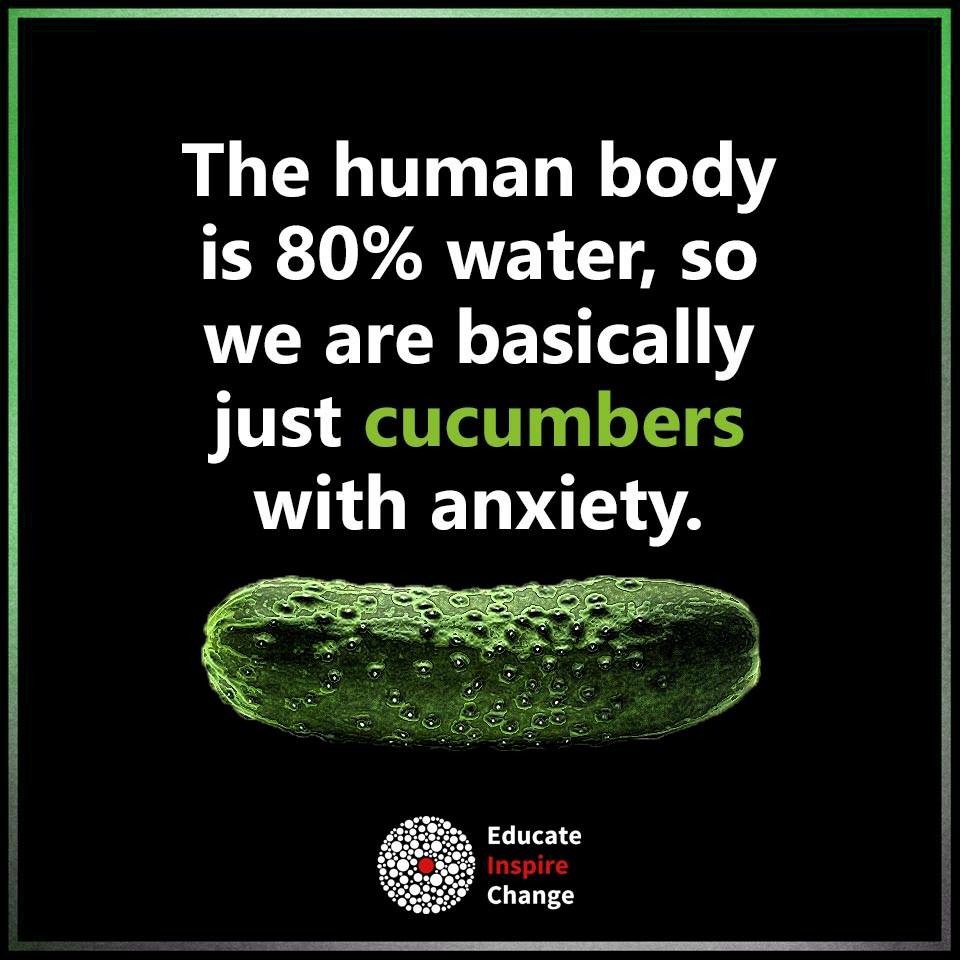
Hahahaha! Unfortunately I totally understand the anxiety part.
Hahahaha! Unfortunately I totally understand the anxiety part.
I wrote the words below in direct response to thoughts of giving up, of quitting this life altogether, to buoy myself up, and it did the job, 🙂 Hope it helps you too!
Life is so precious.
Hang on with all your might, to the jars with fireflies inside.
To the constellations in the skies.
To tassels made of gold.
To rosy cheeked cherubs.
To the memories of old.
To the creeks where silver horses drink their fill of water.
To the azure skies and majestic clouds of home.
Don’t despair, life holds promises never broken.
Hope rises in your heart unbidden, never spoken.
Beauty may be skin deep, yet it exists or existed.
Pictures, yellowed with age, crinkled at the edges, yet they tell a story.
Your story, my story, his story, her story.
Framed in frames of gilt with etched spring flowers.
Bunches of lilacs, roses, jasmine, the hours.
Pain too is a part of life. You cannot escape it.
Breath and sinew and muscles ever contracted, uplifted.
Without knowing where you’re going, you must go.
Never leave the road, not for stones or the dust that arose.
Life, it is precious. How can you not know that?
Hang on to it, with strong hands and take firm steps.
Hope is your mantra, happiness a sigh.
Love, the destination, peace ever up high.
Trees, your soldiers, they will stand tall and strong.
Stars a twinkling, streams with sweet, clear water, gurgling by.
How could you forsake all these? Think of the gifts you’ve been given!
The menageries, the mansions, with bowers, your children, yes, you’ve striven.
Hang on, like the chrysalis inside its cocoon, the one that makes its appearance as the gossamer winged butterfly.
Belief, hope, love, they’re passed on forever, they never die.
 On my way back to Kentucky. Was having a lovely time, a good time in Buffalo until a very good friend’s son was found in his apartment, deceased, in all likelihood of a drug overdose. This young man, I’ll call him “C”, was 26 years old, was actually my friend’s nephew. He was actually her husband’s sister’s son. The sister is/was (no one knows if she’s still alive) an awful drug addict, and my friends adopted this young man to get him away from his mother. They not only adopted C, they also adopted two of the sister’s other children and are raising them. They are veritable angels. None of them deserved this. They had raised C with so much love and care. They kept him away from his natural mother, not that she was trying to break down any doors to see him. He used to come to our house when he was little, he and my son were friends. I keep seeing his little, smiling, red headed face, while playing at my house. He was only 26 years old, battled drugs, went to rehab, he way planning to put his life back together again.
My friend had thought keeping him away from his mother (and father who was undoubtably a drug addict) would save him. They did keep him away from them. They couldn’t keep him away from his genes.
26, why 26? How many famous and not so famous young men, including my brother, are lost at 26 years of age? A lot! What is it about that age?
I’ve been doing so well emotionally. But this whole episode has me terrified for my son. Logically I know the two are not related, but fear still wells up in my heart. Fear doesn’t have anything to do with logic sometimes. Don’t know what else to say.
 Pretty great article about assessing what you are doing in your life, who you have in your life and whether you are happy by my Twitter friend Brenda Della Casa.
http://www.badassliving.com/2016/03/28/are-you-unhappy-ask-yourself-these-10-questions-now/
Are You Unhappy? Ask Yourself These 10 Questions Now.
March 28, 2016 by BRENDA DELLA CASA
We all know that no one can make us happy which means that you (and only you) can put a perpetual smile on your face. Read below for 10 questions to ask to bring serenity now! Ok, maybe not right now but soon.
1 | Do I seek to add value?
One of the things I always advise my interns to do is to sit down and think about the ways they have added value to the jobs and organizations they have worked in. No one wants to hire someone who does the bare minimum. This check-in can be used in every area of our lives. Do we offer support, kindness, understanding and constructive feedback or are we stirring up negativity with gossip, complaints, unnecessary criticism and not carrying our weight? When we think about the ways we are adding and subtracting to a situation our entire approach can change.
2 | Do I surround myself with people who enhance my life experience?
Remember your clubbing days? You never wanted to spend your evening with the riff-raff in some sketchy club. Why would you want to spend your life with them? While some of us may feel guilty for letting go of relationships that no longer fit into the lives we have now, it’s vital to edit our lives now and then. If you can’t trust or count on the people around you, you’ll not only constantly feel insecure, but you’ll expel valuable energy.
3 | When was the last time I learned/tried something new?
It sounds like a silly cliché but knowledge is power and experience does give you an edge — but only if you use it to your advantage. Learning a new word each day is only effective when you use these words to create a better daily vocabulary. Skimming headlines is a great way to memorize topics but doing deeper research allow you to form an educated opinion that can be shared in much more interesting conversations. Best of all, since anxiety and fear are based on uncertainty and ignorance, you will feel a boost in confidence and walk into the client dinner, boardroom or Happn date feeling much more prepared.
4 | How much consideration do I give myself in my own life?
We can’t always do exactly what we want to do in every situation but if you’re focused more on pleasing those around you than honoring your own vision, dreams and desires, then it’s time to make changes. As we grow older, we learn that it’s OK to not always do what your friends, family members and partner feel is best for you. Unless you are doing something truly destructive or disrespectful, there’s zero reason to feel guilty or be sent on guilt trips. Sit down and think about the life you would be living if you didn’t have to worry about being judged. That is what you need to work toward.
5 | Do I get swayed by feelings or react to facts?
Feelings are notoriously misleading. Facts are reliable. It’s not always easy to redirect your attention to what really is happening and not what you want to happen (or fear might happen) but making an effort to do so can really change how you act, react and how others act and react toward you.
6 | Am I impatient or productive?
Just because you are being offered something you want or will enjoy does not mean you should “reach out and grab it” the second it appears. The reality is, that “once in a lifetime opportunity” will likely not evaporate in the 24-48 hours. Sit down and really think about the decisions you are making. Saying “yes” to a last minute weekend trip is fine but signing contracts, rushing to their door to profess your undying love or moving house last-minute are decisions worth spending time to ponder. Follow your heart, use your head.
7 | Do I own my behavior or simply judge it?
You said you would go to the gym. You didn’t. You went to have margaritas and nachos with your friends instead. Congratulations, you now have a memory (and maybe a hangover). Instead of beating yourself up, accept that we are in full control of our choices. When we choose short-term gratification over our long-term goals, it’s a sign to prioritize. The more we do this, the easier it will be to choose toning over tacos and vice versa without feeling as though we are missing out or messing up.
8 | Can people count on me?
We often think about the people in our lives who are there for us and get mad at the ones who are not. But how do you measure up? Do you say what you mean, do what you say and are you where you say you will be (and are you fully present) when you’re supposed to be there?
9 | Am I appreciative?
That dog that annoys you every morning when he needs to go out also greets you with love and forgiveness every time you open the door. That coworker who takes time out of his day to read over your email or grab you a water? He doesn’t have to do that. Start paying attention to the gifts people give you each day in terms of time, understanding, kindness and assistance and your life will expand instantly.
10 | Is it really that important?
That sink will get fixed. That email was not that serious. Your boss is human. Everyone’s job is stressful. Your jeans will fit again. Now what?
How often do you feel unhappy? What are three things you can do to change it?
A brilliant, informative and instructional article for all of us, daughters with unloving mothers. May we find love, may we find strength. May we find the strength to love ourselves. Namaste.
https://www.psychologytoday.com/blog/tech-support/201603/unloved-daughters-4-tips-make-self-compassion-easier?utm_source=FacebookPost&utm_medium=FBPost&utm_campaign=FBPost#sidr-mainUnloved Daughters: 4 Tips to Make Self-Compassion Easier
1. Spend some time with a photograph of yourself when you were little.

Posted Mar 24, 2016
Children whose parents are unloving, hypercritical, disparaging, or authoritarian often become adults who struggle with self-criticism. What is self-criticism? It’s the mental habit of attributing bad outcomes or situations—failing a test, not getting a job offer, having a relationship unravel—not to a series of causes and effects but to generalized, fixed characteristics about yourself.
Self-criticism sounds like this:
“I got a bad grade because I am dumb and worthless and that’s not going to change.”
“I’ll never get a decent job because they’ll see through me and realize I’m a dud.”
“He left me because there’s nothing good or lovable about me. Who can blame him?”
Secure people understand failure and challenge differently and actually use their self-criticism to troubleshoot, asking questions about what they might have done differently and how they could change in the future. This just isn’t true of the insecurely attached child. (From here on, I will refer only to daughters but this applies equally to sons.)
As studies show, self-criticism is the result of a child’s internalizing the harsh and abusive verbal assessments of, usually, a mother, but sometimes from a father. It also grows from the messages conveyed by both actions and inactions (hostile encounters or withheld comfort or support). Unloved daughters with verbally aggressive mothers often report—and I can attest to this from my own experience—that shutting off the tape-loop of self-criticism in your head is surprisingly difficult, even with a therapist’s help. Among the legacies unloving mothers bequeath is the unhealthy default setting of self-blame when life goes south, made worse by the fact that insecurely attached daughters have trouble regulating negative emotions.
It’s been suggested by many, including myself, that self-compassion is a successful strategy for those trying to recover from childhood and who need help stilling that critical voice. Additionally, self-compassion has been shown in studies to bolster resilience from failure and to support self-improvement.
What is self-compassion exactly? Just as compassion involves feeling for the plight of others, and extending caring and understanding to them, self-compassion directs caring toward the self in the same way. According to Dr. Kristen D. Neff, self-compassion requires that you see your pain in the larger context of humanity’s experiences—and as a part of them. It necessitates that you treat yourself with the same lovingkindness your compassionate self would offer to others. (This understanding is drawn from Buddhism, as you probably know.)
What’s important is that self-compassion isn’t anything like self-pity because self-pity focuses on the self as separate from others, and promotes a “poor me” point-of-view that paints the self as worse off than anyone else. It is more self-involved and selfish than not.
Neff describes self-compassion as having three parts, which I’ll paraphrase:
extending kindness and understanding to yourself, rather than judgmental criticism;
seeing your experience as part of the larger human experience; and
keeping yourself aware of your painful feelings without over-identifying with them.
The problem, though, is that all three of these steps are hard for unloved daughters to begin with. Why? The first relies on self-love, which is usually in short supply; the myth that all mothers are loving isolates the daughter and she’s likely not to believe that her problems are like those of other people, as the second step suggests; and finally, most insecurely attached people have trouble managing their negative feelings so the third step is very difficult indeed.
So I thought it might be useful to use Neff’s shorter scale—“How I Typically Act Toward Myself in Difficult Times”—to assess your skill set when it comes to self-compassion. You should answer on a scale from 1 to 5, with 1 being Almost Never and 5 being Almost Always. You don’t have to score this but can just pay attention to what your answers are. (If you do want to score it, please look at the bottom of the post.)
_____1. When I fail at something important to me I become consumed by feelings of inadequacy.
_____2. I try to be understanding and patient towards those aspects of my personality I don’t like.
_____3. When something painful happens I try to take a balanced view of the situation.
_____4. When I’m feeling down, I tend to feel like most other people are probably happier than I am.
_____5. I try to see my failings as part of the human condition.
_____6. When I’m going through a very hard time, I give myself the caring and tenderness I need.
_____7. When something upsets me I try to keep my emotions in balance.
_____8. When I fail at something that’s important to me, I tend to feel alone in my failure
_____9. When I’m feeling down I tend to obsess and fixate on everything that’s wrong.
_____10. When I feel inadequate in some way, I try to remind myself that feelings of inadequacy are shared by most people.
_____11. I’m disapproving and judgmental about my own flaws and inadequacies.
_____12. I’m intolerant and impatient towards those aspects of my personality I don’t like.
How did you make out? My older self did better than my younger self might have but it’s still clear to me that my self-compassion is—how shall I put this—not precisely a dominant trait. I remain impatient with parts of myself, for example, and I don’t excuse my flaws because most people have them.
So, since research shows that self-compassion really does help people deal with challenging times and stops rumination—another thing most unloved daughters suffer from—how do we build our capacity so we can use it to still the critical voice? Here are a few anecdotal layperson tips, slightly aided by science but informed by experience, which may be of help on the road to self-compassion. As you do these, be sure to use “cool” processing, which has you recalling why you felt as you did, not what you felt. This is important because thinking about what just has you relive the painful moment.
1. Get a photograph of yourself when you were little and spend time with it.
Look at that child (you) and see her as a stranger might. What’s cute and appealing about her? Talk to that little girl and give her some comfort. And while you’re there, ask yourself why anyone would ever think that child was anything less than adorable
2. Focus on one thing you love about you.
It can be a characteristic—the way you smile at people or put them at ease—or a talent or ability, but it should be something you are proud of. Think about the critical voice and how it ignores your positive qualities. Writing about yourself in this way is also helpful.
3. Make self-compassion a goal.
You can work up to being self-compassionate as you would set any other goal, such as saving money, cleaning out your closets, or finding a new job. Keep notes on the progress you’re making by not reverting to that self-critical point of view, and treat yourself to something you like when you succeed. Yes, it’s called positive reinforcement.
4. Ask yourself: Will I show myself compassion?
Studies show that, contrary to popular belief, affirmations don’t motivate as well as questions. Write the question down and pin it up where you can see it. Remind yourself that this is a step-by-step process and that baby steps are fine. It’s getting to self-compassion that matters.
The science suggests that self-compassion may be a useful strategy for regulating our emotions and stilling that internal critical voice. It may simply be that some of us have to work on being compassionate when we look in the mirror before we can make it work for us.
To get your self-compassion score, reverse score the negative items (1,4, 8, 9,11,12,) by making 1=5, 2=4,3=3, 4=2, 5=1), then add, and compute the mean.
Neff, Kristen D.,”The Development and Validation of A Scale to Measure Self-Compassion,” Self and Identity (2003),2, 223-250.
Neff, Kristen D., Ya-Ping Hsieh, and Kullaya Dejitterat, “Self-Compassion, Achievement Gals, and Coping with Academic Failure,” Self and Identity (2005), 4, 263-287.
Breines, Juliana and Serena Chen. “Self-Compassion Increases Self-Improvement Motivation,” Personality and Social Psychology Bulletin, published online 29 May 2012 DOI: 10.1177/0146167212445599
Raes, F., Pommier, E., Neff,K. D., & Van Gucht, D. (2011). Constructionand factorial validation of a short form of the Self-Compassion Scale.Clinical Psychology & Psychotherapy. 18, 250-255.
Kross, Ethan, Ozlem Ayduk, and Water Mischel, “When Asking ‘Why’ Doesn’t Hurt: Distinguishing Rumination from Reflective Processing of Negative Emotions ,” Psychological Science (2005), vol. 16, no.9, 709-715.

In normal brains, the number of synapses (connections between neurons where neurotransmitters act and brain activity takes place and nerve impulses and information is passes on) is pruned or whittled down as the brain matures from the womb to adolescence. These synapses are eliminated by immune cells of the brain called microglia.
First the hypothesis that Schizophrenia is caused by activation of microglia which eat away at synapses in childhood or adolescence, leading to fewer synapses and this mental illness! An amazing paper about which I wrote a post (https://wordpress.com/post/bipolar1blog.wordpress.com/3623) C1q is a protein that tags the neuronal synapses, once a synapse is tagged, microglia (the immune cells of the brain) come and chomp it away, voila, no more synapse. The information that that one synapse was transmitting is now lost. If this happens to many, many, synapses, a lot of communication and information is lost. And this loss leads to schizophrenia!
Now the same observations about Alzheimer’s as well! Microglia are eating away too may synapses in areas of the brain that are key to memory. β Amyloid is a plaque of protein found to a much larger extent in the brains of people with Alzheimer’s. It is a deposit that is seen along neurons of people with Alzheimer’s. What this research team has found is that C1q in conjunction with the existence of β Amyloid plaques is what causes the microglia to eat up healthy synapses. This lead to destruction of brain cell connectivity, especially in the areas that house memory. So this process that happens naturally in the womb, somehow gets turned on later in life and causes pruning of connections in neurons which we need and leads to Alzheimer’s.
Again, it’s the immune system stupid!
More than 99% of clinical trials for Alzheimer’s drugs have failed, leading many to wonder whether pharmaceutical companies have gone after the wrong targets. Now, research in mice points to a potential new target: a developmental process gone awry, which causes some immune cells to feast on the connections between neurons.
“It is beautiful new work,” which “brings into light what’s happening in the early stage of the disease,” says Jonathan Kipnis, a neuroscientist at the University of Virginia School of Medicine in Charlottesville.
Most new Alzheimer’s drugs aim to eliminate β amyloid, a protein that forms telltale sticky plaques around neurons in people with the disease. Those with Alzheimer’s tend to have more of these deposits in their brains than do healthy people, yet more plaques don’t always mean more severe symptoms such as memory loss or poor attention, says Beth Stevens of Boston Children’s Hospital, who led the new work.
What does track well with the cognitive decline seen in Alzheimer’s disease—at least in mice that carry genes that confer high risk for the condition in people—is a marked loss of synapses, particularly in brain regions key to memory, Stevens says. These junctions between nerve cells are where neurotransmitters are released to spark the brain’s electrical activity.
Stevens has spent much of her career studying a normal immune mechanism that prunes weak or unnecessary synapses as the brain matures from the womb through adolescence, allowing more important connections to become stronger. In this process, a protein called C1q sets off a series of chemical reactions that ultimately mark a synapse for destruction. After a synapse has been “tagged,” immune cells called microglia—the brain’s trash disposal service—know to “eat” it, Stevens says. When this system goes awry during the brain’s development, whether in the womb or later during childhood and into the teen years, it may lead to psychiatric disorders such as schizophrenia, she says.
Stevens hypothesized that the same mechanism goes awry in early Alzheimer’s disease, leading to the destruction of good synapses and ultimately to cognitive impairment. Using two Alzheimer’s mouse models—each of which produces excess amounts of the β amyloid protein, and develops memory and learning impairments as they age—she and her team found that both strains had elevated levels of C1q in brain tissue. When they used an antibody to block C1q from setting off the microglial feast, however, synapse loss did not occur, the team reports today in Science.
To Stevens, that suggests that the normal mechanism for pruning synapses during development somehow gets turned back on again in the adult brain in Alzheimer’s, with dangerous consequences. “Instead of nicely whittling away [at synapses], microglia are eating when they’re not supposed to,” she says.
The group is now tracking these mice to see whether a drug that blocks C1q slows their cognitive decline. To determine whether elevated β amyloid can cause the C1q system to go haywire, Stevens and colleagues also injected a form of the protein which is known to generate plaques into the brains of normal mice and so-called knockouts that could not produce C1q because of a genetic mutation. Although normal mice exposed to the protein lost many synapses, knockouts were largely unaffected, Stevens says. In addition, microglia only went after synapses when β amyloid was present, suggesting that the combination of protein and C1q is what destroys synapses, rather than either element alone, she says, adding that other triggers, such as inflammatory molecules called cytokines, might also set the system off.
The findings contradict earlier theories which held that increased microglia and C1q activity were merely part of an inflammatory reaction to β amyloid plaques. Instead, microglia seem to start gorging on synapses long before plaques form, Stevens says. She and several co-authors are shareholders in Annexon Biosciences, a biotechnology company that will soon start testing the safety of a human form of the antibody the team used to block C1q, known as ANX-005, in people.
Such a central role for microglia in Alzheimer’s disease is “still on the controversial side,” says Edward Ruthazer, a neuroscientist at the Montreal Neurological Institute and Hospital in Canada. One “really compelling” sign that the mechanism is important in people would be if high levels of C1q in cerebrospinal fluid early on predicted developing full-blown Alzheimer’s later in life, he says. Still, he says, “it’s difficult to argue with the strength of the study’s evidence.”
Dear Readers,
I would like to share something that has happened with me, it is an amazing thing, a wholly unexpected thing, a wished for thing to be sure, but yet a surprise!
With the reading about childhood abandonment and childhood abuse has come a, I don’t know how to put it…
The burden of pain that I have carried in my heart since I was surely a little child, that burden of pain had decreased. I feel lighter, more at ease, less afraid, stronger and more able to handle life. The pain inside has lessened so much so that even when I come to Buffalo, the bottom doesn’t fall out because I feel so bad about not living near my son and in my old home. I still do miss Buffalo and it will always be my home, I do miss my son very much, but the sadness is not the heartbreaking, soul annihilating, lost in the darkness sadness. This sadness I can stand. I am sure it is normal for people to miss their old homes and neighborhoods and obviously it is normal for mothers to miss their sons. But it was not “normal” for me to descend into heart shattering darkness whenever I came here and then again when I got home again, or for any number of reasons.
But the burden of pain I have carried since I was a little mite has lessened and this “Buffalo sadness” or any other sadness doesn’t wipe me out anymore. I feel stronger and more able to handle this and to handle life.
Now that the climate inside me is getting sunnier, I can look to what is happening in the outside world and think seriously about what I want to do with my life. All the energy that was going in to pulling myself out of the abyss of heartache and sadness may now be spent on external things, such as PhD’s or Real Estate licenses.
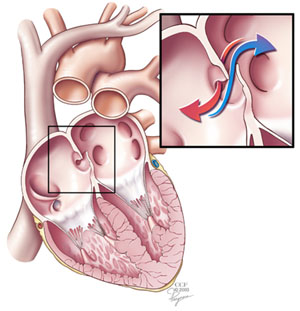
Ironically at this time of emotional strengthening, I have found out that, as I always suspected, I do indeed have a hole in my heart hahaha. No seriously, I do, it is a hole in the wall of my atria. It’s called a Patent Foramen Ovale. Everyone has it as a fetus, but it closes for most people at birth. For up to 25% of people, it doesn’t close, I am one of the 25%. Mine is a small hole, blood going mostly from right to left, better than going left to right, as this direction leads to strokes. Speaking of strokes, my MRI that I had done due to the concussion last December showed I’d had a tiny stroke in the right hemisphere of my brain, in an area called the nucleus accumbens. Most certainly as a result of a tiny clot going through the hole in my heart and being carried to the brain.
So a little hole in my heart, a tiny stroke, and strength. That’s what I’m made of. It’s scary, but when I get frightened, I tell myself I’ve had this hole all my life, and yes I did have a stroke as a result of the hole in my heart, but it was a tiny one, so much so that I never knew I had it and there were no effects of it whatsoever.
There is a surgery that can be done, a catheter is inserted in your leg vein, taken all the way up into your heart and a membrane is put on the hole in the atrial septum that closes the hole. I may get that done or I may stay with my 1/2 a baby aspirin a day therapy, which acts as an anticoagulant, prohibiting the formation of clots. So hopefully no more strokes, as well, not too many black and blue marks.
So there it it. Strength in the emotional arena, what can only be described as weakness in the physical arena. But lots of strength and a little bit of weakness. I’ll take them both.
With love and hugs,
Samina.
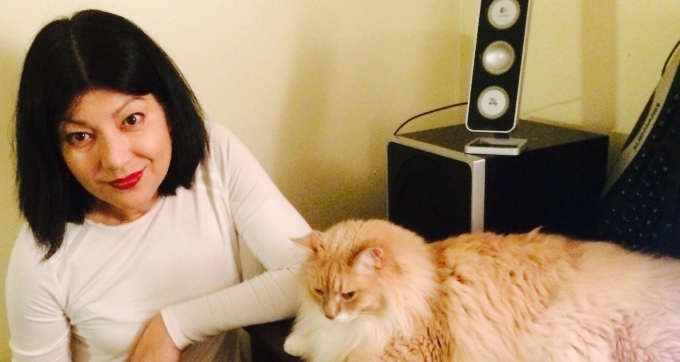
Well I’m back in Buffalo, visiting my son and my baby Leo. At the sight of my son, my heart expands and I feel such love and pride and happiness! He’s been lifting weights in between going to his 3L law classes, and he is quite the little body builder.
I have to say that whatever hard work, sleepless nights, and sometimes extreme worry that went into raising a son, it was worth it, all worth it. I love him quite madly, and I would highly recommend motherhood to anyone who is considering it.
And speaking of motherhood, there was a young mother to be sitting next to me in the plane when I was flying here last night, poor things was not doing well with the turbulence. I remember my pregnancy, 25 years ago! Quite unbelievable. I felt the healthiest, bounciest, most energetic I’ve ever felt in my life! Should have had 5 more, hahaha.
Another very valuable and salient article I found reading online. It’s helping me heal scars and I hope it is helpful to my readers as well. My good Facebook friend Sal has asked me to write an article about acceptance, patience, understanding, love and friendship in relation to helping a friend with mental illness. Something that should be right up my alley and I will do it soon. 💞😄
https://www.psychologytoday.com/blog/what-mentally-strong-people-dont-do/201601/9-ways-keep-your-personal-power?utm_source=FacebookPost&utm_medium=FBPost&utm_campaign=FBPost
As the author of 13 Things Mentally Strong People Don’t Do, I often hear from people about which of the 13 things they struggle with the most. The second thing on my list—mentally strong people don’t give away their power—is one of the hardest.
For example, a business executive confided that an associate always brings out the worst in him. A stay-at-home parent said her day hinges almost entirely on what type of mood her spouse is in. At some point, almost everyone has given someone else power over the way they think, feel, or behave.
Giving away your personal power robs you of mental strength. But maintaining control in your life requires that you make a conscious choice to take back your power. Before you can create positive change, you need to recognize the ways in which you give your power away.
Here are 9 ways to keep your personal power:
1. Don’t waste energy complaining.
There’s a big difference between complaining and problem-solving. Venting to your friends, family, and co-workers keeps you focused on the problem and prevents you from creating a solution. Grumbling implies that you have no power over your situation, and also shows that you lack power over your attitude.
2. Accept responsibility for how you feel.
Don’t let other people’s behavior dictate your emotions. Saying your mother-in-law makes you feel bad about yourself, or claiming that your boss makes you mad, suggests that they have power over how you feel. Instead, accept that it is up to you to manage your emotions, regardless of how others behave.
3. Establish healthy boundaries.
Giving in to guilt trips, or refusing to speak up for yourself, gives power to other people. Rather than blame them for wasting your time or “forcing” you to do something, recognize that you’re in charge of yourself. Establish healthy physical and emotional boundaries that give you control over how you spend your time and with whom you spend it.
4. Practice forgiveness.
Holding a grudge against someone who has hurt you doesn’t punish the other person—it only punishes you. When you waste valuable time thinking about a person you feel wronged you, it takes away your ability to enjoy the moment.
Forgiving someone is the best way to take back your power. But to be clear, forgiveness isn’t about saying what the person did was OK. It’s about choosing to let go of the hurt and anger that interferes with your ability to enjoy life.
5. Know your values.
When you’re not clear what your values are, you’re at risk of becoming a helpless passenger rather than a confident driver of own life. You’ll be at risk of jumping on board with other people’s ideas and may be easily led astray. Take back your power by acknowledging your values and living true to what’s important to you.
6. Don’t waste time on unproductive thoughts.
Have you ever come home from work and spent the entire evening wishing you didn’t have to go back again tomorrow? Suddenly, you’re giving your eight-hour workday 12 hours of your time. Take control over the thoughts that occupy your mind so you don’t give more brainpower to areas of your life that don’t deserve it.
7. Avoid language that implies you’re a victim.
Saying things like, “I have to work 60 hours a week,” or, “I had no choice but to say yes,” infers that you’re a victim of unfortunate circumstances. While there will certainly be consequences for the decisions you make, acknowledge that you always have choices.
8. Make your self-worth independent of other people’s opinions.
If your self-worth depends on others holding you in high regard, you’ll likely become a people-pleaser. Not everyone needs to like you, nor do they have to agree with your lifestyle. Evaluate the merit of criticism you receive, but never allow any one person’s opinion determine your self-worth.
9. Be willing to stand out from the crowd.
Self-doubt and fear can lead you to want to blend in with those around you. But trying to fit in with the crowd will cause you to disguise who you really are. Trust that you’re mentally strong enough to stand out and dare to be different.

 Palestine WILL Be Free