Posts
Most Unfortunate September
 A disastrous visit.
An occurrence in Buffalo.
Some disappointing things that happened.
My brother’s birthday.
Another incident.
Yet another incident.
Taking warrior Leo to veterinarian. He fought tooth and nail and he is STRONG!
And it’s fall, usually the time for me to get hypomanic 😟
And believe me none of the things listed above were minor. I’m just not at liberty to talk about them here. However I do know that I overreact when my mood is off, so that may also have made things seem more awful than they truly were. In any case, I have been through the wringer and my mood has taken a hit.
With all of the above happening, I feel absolutely SICK! In bed. My butt is whooped! . Calling my doctor on Monday. If I have to get myself hospitalized, I will. Wish me luck. And a quick recovery, please, yes a quick recovery, more than anything else.
Prince Harry: I will dedicate my life to helping mentally ill ex-servicemen and women
He’s a true prince, charming, kind, compassionate and he seems to have found his calling in supporting the veterans of war who grapple with mental illness.
Prince Harry: I will dedicate my life to helping mentally ill ex-servicemen and women
Prince Harry calls for better approach to mental health as he joins injured veterans for ‘Walk of Britain’
By Lucy Clarke-Billings
5:23PM BST 30 Sep 2015
The 31-year-old Prince is patron of the Walk of Britain 2015: Walking With The Wounded and said as country ‘we need to do more’
Prince Harry says he wants to dedicate the rest of his life to working with ex-servicemen fighting mental health problems, as he reveals he feels lucky to have escaped Afghanistan alive.
As he prepared to join injured veterans on part of their 1,000 mile walk across Britain, the Prince said more needs to be done to help personnel with “hidden” injuries.
The 31-year-old is patron of the Walking With The Wounded Walk of Britain and today said as country “we need to do more” to get rid of the stigma surrounding mental health issues.
Prince Harry joins Walking with the Wounded’s Walk of Britain team at Ludlow Castle in Shrophire as they trek the length of the country on their own personal roads.
He has previously spoken of the “very difficult” transition to civilian life that former service personnel face, particularly those who carry the scars and burdens of the war.
“That military banter never goes, that dark sense of humour will always be there,”
And in an interview with ITV News he has made clear his life-long commitment to helping people battling to overcome grievous injuries, both physical and mental, suffered in the line of duty.
“Mental health is a sensitive subject but it doesn’t need to be,” he said. “We need to talk about it more, get rid of the stigma.
“What better people to bring that to the forefront than these guys? They are mentally strong and they are willing to talk about it.
“I love spending time with these guys. I like to think I know roughly what they’re going through as well. It’s hard to say that because everyone is unique but the main focus, from my point of view, for the rest of my life anyway is to make sure they get the best support possible because I know, and more people are starting to see, how valuable they are within society.
Prince Harry takes a break to play some American Football with NFL representative Dan Marino
Prince Harry takes a break to play some American Football with NFL representative Dan Marino Getty Images
“Whether it’s in this country, or the USA, they are the best people on this planet to bring people together, to improve communities. I think it’s something people need to take notice of.”
Prince Harry also said he missed parts of the army and feels a strong connection to his comrades.
“I miss parts of it,” he said. “That’s another reason why I will be involved with these guys for the rest of my life.
“Because that military banter never goes, that dark sense of humour will always be there. We’ll get into trouble together.”
And while he says an unbreakable sense of patriotism keeps you going, you always feel lucky to return home safe and well.
“If you’re lucky enough to be able to serve your country then you don’t think of anything else,” he said. “Even when these guys are getting injured, the first thought is in their mind is ‘Christ it’s happened to me’.
“You never believe it will happen to you. Of course you believe you’re lucky but let’s not forget the families who are put through that pain and stress as well.”
The prince lent his support to the six-strong team who have taken on the 1,000 mile walk across the country.
The five men and a woman, including two ex-US Marines, are all battling with different injuries, both physical and mental.
Among them are three victims of IED blasts in Afghanistan, amputees and two who suffered traumatic brain injuries. Another lost an eye.
“Of course you believe you’re lucky, but let’s not forget the families who are put through that pain and stress as well,”
Speaking ahead of today’s walk, the Prince said he was “hugely looking forward” to joining the team on their “formidable” challenge.
Today’s section has been taking the team through the picturesque English countryside near Ludlow in Shropshire.
He praised the members of the public who’ve been putting hard-earned money in the donation buckets as the marchers make their way around Britain.
“The support has been amazing,” he said. “People come out to give money and then when they hear what it’s for they put another £20 in.”
And for Prince Harry, spending time with the veterans on the march was the perfect day for him.
“You just have to chat to these guys for five minutes to appreciate what they can still contribute,” he said.
“What’s important is to recognise that the mental health support for these guys, former servicemen and women is there. They have served their country. They have put their lives on the line for their country.”
As he made his way out of a small wood near Craven Arms, jokingly complaining that his legs hurt, he talked about the number of empty homes that can be used in part for homeless veterans.
Prince Harry shows off his beard as he participates in the Walking with the Wounded hike
The prince has always supported the charity since its formation James Watkins/WENN.com
“That’s why I was so happy we did he DIYSOS building, getting together to help house veterans.”
Part of the walk took them through Onibury where Vicky Bailey, 37, who had just picked up her son Miles Bailey from school, stopped him and handed over £5.
“I think he is amazing and what he does is really good,” she said. “Seeing that landlords are giving up homes for veterans who don’t have homes and jobs to go to is great. I hope he keeps up the good work.”
Further along the road Daniel Evans, 30, put a couple of pounds in the bucket and showing off his five month old son to Harry was teased by the prince, “That’s not how you hold a baby.”
But he declined the option to hold him.
On the outskirts of Onibury Harry stopped to play some American football.
The trek started in Scotland in August and is set to take 72 days, finishing at Buckingham Palace on November 1.
Harry has supported WWTW since the charity was formed, taking part in its treks to the North Pole in 2011 and South Pole in 2013.
He was also patron of its Everest expedition in 2012.
Back in Louisville
And I miss my son. I am beyond thrilled that he has a job as an immigration lawyer, the setting is a bit Seinfeldesque! In fact, I told him to write down everything and turn it into a TV show, it definitely can be done, somethings that happen are quite outrageous…
But anyway, I miss him. His energy, his laughter, his passion, I miss him. Just the fate of mothers, you make them with your own body, you nurture them and raise them, and love them, and of course all the time you are doing that, they are becoming independent. And that is truly your aim, who wants a grown son too afraid to leave home, too afraid to fly? But when they are gone, it is heartbreaking. You worry for their safety, (there were break ins at his apartment complex the last few nights) you miss their bright, shining faces, you miss talking to them, hugging them. Is this the way it will always be?
I know my son’s childhood is over, he has joined the workforce as a young and competent lawyer and yes I am thrilled, but I am also sad. We will never live in the same house again as a family, I will only see him when I visit him.
I think it is time to start getting busy instead of wallowing in misery, especially when everything is going so well with my son!

Here’s What It’s Like To Live As A Nonviolent Psychopath
This is absolutely fascinating! This neuroscientist was studying Alzheimer’s and using the brain scans of his healthy family members as controls. At the same time, he was also looking at brain scans of psychopaths, just to study them. He noticed that somehow one of the psychopath’s brain scans had become mixed in with his family’s scans. So he looked at the numbers to identify which scan was whose. What he found out was stunning, it was no mixup, the psychopath’s brain scan that was in his family’s scans was in fact his own! He was a psychopath! After finding this out, he talked to his friends and family and even his psychiatrists and psychologists, and they all said they were not surprised. His doctors said they had told him as much many rears ago! Read his fascinating story below!
 James Fallon
In 2005, James Fallon’s life started to resemble the plot of a well-honed joke or big-screen thriller: A neuroscientist is working in his laboratory one day when he thinks he has stumbled upon a big mistake.
He is researching Alzheimer’s and using his healthy family members’ brain scans as a control, while simultaneously reviewing the fMRIs of murderous psychopaths for a side project. It appears, though, that one of the killers’ scans has been shuffled into the wrong batch.
The scans are anonymously labeled, so the researcher has a technician break the code to identify the individual in his family, and place his or her scan in its proper place. When he sees the results, however, Fallon immediately orders the technician to double check the code. But no mistake has been made: The brain scan that mirrors those of the psychopaths is his own.
After discovering that he had the brain of a psychopath, Fallon delved into his family tree and spoke with experts, colleagues, relatives, and friends to see if his behavior matched up with the imaging in front of him. He not only learned that few people were surprised at the outcome, but that the boundary separating him from dangerous criminals was less determinate than he presumed. Fallon wrote about his research and findings in the book The Psychopath Inside: A Neuroscientist’s Personal Journey Into the Dark Side of the Brain, and we spoke about the idea of nature versus nurture, and what—if anything—can be done for people whose biology might betray their behavior.
One of the first things you talk about in your book is the often unrealistic or ridiculous ways that psychopaths are portrayed in film and television. Why did you decide to share your story and risk being lumped in with all of that?
I’m a basic neuroscientist—stem cells, growth factors, imaging genetics—that sort of thing. When I found out about my scan, I kind of let it go after I saw that the rest of my family’s were quite normal. I was worried about Alzheimer’s, especially along my wife’s side, and we were concerned about our kids and grandkids. Then my lab was busy doing gene discovery for schizophrenia and Alzheimer’s and launching a biotech start-up from our research on adult stem cells. We won an award and I was so involved with other things that I didn’t actually look at my results for a couple of years.
This personal experience really had me look into a field that I was only tangentially related to, and burnished into my mind the importance of genes and the environment on a molecular level. For specific genes, those interactions can really explain behavior. And what is hidden under my personal story is a discussion about the effect of bullying, abuse, and street violence on kids.
You used to believe that people were roughly 80 percent the result of genetics, and 20 percent the result of their environment. How did this discovery cause a shift in your thinking?
I went into this with the bias of a scientist who believed, for many years, that genetics were very, very dominant in who people are—that your genes would tell you who you were going to be. It’s not that I no longer think that biology, which includes genetics, is a major determinant; I just never knew how profoundly an early environment could affect somebody.
While I was writing this book, my mother started to tell me more things about myself. She said she had never told me or my father how weird I was at certain points in my youth, even though I was a happy-go-lucky kind of kid. And as I was growing up, people all throughout my life said I could be some kind of gang leader or Mafioso don because of certain behavior. Some parents forbade their children from hanging out with me. They’d wonder how I turned out so well—a family guy, successful, professional, never been to jail and all that.
I asked everybody that I knew, including psychiatrists and geneticists that have known me for a long time, and knew my bad behavior, what they thought. They went through very specific things that I had done over the years and said, “That’s psychopathic.” I asked them why they didn’t tell me and they said, “We did tell you. We’ve all been telling you.” I argued that they had called me “crazy,” and they all said, “No. We said you’re psychopathic.”
I found out that I happened to have a series of genetic alleles, “warrior genes,” that had to do with serotonin and were thought to be at risk for aggression, violence, and low emotional and interpersonal empathy—if you’re raised in an abusive environment. But if you’re raised in a very positive environment, that can have the effect of offsetting the negative effects of some of the other genes.

I had some geneticists and psychiatrists who didn’t know me examine me independently, and look at the whole series of disorders I’ve had throughout my life. None of them have been severe; I’ve had the mild form of things like anxiety disorder and OCD, but it lined up with my genetics.
The scientists said, “For one, you might never have been born.” My mother had miscarried several times and there probably were some genetic errors. They also said that if I hadn’t been treated so well, I probably wouldn’t have made it out of being a teenager. I would have committed suicide or have gotten killed, because I would have been a violent guy.
How did you react to hearing all of this?
I said, “Well, I don’t care.” And they said, “That proves that you have a fair dose of psychopathy.” Scientists don’t like to be wrong, and I’m narcissistic so I hate to be wrong, but when the answer is there before you, you have to suck it up, admit it, and move on. I couldn’t. I started reacting with narcissism, saying, “Okay, I bet I can beat this. Watch me and I’ll be better.”
Then I realized my own narcissism was driving that response. If you knew me, you’d probably say, “Oh, he’s a fun guy”–or maybe, “He’s a big-mouth and a blowhard narcissist”—but I also think you’d say, “All in all, he’s interesting, and smart, and okay.” But here’s the thing—the closer to me you are, the worse it gets. Even though I have a number of very good friends, they have all ultimately told me over the past two years when I asked them—and they were consistent even though they hadn’t talked to each other—that I do things that are quite irresponsible. It’s not like I say, Go get into trouble. I say, Jump in the water with me.
What’s an example of that, and how do you come back from hurting someone in that way?
For me, because I need these buzzes, I get into dangerous situations. Years ago, when I worked at the University of Nairobi Hospital, a few doctors had told me about AIDS in the region as well as the Marburg virus. They said a guy had come in who was bleeding out of his nose and ears, and that he had been up in the Elgon, in the Kitum Caves.
I thought, “Oh, that’s where the elephants go,” and I knew I had to visit. I would have gone alone, but my brother was there. I told him it was an epic trek to where the old matriarch elephants went to retrieve minerals in the caves, but I didn’t mention anything else. When we got there, there was a lot of rebel activity on the mountain, so there was nobody in the park except for one guard.
So we just went in. There were all these rare animals and it was tremendous, but also, this guy had died from Marburg after being here, and nobody knew exactly how he’d gotten it. I knew his path and followed it to see where he camped. That night, we wrapped ourselves around a fire because there were lions and all these other animals. We were jumping around and waving sticks on fire at the animals in the absolute dark.
My brother was going crazy and I joked, “I have to put my head inside of yours because I have a family and you don’t, so if a lion comes and bites one of our necks, it’s gotta be you.” Again, I was joking around, but it was a real danger. The next day, we walked into the Kitum Caves and you could see where rocks had been knocked over by the elephants. There was also the smell of all of this animal dung—and that’s where the guy got the Marburg; scientists didn’t know whether it was the dung or the bats.
A bit later, my brother read an article in The New Yorker about Marburg, which inspired the movie Outbreak. He asked me if I knew about it. I said, “Yeah. Wasn’t it exciting? Nobody gets to do this trip.” And he called me names and said, “Not exciting enough. We could’ve gotten Marburg; we could have gotten killed every two seconds.” All of my brothers have a lot of machismo and brio; you’ve got to be a tough guy in our family. But deep inside, I don’t think that my brother fundamentally trusts me after that. And why should he, right? To me, it was nothing. After all of this research, I started to think of this experience as an opportunity to do something good out of being kind of a jerk my entire life. Instead of trying to fundamentally change—because it’s very difficult to change anything—I wanted to use what could be considered faults, like narcissism, to an advantage; to do something good.
What has that involved?
I started with simple things of how I interact with my wife, my sister, and my mother. Even though they’ve always been close to me, I don’t treat them all that well. I treat strangers pretty well—really well, and people tend to like me when they meet me—but I treat my family the same way, like they’re just somebody at a bar. I treat them well, but I don’t treat them in a special way. That’s the big problem.
I asked them this—it’s not something a person will tell you spontaneously—but they said, “I give you everything. I give you all this love and you really don’t give it back.” They all said it, and that sure bothered me. So I wanted to see if I could change. I don’t believe it, but I’m going to try.
In order to do that, every time I started to do something, I had to think about it, look at it, and go: No. Don’t do the selfish thing or the self-serving thing. Step-by-step, that’s what I’ve been doing for about a year and a half and they all like it. Their basic response is: We know you don’t really mean it, but we still like it.
I told them, “You’ve got to be kidding me. You accept this? It’s phony!” And they said, “No, it’s okay. If you treat people better it means you care enough to try.” It blew me away then and still blows me away now.
But treating everyone the same isn’t necessarily a bad thing, is it? Is it just that the people close to you want more from you?
Yes. They absolutely expect and demand more. It’s a kind of cruelty, a kind of abuse, because you’re not giving them that love. My wife to this day says it’s hard to be with me at parties because I’ve got all these people around me, and I’ll leave her or other people in the cold. She is not a selfish person, but I can see how it can really work on somebody.
I gave a talk two years ago in India at the Mumbai LitFest on personality disorders and psychopathy, and we also had a historian from Oxford talk about violence against women in terms of the brain and social development. After it was over, a woman came up to me and asked if we could talk. She was a psychiatrist but also a science writer and said, “You said that you live in a flat emotional world—that is, that you treat everybody the same. That’s Buddhist.” I don’t know anything about Buddhism but she continued on and said, “It’s too bad that the people close to you are so disappointed in being close to you. Any learned Buddhist would think this was great.” I don’t know what to do with that.
Sometimes the truth is not just that it hurts, but that it’s just so disappointing. You want to believe in romance and have romance in your life—even the most hardcore, cold intellectual wants the romantic notion. It kind of makes life worth living. But with these kinds of things, you really start thinking about what a machine it means we are—what it means that some of us don’t need those feelings, while some of us need them so much. It destroys the romantic fabric of society in a way.
So what I do, in this situation, is think: How do I treat the people in my life as if I’m their son, or their brother, or their husband? It’s about going the extra mile for them so that they know I know this is the right thing to do. I know when the situation comes up, but my gut instinct is to do something selfish. Instead, I slow down and try to think about it. It’s like dumb behavioral modification; there’s no finesse to this, but I said, well, why does there have to be finesse? I’m trying to treat it as a straightaway thing, when the situation comes up, to realize there’s a chance that I might be wrong, or reacting in a poor way, or without any sort of love—like a human.
A few years ago there was an article in The New York Times called, “Can You Call a 9-Year-Old a Psychopath?” The subject was a boy named Michael whose family was concerned about him—he’d been diagnosed with several disorders and eventually deemed a possible psychopath by Dan Waschbusch, a researcher at Florida International University who studies “callous unemotional children.” Dr. Waschbusch examines these children in hopes of finding possible treatment or rehabilitation. You mentioned earlier that you don’t believe people can fundamentally change; what is your take on this research?
In the 70’s, when I was still a post-doc student and a young professor, I started working with some psychiatrists and neurologists who would tell me that they could identify a probable psychopath when he or she was only 2 or 3 years old. I asked them why they didn’t tell the parents and they said, “There’s no way I’m going to tell anybody. First of all, you can’t be sure; second of all, it could destroy the kid’s life; and third of all, the media and the whole family will be at your door with sticks and knives.” So, when Dr. Waschbusch came out two years ago, it was like, “My god. He actually said it.” This was something that all psychiatrists and neurologists in the field knew—especially if they were pediatric psychologists and had the full trajectory of a kid’s life. It can be recognized very, very early—certainly before 9-years-old—but by that time the question of how to un-ring the bell is a tough one.
My bias is that even though I work in growth factors, plasticity, memory, and learning, I think the whole idea of plasticity in adults—or really after puberty—is so overblown. No one knows if the changes that have been shown are permanent and it doesn’t count if it’s only temporary. It’s like the Mozart Effect—sure, there are studies saying there is plasticity in the brain using a sound stimulation or electrical stimulation, but talk to this person in a year or two. Has anything really changed? An entire cottage industry was made from playing Mozart to pregnant women’s abdomens. That’s how the idea of plasticity gets out of hand. I think people can change if they devote their whole life to the one thing and stop all the other parts of their life, but that’s what people can’t do. You can have behavioral plasticity and maybe change behavior with parallel brain circuitry, but the number of times this happens is really rare.
So I really still doubt plasticity. I’m trying to do it by devoting myself to this one thing—to being a nice guy to the people that are close to me—but it’s a sort of game that I’m playing with myself because I don’t really believe it can be done, and it’s a challenge.
In some ways, though, the stakes are different for you because you’re not violent—and isn’t that the concern? Relative to your own life, your attempts to change may positively impact your relationships with your friends, family, and colleagues. But in the case of possibly violent people, they may harm others.
The jump from being a “prosocial” psychopath or somebody on the edge who doesn’t act out violently, to someone who really is a real, criminal predator is not clear. For me, I think I was protected because I was brought up in an upper-middle-class, educated environment with very supportive men and women in my family. So there may be a mass convergence of genetics and environment over a long period of time. But what would happen if I lost my family or lost my job; what would I then become? That’s the test.
For people who have the fundamental biology—the genetics, the brain patterns, and that early existence of trauma—first of all, if they’re abused they’re going to be pissed off and have a sense of revenge: I don’t care what happens to the world because I’m getting even. But a real, primary psychopath doesn’t need that. They’re just predators who don’t need to be angry at all; they do these things because of some fundamental lack of connection with the human race, and with individuals, and so on.
Someone who has money, and sex, and rock and roll, and everything they want may still be psychopathic—but they may just manipulate people, or use people, and not kill them. They may hurt others, but not in a violent way. Most people care about violence—that’s the thing. People may say, “Oh, this very bad investment counselor was a psychopath”—but the essential difference in criminality between that and murder is something we all hate and we all fear. It just isn’t known if there is some ultimate trigger.
And though there isn’t an absolute “fix,” you talk about the importance of the “fourth trimester”—the months following a baby’s birth when bonding is key. What are other really crucial moments where you can see how someone may be at risk, or where this convergence of genetics and environment might be crucial for intervention, or at least identifying what is happening?
There are some critical periods in human development. For the epigenome, the first moment is the moment of conception. That is when the genetics are very vulnerable to methylation and, therefore, the effects of a harsh environment: the mother under stress, the mother taking drugs, alcohol, and things like that. The second greatest susceptibility is the moment of birth and, of course, there are the third and fourth trimesters. After that, there is a slow sort of susceptibility curve that goes down.
The first two years of life are critical if you overlap them with the emergence of what are called complex adaptive behaviors. When children are born they have some natural kinds of genetic programming. For example, a kid will show certain kinds of fear—of certain people, then of strangers, then it’s acceptance of people—that’s complex-adaptive behavior at work in social interactions. But even laughing, and smiling, and making raspberry sounds are all complex-adaptive behaviors, and they will emerge automatically. You don’t need to be taught these things.
One idea is that over the first three years there are 350 very early complex adaptive behaviors that go in sequence, but if somehow you’re interrupted with a stressor, it will affect that particular behavior that’s emerging or just about to emerge. It could be at a year and half, 3 months, or 12 months. After that, the effects of environment really start to drop; by the time you start hitting puberty, you kind of get locked in. And during puberty your frontal lobe system does a switch.

Before puberty, a lot of your brain–your frontal lobe and its connections—has to do with the orbital cortex, amygdala, and that lower half of the brain that controls emotional regulation. It is also the origin of people’s natural sense of morality, when they learn regulation and the rules of the game, which are ethics. Before then, generally, a normal kid is very much living in a world of id—eating, drinking, some sexuality—but they’re also extremely moralistic. So, those are two things that are fighting each other those first years.

Then, there’s a switch that occurs late in adolescence. For some people it could be 17, 18, 19, or 20-years-old. What happens is that the upper part of the brain, the frontal lobe and its connections, start to mature. That’s a critical time because that’s usually when you see schizophrenia, some forms of depression, and those major psychiatric disorders emerge. For personality disorders it’s not really known when they will emerge because it’s very understudied. People will say, you can’t do anything about it, it’s locked in and there seems to be almost no treatment. Whereas, for things like depression, bipolar, schizophrenia, anxiety disorders, you can do something about it. There are drugs, or things you can do with brain stimulation and talk therapy, so that’s where Big Pharma and the whole industry goes.
You start to really see personality disorders emerge around puberty, but for some children who might be primary psychopaths—that is, they have all the genes and their brain sort of set in the third trimester—this can start emerging very early, around 2 or 3-years-old. That is why we have to have more trained eyes—because that is where this becomes important for society.
A primary psychopath won’t necessarily be dangerous, but if we can see that in a kid, we can tell parents to look for certain kinds of behavior. And if those behaviors emerge, we can safely discuss, protecting the privacy of that family and of the kid, how to have the child interact with a nurse practitioner or a trained professional. At that point, we can say: Make sure this kid is never bullied in school; keep them away from street violence, on and on.
A lot of kids, most kids, get bullied and they may get pissed off, but that doesn’t create a personality disorder. But there are 20 percent of kids who are really susceptible and they may ultimately be triggered for a personality disorder in puberty. If we know these children can be helped by making sure that they aren’t abused or abandoned—because you’ve got to get there really early—well, then, that would be important to do. I don’t mean to preach.
Well, go into the idea of preaching a little. You make a kind of grandiose statement at the beginning of your book that research into psychopaths, even with all of the privacy concerns, could have great implications for things from parenting to World Peace. What does that mean?
It means, for example, that if you have to go to war, and sometimes you probably have to go to war—I’m not talking about a belligerent country starting war or fomenting discord, but if youhave to go to war and to engage infantry—you do not send 18-year-olds into it, because their brains aren’t set. They don’t know how to adjudicate what’s happening emotionally and hormonally with the intellectualization of it. When you’re 20, 25, it’s a different matter because things gel a little more. Our emotions don’t get away from us as much in terms of what is happening. Other factors, sociological ones like what soldiers return to, are also important, but we’re not going to get rid of war any time soon, so we might as well engage in a way that does the least amount of damage.
In terms of legal action, you’ve been used as a researcher for court cases—not to determine guilt or innocence, but for sentencing. Do you think there’s a moral boundary for that since we don’t have enough knowledge on this field yet to determine guilt or innocence?
We don’t have enough research. You can’t just take genetics—even though I’m a big proponent of it—or imaging, and tell if someone’s a criminal or a psychopath. If you put together all that information, you could explain a lot of behavior and causality and early abuse—but we don’t know enough.
So, when I get a case to look at, first of all, I don’t accept money—and it’s not because I’m a nice guy. It’s because I think I’d be biased. I don’t accept any payment and I don’t want to know who the person is.We all try to create a story or narrative, and I’m just as weak as anybody. I’ll tell the defense attorney, or public defender, or whoever it is to just send me scans, maybe with normal scans to try to throw me off, and then I’ll look at them and discuss what the traits of the person might be based on the lack of activity in certain areas or not.
I can usually say, “Oh, this person might have a language problem,” or “This person might have trouble with impulsivity.” After all of that analysis is there, we can look at their traits and see what they’ve done.
We’ve talked a lot about how to support a child that might be psychopathic, but what if the parent is the one whose brain resembles that of a psychopath? For example, what was it like for you to form attachments with your own children?
During the time when our kids were the most vulnerable, they remember a magical time with me. In talking about this, our three oldest children have said they thought I was the warm one who was always around and always interacting with them, and they don’t understand how I could say that I was cold to them. But my wife and I were 21 when we got married. Things started changing for me when I was about 19 or 20-years-old, and it was really in my late 20s when the kids were older and took care of themselves more, that I took on a lot of these psychopathic qualities—though early on I clearly had some. My actual behavior didn’t go south until later on, and I think my wife’s stability kept things together.
Some people have this psychopathy or are almost psychopaths, and they get into trouble and go right to jail and end up in the prison system as 18-year-olds. It’s awful because they get unlucky and they don’t have enough impulse control to pull it back at the last instant. So, what is that edge where somebody’s got these traits, and they are impulsive? What puts one guy on a pathway to becoming an attorney or successful in general, and the other one has life in prison? We just have to find out what that edge is. I think we will have parameters to work with, but it’s not the same for everybody.
Read the original article on The Atlantic. Check out The Atlantic’s Facebook, newsletters and feeds. Copyright 2014. Follow The Atlantic on Twitter.
Unfortunately a Taste of Antisocial Personality Disorder

Having a relationship with a person with Antisocial Personality Disorder (ASPD) can leave you feeling like you have no idea what happened, or like you may have been hit by a Mack truck, but you’re not quite sure if you have, or maybe the person is perfectly fine and right but it is you who is all wrong and definitely all crazy. But, really, don’t believe it, these people are master manipulators and will have you under their control and eating out of their hand in no time at all. You are not a sociopath, so you are not engaging in these controlling, manipulating behaviors. My psychiatrist asked me to look up Antisocial personality disorder upon hearing about some of the behavior of one of my “friends”! I did and lo and behold, this friend of mine was staring at me from the Mayo Clinic ASPD page. Well it’s good to finally know what was going on all the time, in interactions with this friend, why I felt strange and controlled and felt like normal rules didn’t apply in our friendship. Knowledge is power. I know therefore I am armed against such manipulative, damaging people.
I have put all there was in the Mayo Clinic ASPD pages below, so others can learn and protect themselves against this awful personality disorder. I even wish my friends who suffer from this can gain some insight from this post and perhaps get some help.
Love and peace.
http://www.mayoclinic.org/diseases-conditions/antisocial-personality-disorder/home/ovc-20198975
Overview
Individuals with antisocial personality disorder often violate the law, becoming criminals. They may lie, behave violently or impulsively, and have problems with drug and alcohol use. Because of these characteristics, people with this disorder typically can’t fulfill responsibilities related to family, work or school.
Symptoms and causes
Symptoms
Antisocial personality disorder signs and symptoms may include:
- Disregard for right and wrong
- Persistent lying or deceit to exploit others
- Being callous, cynical and disrespectful of others
- Using charm or wit to manipulate others for personal gain or personal pleasure
- Arrogance, a sense of superiority and being extremely opinionated
- Recurring problems with the law, including criminal behavior
- Repeatedly violating the rights of others through intimidation and dishonesty
- Impulsiveness or failure to plan ahead
- Hostility, significant irritability, agitation, aggression or violence
- Lack of empathy for others and lack of remorse about harming others
- Unnecessary risk-taking or dangerous behavior with no regard for the safety of self or others
- Poor or abusive relationships
- Failure to consider the negative consequences of behavior or learn from them
- Being consistently irresponsible and repeatedly failing to fulfill work or financial obligations
Adults with antisocial personality disorder typically show symptoms of conduct disorder before the age of 15. Signs and symptoms of conduct disorder include serious, persistent behavior problems, such as:
- Aggression toward people and animals
- Destruction of property
- Deceitfulness
- Theft
- Serious violation of rules
Although antisocial personality disorder is considered lifelong, in some people, certain symptoms — particularly destructive and criminal behavior — may decrease over time. But it’s not clear whether this decrease is a result of aging or an increased awareness of the consequences of antisocial behavior.
When to see a doctor
People with antisocial personality disorder are likely to seek help only at the urging of loved ones. If you suspect a friend or family member may have the disorder, you might gently suggest that the person seek medical attention, starting with a primary care physician or mental health professional.
Causes
Personality is the combination of thoughts, emotions and behaviors that makes everyone unique. It’s the way people view, understand and relate to the outside world, as well as how they see themselves. Personality forms during childhood, shaped through an interaction of inherited tendencies and environmental factors.
The exact cause of antisocial personality disorder isn’t known, but:
- Genes may make you vulnerable to developing antisocial personality disorder — and life situations may trigger its development
- Changes in the way the brain functions may have resulted during brain development
Risk factors
Certain factors seem to increase the risk of developing antisocial personality disorder, such as:
- Diagnosis of childhood conduct disorder
- Family history of antisocial personality disorder or other personality disorders or mental illness
- Being subjected to abuse or neglect during childhood
- Unstable, violent or chaotic family life during childhood
Men are at greater risk of having antisocial personality disorder than women are.
Complications
Complications, consequences and problems of antisocial personality disorder may include, for example:
- Spouse abuse or child abuse or neglect
- Alcohol or substance abuse
- Being in jail or prison
- Homicidal or suicidal behaviors
- Having other mental health disorders such as depression or anxiety
- Low social and economic status, and homelessness
- Gang participation
- Premature death, usually as a result of violence
-
Diagnosis
People with antisocial personality disorder are unlikely to believe they need help. However, they may seek help from their health care provider because of other symptoms such as depression, anxiety or angry outbursts or for treatment of substance abuse.
People with antisocial personality disorder may not provide an accurate account of signs and symptoms. A key factor in diagnosis is how the affected person relates to others. With permission, family and friends may be able to provide helpful information.
After a medical evaluation to help rule out other medical conditions, the health care provider may make a referral to a mental health professional for further evaluation.Diagnosis of antisocial personality disorder is typically based on:
- A psychological evaluation that explores thoughts, feelings, relationships, behavior patterns and family history
- Personal and medical history
- Symptoms listed in the Diagnostic and Statistical Manual of Mental Disorders (DSM-5), published by the American Psychiatric Association
Though typically antisocial personality disorder isn’t diagnosed before age 18, some signs and symptoms may occur in childhood or the early teen years. Usually there is evidence of conduct disorder symptoms before age 15.
Identifying antisocial personality disorder early may help improve long-term outcomes.
Treatment
Treatment depends on each person’s particular situation, their willingness to participate in treatment and the severity of symptoms.
Psychotherapy
Psychotherapy, also called talk therapy, is sometimes used to treat antisocial personality disorder. Therapy may include, for example, anger and violence management, treatment for substance abuse, and treatment for other mental health conditions.
But psychotherapy is not always effective, especially if symptoms are severe and the person can’t admit that he or she contributes to serious problems.
Medications
There are no medications specifically approved by the Food and Drug Administration to treat antisocial personality disorder. Doctors may prescribe medications for conditions sometimes associated with antisocial personality disorder, such as anxiety or depression, or for symptoms of aggression. Drugs are usually prescribed cautiously because some have the potential for misuse.
Clinical trials
Part of Mayo Clinic’s commitment to its patients involves conducting medical research that helps people live longer, healthier lives. Clinical trials are research studies that involve volunteer participants. These human studies help doctors better understand diagnose, treat, and prevent diseases or conditions.Mayo Clinic has thousands of active clinical trials and research studies; and coordinates national clinical trials with other medical centers. See Mayo’s clinical trials website and search for a study by condition, treatment or drug name.
Mayo Clinic researchers continually develop new studies, so ask your health care provider about clinical studies or visit ClinicalTrials.gov to learn about additional research opportunities.
Preparing for your appointment
If a medical evaluation rules out physical causes for your behavior, your primary care doctor may make a referral to a psychiatrist.
Take a family member or friend along to your appointment, if possible. With your permission, someone who has known you for a long time may be able to answer questions or share information with the doctor that you don’t think to bring up.
What you can do
Before your appointment, make a list of:
- Any symptoms you or your family noticed, and for how long
- Key personal and medical information, including current physical or mental health conditions, personal or family history of mental illness, traumatic experiences or major stressors
- All medications you take, including the names and doses of any medications, herbs, vitamins or other supplements
- Questions you want to ask your doctor to make the most of your appointment
Some basic questions to ask your doctor include:
- What is likely causing my symptoms?
- What are other possible causes?
- What treatments are most likely to be effective for me?
- How much can I expect my symptoms to improve with treatment?
- How often will I need treatment, and for how long?
- Are there medications that can help? Is so, what are the possible side effects?
- Is there a generic alternative to the medication you’re prescribing?
- Are there any printed materials I can have? What websites do you recommend?
Don’t hesitate to ask any other questions during your appointment.
What to expect from your doctor
Your doctor is likely to ask you a number of questions, such as:
- What are your symptoms?
- When did you or your family first notice these symptoms?
- How are your symptoms affecting your life?
- Have relatives or friends expressed concern about your behavior?
- Do you have any close relationships?
- If you’re not satisfied with work, school or relationships, what do you think is causing your problems?
- Have you ever thought about harming yourself or others? Have you ever actually done so?
- Have any of your close relatives been diagnosed or treated for mental illness?
Be ready to answer these questions to reserve time to go over points you want to spend more time on.
Self-management
Coping and support
Skills for family members
People with antisocial personality disorder often act out and make other people miserable — with no feeling of remorse. If you have a loved one with antisocial personality disorder, it’s critical that you also get help for yourself.
A mental health professional can teach you skills to learn how to set boundaries and help protect yourself from the aggression, violence and anger common to antisocial personality disorder. They can also recommend strategies for coping.
Seek a mental health professional who has training and experience in managing antisocial personality disorder. Ask your loved one’s treatment team for a referral. They may also be able to recommend support groups for families and friends affected by antisocial personality disorder.
Prevention
There’s no sure way to prevent antisocial personality
And more on the website.
Powered-Up Probe ID’s Schizophrenia Genes That Stunt Brain Development
A massive study involving pharmaceutical companies, universities, brain banks and a foundation brought together the largest largest collection of schizophrenia postmortem brain tissue ever assembled to boost statistical power and the odds of detecting weak genetic signals. They looked at RNA from from a schizophrenia-implicated area of the brain’s executive hub, the dorsolateral prefrontal cortex, in postmortem tissue from 258 people who had schizophrenia and 279 controls. Five genes were found that altered the expression of only one gene. Experimental manipulation of three of those five genes altered brain development in model systems.
Public-Private Psychiatric Data Consortium Debuts Gene Expression Resource
September 27, 2016 • Science Update
Scientists have pinpointed several schizophrenia-related gene variants that alter expression of other genes in illness-implicated circuitry of the human brain. Under-expression of a few of them stunted brain development in model systems in this largest study of its kind.
The study is the first from the CommonMind Consortium (CMC) , a public-private psychiatric research data source co-founded and co-funded by NIMH. The collaboration involving pharmaceutical companies, brain banks, a foundation, and universities brought to bear the largest collection of schizophrenia postmortem brain tissue ever assembled to boost statistical power and the odds of detecting weak genetic signals.
Schizophrenia, which affects nearly one percent of the population, is known to be as much as 80-90 percent heritable, but little is known about its underlying illness processes. Genome-wide studies based on blood samples have linked genetic variation at more than 100 chromosomal sites to the illness, yet each of these confers only a small effect on risk, leaving much of schizophrenia still a mystery.
“As we move from gene discovery – which for risk genes can be done in any tissue – to the human brain, we are able to explore changes in the molecular machinery of the cell, such as gene expression and epigenetic mechanisms, that are impacted by these genetic risk factors,” explained Thomas Lehner, Ph.D., director of the NIMH Office of Genomics Research Coordination, which helped to build the Consortium and fund the project.
A team of 56 researchers, supported by 15 NIMH grants, report on their findings September 26, 2016 in the journal Nature Neuroscience.
Their study characterized genome-wide genetic variation and sequenced an indicator of gene expression, RNA , from a schizophrenia-implicated area of the brain’s executive hub, the dorsolateral prefrontal cortex, in postmortem tissue from 258 people who had schizophrenia and 279 controls. This sample dwarfed those of earlier such studies based on postmortem tissue.
Out of 108 genome sites earlier linked to the illness – schizophrenia’s “skyline” of risk loci – genetic variation at 20 sites was found to potentially regulate the expression of genes. Of those 20, five gene variants were each found to alter expression of only one gene. Experimental manipulation of three of those five genes altered brain development in model systems.
For example, depleting a protein called furin stunted head growth in zebrafish by nearly a fourth. Knocking down the FURIN gene decreased migration of human neurons derived from induced pluripotent stem cells in culture – perhaps suggesting a possible mechanism by which schizophrenia might disrupt the developing brain.
The study also found “subtle but broad disruption in transcription” of genes in schizophrenia, which the researchers say is consistent with the prevailing model of many genes contributing to risk. They also identified a sub-network of about 1,400 genes – including many in genomic sites linked to the illness – coding for components involved in communications between neurons that are “significantly perturbed” in schizophrenia.
Since its sample size was about 10-fold larger than any previous study of its kind, the new study’s much higher statistical power raises questions about some earlier findings. It suggests that some earlier studies based on small samples over-estimated the differential expression of schizophrenia risk genes. Models based on the new data estimate that to ensure enough statistical power to confidently discern differential expression of a suspect schizophrenia risk gene between cases and controls would require, on average, a huge, currently unattainable, sample size of about 28,500.
“This need for more statistical power underscores the importance of expanding resources for collections and public education about the importance of making tissue donations,” noted Lehner.

RNA molecules
Source: National Center for Advancing Translational Sciences (NCATS), National Institutes of Health
Among the brain banks participating in CMC is NIMH’s intramuralHuman Brain Collection Core and its director Barbara Lipska, Ph.D., is a co-author of the article. All results can be accessed via the CommonMind Knowledge Portal (CMC, www.synapse.org/cmc ).
Grants
MH093725, MH066392, MH097276, MH075916, MH09689, MH084053, MH057881, MH057881S, MH085542, MH096296, MH066392, MH101454, MH109677, MH094268, MH074313
Reference
Gene expression elucidates functional impact of polygenic risk for schizophrenia.
Fromer M, Roussos P, Sieberts SK, Johnson JS, Kavanagh DH, Perumal TM, Ruderfer DM, Oh EC, Topol A, Shah HR, Klei LL, Kramer R, Pinto D, Gümüş ZH, Cicek AE, Dang KK, Browne A, Lu C, Xie L, Readhead B, Stahl EA, Xiao J, Parvizi M, Hamamsy T, Fullard JF, Wang YC, Mahajan MC, Derry JM, Dudley JT, Hemby SE, Logsdon BA, Talbot K, Raj T, Bennett DA, De Jager PL, Zhu J, Zhang B, Sullivan PF, Chess A, Purcell SM, Shinobu LA, Mangravite LM, Toyoshiba H, Gur RE, Hahn CG, Lewis DA, Haroutunian V, Peters MA, Lipska BK, Buxbaum JD, Schadt EE, Hirai K, Roeder K, Brennand KJ, Katsanis N, Domenici E, Devlin B, Sklar P. Nat Neurosci. 2016 Sep 26. doi: 10.1038/nn.4399. [Epub ahead of print] PMID: 27668389
How to Be an Optimal Human
 http://blogs.scientificamerican.com/beautiful-minds/how-to-be-an-optimal-human/#What does it take to be an optimal human being?
Throughout history there has been much speculation. For Aristotle, the highest human good was eudaimonia. For Carl Rogers, it was the “fully functioning person”. For Abraham Maslow, it was “self-actualization”. For Erik Erickson, it was wisdom and integrity. For Erich Fromm, it was about having a “being” orientation (in which you value personal growth and love) instead of a “doing” orientation ( in which you value material possessions and status).
But are these theories right? Over the past 30 years or so, a number of contemporary psychologists have experimentally tested various aspects of these theories, and we are starting to get a clearer picture of those who seem to be well-integrated, thriving human beings.* Here I will offer some science-informed prescriptions, in the hopes that it helps you in your own journey toward greater health, growth, and happiness.
1. Strive to balance your basic needs
It turns out that Abraham Maslow was pretty spot on with his proposed list of basic needs (although he did miss a few). A large number of studies have confirmed that humans across cultures have a need for autonomy, competence, relatedness, security, and self-esteem.
Those with high autonomy feel as though they are authors of their own lives, and feel able to freely express their values and develop their identity, talents and interests. Those high in competence and self-esteem feel as though they are making good progress toward their goals, and are receiving positive regard from others. Those high in relatedness and security feel socially connected to others and feel as though they are part of a safe community.
The key prescription here is to strive to balance these basic needs. Without balance, it will be difficult to achieve optimal functioning. For instance, think of the workaholic who is high in autonomy, security, competence, and self-esteem, but has very little social connection with others. Despite high achievement, this person will most likely be prone to feelings of alienation, sadness, and loneliness. As Sheldon notes, “obtaining much need satisfaction may be a shorthand route to optimal human being.”
2. Set and make efficient progress toward self-concordant goals
On the path toward optimal functioning, you will want to set and pursue goals as effectively as possible. It’s important that you feel as though your self is constantly in steady forward motion.
But here’s the thing: this alone will not suffice. Mindlessly setting and efficiently achieving goals will not, by itself, make you happy, healthy, or fulfilled (see here). It’s important that the goals that you set have high “self-concordance”. People with high self-concordant goals have identified goals that are consistent with their identity, basic needs, personality, and talents.
In one study, pursuing goals for self-concordant reasons (because one enjoys and fully identifies with the goals) predicted greater need satisfaction and well-being than pursuing goals for non-concordant reasons (because of environmental pressures and/or internal compulsions). Therefore, for optimal functioning, behavior must be both effective and consistent with inherent basic needs and growth tendencies.
You can imagine a situation in which a highly smart and capable person is forced to go into a field (e.g., medicine) by his parents, but he doesn’t get a sense of autonomy because of the long work hours, and misses his friends. So this isn’t the optimal condition for him in his life. Or consider the person who has the clear talent for something as a child (e.g., playing violin), but never really enjoys what she is doing and never really views it as part of her identity. This, too, will not lead to optimal health, growth, and happiness.
Which is why it’s very important to…
3. Choose your goals and social roles wisely
What kind of goals are more likely to lead to optimal functioning? The research suggests that Fromm was right. Setting extrinsic goals (such as money, beauty and status) tend to make you less happy, whereas attaining intrinsic goals (such as intimacy, community, and personal growth) tend to lead to enhanced well-being. It’s also important to choose social roles that best fit your unique personality.
Often we have multiple goals, however. Which is why we should…
4. Strive toward personality integration
Many of the great humanistic psychologists, such as Rogers and Maslow (but also William James and Carl Jung), frequently talked about the importance of achieving personality integration. The latest psychology of goals confirms these seminal thinkers were right.
In one study, Ken Sheldon and Tim Kasser measured personality integration by seeing how much people’s goals were congruent with each other and with basic needs, and how much the goals were chosen freely and were expressive of intrinsic values such as as growth, intimacy, and community. They found that the extent to which people’s goals were integrated, the more they felt as though their strivings originated from their own interests and choices, and the more they felt engaged in meaningful activities such as helping others or pondering the future. Integrated people also reported higher levels of self-esteem, openness to new experiences, vitality, satisfaction with life, self-actualization, positive moods, and fewer negative moods. Integrated people also felt more positive about their different life roles and felt all of these roles were in harmony with one another.
Clearly, having an integrated personality brings with it a whole nexus of positive, adaptive outcomes. However, sometimes you (or others) might keep getting in the way of adaptive integration. Which is why you often will want to…
5. Work toward modifying problematic aspects of yourself or your world
There’s a lot of advice out there to just “be yourself”, or be “true to yourself”. But this advice is really quite misguided. Not all of our potentialities will help us make progress toward our self-concordant goals. Some aspects of our personality, like anxiety or disagreeableness, can downright get in the way of making progress toward becoming an optimal human. So the advice here is to not mindlessly accommodate your entire nature, but work on bringing out the character strengths and virtues that will best help you achieve your self-concordant goals. This may require learning self-regulation strategies (see here, here, and here) and learning more about your character strengths (you can find out your top character strengths here).
To be clear: Even though your personality is influenced by your genes, this does not mean that personality change isn’t possible. In this review, the researchers make a good case that substantial changes in personality and happiness are indeed possible through changes in activities and behaviors. Such changes that can cause substantial changes in personality and happiness include setting and pursuing self-concordant goals, adopting positive strategies for coping with stress, adopting positive mindsets and attitudes, and adopting behaviors specifically known to increase happiness.
Sometimes you don’t just want to work on modifying your personality, however. Sometimes you also want to modify your culture. As Sheldon notes, “be prepared to go against the cultural grain when necessary.” Sometimes being an iconoclast may be beneficial to optimal functioning. Some of the most important revolutionaries derived great meaning (but not necessarily happiness) by rebelling against the status quo of their culture (see here, here, here, and here).
Ultimately though, you need to own yourself and your decisions. Why is why it’s important to…
6. Take responsibility for your goals and choices
A common theme of the great existential philosophers, such as Jean-Paul Sartre, is that we must take responsibility for our choices. Similarly, Sheldon argues that optimal humans take an “intentional attitude” toward life, by consciously aligning their sense of self with their life choices. Sheldon argues for the importance of taking ownership of your self-concordant goals, as only you can truly alter yourself and your life, and follow-through on your initiatives with good faith.
After making a decision about which goal you wish to adopt, embrace the goal with all of your being, and consciously align your identity with the goal (it’s the difference between “I like writing science fiction” and “I am a science fiction writer”).
However, this doesn’t mean you must be rigid in maintaining your self-concordant goals at all costs. Sometimes we take ownership over goals that end up working against our ever evolving identity, personality, talents, and basic needs. Which leads us to #7…
7. Listen to your “organismic valuing process” and be prepared to change your goals if it seems necessary
Central to Carl Rogers’ notion of the fully functioning person was getting in touch with your “organismic valuing process” (OVP). According to Rogers, the path toward becoming a fully functioning person requires developing increasing trust in your own ability to know what is important to you, and what is essential for you to live a more fulfilling life. Rogers believed that the OVP evolved to help us evaluate our experiences and actions and to determine whether they are leading us toward self-actualization. As Sheldon notes, all of us have experienced that “nagging sense that something isn’t right”. Optimal humans listen to that nagging.
Research suggests that Rogers was right. Sheldon and colleagues assessed changes in people’s goals and values over time. They found that people tend to move toward intrinsic goals (e.g., emotional intimacy, personal growth, societal contribution) and/or away from extrinsic goals (e.g., material possessions, physical attractiveness, social popularity) over an extended period of time. They also found that decisions regarding extrinsic goals took longer, suggesting that the OVP causes people to pay particular attention when growth-relevant decisions have to be made. The researchers conclude: “People really do have some idea about what kind of goals are most likely to be beneficial for their subjective well-being, presumably because they possess an OVP.”
Bottom line: trust yourself to abandon a goal if it is no longer appropriate for your growth. Constantly consult your OVP when making choices about which goals to adopt. You, and you alone, have the power to revise your goals as a result of new information. When the self-concordant goals you’ve adopted become inappropriate to your evolving self, personality, or basic needs, make a change.
It should be noted that Rogers believed that the OVP doesn’t only motivate self-enhancement but can also motivate more prosocial motivations, given supportive conditions. In support of this idea, research has indeed found that a strong intrinsic goal pursuit is associated with prosocial behavors such as helping others in our everyday lives.
Which leads us to the last suggestion for becoming an optimal human…
8. Transcend your self
In Man’s Search for Meaning, Viktor Frankl notes that
“Being human always points, and is directed, to something or someone, other than oneself–be it a meaning to fulfill or another human being to encounter. The more one forgets himself–by giving himself to a cause to serve or another person to love–the more human he is and the more he actualizes himself. What is called self-actualization is not an attainable aim at all, for the simple reason that the more one would strive for it, the more he would miss it. In other words, self-actualization is possible only as a side-effect of self-transcendence.”
Likewise, during the very end of his life, Maslow proposed a new need right above self-actualization: self-transcendence. He realized that many of his self-actualizers weren’t self-transcenders, and even some of his self-transcenders weren’t even self-actualizers. (Unfortunately, most introductorily psychology textbooks don’t mention Maslow’s updated theory).
Sheldon suggests that becoming an optimal human can be facilitated by striving toward higher-level goals that allow you to serve something beyond yourself. In addition to personality integration, try integrating yourself into the larger social systems in which you are embedded. Don’t just search for things that are useful to you, but be useful to others.
What do you get when these are all aligned?
This is by no means an exhaustive list of suggestions for how to be an optimal human being, but it’s a good start. In sum:
Try to balance your basic needs for autonomy, competence, relatedness, security, and self-esteem.
Choose a goal that is in line with these needs, as well as your deepest self and talents, and that helps the larger community or world.
Learn self-regulatory strategies and cultivate your character strengths to make efficient progress toward your goals.
Constantly listen to your organismic valuing process, and modify your goals and personality as necessary.
Work toward all of this, and you will be well on your way to becoming the person you are capable of becoming.
© 2016 Scott Barry Kaufman, All Rights Reserved
Amazing! My Son Really is a Lawyer!
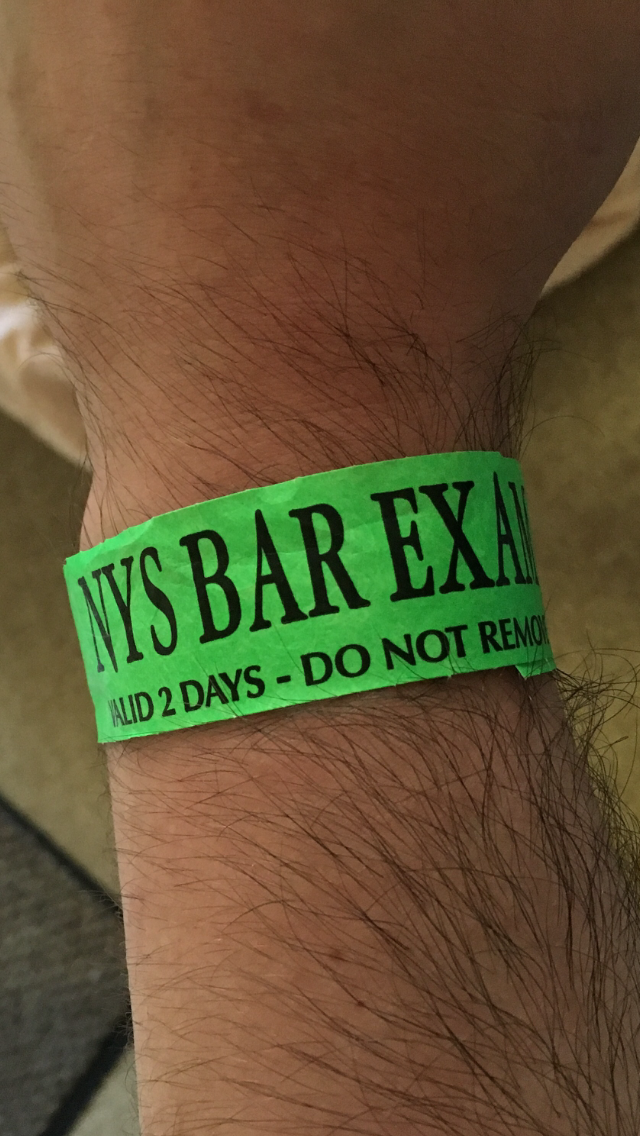
Doesn’t have the Bar results yet.

 A very happy and amazing moment.😊 My husband called my son, the young, new lawyer, for advice on a complex issue having to do with some business of our biotechnology company. To hear my son give him advice and his opinions to his dad was quite amazing. This son of mine who only graduated in late May, and just found his first job last week, is a bona fide lawyer. He said things like “… the argument pursuant to title 12 of the document…” to my husband and explained the whole issue to him and came up with a way to resolve the issue! I am floored 😀! My son is really a lawyer! He has the language, the ideas, even the brain of a lawyer! Amazing! May he be successful and loved and happy and healthy in this wonderful life he is beginning.
PS
My grandfather was a barrister and then a Magistrate in India during Queen Victoria’s reign and he was a great legal mind and had compassion and love for both Muslims and Hindus. He was an extraordinary man and my son may be well channeling him! Life: amazing, unexpected, absolutely sublime and wondrous!
Try
 Just tired, exhausted. My son has the flu and i’ve been staying with him, maybe I am also coming down with it.
Some stories keep coming to my mind, the story of a friend who followed her husband to Europe, and then had to move back with her children under bad circumstances, involving the betrayal of his marriage vows. But she persevered and is now living with her young children, on her own terms.
Another friend, whose husband, under the effect of substances, becomes abusive, becomes a monster. She is trying to help him get clean and reclaim himself and their life together. She has children as well, and they have suffered because of the effects of substance abuse. I can only wish them well, and send them all my support and love.
Another friend, she has been rejected by her partner. Her partner has disappeared into a cocoon of silence and she doesn’t even know what the problem is. She talked to me and we had a guessing marathon based on past events. But guessing marathons are about as useful as melted ice when you’d like a cool drink.
All of these friends of mine, and mostly all of us, would benefit so much from communication. What if in the case of my first friend, her husband had said he wanted to get a divorce and not dragged her to Europe, uprooting her life? Things would have been so much better for her and her children.
In the case of my second friend, communication during the early phases of substance abuse may have helped them nip the problem in the bud. This is a tough one, because people don’t admit they have a substance abuse problem to themselves, let alone anyone else.
My third friend is agonizing over what is wrong, she can make guesses, but she doesn’t know why her partner has left her. Not knowing is much worse than being able to say why. If he would tell her what is wrong, perhaps they would have a chance at correcting it. But he says nothing, refuses to communicate with her.
These stories of my three good friends, these strong, amazing women, who have gone through so much in their lives, they still continue to battle for themselves, their children and even their partners if they would let them.
Life can be very difficult at times. What do you do? Give up? Fight? Persevere? Try. We try.
 Palestine WILL Be Free